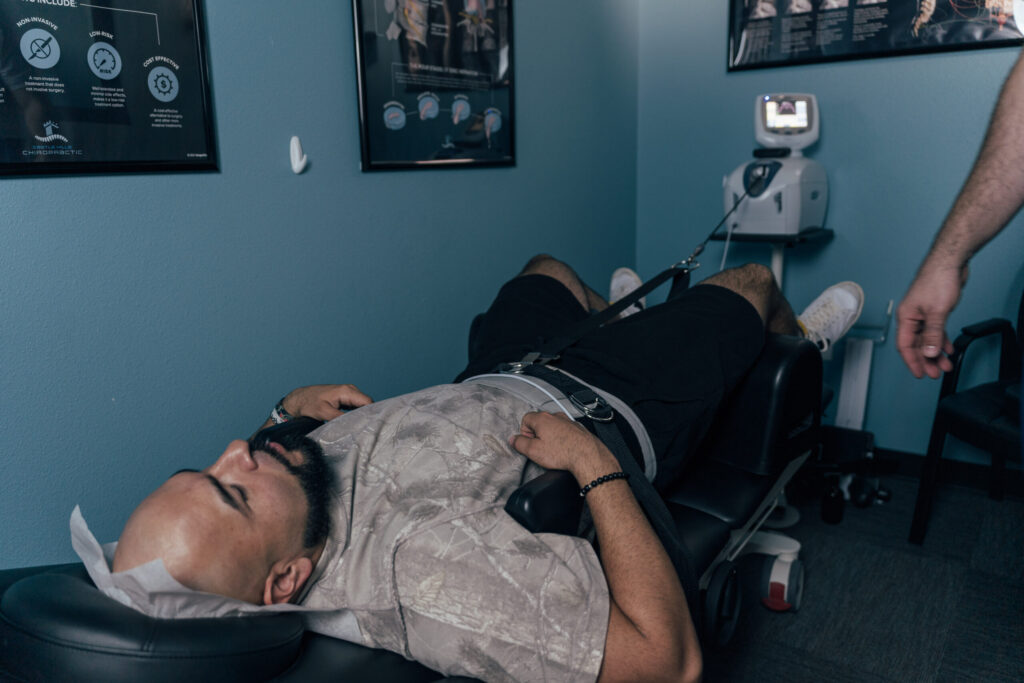

You might not realize how your daily habits could be impacting your back health. From the way you sit at your desk to your sleep positions, those seemingly small choices can accumulate and lead to discomfort. Poor posture, a sedentary lifestyle, and even the way you lift everyday items can contribute to back pain.
Many people believe they’re in the clear if they don’t lift heavy weights, but that’s a common misconception. It’s essential to understand that even light lifting, if done incorrectly, can strain your back. This is where chiropractic care comes into play. By focusing on spinal alignment and overall body mechanics, chiropractors can help you find relief from pain and guide you toward healthier habits.
Let’s explore some practical tips to help you improve your daily habits and support your back health:
- Mind Your Posture: When sitting at your desk, make sure to keep your feet flat on the ground and your back straight. Using a chair that supports your lower back can make a significant difference.
- Take Breaks: If you have a sedentary job, set a timer to remind yourself to stand up and stretch every 30 minutes. Simple stretches can help alleviate tension and improve circulation.
- Lift Correctly: When lifting objects, always bend your knees and keep the item close to your body. This technique reduces strain on your back and helps protect your spine.
- Sleep Smart: Your sleep position matters! Try sleeping on your side with a pillow between your knees, or on your back with a pillow under your knees to maintain spinal alignment.
- Stay Active: Regular exercise strengthens your core muscles, which support your spine. Incorporate activities like walking, swimming, or yoga into your routine to keep your back healthy.
By adopting these habits and considering chiropractic care, you can take proactive steps toward a healthier spine and overall wellness. Remember, your back deserves the best care possible, and chiropractic is here to help you achieve optimal health naturally.
Key Takeaways
Your daily habits could be contributing to back pain more than you realize! Here are some common behaviors that might be affecting your spine health, along with tips on how chiropractic care can help:
- Poor Sitting Posture: Slouching or leaning forward puts unnecessary strain on your spine and back muscles. To combat this, try to sit up straight with your shoulders back and your feet flat on the floor. Consider visiting a chiropractor who can provide personalized advice on improving your posture.
- Prolonged Sitting: Sitting for long periods without breaks can restrict circulation and lead to muscle stiffness, which increases the risk of chronic pain. Make it a habit to stand up, stretch, or take a short walk every hour. A chiropractor can also offer gentle adjustments to help alleviate tension and improve your overall comfort.
- Inadequate Ergonomic Setups: If your computer screen is below eye level, it can contribute to poor posture and back tension. Aim to keep your screen at eye level and invest in a good chair that supports your back. Regular chiropractic adjustments can help realign your spine, making it easier to maintain good posture.
- Neglecting Core Strength: Weak core muscles can lead to inadequate support for your spine, making your back more vulnerable to pain. Incorporate core-strengthening exercises into your routine, and consult with a chiropractor for specific exercises tailored to your needs.
- Improper Lifting Techniques: Bending at your back instead of your knees when lifting can cause immediate strain and long-term pain. Always lift with your legs and keep the object close to your body. A chiropractor can teach you safe lifting techniques and help relieve any existing discomfort.
By being mindful of these habits and seeking chiropractic care, you can promote a healthier spine and reduce your risk of back pain. Remember, small changes can lead to significant improvements in your overall wellness!
Poor Posture While Sitting
Many of us may not realize it, but poor posture while sitting can lead to significant back pain over time. You might catch yourself leaning forward at your desk, with rounded shoulders and an unsupported spine. This kind of slouching places excessive strain on your back muscles and spine, heightening the chances of discomfort and injury.
As a chiropractor, I want to help you understand how important it’s to maintain a healthy sitting posture. To improve your posture, consciously sit up straight. Keep your shoulders relaxed and your feet flat on the floor. It’s also essential to adjust your chair height so that your elbows form about a 90-degree angle while typing. Consider using a cushion or lumbar support to help maintain the natural curve of your lower back, which is crucial for spinal health.
Incorporating regular breaks into your routine is another effective strategy. Stand up, stretch, and walk around often. This practice not only helps relieve tension but also promotes better circulation.
Inadequate Sleep Positions
Your sleep positions can significantly impact your back health, making it crucial to pay close attention to them. Proper alignment of your spine while you sleep is essential for reducing pain and promoting overall wellness. One key factor is the height of your pillow; it should support your neck without tilting your head too far up or down. Likewise, the support provided by your mattress is vital—too soft or too firm can throw your spine out of alignment.
To help maintain healthy sleep positions, here are a few tips:
- Sleep on Your Side: This position is generally best for spinal alignment. You can place a pillow between your knees to keep your hips aligned.
- Back Sleeping: If you prefer to sleep on your back, use a pillow that supports the natural curve of your neck and consider placing a small pillow under your knees to relieve pressure on your lower back.
- Avoid Stomach Sleeping: This position can lead to neck strain and misalignment of the spine. If you must, try using a very thin pillow or none at all to keep your neck in a more neutral position.
Remember, if you wake up with pain, it might be time to reassess your sleep setup. Regular chiropractic care can also help maintain your spine’s health, ensuring that your body is functioning optimally.
With the right adjustments and lifestyle changes, you can enhance your comfort, improve your sleep quality, and enjoy a healthier, pain-free life.
Pillow Height Matters
While a comfortable mattress is essential for a good night’s sleep, the height of your pillow is equally crucial for maintaining proper spinal alignment. Using the wrong pillow height can lead to neck strain and back pain, disrupting your rest and overall well-being. Ensuring your pillow supports your head and neck without forcing them into unnatural positions is vital for a healthy spine.
Here are some key factors to consider when choosing your pillow:
- Sleep Position: Your sleeping position significantly influences your pillow choice. Side sleepers typically require thicker pillows to fill the gap between their head and the mattress, promoting spinal alignment. Back sleepers may benefit from medium-thickness pillows that support the natural curve of the neck, while stomach sleepers often do best with thinner pillows to avoid straining the neck.
- Material: The material of your pillow can also impact support. Memory foam pillows or adjustable options allow for personalized height and firmness, which can help alleviate discomfort and promote better alignment.
- Personal Preference: Everyone’s comfort level is different, so it’s essential to find a pillow that feels right for you. Your pillow should support your head and neck in a way that feels natural and comfortable.
Investing in the right pillow height can significantly improve your sleep quality and overall health. Remember, proper alignment is key to preventing pain and discomfort. As a chiropractor, I encourage you to pay close attention to your sleeping habits and pillow choices, as these simple adjustments can lead to better spinal health and a more restful night’s sleep.
If you’re experiencing persistent pain or discomfort, consider consulting a chiropractor. We specialize in natural healing and can provide personalized recommendations to help you achieve optimal health.
Your spine deserves the best care for a healthier, happier life!
Mattress Support Importance
Choosing the right pillow is just one part of achieving restful sleep; however, don’t overlook the crucial support that your mattress provides. A supportive mattress is essential for maintaining your spinal health. If your mattress lacks the right support, you may find yourself waking up with back pain. An overly soft mattress can lead to your spine sagging, while one that’s too firm might create painful pressure points. It’s vital to strike a balance that keeps your spine aligned throughout the night.
Consider your sleeping position when selecting your mattress. If you’re a side sleeper, a slightly softer mattress can provide the cushioning your body needs for comfort. On the other hand, back and stomach sleepers often require firmer support to maintain proper spinal alignment.
Regularly check your mattress for signs of wear and tear; if it’s over seven years old, it may be time for an upgrade to support your health better. Remember, prioritizing mattress support can significantly improve your sleep quality and contribute to a healthier back.
Incorporating chiropractic care into your routine can further enhance your wellness journey. Regular adjustments can help maintain your spine’s alignment and alleviate discomfort, leading to improved overall health. Simple practices like stretching before bed and using supportive pillows can also aid in achieving a restful night’s sleep. By focusing on both your sleep environment and chiropractic care, you can take proactive steps toward optimal health and well-being.
Sedentary Lifestyle Choices
If you spend most of your day sitting, you may not be aware of the significant impact it can have on your back health. Poor posture and inactivity can lead to muscle weakness and discomfort that can linger long after you’ve stood up. It’s essential to break free from these sedentary habits for the sake of your spinal health.
As a chiropractor, I want to emphasize that maintaining a healthy spine is crucial for overall well-being. One of the best ways to achieve this is through regular chiropractic care. Chiropractic adjustments can help alleviate pain, improve posture, and restore proper function to your spine, allowing your body to heal naturally.
Here are some simple tips to help you counteract the effects of a sedentary lifestyle:
- Take Frequent Breaks: Set a timer to remind yourself to stand up and stretch every 30-60 minutes. Moving around can help rejuvenate your muscles and joints.
- Practice Good Posture: When sitting, ensure your feet are flat on the ground, your back is straight, and your shoulders are relaxed. Consider using a chair that supports your lower back.
- Incorporate Movement: Try to include light exercises or stretches into your daily routine. Even a short walk during your lunch break can make a difference.
- Stay Hydrated: Drinking enough water can help keep your muscles and joints healthy. It can also encourage you to get up more frequently to refill your glass!
- Schedule Regular Chiropractic Visits: Regular adjustments can help keep your spine in optimal condition and address any discomfort you may experience from prolonged sitting.
By making these small changes and prioritizing chiropractic care, you can support your spinal health and enhance your overall quality of life.
Prolonged Sitting Effects
Many people tend to overlook how prolonged sitting can affect their backs. When you spend hours at a desk or lounging on the couch, your spine doesn’t receive the necessary support, which can lead to discomfort and pain. As a chiropractor, I want to emphasize the importance of understanding these effects of a sedentary lifestyle and how chiropractic care can help.
Here are some common issues associated with sitting for long periods:
- Decreased Blood Flow: Sitting restricts circulation, which can impact your muscles and overall health. Good blood flow is essential for delivering nutrients and oxygen to your spine and surrounding tissues.
- Muscle Stiffness: Lack of movement can cause tightness in your back. This stiffness can make everyday tasks more challenging and can increase the risk of injury.
- Increased Risk of Injury: Prolonged sitting can weaken your muscles and lead to poor spinal alignment. Over time, this can contribute to injuries and chronic pain.
To protect your back and promote a healthier lifestyle, consider incorporating regular movement into your day. Here are some simple tips that can make a significant difference:
- Take Breaks: Set a timer to remind yourself to stand up and stretch every 30 to 60 minutes. A few minutes of movement can help rejuvenate your muscles and improve circulation.
- Practice Good Posture: Be mindful of your posture when sitting. Ensure that your back is straight, shoulders are relaxed, and feet are flat on the floor.
- Engage in Regular Exercise: Incorporating activities like walking, swimming, or yoga can strengthen your back muscles and improve flexibility.
- Consider Chiropractic Care: Regular chiropractic adjustments can help maintain proper spinal alignment, relieve discomfort, and enhance overall health. A chiropractor can provide personalized advice and treatments to support your back health.
Remember, it doesn’t take much to make a positive change!
Poor Posture Consequences
Prolonged sitting often leads to poor posture, which can have serious consequences for your back and overall health. When you slouch or hunch over your desk, you’re placing unnecessary stress on your spine, which can lead to discomfort and pain. This misalignment can result in muscle tension, headaches, and even nerve issues.
Over time, your body may adapt to this poor posture, making it increasingly difficult to stand or sit straight without effort. You might also notice feelings of fatigue and reduced energy levels as your body struggles to support itself.
As a chiropractor, I want to emphasize the importance of proper posture and the role it plays in your overall wellness. Being mindful of your posture and taking regular breaks to stretch and move can make a significant difference.
Here are some simple tips to help you maintain a healthier posture throughout the day:
- Set Up Your Workspace: Ensure your desk and chair are ergonomically designed. Your feet should be flat on the ground, and your computer screen should be at eye level to avoid straining your neck.
- Take Frequent Breaks: Stand up and move around for a few minutes every hour. This not only helps relieve pressure on your spine but also boosts your energy levels.
- Practice Good Posture: When sitting, keep your back straight and shoulders relaxed. Imagine a string pulling you up from the top of your head to maintain an upright position.
- Incorporate Stretching: Simple stretches can alleviate tension in your muscles. Consider trying neck rolls, shoulder shrugs, and back stretches during your breaks.
- Stay Active: Regular physical activity strengthens your muscles and supports proper alignment. Aim for exercises that promote core strength, such as yoga or pilates.
Inactivity and Muscle Weakness
Embracing a sedentary lifestyle can often lead to inactivity and muscle weakness, which can significantly impact your back health. When we don’t engage in regular physical activity, our muscles weaken, making it harder for our bodies to support the spine. This can lead to discomfort, pain, and even long-term injury.
- Weak core muscles struggle to stabilize your spine, leading to potential misalignment.
- Reduced flexibility increases the risk of strains and injuries.
- Poor muscle strength can contribute to back pain and discomfort.
Addressing inactivity is crucial for your overall well-being. Incorporating simple exercises or stretches into your daily routine can help strengthen your muscles and improve your posture.
Here are a few tips to get you started:
- Daily Stretching: Spend just a few minutes each day stretching your back, hips, and core. This can enhance flexibility and reduce the risk of injury.
- Core Strengthening: Engage in activities that target your core muscles, such as planking or gentle yoga. A strong core provides vital support for your spine.
- Regular Movement: Make it a habit to stand up and move around every hour, especially if you spend long periods sitting. This can help keep your muscles active and engaged.
- Chiropractic Care: Regular visits to your chiropractor can help keep your spine aligned and your muscles functioning optimally. Chiropractic adjustments can relieve pain, improve mobility, and support your overall health.
Don’t let a sedentary lifestyle compromise your back health—take action today and start moving! Remember, a strong, healthy back is key to a vibrant life, and chiropractic care can be your partner in achieving optimal wellness.
Improper Lifting Techniques
When you lift objects without using proper techniques, you not only risk immediate injury but may also set yourself up for chronic back pain that can affect your overall well-being. Lifting with your back instead of your legs places unnecessary strain on your spine, which is why it’s essential to adopt healthy lifting habits.
To lift correctly, stand close to the object, bend at your knees, and keep your back straight. This technique allows your strong leg muscles to do the heavy lifting, significantly reducing the pressure on your back and helping to maintain spinal alignment.
It’s also important to avoid twisting your body while lifting. Instead, pivot your feet to turn your body in the direction you need to go. If the item is too heavy, please don’t hesitate to ask for help or utilize tools like dollies or forklifts.
Remember, your safety is paramount, and it’s always better to take a moment to ensure you’re lifting correctly rather than rushing and risking injury.
Incorporating these lifting techniques can help prevent pain and discomfort, but if you ever do experience back pain, chiropractic care is a fantastic option for natural relief. By focusing on spinal health and alignment, chiropractic adjustments can help your body heal itself, providing you with a path to optimal health and wellness.
Always prioritize your body’s needs, and remember that a healthy spine contributes to a healthier life!
Overuse of Technology
As a local chiropractor, I want to shed light on how our daily habits, particularly our reliance on technology, can contribute to back pain, even if you lift correctly. Many of us spend countless hours hunched over screens, often without realizing the strain this places on our backs.
This constant pressure can lead to discomfort and even long-term issues if not addressed.
Here are some key factors to consider:
- Poor Posture: Slouching or leaning forward while using your phone or computer can put unnecessary stress on your spine. Maintaining an upright position allows your spine to align properly, reducing the risk of pain.
- Prolonged Sitting: Sitting for long periods without taking breaks can weaken your back muscles and lead to stiffness. It’s essential to stand up, stretch, and move around every so often to keep your body agile and your spine healthy.
- Inadequate Support: Using laptops or tablets without proper support can cause you to adopt awkward positions. Consider using a stand or an external keyboard to create a more ergonomic workspace that supports your natural posture.
To help alleviate back pain, be mindful of your technology habits. Here are some actionable tips:
- Adjust Your Workspace: Ensure your computer screen is at eye level and your chair supports your lower back.
- Take Regular Breaks: Set a timer to remind yourself to stand up and stretch every 30-60 minutes. Simple stretches can relieve tension in your back.
- Practice Good Posture: Sit up straight with your feet flat on the ground and your shoulders relaxed. This promotes better spinal alignment.
- Consider Chiropractic Care: Regular chiropractic adjustments can help maintain spinal health, improve posture, and relieve pain naturally. As a chiropractor, I believe that chiropractic care is a powerful tool for achieving optimal health and wellness.
By being conscious of your tech habits and incorporating these tips into your daily routine, you can support your back and overall health.
Neglecting Core Strength Exercises
Core strength exercises are essential for maintaining a healthy back, yet they’re often overlooked in our daily routines. As a chiropractor, I understand the importance of a strong core in providing vital support for your spine. When we neglect these exercises, we miss out on crucial stability that can help reduce the risk of injury and alleviate strain on our back muscles. This is particularly important since everyday activities like lifting, bending, or sitting can lead to discomfort and pain without adequate core strength.
You don’t need a gym membership to incorporate core exercises into your life. Simple movements such as planks, bridges, and leg raises can be done at home and can make a significant difference. Try to set aside just a few minutes each day to strengthen your core. You’ll likely notice improvements in your posture, a reduction in back pain, and enhanced overall stability.
Conclusion
Incorporating small changes into your daily routine can significantly enhance your back health and overall wellness. As a chiropractor, I often see how simple adjustments can lead to remarkable improvements in pain relief and spinal function. First and foremost, pay close attention to your posture while sitting. Ensure that your back is straight, shoulders relaxed, and feet flat on the floor to maintain proper spinal alignment.
Choosing a supportive mattress is another critical step. A good mattress will support your spine’s natural curves and help you wake up refreshed rather than stiff. Additionally, make it a habit to take regular breaks to move around, especially if you sit for long periods. This helps to keep your muscles engaged and prevents stiffness.
When lifting heavy objects, remember to bend at your knees, not at your waist. This technique helps protect your back from injury. Also, be mindful of excessive tech use that encourages slouching. If you find yourself hunched over your devices, set reminders to check your posture and take breaks to stretch.
Strengthening your core is essential for supporting your back, so consider incorporating simple exercises like planks or bridges into your routine. These can be done at home and will make a big difference in your spinal health.
By making these adjustments and prioritizing your back health, you can reduce pain and protect your spine in the long run. Remember, chiropractic care is an excellent way to support your journey toward optimal health and wellness. If you’re struggling with back pain, don’t hesitate to seek guidance from a chiropractor who can provide personalized care tailored to your needs. Together, we can help you achieve a pain-free, healthier lifestyle.