
You might be surprised to learn that spinal adjustments could play a role in easing your stress. By correcting misalignments in your spine, these adjustments may help alleviate physical tension that often contributes to feelings of anxiety. This connection between your spine and stress isn't just anecdotal; it's rooted in how your nervous system functions. But what does this mean for your overall well-being? Exploring the nuances of chiropractic care could reveal insights that may change your perspective on stress management.
Understanding Stress and Its Effects
When you experience stress, your body undergoes a complex response that can affect both your physical and mental well-being. This process, often referred to as the "fight or flight" response, activates your sympathetic nervous system. In moments of stress, your heart races, your muscles tense, and your breathing quickens. These reactions prepare you to react to perceived threats, but they can also lead to chronic issues if stress becomes a constant presence in your life.
You might notice that stress doesn't just linger in your mind; it manifests physically, too. Tension headaches, digestive problems, and fatigue are common side effects. Your immune system can weaken under prolonged stress, making you more susceptible to illness.
Emotionally, you may feel overwhelmed, anxious, or even depressed. Recognizing these signs is vital for managing stress effectively. When you're aware of how stress affects your body and mind, you can take steps to mitigate its impact.
Techniques like deep breathing, regular exercise, and mindfulness can help you regain balance. Additionally, social support plays an important role. Talking to friends or family can provide relief and perspective on your stressors.
Understanding stress and its effects empowers you to take control of your health. By acknowledging how it influences your life, you can make informed decisions to reduce its impact. Remember, it's not just about managing stress but also about preventing it from taking a toll on your well-being.
What Are Spinal Adjustments?
Spinal adjustments are specific techniques used by chiropractors to realign your spine and improve overall function.
These adjustments can help relieve pain, reduce tension, and enhance your body's ability to cope with stress.
Let's explore how these methods work and their potential benefits for your well-being.
Definition of Spinal Adjustments
A spinal adjustment refers to a therapeutic procedure aimed at correcting misalignments in the spine, known as subluxations. These misalignments can interfere with your body's nervous system, potentially leading to various health issues, including stress and discomfort.
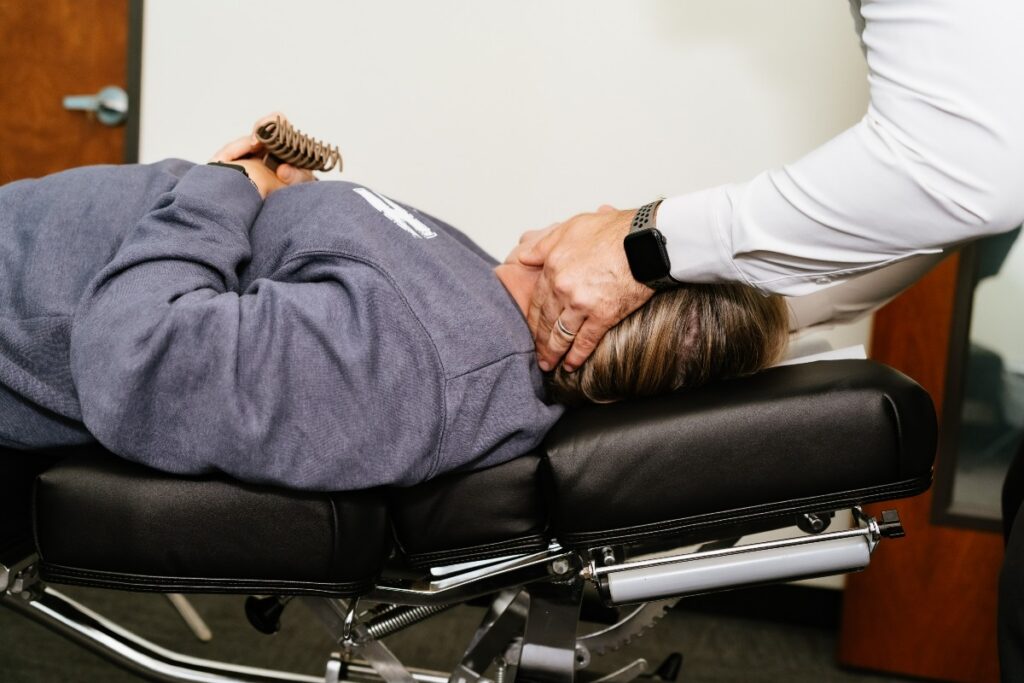
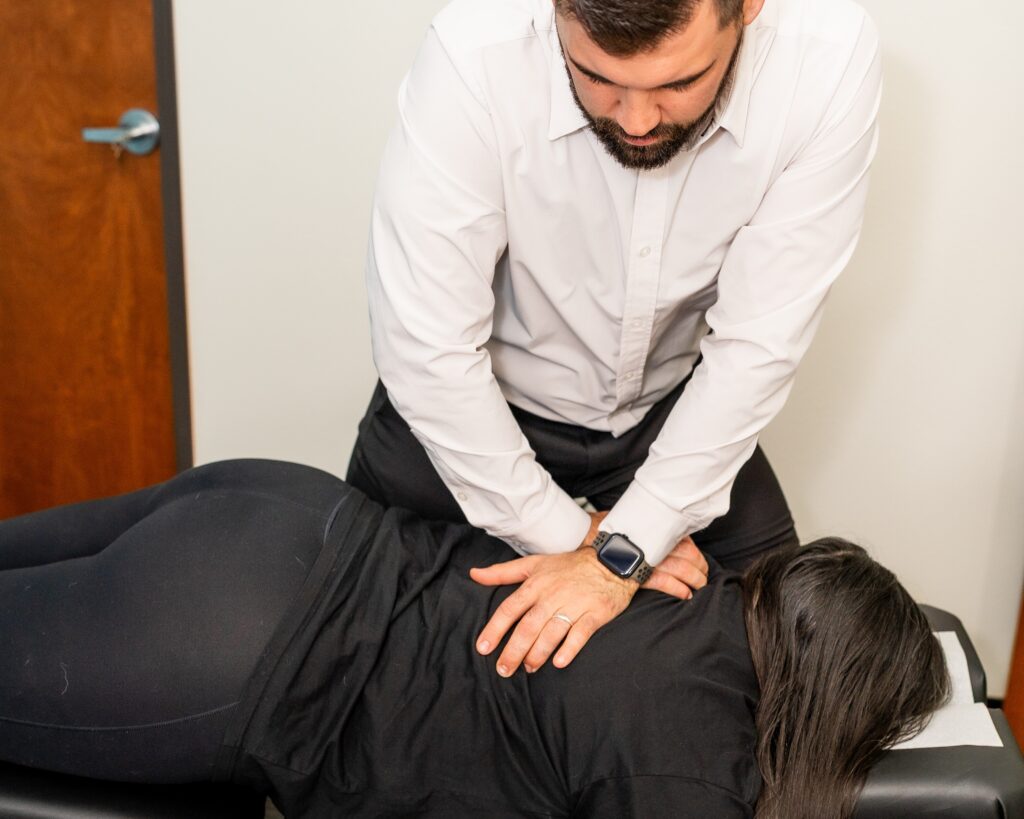
When you undergo a spinal adjustment, a trained chiropractor applies controlled force to specific areas of your spine to restore proper alignment and function. The goal is to enhance your overall well-being by allowing your nervous system to operate more efficiently.
Proper spinal alignment supports better communication between your brain and body, which can positively impact your stress levels. Many people report feeling immediate relief and improved mood following an adjustment, as it may help release tension built up in your muscles.
While you might initially feel some discomfort, the long-term benefits often outweigh these temporary sensations. Regular spinal adjustments can help maintain spinal health, promote relaxation, and even improve your posture.
Understanding what spinal adjustments are can empower you to take proactive steps toward reducing stress and enhancing your quality of life. So, if you're seeking a holistic approach to managing stress, consider exploring spinal adjustments as a potential option.
Techniques Used in Adjustments
Various techniques are employed during spinal adjustments to effectively realign the spine and alleviate stress.
One of the most common methods is the Diversified Technique, where practitioners use quick, precise thrusts to adjust the vertebrae. You might feel a pop or crack, which is normal and often indicates successful realignment.
Another technique you may encounter is the Gonstead Method, focusing on specific areas of the spine. This approach involves a thorough analysis, allowing the chiropractor to identify the precise misalignments, leading to targeted adjustments.
If you prefer a gentler approach, the Activator Method uses a small handheld device to deliver low-force impulses, making it suitable for those who might be sensitive to traditional adjustments.
The Thompson Technique employs a specialized table that drops slightly during adjustments, enhancing the effectiveness of the thrust.
If you're seeking a holistic approach, the Sacro-Occipital Technique focuses on the relationship between the pelvis and skull, promoting overall balance.
Each technique aims to restore spinal alignment, reduce tension, and ultimately ease stress.
Discuss your preferences with your chiropractor to find the method that best suits your needs.
The Link Between Spine and Stress
Your spine plays an essential role in connecting your nervous system to the rest of your body, impacting how you experience stress.
When there's physical tension in your spine, it can exacerbate stress levels, but spinal adjustments can help release that tension.
Nervous System Connection
Understanding the connection between your spine and stress is essential for overall well-being. Your spine plays a vital role in housing the spinal cord, which is a key part of your nervous system.
When your spine is misaligned, it can create interference in the messages your brain sends to your body, leading to increased stress levels.
Here are three ways your spine affects your nervous system and stress response:
- Nerve Function: Misalignments can compress nerves, causing dysfunction that may elevate stress hormones like cortisol.
- Muscle Tension: Poor spinal alignment can lead to muscle tension, which contributes to a feeling of anxiety and discomfort.
- Autonomic Response: A healthy spine supports the autonomic nervous system, which regulates your fight-or-flight response.
When it's out of balance, you might feel more stressed and reactive.
Physical Tension Release
Many people don't realize how closely physical tension is linked to spinal health and stress levels. When your spine is misaligned, it can lead to muscle tension throughout your body, creating a cycle of discomfort and stress. You might find that as your spine becomes less flexible, your muscles tighten in response, which only amplifies your stress.
Spinal adjustments help to realign your spine, reducing the physical tension that contributes to feelings of anxiety and stress. As your spine finds its proper position, your muscles can relax, allowing you to experience a sense of relief. This release of tension not only eases discomfort but also helps clear your mind, making it easier for you to cope with daily stressors.
When you address your spinal health, you're not just improving your physical well-being; you're also impacting your emotional health. You may notice that with regular adjustments, your overall stress levels decrease, and you feel more balanced and centered.
Improved Posture Benefits
Improving your posture plays a significant role in managing stress levels and enhancing overall well-being. When you sit or stand with proper alignment, you not only feel more confident, but you also create a physical environment that's less likely to contribute to tension.
Here are three key benefits of improved posture:
- Reduced Muscle Strain: Good posture minimizes strain on your muscles and ligaments. This reduction in physical stress can lead to less discomfort and tension, allowing you to focus better on your daily tasks.
- Enhanced Breathing: Proper alignment opens up your chest and diaphragm, promoting easier, deeper breathing. This can help lower anxiety and improve oxygen flow, keeping your energy levels stable throughout the day.
- Boosted Mood: When you stand tall and maintain good posture, you send positive signals to your brain. This can elevate your mood and reduce feelings of stress, making it easier to tackle challenges with a clear mind.
How Chiropractic Care Works
Chiropractic care operates on the principle that proper alignment of the spine promotes overall health and well-being. When your spine is misaligned, it can create tension in your body, leading to pain, discomfort, and increased stress levels. Chiropractors focus on identifying these misalignments, or subluxations, and correcting them through specific adjustments.
During a chiropractic session, your chiropractor will assess your posture, movement, and spinal alignment. They'll use their hands or specialized tools to apply controlled force to your spine, helping to restore its natural position. This process doesn't just alleviate back pain; it can also improve your nervous system function, which plays a vital role in stress management.
As your spine aligns, you might notice various benefits. Many people experience reduced muscle tension, improved circulation, and enhanced mobility. These changes can help you feel more relaxed and resilient in the face of stressors.
Additionally, when your body functions efficiently, you're better equipped to handle daily challenges, leading to an overall sense of well-being.
Regular chiropractic adjustments can also foster a deeper mind-body connection, allowing you to become more aware of how stress manifests physically. By addressing these physical symptoms, you may find it easier to implement stress-reducing techniques, such as mindfulness or breathing exercises.
Scientific Studies on Adjustments
Research into the effectiveness of spinal adjustments reveals compelling evidence supporting their benefits. Numerous scientific studies have explored how these adjustments can positively impact stress levels. You might be surprised to learn that the physiological and psychological effects of spinal care extend beyond mere pain relief.
- Reduction in Cortisol Levels: Studies indicate that spinal adjustments can reduce cortisol, the hormone associated with stress. Lower cortisol levels can lead to improved mood and overall well-being.
- Improved Nervous System Function: Research shows that spinal adjustments can enhance the function of the nervous system. A well-functioning nervous system is essential for regulating stress responses, allowing your body to adapt more effectively to stressors.
- Enhanced Sleep Quality: Scientific investigations have found a correlation between spinal adjustments and improved sleep quality. Better sleep can greatly reduce stress, as it allows your body to recover and rejuvenate.
These findings suggest that spinal adjustments may serve as a valuable tool in stress management. By addressing spinal misalignments, you're not just targeting physical discomfort; you're also potentially improving your body's ability to handle stress.
While more research is always welcome, the existing studies provide a promising foundation for considering chiropractic care as part of a holistic approach to stress relief.
Patient Experiences and Testimonials
Many patients report notable improvements in their stress levels after receiving spinal adjustments. You might find it interesting to hear how others have experienced this firsthand.
For instance, one patient shared that they felt an immediate sense of relief following their first adjustment. They described a relaxing sensation that washed over them, allowing them to breathe easier and feel more centered. This change didn't just enhance their mood; it also helped them manage their daily stressors more effectively.
Another patient noted that after a few sessions, their anxiety levels dropped considerably. They mentioned how they used to feel constantly overwhelmed, but after receiving regular adjustments, they noticed a marked decrease in tension and irritability. They even reported sleeping better and feeling more balanced in their emotional responses.
You might also relate to those who've struggled with stress-induced physical symptoms. One individual shared that their headaches and muscle tightness, often exacerbated by stress, improved notably after spinal adjustments. They felt more relaxed overall, allowing them to engage more fully in life and enjoy activities they once found burdensome.
These testimonials highlight a common theme: many patients experience not just physical relief but also emotional and mental clarity after spinal adjustments.
As you consider how these experiences might resonate with your own stress journey, remember that each individual's response can differ. However, the positive feedback from many supports the potential benefits of this holistic approach to stress relief.
Other Benefits of Spinal Adjustments
Spinal adjustments offer a range of benefits beyond stress relief, contributing to overall wellness. When you experience these adjustments, you're not just targeting tension; you're also enhancing your body's functionality in several ways.
Here are some notable benefits you might enjoy:
- Improved Posture: Regular spinal adjustments can help correct misalignments, leading to better posture. When your spine is aligned, you're less likely to slouch, which can alleviate discomfort and boost your confidence.
- Enhanced Mobility: After an adjustment, many people notice an increase in their range of motion. This improvement allows you to move more freely, whether you're engaging in everyday activities or pursuing physical fitness goals.
- Pain Relief: Adjustments are known to alleviate various types of pain, including lower back pain, neck pain, and headaches. By addressing the root causes of discomfort, you can experience significant relief and enjoy a higher quality of life.
These benefits, combined with stress relief, create a holistic approach to well-being.
Techniques Used in Chiropractic Care
Chiropractors utilize a variety of techniques to address misalignments and promote overall wellness. One of the most common methods is spinal manipulation, where the chiropractor applies controlled force to specific joints. This technique aims to restore proper alignment, reduce pain, and improve mobility. You might hear terms like "adjustment" or "manipulation" used interchangeably, but they fundamentally refer to the same process of realigning the spine.
Another popular technique is the use of soft tissue therapy. This involves applying pressure to muscles, tendons, and ligaments to relieve tension and improve blood flow. If you're experiencing tightness or discomfort, this technique can be particularly beneficial. Chiropractors may also incorporate stretching and strengthening exercises tailored to your specific needs, helping you build stability and prevent future issues.
Additionally, some chiropractors utilize instrument-assisted techniques, where specialized tools help deliver gentle adjustments. This approach can be especially useful for those who may prefer a less hands-on method or have certain health conditions that require a more delicate touch.
You may also encounter techniques like the Activator Method, which involves a small handheld device that delivers a quick impulse to specific areas of the spine. This method can effectively target misalignments without the typical cracking sound associated with traditional adjustments.
Ultimately, your chiropractor will assess your unique situation and determine which techniques will be most effective for you, ensuring a personalized approach to your wellness journey.
When to Consider Spinal Adjustments
If you're experiencing chronic stress symptoms like tension headaches or back pain, it might be time to contemplate spinal adjustments.
Regular maintenance adjustments can help keep your spine aligned and reduce stress levels.
Listening to your body and recognizing these signs can lead to better overall well-being.
Chronic Stress Symptoms
Chronic stress can manifest in various physical and emotional symptoms that markedly impact your daily life. You might find yourself feeling overwhelmed, anxious, or even physically tense. Recognizing these symptoms early can help you take proactive steps toward relief, including considering spinal adjustments.
Here are three common chronic stress symptoms to watch for:
- Muscle Tension: You may notice tightness in your neck, shoulders, or back. This tension can lead to discomfort and limit your mobility.
- Fatigue: Chronic stress often leaves you feeling exhausted, even after a full night's sleep. You might struggle to maintain your energy levels, affecting your productivity and overall mood.
- Headaches: Frequent tension headaches or migraines can be a direct result of stress. If you find yourself reaching for pain relievers more often, it could be a signal that your body is overwhelmed.
If you identify with these symptoms, it's worth exploring spinal adjustments as a potential solution. They may help alleviate some of the physical manifestations of stress and restore balance to your body, promoting a greater sense of well-being.
Regular Maintenance Adjustments
Recognizing the impact of chronic stress on your body is the first step toward finding relief. Once you're aware of how stress affects you, consider incorporating regular maintenance adjustments into your wellness routine. These adjustments can help keep your spine aligned and reduce the physical manifestations of stress, like muscle tension and discomfort.
If you're feeling overwhelmed, it's a good idea to see a chiropractor for an evaluation. They can assess your spine and recommend a personalized adjustment schedule. Many people find that monthly or bi-monthly visits work well, but you might need more frequent adjustments during particularly stressful times.
Listening to your body is key. If you notice increased tension or discomfort, don't hesitate to schedule an appointment. Regular maintenance adjustments not only support your physical health but can also enhance your overall mental well-being.
By committing to this proactive approach, you'll likely experience reduced stress levels and improved resilience. Incorporating regular spinal adjustments into your routine can be a game-changer.
Incorporating Adjustments Into Stress Management
Stress often manifests in physical tension, making spinal adjustments a valuable tool for managing both mental and emotional strain. Incorporating these adjustments into your stress management routine can greatly enhance your overall well-being.
By addressing the physical symptoms of stress, you create a stronger foundation for tackling the challenges life throws your way.
Here's how you can effectively incorporate spinal adjustments into your stress management strategy:
- Schedule Regular Appointments: Make spinal adjustments a consistent part of your routine. Just like exercise or meditation, regular visits to your chiropractor can help alleviate tension before it builds up.
- Combine with Relaxation Techniques: Pair your adjustments with mindfulness practices such as deep breathing, yoga, or meditation. These techniques complement the physical relief from adjustments and can deepen your sense of relaxation.
- Keep a Stress Journal: Document your stress levels before and after appointments. Tracking your progress will help you identify patterns, making it easier to discuss specific issues with your chiropractor.
Conclusion
Incorporating spinal adjustments into your routine can be a powerful way to manage stress. By addressing misalignments, these adjustments not only relieve physical tension but also promote relaxation and improved overall well-being. As you experience the benefits, you'll find yourself better equipped to handle daily challenges. Remember, regular chiropractic care is an investment in both your physical and mental health, empowering you to take charge of your stress and enhance your quality of life.