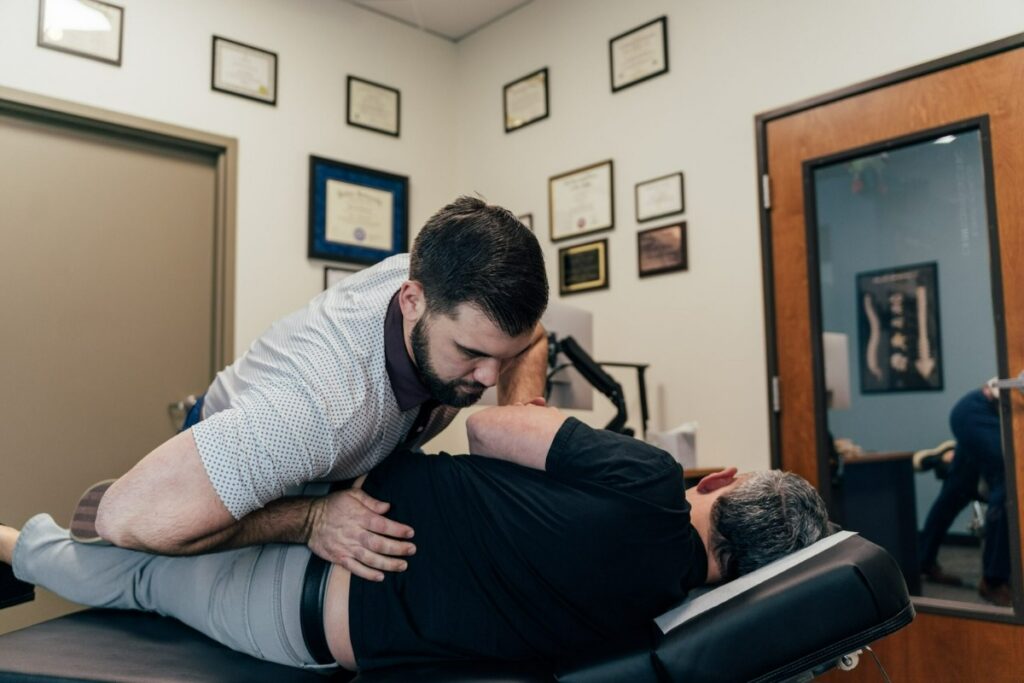

If you’ve ever suffered from tension headaches, you understand just how disruptive they can be to your daily life. Fortunately, there are effective ways to alleviate this discomfort, especially through chiropractic care. By focusing on spinal alignment and overall wellness, you can not only find relief from those nagging headaches but also promote better health in the long run.
Chiropractic adjustments can help relieve tension in the neck and shoulders, which are often key contributors to tension headaches. Through targeted spinal care, we can address misalignments that may be causing pain and discomfort, helping you regain your comfort and focus.
In addition to chiropractic care, here are some practical strategies you can incorporate into your daily routine to help manage tension headaches:
- Practice Good Posture: Ensure your workstation is ergonomically set up. Keep your computer screen at eye level and invest in a chair that supports your spine.
- Stay Hydrated: Dehydration can lead to headaches, so make sure you’re drinking enough water throughout the day.
- Take Breaks: If you’re working at a desk for long periods, take regular breaks to stretch and move around. This can help alleviate muscle tension.
- Incorporate Relaxation Techniques: Simple practices like deep breathing, meditation, or yoga can help reduce stress and tension in your body.
- Maintain a Healthy Lifestyle: Regular exercise and a balanced diet can significantly impact your overall wellness and reduce the frequency of tension headaches.
- Use Heat or Cold Therapy: Applying a warm compress to your neck or using a cold pack can provide relief from headache pain.
- Regular Chiropractic Visits: Consistent chiropractic care not only helps with immediate pain relief but also supports your long-term health by keeping your spine aligned and your nervous system functioning optimally.
By implementing these strategies and prioritizing chiropractic care, you can take proactive steps towards managing tension headaches and enhancing your overall well-being. Remember, a healthy spine is key to a healthy life!
Key Takeaways
- Engage in deep breathing exercises and progressive muscle relaxation techniques to help release tension and foster a sense of calm. These practices not only soothe your mind but also support spinal health by reducing muscle strain.
- Ensure you maintain good posture, especially when sitting or using devices. Proper alignment is crucial to prevent undue stress on your spine and surrounding muscles, which can contribute to tension headaches.
- Incorporate regular breaks into your daily routine to stretch and move around. This helps alleviate muscle tightness and promotes better circulation, both essential for maintaining a healthy spine and preventing headaches.
- Staying well-hydrated is vital for overall health. Drinking plenty of water and including hydrating foods in your diet can help avert headache triggers and support your body’s natural healing processes.
- Applying cold or warm compresses to your forehead or neck can provide immediate relief from pain and help relax tight muscles. This simple at-home remedy can be enhanced by regular chiropractic adjustments, which target the root causes of discomfort in your spine and muscles.
Remember, chiropractic care is a holistic approach that focuses on restoring balance and function to your body, making it an ideal choice for achieving optimal health and alleviating tension headaches naturally.
Practice Relaxation Techniques
Practicing relaxation techniques can be a powerful way to relieve tension headaches, and as a chiropractor, I believe in the importance of natural healing methods to promote overall wellness. Incorporating simple practices like deep breathing, progressive muscle relaxation, or meditation into your daily routine can significantly reduce stress and tension levels, which are often contributors to headaches.
When you take a moment to focus on your breath, you not only calm your mind but also release physical tightness in your body, especially in the neck and shoulders—areas that can affect spinal health. Try setting aside just a few minutes each day to engage in these techniques. Find a quiet, comfortable space where you can relax without interruptions.
As you breathe deeply, visualize the tension melting away from your body, allowing your spine to align and your muscles to relax.
Gentle yoga or stretching exercises can also enhance your relaxation and improve your overall well-being. These movements help to keep your spine flexible and promote better posture, which is vital for reducing headache triggers.
To deepen your relaxation experience, consider listening to calming music or guided meditations—these tools can help center your mind and body.
Remember, consistency is key. The more you practice these techniques, the more effective they’ll be in managing your tension headaches. By focusing on natural methods and chiropractic care, you can take significant steps toward achieving optimal health and wellness.
If you’re struggling with persistent headaches, I encourage you to explore the benefits of chiropractic adjustments, which can help align your spine and alleviate tension that contributes to pain. Your journey to better health starts with small, mindful practices.
Maintain Good Posture
Good posture is essential for maintaining overall health and preventing tension headaches, a common issue many people face. When you sit or stand with proper alignment, you significantly reduce the strain on your neck and shoulders—areas that are often culprits in triggering headaches. To achieve good posture, keep your back straight, shoulders relaxed, and head aligned directly over your spine.
If you spend a lot of time at a desk, it’s vital to adjust your chair and monitor to ensure your screen is at eye level. This simple adjustment can help you avoid hunching forward, which often leads to increased tension and discomfort.
While using your computer or phone, make it a habit to take regular breaks. Stand up, stretch, and reset your posture to keep your muscles engaged and relaxed.
When walking, remember to engage your core muscles and avoid slouching. Additionally, placing your feet flat on the floor while sitting promotes better alignment, contributing to your overall spinal health.
Incorporating these habits into your daily routine can significantly reduce the likelihood of tension headaches. By prioritizing good posture, you’re not just alleviating discomfort but also taking proactive steps towards your overall well-being.
Chiropractic care can further enhance your journey to optimal health. Regular adjustments can help maintain proper spinal alignment and support your body’s natural healing processes.
Stay Hydrated
Staying hydrated is crucial for preventing tension headaches and maintaining overall health. As a chiropractor, I want to emphasize that proper hydration can play a significant role in your well-being, especially when it comes to your spine and nervous system. When you don’t drink enough water, you may experience signs of dehydration such as fatigue or dizziness, which can lead to increased tension in the muscles surrounding your spine.
Here are some helpful hydration tips and tricks to keep you feeling your best:
- Drink Water Regularly: Aim to drink water consistently throughout the day. Keeping a water bottle handy can serve as a reminder to hydrate.
- Infuse Your Water: If plain water feels boring, try infusing it with fresh fruits, herbs, or vegetables. This not only adds flavor but also makes it more enjoyable to drink.
- Eat Hydrating Foods: Incorporate fruits and vegetables with high water content into your diet, such as cucumbers, watermelon, and oranges. These can contribute to your daily hydration.
- Set Hydration Goals: Setting daily goals for your water intake can help you stay on track. Consider using an app or a simple checklist to monitor your progress.
- Listen to Your Body: Pay attention to your body’s signals. If you feel thirsty, it’s a sign that you need to drink more water. Don’t wait until you’re dehydrated to hydrate.
- Combine Hydration with Your Chiropractic Care: Optimal hydration complements chiropractic adjustments, promoting better spinal health and overall wellness. It helps keep your discs hydrated, which is essential for cushioning your spine.
Remember, maintaining proper hydration is a simple yet effective way to support your body and prevent discomfort. As always, I recommend focusing on natural methods like hydration and chiropractic care to achieve optimal health and relieve pain.
Stay hydrated, and take care of your spine!
Importance of Water Intake
As a chiropractor, I want to emphasize the often-overlooked importance of staying properly hydrated for your overall health and well-being, especially when it comes to preventing tension headaches. Hydration is vital for your body to function at its best. When you’re dehydrated, it can lead to muscle tension and discomfort, which may contribute to headaches.
Drinking enough water throughout the day helps maintain balance in your body, allowing your muscles and brain to work efficiently. A general guideline is to aim for at least eight 8-ounce glasses of water daily, but feel free to adjust this based on your activity level and environment. Keeping a water bottle with you can make it easier to sip throughout the day.
You might be surprised by how much better you feel when you’re consistently hydrated. As you increase your water intake, you may notice a decrease in the frequency and intensity of headaches. Remember, our bodies are interconnected, and maintaining hydration can support your spinal health and overall wellness.
In addition to staying hydrated, consider incorporating regular chiropractic care into your routine. Chiropractic adjustments can help alleviate tension and improve the function of your nervous system, contributing to better overall health. So, make hydration a priority, and alongside regular visits to your chiropractor, your head and body will thank you!
Signs of Dehydration
Recognizing the signs of dehydration is crucial for maintaining your overall health and preventing discomfort, including tension headaches. As a chiropractor, I want to emphasize how hydration plays a vital role in your body’s ability to function optimally.
When you’re not drinking enough water, it can lead to various symptoms that may affect your well-being. Here are some warning signs to watch for:
- Thirst: Feeling thirsty is your body’s natural signal that it’s time to hydrate. Don’t ignore it!
- Dry Mouth: A dry mouth can indicate that your body is lacking fluids, which can affect your spinal health and overall vitality.
- Fatigue: If you’re feeling unusually tired, it could be a sign of dehydration. Staying hydrated supports your energy levels and helps your body work more efficiently.
- Headaches: Headaches can often be a sign of dehydration. Proper hydration can help reduce the frequency and intensity of these headaches, allowing you to function better throughout your day.
Incorporating adequate water intake into your daily routine is a simple yet effective way to maintain your health. Remember, chiropractic care also emphasizes the importance of a well-hydrated spine; it helps keep your joints lubricated and your nervous system functioning smoothly.
To help keep yourself properly hydrated, try these tips:
- Carry a water bottle with you throughout the day.
- Set reminders on your phone to drink water regularly.
- Include hydrating foods in your diet, such as fruits and vegetables.
By staying alert to these signs of dehydration and ensuring you remain hydrated, you can help prevent tension headaches and support your overall wellness. If you’re experiencing ongoing discomfort, consider visiting a chiropractor for a holistic approach to your health.
Together, we can work towards achieving optimal health and natural healing.
Hydration Tips and Tricks
Hydration is essential for your overall well-being and can significantly impact your spinal health. Staying properly hydrated not only supports your body’s functions but can also help alleviate tension and discomfort in your back. Here are some simple strategies to ensure you’re drinking enough water throughout the day.
First, consider carrying a reusable water bottle with you. This serves as a constant reminder to sip water regularly, which can help keep your spine lubricated and reduce stiffness. Try setting specific hydration goals, like drinking a glass of water before each meal. This routine can help you stay consistent.
Enhancing the taste of your water can make hydration more enjoyable. Infuse your water with fruits like lemon or berries, or add fresh herbs like mint for a refreshing twist. Hydrating foods such as cucumbers, oranges, and watermelon are also excellent additions to your diet, as they contribute to your overall fluid intake while providing essential nutrients for your body.
Tracking your water intake with an app can help you stay accountable and motivated. Remember, if you’re feeling thirsty, it’s a sign that your body may already be dehydrated. Make it a habit to drink water regularly throughout the day to support optimal spinal health.
Take Regular Breaks
Taking regular breaks is crucial for maintaining your overall wellness and can significantly help in preventing tension headaches, particularly if you find yourself spending extended hours at a desk or staring at a screen.
When you focus for long periods, it can result in muscle strain and heightened stress levels, making headaches more frequent. Here are some simple strategies to help remind you to take those essential breaks:
- Set a Timer: Use your phone or computer to remind you to step away and take a break every hour. This can help you develop a routine that supports your spinal health.
- Stretch It Out: Use your breaks to stand up and gently stretch your neck, shoulders, and back. This release of tension not only feels good but also promotes better spinal alignment.
- Walk Around: Taking a quick walk isn’t just refreshing for your mind; it also gets your blood flowing, which is vital for a healthy spine and overall well-being.
- Practice Deep Breathing: Spend a few moments focusing on deep breathing during your breaks. This practice can help reduce stress and ground yourself, contributing to better health and wellness.
Remember, regular breaks not only support your mental clarity but also play a significant role in your physical health. By listening to your body and giving it the care it needs, you’re investing in a pain-free, healthier life.
Consider incorporating chiropractic care into your routine for added support in achieving optimal health and wellness.
Apply Cold or Warm Compresses
After taking those essential breaks, applying cold or warm compresses can be a great addition to your routine for relieving tension headaches. Cold compresses, such as a gel pack or a bag of frozen peas wrapped in a cloth, can help numb the pain and reduce inflammation. Simply place it on your forehead or the back of your neck for about 15-20 minutes. This is a natural way to help ease discomfort without relying on medications.
Conversely, warm compresses can work wonders by relaxing tight muscles and improving circulation. A warm towel or a heating pad can be applied to the same areas for similar durations. This method not only provides relief but also promotes a sense of relaxation.
You might discover that alternating between cold and warm compresses offers the best results for you. It’s all about experimenting to find what feels most soothing. Just remember to pay attention to your body—if something feels uncomfortable, don’t hesitate to adjust the temperature or duration.
Incorporating these simple techniques can be incredibly effective tools in managing your tension headaches and promoting overall relaxation. However, don’t forget that regular chiropractic care is another essential component of achieving optimal health and wellness. Chiropractic adjustments can help address underlying issues that contribute to tension headaches, offering you a more comprehensive approach to relief and a healthier lifestyle. Always prioritize natural healing methods to support your well-being.
Engage in Physical Activity
Engaging in regular physical activity is a fantastic way to reduce tension headaches and enhance your overall well-being. As a chiropractor, I want to emphasize that movement is essential for optimal spinal health. When you engage in physical activity, your body releases endorphins—natural pain relievers that can alleviate discomfort. Exercise also helps to relieve stress and tension that often lead to headaches.
Here are some simple and effective ways to get moving and support your health:
- Go for a brisk walk – A 30-minute walk can do wonders for your mind and body. It helps to relax your muscles and clear your thoughts, providing a gentle way to encourage good spinal alignment.
- Try yoga or stretching – These activities not only boost your flexibility but also promote relaxation. By focusing on your breathing and posture, you can ease tension in your body, which is beneficial for spinal health.
- Join a dance class – Dancing is a fun way to lift your spirits while getting your body moving. It’s an excellent way to incorporate exercise into your routine while also connecting with others, which can further enhance your mood.
- Engage in team sports – Participating in team sports not only provides physical benefits but also fosters social connections. This sense of community can help distract you from headache pain and improve your overall mental health.
Incorporating physical activity into your daily life not only assists with headaches but also promotes a healthier lifestyle. Remember, chiropractic care is an excellent complement to your wellness journey, helping to ensure your spine is aligned and functioning optimally.
Try Essential Oils and Aromatherapy
As a local chiropractor, I want to share some insights on how you can find relief from tension headaches using natural methods, including essential oils and aromatherapy. While these approaches can be helpful, it’s important to remember that chiropractic care is the most effective way to address the underlying causes of headaches, such as spinal misalignments.
Essential oils, like peppermint and lavender, can provide soothing relief. To use them, dilute a few drops with a carrier oil and gently massage it into your temples or neck. This can help alleviate some discomfort, but proper spinal alignment is key to preventing headaches from recurring.
Another great way to enjoy the benefits of essential oils is by using a diffuser. Filling your space with calming scents can create a relaxing atmosphere that supports your overall well-being. Inhale deeply to allow the aroma to enhance your relaxation – but don’t forget that regular chiropractic adjustments can help keep your nervous system and spine in optimal condition.
If you enjoy baths, consider adding a few drops of your favorite essential oil to warm water. The steam and scent can create a soothing environment. However, keep in mind that while these oils can provide temporary relief, they don’t replace the importance of addressing the root cause of your headaches through chiropractic care.
Conclusion
By incorporating these seven strategies into your daily routine, you can effectively relieve tension headaches while also enhancing your overall well-being. As a local chiropractor, I want to emphasize the importance of natural healing and maintaining a healthy spine for optimal health.
- Practice Relaxation Techniques: Techniques such as deep breathing, meditation, or gentle yoga can help reduce stress, which is often a trigger for tension headaches.
- Maintain Good Posture: Ensure that your workstation is ergonomically set up to promote good posture. Poor posture can lead to spinal misalignments, contributing to headaches. Regular chiropractic adjustments can help keep your spine aligned and reduce tension.
- Stay Hydrated: Dehydration can lead to headaches, so make sure to drink plenty of water throughout the day.
- Take Regular Breaks: If you’re working at a desk or engaging in activities that require focus, take short breaks to stretch and move around. This helps relieve muscle tension and gives your mind a rest.
- Apply Compresses: A warm or cold compress on your neck or forehead can provide soothing relief from headache pain.
- Engage in Physical Activity: Regular exercise not only helps reduce stress but also promotes a healthy spine. Activities like walking, swimming, or yoga can be beneficial.
- Explore Essential Oils: Natural remedies, such as peppermint or lavender essential oils, can provide calming effects and may help in relieving headache symptoms.
By integrating these simple steps into your daily life, you can manage stress and reduce discomfort effectively. Chiropractic care is an excellent choice for addressing the root causes of tension headaches, helping you maintain a healthy spine and overall wellness. Always remember to take care of yourself, and don’t hesitate to consult with a chiropractor if you need personalized guidance. Together, we can work towards a headache-free life!