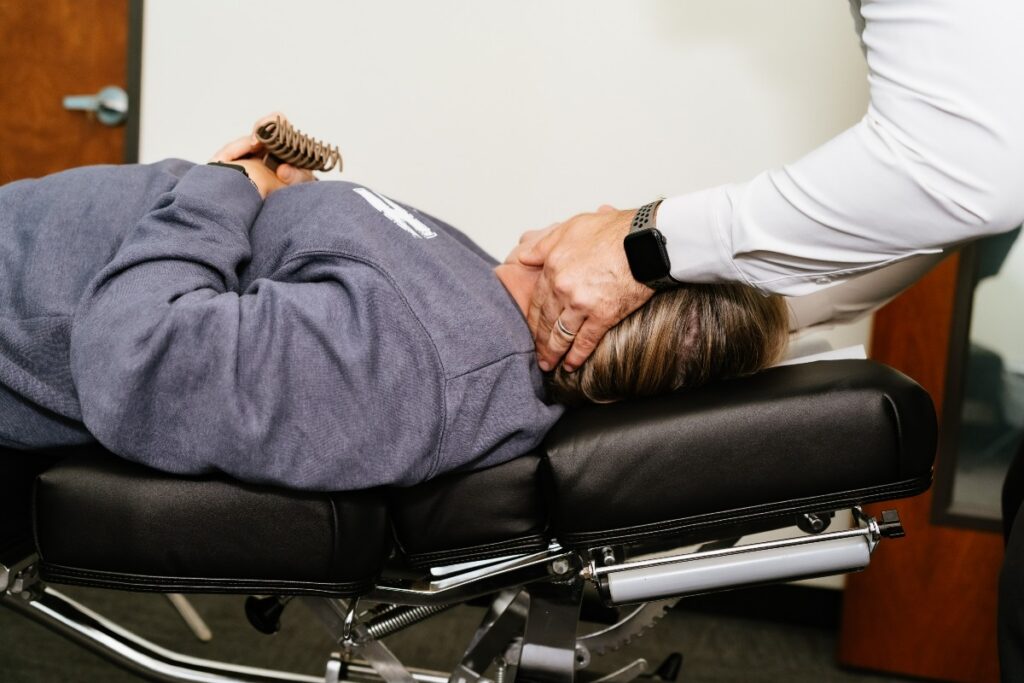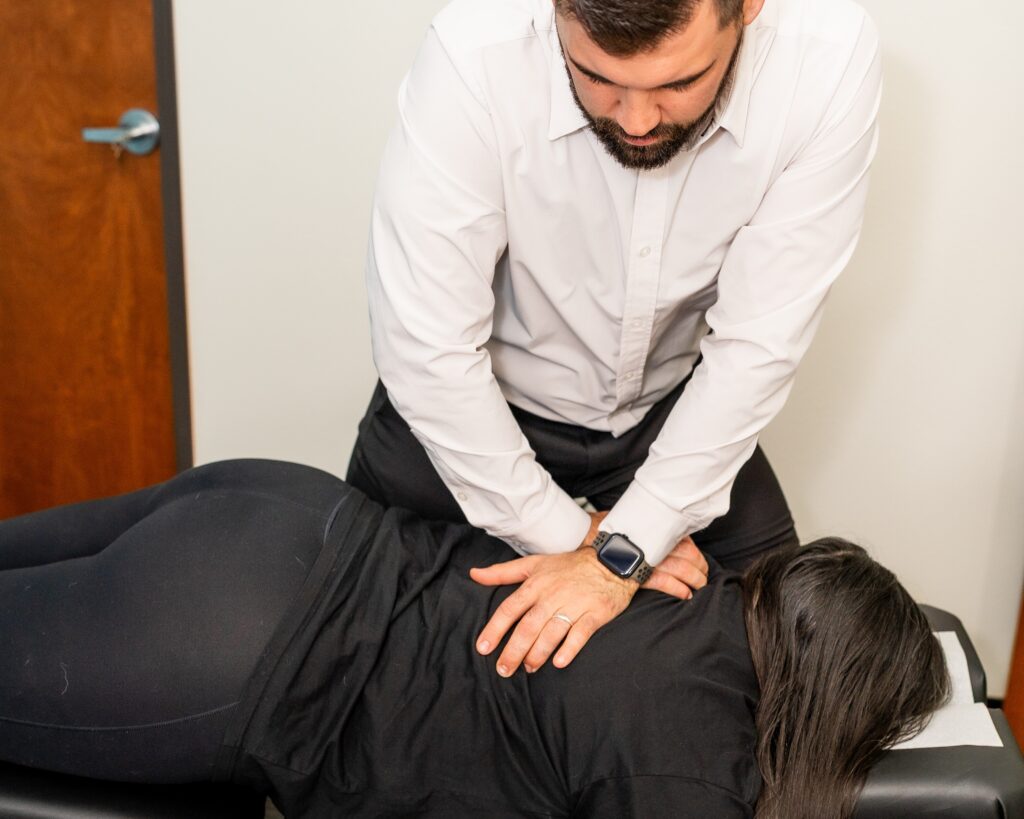

If you’re experiencing muscle strain or back pain, it can be daunting to figure out how to find relief. Many people are unsure about where to begin or which methods are truly effective. As a local chiropractor, I want to reassure you that there are several natural and holistic approaches that can significantly alleviate your discomfort.
From the importance of proper rest to specific exercises designed to strengthen and heal your body, each strategy plays a vital role in your recovery process. Chiropractic care focuses on enhancing your body’s innate ability to heal itself, reducing pain, and improving function.
Let’s delve into these methods together and explore how chiropractic adjustments, stretches, and lifestyle changes can help you feel better and regain your mobility sooner. Your journey to relief starts with understanding the options available to you!
Rest and Recovery
When you’re dealing with muscle strain or back pain, it’s crucial to prioritize rest and recovery to facilitate healing. Your body requires time to mend itself, so it’s important not to rush back into your usual activities. Pay attention to what your body is telling you and allow it the necessary downtime to recover properly. This means steering clear of strenuous exercises or heavy lifting that could aggravate your condition.
As a chiropractor, I recommend engaging in gentle movements and stretches that encourage blood circulation without putting additional strain on your body. Alternating between lying down and sitting in a supportive position can help relieve pressure on your back, making you feel more comfortable during the recovery process.
Don’t underestimate the significance of sleep in your healing journey. A good night’s rest is vital, so create a cozy sleeping environment. Using pillows strategically to support your back or knees can make a big difference in your comfort level.
Remember, healing takes time, and patience is essential. By prioritizing rest and recovery now, you’ll set yourself up for a more effective return to your daily activities in the future.
Embracing this natural healing approach will help you recover more swiftly and sustainably. If you have any questions about specific techniques or stretches that can aid your recovery, feel free to ask. I’m here to help guide you through this process.
Ice Therapy
As a local chiropractor, I want to share with you the benefits of ice therapy for managing muscle strain and back pain, particularly during the crucial early stages of an injury.
Applying ice can be a simple yet effective way to reduce swelling and numb pain, providing you with quick relief. Here are some important tips for using ice therapy effectively:
- Always use a barrier: To protect your skin, it’s essential to wrap the ice in a cloth or towel before applying it to the affected area.
- Pay attention to timing: For optimal results, apply ice for 15-20 minutes every hour as needed during the first 48 hours following an injury.
- Limit movement: While icing, try to keep the injured area as still as possible to prevent exacerbating the injury.
- Watch your skin: Be vigilant for any signs of frostbite or excessive discomfort. It’s important to prioritize your skin’s health during this process.
- Rest is crucial: Combining ice therapy with adequate rest will enhance your recovery and support the healing process.
By integrating ice therapy into your self-care routine, you can take significant steps toward alleviating pain and promoting healing naturally.
If you have any questions or need further guidance, feel free to reach out during your visit!
Heat Therapy
As a local chiropractor, I want to share with you how heat therapy can be incredibly effective in alleviating muscle strain and back pain. When you apply heat to the affected areas, it can significantly enhance blood circulation, help relax tense muscles, and provide relief from discomfort.
Let’s discuss some of the best methods for applying heat and the safety precautions you should keep in mind. Whether you’re using a heating pad, a warm towel, or taking a warm bath, it’s essential to ensure that the heat is at a comfortable level to avoid burns.
Always monitor the time you spend using heat, aiming for 15 to 20 minutes at a time.
Heat therapy is a natural and holistic approach to healing, and it can be a wonderful complement to your chiropractic care. If you have any questions or want to learn more about how heat therapy can fit into your treatment plan, feel free to ask during your next visit!
Benefits of Heat Therapy
As a local chiropractor, I want to share with you the benefits of heat therapy for alleviating muscle strain and back pain. Many people may not be familiar with how this natural healing method can enhance your recovery process.
Here are some key advantages of incorporating heat therapy into your routine:
- Increases blood flow: When you apply heat, it helps to dilate blood vessels, leading to improved circulation in the affected area. This increased blood flow brings essential nutrients and oxygen to your muscles, aiding in the healing process.
- Relaxes muscles: Heat is fantastic for relieving tension and stiffness in tight muscles. By applying heat, you can help your muscles relax, which is crucial for promoting overall mobility and comfort.
- Reduces pain: One of the remarkable benefits of heat therapy is its ability to diminish discomfort. It works by blocking pain signals to the brain, allowing you to experience relief from persistent aches and pains.
- Enhances flexibility: Warm muscles are more pliable, which means they can move more freely. This increased flexibility can help you perform daily activities with greater ease and reduces the risk of further injury.
- Promotes relaxation: The soothing effect of heat can help you unwind from the stresses of daily life. Reducing stress and anxiety is an essential part of healing, as both emotional and physical health are interconnected.
Incorporating heat therapy into your wellness routine can significantly enhance your recovery journey.
If you’re interested in exploring this and other natural healing methods, feel free to reach out, and together we can discuss how chiropractic care can support your overall health.
Best Heat Application Methods
As a local chiropractor, I often see patients looking for relief from muscle strain and back pain. One of the most effective ways to ease discomfort is through the application of heat. Let me share some of the best methods you can use at home.
One of the simplest options is a heating pad. You can easily place it on the affected area for about 15-20 minutes. This targeted heat can help soothe your muscles and alleviate pain.
Another great method is taking a warm bath or shower. The combination of steam and warmth can work wonders in relaxing tight muscles.
If you’re looking for something that provides sustained heat, a hot water bottle is an excellent choice. It allows you to focus warmth on specific areas that require extra attention.
For those of you who are always on the go, consider using heat wraps. These can be worn throughout the day, providing continuous relief without interrupting your routine.
Remember, it’s crucial to test the temperature of any heat application to prevent burns.
Also, after each session, be sure to give your skin a break. Incorporating regular heat therapy into your daily routine can significantly enhance circulation and promote healing.
As you explore natural healing methods, consider making heat application a part of your self-care regimen for optimal wellness.
Safety Precautions to Consider
As your local chiropractor, I want to emphasize the importance of safety when using heat therapy for muscle strain and back pain relief.
While this method can be highly beneficial, it’s crucial to take precautions to prevent any potential injuries. Here are some guidelines to keep in mind:
- Always opt for a heat source like a warm towel or heating pad, ensuring it’s not too hot to avoid burns.
- Limit the application of heat to 15-20 minutes at a time to prevent overheating your muscles.
- Make sure to place a barrier, such as a cloth, between your skin and the heat source to protect your skin.
- It’s best to avoid heat therapy if you’re experiencing swelling, bruising, or have any open wounds.
- If you have chronic pain or any underlying health conditions, please consult with me or another healthcare professional before starting heat therapy.
By following these safety tips, you can effectively incorporate heat therapy into your wellness routine while minimizing the risk of injury.
Your health and safety are my top priorities!
Gentle Stretching
As a local chiropractor, I want to emphasize the importance of gentle stretching in alleviating muscle strain and back pain. Incorporating light stretches into your daily routine is essential for your recovery and overall well-being. Not only does stretching improve flexibility, but it also enhances blood flow and helps relieve tension in your muscles.
I recommend starting with simple movements, such as neck rolls or shoulder shrugs, to help loosen your upper body. For your back, try gently bending forward while seated and reaching for your toes—hold that position for a few breaths to really feel the stretch.
Always pay attention to your body’s signals; if you experience any pain while stretching, please stop immediately. Aim to stretch at least once a day and gradually increase the duration and intensity as your comfort level improves. Remember to breathe deeply throughout each stretch; this will help your body relax and maximize the benefits.
Consistency is crucial, so I encourage you to make stretching a regular part of your daily routine. With patience and practice, many of my patients notice significant improvements in their comfort and mobility.
Embracing these gentle stretches can be a powerful step towards natural healing and enhanced wellness.
Over-the-Counter Pain Relievers
As a local chiropractor, I understand that there are times when stretching and natural healing alone may not provide the relief you need from muscle strain and back pain. In such situations, over-the-counter pain relievers can be a helpful addition to your self-care routine.
These medications can aid in reducing inflammation and easing discomfort, allowing you to return to your daily activities with greater ease. Here are some common options you might consider:
- Ibuprofen (Advil, Motrin): This is a non-steroidal anti-inflammatory drug (NSAID) that can effectively reduce both inflammation and pain, making it a popular choice for many patients.
- Acetaminophen (Tylenol): While it helps to alleviate pain, it doesn’t have anti-inflammatory properties. It can be a good option if you’re looking for straightforward pain relief.
- Naproxen (Aleve): Similar to ibuprofen, this NSAID offers longer-lasting relief from pain and inflammation, which can be beneficial for chronic issues.
- Aspirin: While it’s a more traditional option for pain relief, it’s important to note that it can sometimes cause stomach irritation, so use it with caution.
- Topical analgesics: These are creams or gels that you apply directly to the affected area, providing localized relief without the systemic effects of oral medications.
It’s crucial to always adhere to the recommended dosage instructions provided on the label. If your pain persists or worsens, don’t hesitate to reach out to a healthcare professional for a thorough evaluation and personalized advice.
At our clinic, we emphasize the importance of self-care, but we also believe in integrating various approaches to ensure you achieve the best possible outcome for your health. Remember, you don’t have to navigate this journey alone—I’m here to help you every step of the way!
Hydration and Nutrition
As your local chiropractor, I want to emphasize the importance of staying hydrated and nourishing your body with nutrient-rich foods to support your muscles and overall well-being.
Many patients may not realize how critical timing can be when it comes to eating, as it can significantly influence your recovery process.
Let’s delve into how proper hydration and nutrition can play a role in alleviating muscle strain and back pain, helping you feel your best and enhance the benefits of your chiropractic care.
Importance of Hydration
As a local Chiropractor dedicated to your well-being, I want to emphasize the crucial role hydration plays in your recovery from muscle strain and back pain.
While many people often think of exercise and rest as the primary solutions, staying properly hydrated is just as important. When your body is well-hydrated, it maintains optimal muscle function and supports the healing process.
On the other hand, dehydration can lead to tight muscles and cramping, which can exacerbate your discomfort. Here are some key reasons why prioritizing hydration is essential for your health:
- Reduces muscle stiffness: When you drink enough fluids, your muscles stay flexible and less prone to stiffness.
- Enhances nutrient delivery: Water is vital for transporting essential nutrients to your muscles, promoting healing and recovery.
- Aids in toxin removal: Staying hydrated helps your body effectively flush out waste products, reducing the risk of inflammation.
- Improves joint lubrication: Proper hydration ensures your joints are well-lubricated, allowing for smoother movement and less pain.
- Boosts overall energy: Adequate hydration can help prevent fatigue, allowing you to engage in activities that support your recovery.
By making hydration a priority, you can enhance your overall health and complement the benefits of chiropractic care.
Nutrient-Rich Foods
As a local chiropractor, I want to emphasize how important it’s to incorporate nutrient-rich foods into your diet, especially when recovering from muscle strain and back pain. These foods play a vital role in supporting your healing process.
Start by focusing on high-protein options, as they’re essential for repairing muscle tissue. Lean meats, fish, beans, and legumes are fantastic sources of protein that can help your body recover more efficiently.
Additionally, don’t overlook the importance of healthy fats. Foods like avocados and nuts not only provide essential nutrients but also help reduce inflammation, which can significantly aid in your healing.
Fruits and vegetables are equally critical in your recovery. They’re packed with antioxidants that combat oxidative stress, so be sure to include a colorful variety in your meals to maximize your nutrient intake.
Whole grains, such as brown rice and quinoa, are also important as they provide the energy you need to fuel your recovery journey.
Remember, balanced nutrition is a key component in your healing process. By prioritizing these nutrient-rich foods, you can help ease discomfort and enhance your overall recovery.
As your chiropractor, I encourage you to consider how your diet can work hand-in-hand with your chiropractic care for optimal healing.
Timing of Meals
As a local chiropractor dedicated to your overall wellness, I want to emphasize the importance of meal timing in your recovery journey, especially if you’re dealing with muscle strain or back pain.
The way you schedule your meals can significantly influence your healing process. Here are some insightful tips to consider:
- Opt for small, frequent meals throughout the day. This approach helps maintain your energy levels and supports your body’s healing efforts.
- Incorporate protein-rich snacks after physical activities. This can greatly assist in repairing your muscles, which is crucial for recovery.
- Prioritize hydration by drinking water consistently, particularly before and after any physical exertion. Staying hydrated is vital for optimal bodily function and recovery.
- Add anti-inflammatory foods to your daily diet. These can play a key role in reducing pain and inflammation, contributing to your overall healing.
- Be mindful of heavy meals close to bedtime. Eating lighter in the evening can promote better sleep quality, which is essential for recovery.
By integrating these nutritional strategies into your routine, you can enhance your healing process and support your body in its recovery from pain.
If you have any questions or need personalized advice, feel free to reach out during your next visit!
Proper Posture
As your local chiropractor, I want to emphasize the importance of maintaining proper posture for your overall health and well-being. Many people are unaware that how we sit, stand, and move can significantly impact our muscle function and spinal health, leading to muscle strain and back pain.
When you’re seated, it’s crucial to keep your shoulders back and relaxed, ensuring that your ears are aligned with your shoulders. Aim for your feet to rest flat on the floor, and make sure your knees are at a right angle. If you’re working at a desk, take a moment to adjust your chair and computer screen to keep your elbows close to your body while maintaining straight wrists.
When standing, distribute your weight evenly across both feet and avoid locking your knees. This proper alignment helps reduce unnecessary strain on your back and supports a healthy spine.
I understand that it might feel a bit awkward at first, but with consistent practice, proper posture will become second nature.
Remember, prioritizing your posture is a simple yet effective step toward alleviating pain and discomfort. As you incorporate these habits into your daily life, you may find lasting relief and improved overall health.
If you have any questions or need personalized guidance, don’t hesitate to reach out—I’m here to help you on your journey to better health through natural healing.
Strengthening Exercises
As a local chiropractor, I want to emphasize that while proper posture forms the cornerstone of spinal health, strengthening your muscles plays a vital role in preventing muscle strain and back pain.
By incorporating specific exercises into your routine, you can significantly enhance your stability and provide robust support for your spine. Here are some essential exercises I recommend:
- Planks: This exercise involves engaging your core by holding a plank position, which effectively strengthens both your abdominal and back muscles. It’s a fantastic way to build overall stability.
- Bridges: By lying on your back and lifting your hips, you can target and strengthen your glutes and lower back. This exercise is crucial for maintaining proper alignment in your spine.
- Bird-Dogs: Balancing on your hands and knees while extending one arm and the opposite leg helps improve core stability. This exercise promotes coordination and balance, which are key for spinal health.
- Wall Sits: Leaning against a wall and sliding down into a sitting position builds endurance in your leg and back muscles. It’s an effective way to train your body to support your spine during daily activities.
- Deadlifts: When performed with proper form, deadlifts are excellent for targeting your lower back, hamstrings, and glutes. They’re a powerful addition to any strength training routine.
Integrating these exercises into your daily regimen can significantly lower your risk of experiencing back pain.
Massage Therapy
As a local chiropractor, I’m here to share how massage therapy can play a vital role in your journey toward alleviating muscle strain and back pain. When combined with chiropractic care and strengthening exercises, massage therapy can significantly enhance your overall well-being. It works by increasing blood flow to the affected areas, which promotes healing and relaxation.
During a massage, a skilled therapist focuses on relieving tight muscles and knots, helping to reduce tension and improve your mobility. Depending on your unique needs, you may benefit from various techniques, such as deep tissue, trigger point, or Swedish massage. It’s important to communicate openly with your therapist about your pain levels and any areas of discomfort you may be experiencing. This collaboration can greatly enhance the effectiveness of your treatment.
I encourage you to consider incorporating regular massage sessions into your wellness routine, as consistency can lead to long-term relief. Additionally, you can practice self-massage techniques at home using tools like foam rollers or massage balls.
Always remember to listen to your body and avoid pushing through pain, as this can lead to further issues.
With the right approach, including chiropractic care and massage therapy, you can create a comprehensive strategy for managing and relieving back pain. Embracing these natural healing methods can lead to a healthier, more balanced life.
Consult a Healthcare Professional
When you’re experiencing muscle strain or back pain, it’s crucial to consult a healthcare professional, like a chiropractor, who specializes in natural healing methods.
As a chiropractor, my goal is to provide you with a thorough assessment of your condition. From there, I can develop a personalized treatment plan that addresses your unique needs and circumstances.
Additionally, I’ll offer follow-up care recommendations to help ensure you stay on the path to recovery. Embracing chiropractic care can lead to more holistic healing, helping your body regain its balance and function effectively.
Importance of Professional Assessment
As a local chiropractor, I want to emphasize the importance of consulting a professional when it comes to muscle strain and back pain. While it might be tempting to try and manage these issues on your own, an accurate assessment from a healthcare provider is crucial for your well-being.
Here’s why seeking chiropractic care can make a significant difference:
- Expert Evaluation: Chiropractors are trained to recognize and differentiate between various musculoskeletal conditions. This expertise allows us to identify the root cause of your pain, rather than just treating the symptoms.
- Diagnostic Tools: We may use specialized techniques, including physical examinations and, in some cases, imaging tests, to accurately assess your condition and pinpoint the underlying issues.
- Preventative Care: By addressing your pain early on, we can help you avoid chronic conditions and complications down the line, ensuring you stay active and healthy.
- Improved Recovery: A thorough understanding of your specific injury allows us to create a tailored treatment plan, which can lead to faster and more effective healing.
- Peace of Mind: Knowing the true cause of your pain can alleviate the anxiety that often comes with self-treatment and uncertainty. We’re here to guide you on your journey to recovery.
Don’t underestimate the value of a professional opinion. Chiropractic care focuses on natural healing and can provide you with the support you need to get back to living your life pain-free.
Tailored Treatment Plans
As a local chiropractor, I want to emphasize the importance of tailored treatment plans for effectively addressing muscle strain and back pain. Each person’s condition and needs are unique, which is why a personalized approach is essential.
The first step in creating a plan that works for you is scheduling a consultation with a healthcare professional like myself. During this initial visit, I’ll assess your specific symptoms, medical history, and lifestyle to understand your situation better.
Your personalized treatment plan may include various chiropractic techniques, physical therapy, and targeted stretching exercises designed specifically for you. Open communication is crucial throughout this process—let me know what’s working for you and what isn’t, as adjustments to your plan may be necessary along the way.
It’s important to remember that your treatment should evolve as you progress. Regular check-ins will allow us to monitor your improvement and make any needed changes.
Follow-Up Care Recommendations
As your local chiropractor, I want to emphasize the importance of effective follow-up care in managing muscle strain and back pain. This approach is crucial to ensuring that your recovery remains on track and that you achieve optimal health.
Consulting with a chiropractor allows you to receive personalized guidance and adjustments to your treatment plan tailored to your specific needs. Regular visits can significantly enhance your healing journey.
Here are some essential follow-up care recommendations I encourage you to consider:
- Schedule regular appointments: It’s important to keep your scheduled visits for progress evaluations. This allows us to monitor your healing and make necessary adjustments to your care plan.
- Communicate openly: If you notice any changes in your pain levels or symptoms, please let me know. Open communication helps us address any concerns promptly.
- Engage in rehabilitation exercises: I’ll provide you with specific exercises designed to strengthen your muscles and support your recovery. Consistent practice is key to regaining strength and flexibility.
- Discuss medications: If you have any questions or concerns about your medications or potential side effects, we can address them together. Understanding your treatment is vital to your overall healing.
- Stay informed: I’ll keep you updated on the latest treatment options and therapies available. Being informed can empower you to make the best choices for your health.
Conclusion
As a local chiropractor, I want to share some valuable tips to help alleviate muscle strain and back pain, especially if you’re new to chiropractic care and natural healing. First and foremost, it’s essential to prioritize rest to allow your body to heal. Incorporating ice and heat therapy into your routine can provide significant relief—ice helps reduce inflammation, while heat promotes blood flow and relaxation.
Gentle stretching and strengthening exercises are crucial for supporting your spine and muscles. I often recommend specific movements tailored to your needs, which can help improve flexibility and strength over time. Additionally, maintaining proper posture is vital; it can make a big difference in preventing further strain and discomfort.
Massage therapy can also be an excellent complementary treatment for easing tension and pain. If you find that your discomfort continues despite trying these methods, I encourage you to consult with a healthcare professional, like myself, who can provide personalized guidance and a treatment plan suited to your situation. By integrating these practices into your daily life, you’re taking important steps toward feeling better and restoring your mobility.