
As a local chiropractor, I want to assure you that if you’re experiencing lower back pain, you’re not alone in this struggle. Many individuals encounter discomfort that can disrupt their daily activities. The good news is that there are natural and effective techniques to help manage and alleviate this pain without the need for medication.
Chiropractic care focuses on the body’s innate ability to heal itself, and I encourage you to consider a holistic approach to your lower back pain. From specific stretching exercises that improve flexibility to ergonomic adjustments in your workspace, these methods can significantly enhance your comfort and well-being.
Are you ready to learn about the best approaches for relief? Let’s delve into some of the most effective techniques that I often recommend to my patients, tailored specifically to your needs. Together, we can work towards a pain-free life through natural healing.
Stretching Exercises
As a local chiropractor, I want to emphasize the importance of incorporating stretching exercises into your daily routine, especially if you’re experiencing lower back pain. These exercises are a natural way to improve flexibility, reduce tension, and promote better posture—key components in alleviating discomfort.
I recommend starting with gentle stretches that specifically target the lower back, hips, and hamstrings. One effective move is the cat-cow stretch, which helps to mobilize your spine and ease stiffness. Another beneficial stretch is the seated forward bend, which works to elongate the lower back.
Remember to hold each stretch for at least 20-30 seconds and focus on deep, calming breaths to enhance relaxation.
The child’s pose is another fantastic stretch that not only gently stretches your back but also provides a soothing, calming effect. It’s crucial to listen to your body during these stretches; if you experience any pain, don’t push yourself too hard—back off and modify the movement as needed.
By consistently incorporating these stretches into your routine, you can gradually improve your mobility and reduce your pain levels, making everyday activities much more manageable.
I encourage you to integrate these stretches into your daily life for the best results, and don’t hesitate to reach out if you have any questions or need guidance on proper technique. Your path to natural healing and relief from discomfort can start with these simple yet effective practices.
Strengthening Workouts
As a local chiropractor, I want to emphasize the importance of core stability exercises in your strengthening workouts.
These exercises are crucial for supporting your lower back and maintaining proper alignment. Additionally, incorporating flexibility and stretching routines into your fitness regimen can greatly enhance your overall performance and help prevent injuries.
Moreover, engaging in resistance training can provide substantial benefits, allowing you to build strength and resilience in your back.
By integrating these practices into your routine, you not only support your spine but also promote natural healing and well-being.
Core Stability Exercises
As a local chiropractor, I want to share the importance of core stability exercises for your overall health and well-being, especially if you’re experiencing lower back pain.
These exercises are designed to strengthen the muscles surrounding your abdomen, hips, and lower back, providing essential support for your spine.
Incorporating movements such as planks, bridges, and bird-dogs into your routine can significantly enhance your core strength.
It’s crucial to start slowly and focus on maintaining proper form to prevent any injuries. I recommend aiming for short sessions a few times a week and gradually increasing the intensity as your strength builds.
Consistency is vital in seeing results, so I encourage you to commit to these exercises.
Not only will this help alleviate your pain, but it will also improve your posture and balance, making daily activities more manageable and enjoyable.
If you have any questions or need guidance on these exercises, please don’t hesitate to reach out. Together, we can work towards a healthier, pain-free life!
Flexibility and Stretching
As a local chiropractor, I want to emphasize that managing lower back pain involves more than just strengthening your core; flexibility and stretching play a crucial role in your overall well-being.
By integrating these practices into your daily routine, you can alleviate tension, enhance mobility, and promote a healthier spine. Here are some effective flexibility and stretching techniques that I recommend:
- Cat-Cow Stretch: This dynamic movement helps to alternate between arching and rounding your back, which improves spinal flexibility and encourages proper alignment.
- Child’s Pose: A gentle and restorative stretch, Child’s Pose relaxes your lower back and hips, providing relief from tension and stress.
- Hamstring Stretch: Many people experience lower back pain due to tight hamstrings. By regularly stretching these muscles, you can help reduce tension and improve your overall posture.
- Piriformis Stretch: Targeting the deep hip muscles, this stretch can alleviate strain in the lower back and enhance your mobility.
I encourage you to make these stretches a regular part of your daily routine.
By doing so, you’ll likely notice a greater sense of comfort, improved flexibility, and an overall boost in your mobility.
Resistance Training Benefits
As a local chiropractor, I want to emphasize the importance of not only flexibility and stretching for managing lower back pain but also the significant benefits of incorporating resistance training into your routine.
Strengthening the muscles that support your spine is crucial for improving stability and reducing discomfort. By focusing on your core, glutes, and back muscles, you’ll not only enhance your overall posture but also lower your risk of injury.
Resistance training can dramatically increase your endurance, making everyday activities more manageable and less painful. Furthermore, it promotes better blood circulation to your muscles, which is essential for healing and recovery.
It’s vital to start with lighter weights and prioritize proper form to avoid injury. As you progress in your resistance training, you’ll build strength that can contribute to long-term relief from lower back pain.
I encourage you to integrate these exercises into your health regimen and experience the positive changes they can bring. Remember, maintaining a strong and healthy spine is key to your overall well-being!
Hot and Cold Therapy
As a local chiropractor, I’d like to share some insights on how hot and cold therapy can be beneficial for managing lower back pain. Many of my patients have found these techniques to be incredibly effective in alleviating discomfort without relying solely on medication.
When you apply heat to your lower back, it can help relax tight muscles and promote better blood circulation, which is essential for healing.
On the other hand, cold therapy is excellent for reducing inflammation and numbing sharp pain, especially after a strenuous activity or injury.
To get the most out of these therapies, I recommend alternating between heat and cold, depending on your symptoms. For instance, you might start with a heating pad for 15-20 minutes to ease muscle tension, followed by an ice pack to combat any swelling. This combination can create a powerful synergy in your recovery process.
If you’re new to chiropractic care and natural healing, I encourage you to explore these methods. They’re simple, cost-effective, and can be easily incorporated into your daily routine for optimal results.
Benefits of Hot Therapy
As a local chiropractor, I want to introduce you to the benefits of hot therapy, especially if you’re dealing with lower back pain. Many of my patients have found relief through this natural approach, and I believe it can help you too.
Here are four key advantages of incorporating heat into your pain management routine:
- Enhanced Blood Flow: Applying heat to your lower back increases circulation. This is crucial for healing and helps to reduce muscle stiffness, allowing your body to recover more effectively.
- Muscle Relaxation: Heat therapy promotes relaxation in tight muscles. When your muscles are warm, they can let go of tension and discomfort, which is essential for alleviating lower back pain.
- Pain Relief: Heat can interfere with the pain signals sent to your brain, offering immediate relief. This can make a significant difference in your day-to-day comfort levels.
- Increased Flexibility: Utilizing heat helps to loosen up muscles and joints, which can enhance your range of motion. This is particularly beneficial for making daily activities easier and more enjoyable.
Incorporating hot therapy into your wellness routine is a simple yet effective way to manage lower back pain naturally.
I encourage you to consider this method as part of your journey to better health and mobility.
Advantages of Cold Therapy
As a local chiropractor, I want to share some insights on the advantages of cold therapy for managing lower back pain, especially when combined with hot therapy.
Cold therapy is a powerful tool in your recovery toolkit. It works by constricting blood vessels, which can significantly reduce inflammation and provide immediate relief from swelling. This is particularly beneficial for those experiencing acute pain.
You’ll likely find that using cold packs can help alleviate muscle spasms, leading to improved mobility and making it easier for you to engage in daily activities without discomfort.
After physical activity or long periods of sitting, applying cold can be especially soothing for overworked muscles.
Incorporating cold therapy into your pain management routine can greatly enhance your overall recovery and complement the soothing effects of heat therapy.
I encourage you to consider alternating between hot and cold treatments, as this balanced approach can be particularly effective for alleviating lower back pain.
Understanding these techniques can empower you to take an active role in your healing journey.
Application Techniques Explained
As your local chiropractor, I want to help you understand some effective techniques for managing lower back pain through hot and cold therapy. These methods can be incredibly beneficial in alleviating discomfort, and knowing how to use them properly can make a significant difference in your relief.
- Cold Therapy: When you experience inflammation, applying an ice pack wrapped in a towel for 15-20 minutes can be very effective. This helps numb the area and reduce swelling, which is crucial in the initial stages of pain.
- Heat Therapy: On the other hand, if your muscles feel tight or tense, using a heating pad or a warm towel for 15-20 minutes can provide soothing relief. Heat encourages blood flow to the area, promoting relaxation and healing.
- Timing: For optimal results, I recommend alternating between hot and cold treatments every few hours. This combination can help manage pain effectively and support your recovery process.
- Frequency: Depending on your pain levels, using these therapies 2-3 times a day can be beneficial. It’s important to listen to your body and adjust the frequency based on how you feel.
By incorporating these techniques into your routine, you can enhance your comfort and support your body’s natural healing process.
If you have any questions or need further guidance, please feel free to reach out during your next visit!
Proper Posture Techniques
As a local chiropractor, I want to emphasize the significant impact that proper posture can have on your overall health, particularly when it comes to preventing and managing lower back pain. Many people don’t realize that the way we sit or stand can greatly influence our spinal health.
It’s important to be mindful of your spine’s alignment. When sitting, ensure your shoulders are relaxed, your chest is open, and your head is positioned directly over your spine. Your feet should be flat on the floor, and your knees should form a right angle. Utilizing a chair that offers support for your lower back is also crucial.
When standing, it’s vital to distribute your weight evenly across both feet and to avoid locking your knees. If you need to lift something heavy, remember to bend your knees and keep the object close to your body, which helps minimize strain on your back.
Additionally, don’t forget to take regular breaks to stretch and move around throughout the day. By incorporating these posture techniques into your daily routine, you can significantly lower your risk of experiencing lower back pain and foster a healthier spine.
Embracing these natural practices aligns perfectly with the principles of chiropractic care, which focuses on promoting wellness and healing through proper alignment and function of the body.
Ergonomic Adjustments
As a local chiropractor, I want to share some valuable insights on how making ergonomic adjustments in your workspace can significantly alleviate lower back pain.
It’s essential to prioritize the support your body needs, especially if you spend long hours sitting at a desk.
First and foremost, ensure that your office chair provides adequate support for your lower back. A chair that encourages proper posture can help maintain the natural curve of your spine, reducing strain on your muscles and ligaments.
Next, consider the height of your desk. It should be adjusted to a level that allows your arms to rest comfortably at your sides while typing or working. This helps prevent unnecessary tension in your back and shoulders.
Lastly, positioning your monitor at eye level is crucial. When your screen is too high or too low, you may find yourself leaning forward or straining your neck, which can lead to discomfort over time.
By implementing these simple ergonomic changes, you can create a more supportive environment for your body and promote better overall health.
Office Chair Design
As a local chiropractor, I want to emphasize the importance of an ergonomic office chair in preventing lower back pain, particularly if you spend extended hours at your desk.
Making the right adjustments to your chair can greatly enhance your comfort and support, which are key in maintaining good posture and spinal health. Here are some essential adjustments to consider:
- Lumbar Support: It’s crucial to adjust the lumbar support to align with the natural curve of your lower back. This will help promote proper posture and reduce strain on your spine.
- Seat Height: Ensure that your feet are flat on the floor and your knees are positioned at a 90-degree angle. This alignment is vital for maintaining proper circulation and reducing pressure on your lower back.
- Armrests: Properly set armrests can help relax your shoulders, minimizing tension in your neck and upper back. This adjustment can significantly reduce discomfort and prevent long-term issues.
- Seat Depth: The seat depth should allow for a gap of about 2-4 inches between the back of your knees and the edge of the seat. This spacing is important for circulation and overall comfort during your workday.
Desk Height Adjustment
As a local chiropractor, I want to emphasize how important desk height adjustment can be for your overall comfort and productivity. When your desk is set at the appropriate height, it allows you to maintain a neutral wrist position while typing, which can significantly reduce strain on your back and neck. Ideally, your elbows should form a 90-degree angle, enabling your forearms to rest comfortably.
If your desk is too high, you may find yourself hunching your shoulders, leading to tension and discomfort. Conversely, if it’s too low, you may end up slouching, which can also create problems over time. Both scenarios can put you at risk for discomfort and potential injury, which is something we want to avoid.
By adjusting your desk height, you can ensure that your feet are flat on the ground, helping to distribute your weight evenly. This simple adjustment not only creates a more ergonomic workspace, but it can also enhance your comfort, boost your focus, and improve your efficiency throughout the day.
Monitor Positioning Tips
As a local chiropractor dedicated to enhancing your overall well-being, I want to emphasize the importance of proper monitor positioning in your workspace. Many people overlook this, but it can play a significant role in preventing discomfort and strain, particularly in the neck and back.
Here are some essential tips to help you position your monitor ergonomically:
- Eye Level: Ensure that the top of your monitor screen is at or just below your eye level. This helps maintain a neutral neck posture, reducing the likelihood of tension and pain in that area.
- Distance: Keep your monitor approximately an arm’s length away. This distance is beneficial for your eye health and can help minimize unnecessary strain.
- Tilt: A slight backward tilt of your monitor—about 10-20 degrees—can work wonders. This adjustment not only reduces glare but also promotes a more comfortable viewing angle.
- Centering: Make sure your monitor is centered directly in front of you. This practice prevents you from twisting your neck, which can lead to discomfort over time.
By implementing these straightforward adjustments, you may experience a considerable improvement in your comfort levels while working.
Massage Therapy
As a local chiropractor, I want to share the benefits of massage therapy for alleviating lower back pain. This holistic approach focuses on applying pressure to tense muscles, which promotes relaxation and enhances blood circulation. This can significantly reduce pain and stiffness in your back.
During a massage, the therapist will target specific areas where you’re feeling discomfort. This release of built-up tension can improve your mobility and ease your pain. Techniques such as deep tissue and Swedish massage are particularly effective, as they work to break up adhesions in muscle fibers and promote greater flexibility.
Incorporating regular massage sessions into your routine can also help prevent future flare-ups by keeping your muscles loose and relaxed.
Moreover, massage therapy has the added benefit of boosting your mood and alleviating stress, both of which can influence how you perceive pain.
If you’re looking to not only address immediate discomfort but also enhance your overall wellness, I encourage you to consider scheduling a session with a qualified massage therapist. It’s an excellent complement to chiropractic care, and your back will certainly appreciate it!
Chiropractic Care
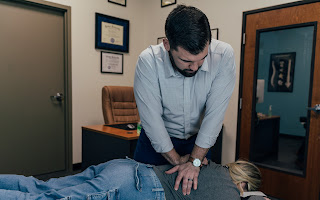
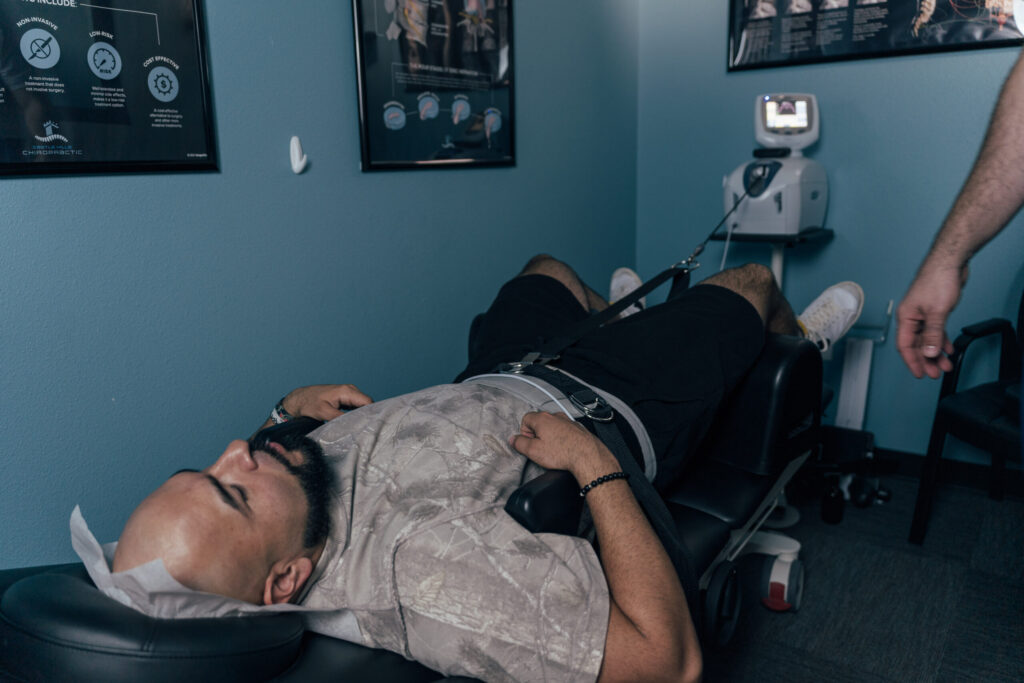
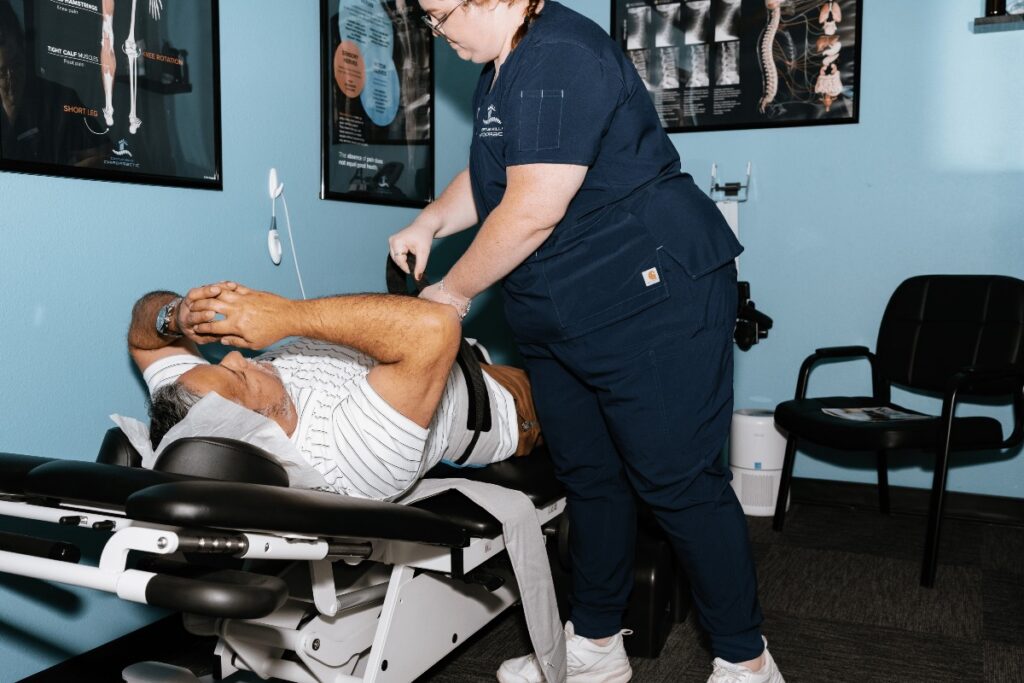
As a local chiropractor, I understand that many of you may have experienced the soothing benefits of massage therapy. You might be curious about how chiropractic care can complement that experience and enhance your journey toward relief from lower back pain.
Chiropractic care is centered on diagnosing and treating musculoskeletal issues, with a particular emphasis on spinal alignment. By focusing on the root causes of your discomfort, we can help you achieve significant improvements in your overall well-being.
Here are four key ways chiropractic care can make a difference for you:
- Spinal Adjustments: As chiropractors, we perform gentle adjustments to realign the spine, which can relieve pressure on nerves and reduce pain.
- Tailored Pain Management: We create personalized treatment plans that may include specific exercises and stretches designed to meet your unique needs and help you manage pain effectively.
- Enhanced Mobility: Regular chiropractic adjustments can improve your range of motion, making everyday activities more comfortable and enjoyable.
- Preventive Care: We also focus on educating you about proper posture and ergonomics, equipping you with the knowledge to prevent future injuries.
By integrating chiropractic care with your current treatments, you can adopt a comprehensive approach to managing lower back pain naturally and effectively.
I’m here to help guide you on this path to better health!
Acupuncture
If you’re looking for a natural and effective way to alleviate lower back pain, I’d like to introduce you to acupuncture, a therapy that complements chiropractic care beautifully.
This traditional Chinese practice involves the insertion of thin needles at specific points on the body, aimed at promoting healing and relieving discomfort. Many of my patients have found that acupuncture can effectively release muscle tension and enhance blood circulation, both crucial for pain relief.
During an acupuncture session, you can expect to relax as a trained acupuncturist skillfully places the needles. While you may feel a slight pinch or a tingling sensation, it shouldn’t be painful.
Research indicates that acupuncture can stimulate the release of endorphins, your body’s natural painkillers, which can provide additional relief from discomfort.
To achieve the best possible results, I encourage my patients to consider combining acupuncture with chiropractic adjustments and other treatment methods like physical therapy or exercise.
This integrated approach can enhance your overall healing process. Always consult with a healthcare professional, like myself, before starting any new treatment to ensure it aligns with your specific health needs.
Over-the-Counter Pain Relievers
When it comes to managing lower back pain, many patients often seek solutions that are both effective and safe. As a local chiropractor, I want to educate you on some over-the-counter pain relievers that may serve as a helpful initial approach to alleviate discomfort.
These medications can assist in reducing pain and inflammation, allowing you to engage in your daily activities with more ease. Here are a few options to consider:
- Ibuprofen – This nonsteroidal anti-inflammatory drug (NSAID) is known for its ability to relieve pain and decrease swelling, making it a popular choice for many individuals dealing with back pain.
- Acetaminophen – Often recommended for its pain-relieving properties, acetaminophen is gentler on the stomach, although it doesn’t address inflammation like NSAIDs do.
- Naproxen – Another effective NSAID, naproxen offers longer-lasting relief, making it suitable for those experiencing more persistent pain.
- Topical analgesics – These are creams or patches that can be applied directly to the skin over the painful area. They target localized discomfort without producing systemic effects, which can be beneficial for many patients.
While these medications can be helpful, I always recommend consulting with your healthcare provider, including your chiropractor, before starting any new medication.
This is particularly important if you have existing health conditions or are taking other medications.
Mindfulness and Relaxation Techniques
As a local chiropractor, I want to emphasize the importance of incorporating mindfulness and relaxation techniques into your daily routine, especially if you’re dealing with lower back pain. By directing your attention to your breath and becoming more aware of your body, you can alleviate tension and stress that can often worsen discomfort.
One effective method is deep breathing exercises. Simply inhale deeply through your nose, hold it for a moment, and then exhale slowly through your mouth. This straightforward practice not only calms your mind but also helps to relax your muscles, which can be particularly beneficial for those experiencing back pain.
I also encourage you to try guided imagery or meditation. By visualizing a calming scene, you can divert your attention away from pain and foster a sense of relaxation.
Additionally, engaging in gentle styles of yoga can enhance your flexibility and strength while promoting mindfulness in your movements.
Integrating these techniques into your daily routine can provide you with valuable tools to manage pain more effectively. Remember, consistency is vital. Over time, you may notice significant improvements in your overall well-being.
As your chiropractor, I’m here to support you on this journey to better health, combining these practices with chiropractic care for optimal results.
Conclusion
As a local chiropractor, I want to share some valuable techniques to help you manage and alleviate lower back pain effectively. It’s important to understand that incorporating practices like stretching, strengthening exercises, and maintaining proper posture are foundational steps on your path to recovery.
In addition to these, I encourage you to explore hot and cold therapy, which can provide immediate relief, as well as ergonomic adjustments to your workspace or daily activities that can help prevent further strain. Complementary treatments such as chiropractic care and acupuncture can also play a significant role in your overall wellness.
By adopting these strategies, you’re not just addressing your pain; you’re investing in your long-term health and well-being. I invite you to take charge of your back health today, and together, we can work towards helping you enjoy a more comfortable and active lifestyle. Remember, you don’t have to navigate this journey alone—I’m here to support you every step of the way!