
If you’re experiencing lower back pain, I want you to know that you’re not alone in this struggle. Many individuals are seeking effective relief, and as a local chiropractor, I am here to guide you through some licensed techniques that can help address both the symptoms and the underlying causes of your discomfort.
Chiropractic adjustments are one of the most effective methods we use to restore proper alignment to the spine, which can alleviate pain and improve mobility. In addition to chiropractic care, techniques such as acupuncture can also provide relief by promoting natural healing and reducing tension in the muscles.
Ergonomic changes to your workspace and daily activities are crucial as well. By making simple adjustments, we can help reduce strain on your back and prevent future issues.
It’s important to understand which techniques resonate with your specific needs. Exploring these options can lead to significant improvements in your comfort and mobility. I’m here to help you navigate these methods and find the best path to relief. Let’s take a closer look at how these approaches can benefit you.
Chiropractic Adjustments
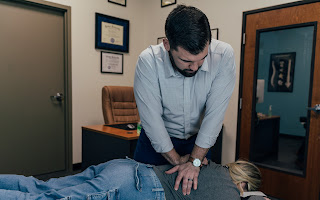
As a local chiropractor, I want to help you understand how chiropractic adjustments can provide significant relief for lower back pain. Many people are unaware that these adjustments specifically target misalignments in the spine, which can hinder your body’s natural function and mobility. By realigning the vertebrae, we can effectively reduce nerve tension and improve blood circulation, leading to decreased pain and inflammation.
When you come in for a visit, I’ll take the time to assess your individual condition and develop a personalized treatment plan tailored just for you. This often involves a series of adjustments, which may incorporate gentle manipulations and techniques designed to meet your unique needs.
Many of my patients report experiencing immediate relief after their first session, while others notice gradual improvements as we work together.
Chiropractic care goes beyond simply alleviating pain; it also promotes overall wellness. By addressing the underlying causes of your discomfort, we can help prevent future episodes of lower back pain.
Regular adjustments can keep your spine aligned and significantly enhance your quality of life, enabling you to participate in daily activities with greater ease and comfort. If you’re curious about how chiropractic care can benefit you, I invite you to reach out and learn more!
Physical Therapy
Chiropractic care can be a transformative approach for individuals struggling with lower back pain, as it emphasizes the importance of spinal alignment and the overall health of your musculoskeletal system.
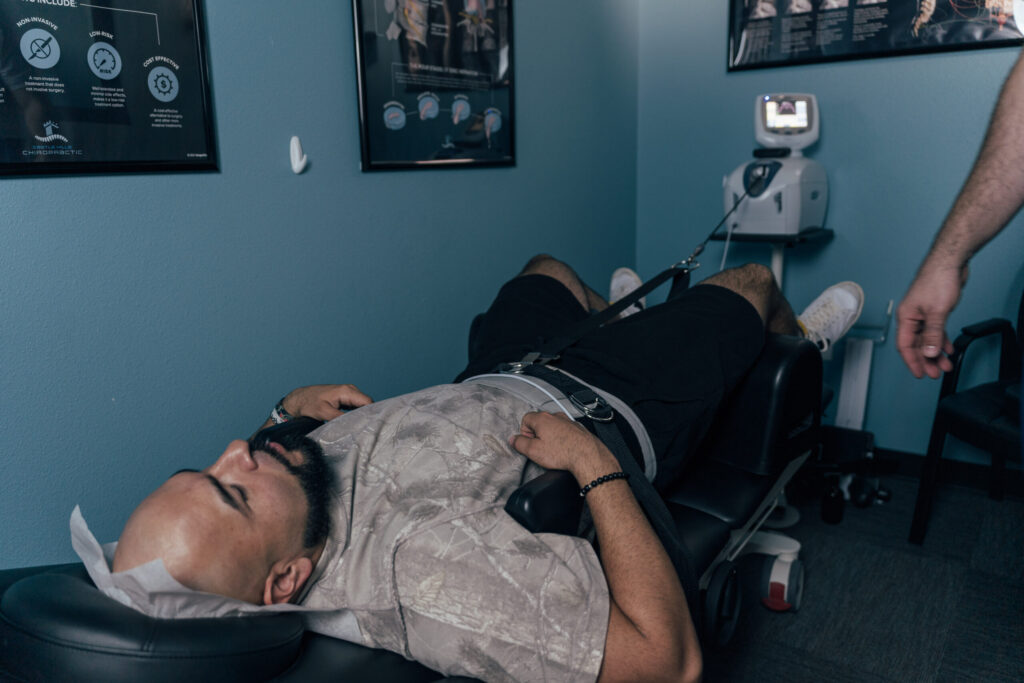
Through a combination of spinal adjustments and personalized exercises, we focus on enhancing flexibility, strength, and posture, which can significantly reduce discomfort. During your initial visit, I’ll conduct a thorough assessment of your condition to create a customized treatment plan that addresses your unique needs.
You will learn about proper body mechanics, which are crucial for your daily activities, helping to minimize strain on your back. Techniques such as spinal manipulation, stretching, and strengthening exercises can improve your range of motion and stability, making everyday tasks much more manageable.
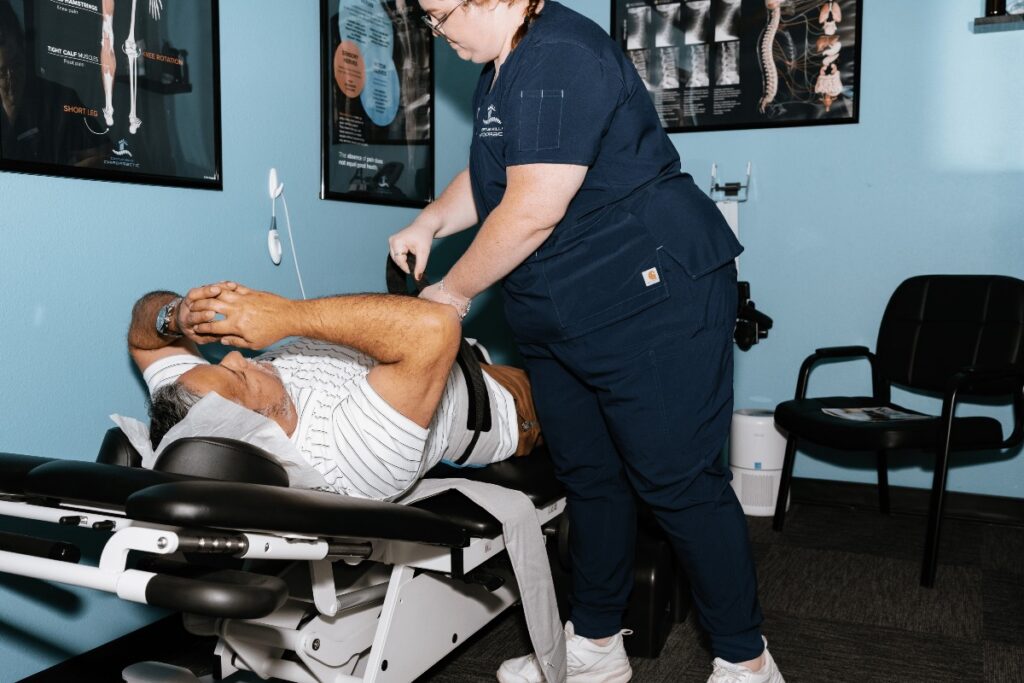
Additionally, I may incorporate manual therapy techniques, which involve hands-on treatment to relieve tension and enhance mobility.
Regular chiropractic sessions can lead to long-term relief and help prevent future injuries. By embracing chiropractic care, you not only tackle your immediate pain but also gain valuable tools to maintain a healthier spine and overall well-being.
Take the first step toward a pain-free life with this holistic approach to healing!
Massage Therapy
As a local chiropractor, I want to share how massage therapy can be an effective method to help alleviate lower back pain. By focusing on muscle tension and promoting relaxation, massage therapy complements the chiropractic care we provide.
When you receive a massage, the therapist employs various techniques to manipulate your soft tissues, which can enhance blood flow and reduce stiffness in the muscles surrounding your spine. This not only helps relieve discomfort but also aids in the release of endorphins, your body’s natural painkillers.
Many of my patients find that regular massage sessions improve their flexibility and range of motion, making everyday activities much more manageable.
There are various styles of massage, such as Swedish and deep tissue, which can be tailored to meet your specific needs. I encourage open communication with your massage therapist about your pain levels and preferences to ensure you receive the most effective treatment.
Incorporating massage therapy into your wellness routine can be a valuable addition to your overall lower back pain management strategy.
However, it’s always wise to consult with your healthcare provider, including me, before starting any new treatment to ensure it aligns well with your overall plan for relief and healing.
Acupuncture
As a local Chiropractor, I want to introduce you to the benefits of acupuncture as a complementary approach to relieving lower back pain.
This ancient practice targets specific points on the body to enhance energy flow and alleviate discomfort, working in harmony with chiropractic adjustments.
Let’s take a closer look at how acupuncture operates, its advantages for pain relief, and how often you might consider incorporating it into your wellness routine alongside chiropractic care.
How Acupuncture Works
As a local chiropractor, I want to share with you how acupuncture can be an effective tool for relieving lower back pain. This ancient practice involves the insertion of thin needles into specific points on your body that correspond to energy pathways, known as meridians. These points are integral in restoring balance and promoting healing within your body.
When the needles are carefully placed, your body responds by increasing blood flow and releasing natural pain-relieving chemicals, such as endorphins. This not only helps to reduce inflammation in the affected area but also improves mobility, allowing you to move more freely and comfortably.
By targeting specific acupuncture points related to lower back pain, this practice works to alleviate discomfort and enhance your overall well-being. Many of my patients report feeling relaxed and rejuvenated after a session, which makes acupuncture a wonderful holistic approach to managing pain alongside chiropractic care.
I encourage you to consider how acupuncture can complement your journey to better health and pain relief. Together with chiropractic adjustments, it can play a vital role in achieving a balanced and pain-free lifestyle.
Benefits for Pain Relief
As a local chiropractor, I understand that many of you may be seeking effective solutions for pain relief, particularly when it comes to lower back pain. One option worth considering is acupuncture, which offers a variety of benefits that can complement our chiropractic care.
Acupuncture is known for its ability to reduce inflammation and alleviate muscle tension, allowing for greater mobility. This is crucial in addressing the discomfort you might be experiencing. Additionally, the practice stimulates your body’s natural painkillers, fostering a sense of overall well-being that can enhance your quality of life.
One of the significant advantages of acupuncture is its ability to improve circulation, which can accelerate healing in the areas affected by pain. Many individuals report experiencing lasting relief after just a few sessions, which is encouraging for those looking for effective pain management.
Moreover, acupuncture takes a holistic approach by addressing not only the symptoms but also the underlying causes of your pain. This aligns well with chiropractic care, where we aim to treat the root of the issue rather than just masking the symptoms.
It’s important to note that acupuncture has minimal side effects, making it a safe alternative or a complementary option to traditional pain relief methods.
Treatment Frequency Recommendations
When exploring chiropractic care as a part of your pain relief strategy, understanding the frequency of treatments can significantly impact your results. Typically, we recommend starting with one to two sessions per week, especially during the initial stages of your care. This approach allows your body to respond effectively to the adjustments and aids in alleviating pain more rapidly.
After a few weeks, we can evaluate your progress together and adjust the frequency of your visits as needed. Many patients find that periodic maintenance sessions, perhaps once a month, help keep their symptoms under control and promote overall well-being.
It’s essential to listen to your body and share your experiences with us. We’re here to tailor the frequency of your treatments to better fit your specific needs and ensure you receive the maximum benefits from your chiropractic care.
Yoga and Stretching
As you begin to explore the benefits of yoga and stretching, it’s important to understand how these practices can significantly alleviate lower back pain. Incorporating yoga into your routine not only enhances flexibility but also strengthens your core and improves your posture—key elements for maintaining a healthy spine.
I recommend starting with gentle stretches like the Cat-Cow pose. This foundational movement warms up your spine and helps release tension. The Child’s pose is another excellent choice that provides a calming stretch for your lower back. Additionally, incorporating poses such as Downward Dog and Cobra can effectively lengthen and strengthen the muscles in your back.
For optimal benefits, aim to practice for at least 15-30 minutes several times a week. It’s crucial to listen to your body during these sessions; avoid any movements that cause discomfort.
With consistent practice, you may notice improved ease in your daily activities and a reduction in pain levels. By making yoga and stretching a regular part of your wellness routine, you’re taking proactive steps toward better long-term back health.
Medications
As a local chiropractor, I want to share how important it’s to consider both natural healing methods and medications when addressing lower back pain. While practices like yoga and stretching can significantly aid in relieving discomfort, there are times when medications can provide immediate relief and support your recovery journey.
For instance, over-the-counter options such as ibuprofen or acetaminophen can be effective in reducing inflammation and alleviating pain. These medications can help you manage your symptoms quickly, allowing you to engage in daily activities with greater ease.
If your pain continues despite these measures, it’s important to consult with your healthcare provider. They may recommend stronger medications, such as muscle relaxants or prescription anti-inflammatories, which can assist in easing acute pain. This can be particularly beneficial if you’re planning to participate in physical therapy or other recovery methods.
It’s essential to follow your healthcare provider’s guidance when using any medication. Be aware of potential side effects and interactions, especially if you’re taking other prescriptions.
However, I encourage you to view medications as just one part of a comprehensive approach to managing your lower back pain. Incorporating lifestyle changes, physical therapy, and alternative therapies—such as chiropractic care—can greatly enhance your overall well-being.
Heat and Cold Therapy
As a local chiropractor, I often guide my patients on how heat and cold therapy can play a vital role in alleviating lower back pain. These straightforward techniques can’t only provide immediate relief but also support your healing journey.
When you apply heat to your lower back, it works wonders by relaxing tight muscles and enhancing blood flow. This increased circulation helps ease stiffness and can accelerate your recovery process. Consider using a warm compress or a heating pad when you’re dealing with muscle tension—many of my patients find this approach incredibly effective.
On the flip side, cold therapy serves an equally important purpose. It numbs the affected area, effectively reducing inflammation and swelling. Ice packs or cold compresses are particularly beneficial right after an injury occurs.
Additionally, alternating between heat and cold can significantly enhance your relief, as this method stimulates circulation while soothing pain.
It’s essential, however, to limit your exposure to both heat and cold to prevent skin damage. By incorporating these therapies into your daily routine, you can take an active role in managing your lower back pain and significantly improve your overall comfort.
Transcutaneous Electrical Nerve Stimulation (TENS)
As your local chiropractor, I want to introduce you to a valuable tool we often use in our practice for managing lower back pain: Transcutaneous Electrical Nerve Stimulation, or TENS. This method is gaining popularity because it offers a non-invasive way to help alleviate pain.
So, how does TENS work? It sends gentle electrical impulses through the skin, which can help interrupt and reduce the pain signals that your body sends to your brain. By doing this, TENS can provide relief and assist in the healing process.
The benefits of TENS are numerous. Many patients report experiencing a significant reduction in pain, improved mobility, and a greater sense of well-being. It’s a safe option that can complement other natural healing methods, including chiropractic adjustments.
If you’re considering TENS for your lower back pain, there are a few guidelines to keep in mind for effective usage. It’s essential to use the device as directed, ensuring the electrodes are placed correctly and that you start with a lower intensity to gauge your comfort level.
Always consult with a healthcare professional, like me, to determine the best approach for your individual needs.
I hope this information helps you understand how TENS can be a part of your journey towards better health and pain management. If you have any questions or would like to learn more, feel free to reach out during your next visit!
How TENS Works
As a local chiropractor, I want to introduce you to a valuable tool we often use in our practice: Transcutaneous Electrical Nerve Stimulation, or TENS. This method is particularly effective for alleviating lower back pain, which many of our patients experience.
TENS works by delivering low-voltage electrical currents through electrodes placed on your skin. When you activate the TENS unit, it sends electrical impulses to the targeted nerves, effectively blocking pain signals from reaching your brain. Many of our patients describe the sensation as a mild tingling or buzzing, which they find quite soothing.
Additionally, TENS can promote the release of endorphins—your body’s natural pain relievers—helping you find relief without the need for medications.
One of the great advantages of TENS is its customizable nature; by adjusting the intensity and frequency of the impulses, you can tailor your pain relief experience to fit your specific needs.
As a non-invasive treatment option, TENS is a convenient way to manage lower back discomfort. If you’re interested in learning more about how TENS can be integrated into your chiropractic care plan, please feel free to ask during your next visit!
Benefits of TENS
As a local chiropractor dedicated to educating my patients about natural healing methods, I want to share the benefits of using TENS (Transcutaneous Electrical Nerve Stimulation) for lower back pain relief.
One of the key advantages of TENS is that it offers a non-invasive way to manage pain, meaning you can find relief without resorting to medications or surgical procedures. This approach not only minimizes potential side effects but also embraces a more holistic way of addressing your discomfort.
TENS is user-friendly, making it easy to incorporate into your daily life. Whether you’re at home, at work, or out and about, you can easily apply TENS therapy to fit your schedule.
Many of my patients have reported experiencing immediate relief from their pain, which can significantly enhance mobility and improve overall quality of life.
Moreover, TENS can be effectively combined with other chiropractic treatments and therapies, allowing us to create a comprehensive pain management strategy tailored specifically to your needs.
Usage Guidelines for TENS
As a chiropractor, I want to help you understand how to make the most of TENS therapy for your pain relief.
First and foremost, it’s important to select the right placement of the electrodes based on where you’re experiencing discomfort; this can significantly increase the therapy’s effectiveness. Before applying the pads, ensure that your skin is clean and completely dry to ensure optimal conductivity.
When you begin your TENS treatment, start with a low intensity and gradually increase it until you reach a comfortable tingling sensation—this shouldn’t be painful.
I recommend using TENS for 20 to 30 minutes, up to three times a day, but always pay attention to how your body responds; it’s crucial not to overdo it.
If you’re ever uncertain about using TENS or if you have any underlying health conditions, please consult with a healthcare professional—I’m here to help with that!
Lastly, I encourage you to keep track of your pain levels during each session; this will assist us in finding the most effective settings for your relief.
Together, we can work towards a more natural and effective approach to your healing journey.
Mindfulness and Relaxation Techniques
As a local chiropractor, I understand that managing lower back pain can often feel daunting. However, I want to share with you how incorporating mindfulness and relaxation techniques into your daily routine can be incredibly beneficial. Practicing mindfulness allows you to anchor your attention to the present moment, which can significantly reduce the stress and tension that may be intensifying your pain.
I recommend setting aside just a few minutes each day for deep breathing exercises. This is a simple yet effective practice—breathe in deeply through your nose, hold for a moment, and then exhale slowly through your mouth. This technique helps to calm your mind and body, making it a great addition to your pain management plan.
Another valuable resource is guided meditations that focus on pain relief. These meditations can help redirect your attention away from discomfort and foster a sense of tranquility, which is essential for healing.
Furthermore, I encourage you to try progressive muscle relaxation. This method involves systematically tensing and relaxing different muscle groups, which can help alleviate the accumulated tension in your back.
By regularly engaging in these mindfulness practices, you may experience a noticeable decrease in both pain and stress levels.
Ergonomic Modifications
As a local chiropractor, I want to share some valuable tips on how making ergonomic modifications in your workspace can significantly reduce lower back pain. Many of my patients experience discomfort due to poor posture and workspace setup, but with a few adjustments, you can create a healthier environment.
First and foremost, it’s essential to adjust your chair to properly support your lower back. Your feet should rest flat on the floor. If your chair lacks adequate lumbar support, consider adding a lumbar roll or cushion to help maintain the natural curve of your spine.
Next, let’s talk about your computer screen. It should be positioned at eye level to prevent you from leaning forward or straining your neck—a common issue I see in patients. Keep your keyboard and mouse close enough so that your arms stay relaxed by your sides, which helps minimize shoulder strain.
If you find yourself sitting for extended periods, I recommend taking regular breaks. Stand up, stretch, and walk around a bit. This movement is vital for maintaining flexibility and reducing stiffness in your back and other joints.
Lastly, think about incorporating a sit-stand desk into your workspace. This allows you to alternate between sitting and standing throughout the day, promoting better posture and reducing the risk of pain.
Conclusion
As a local chiropractor, I want to share how incorporating these ten licensed techniques for lower back pain relief can significantly enhance your quality of life. Many of you may not be familiar with chiropractic care, but it’s one of the effective options available to address your specific needs. Alongside chiropractic adjustments, we also utilize physical therapy and mindfulness practices to promote healing and well-being.
It’s important to understand that lifestyle changes and ergonomic adjustments play a crucial role in preventing future discomfort. By actively engaging with these methods, you can find the relief you deserve and take charge of your journey toward a healthier back. I’m here to guide you through these techniques and help you discover the benefits of natural healing for your lower back pain.