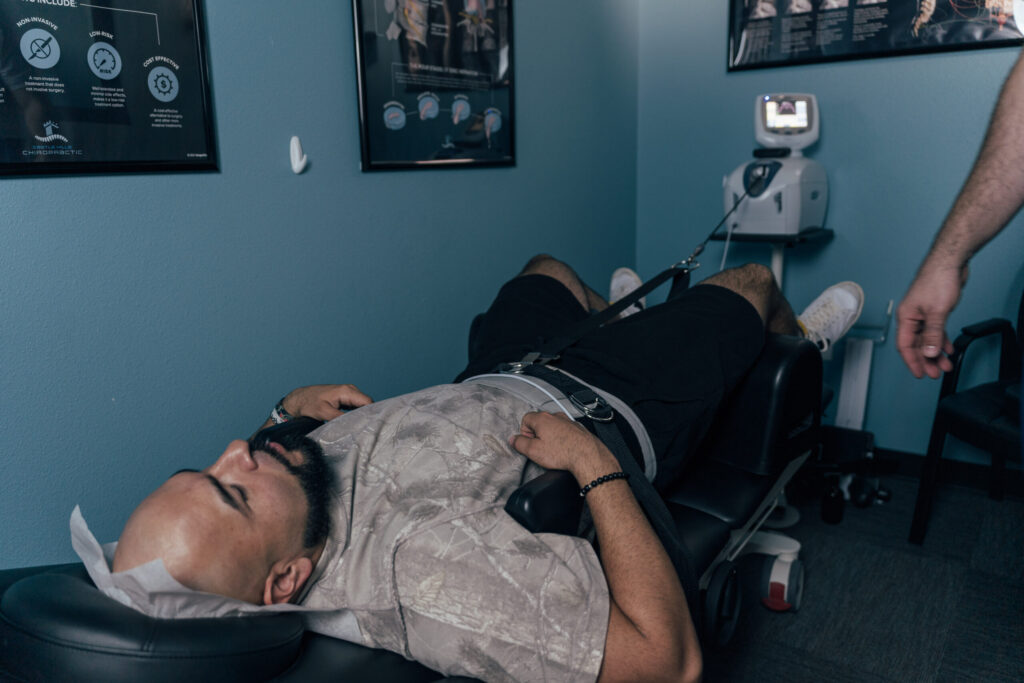

If you’ve ever suffered from tension headaches, you understand how disruptive they can be to your daily life. As a chiropractor, I believe that chiropractic adjustments offer a natural and effective solution by targeting the underlying issues that contribute to your discomfort. These adjustments can help restore proper spinal alignment, alleviate muscle tension, and enhance blood circulation. But how can these benefits improve your everyday life? Let’s delve into how chiropractic care can change your experience with tension headaches for the better.
Chiropractic adjustments work by ensuring that your spine is aligned correctly, which is crucial because misalignments can lead to nerve irritation and muscle tension. When your spine is in its optimal position, it helps your body function more efficiently, reducing the frequency and severity of your headaches.
In addition to spinal adjustments, I recommend incorporating some simple self-care tips into your routine. For instance, practicing good posture while sitting or standing can significantly reduce the strain on your neck and shoulders, which are common contributors to tension headaches. Staying hydrated is also essential, as dehydration can trigger headaches. Make sure to drink plenty of water throughout the day.
Moreover, stress management techniques such as deep breathing exercises, yoga, or meditation can help you relax and reduce tension in your body. Regular physical activity is another great way to relieve stress and tension, so try to incorporate some form of exercise into your daily life.
By choosing chiropractic care, you’re opting for a holistic approach to health and wellness that focuses on your body’s natural ability to heal itself. With regular adjustments and some lifestyle changes, you can experience a significant reduction in tension headaches and improve your overall quality of life. Remember, your journey to optimal health starts with understanding the benefits of chiropractic care!
Key Takeaways
The Benefits of Chiropractic Adjustments for Tension Headaches
If you suffer from tension headaches, chiropractic adjustments may be just what you need for relief. By realigning the spine, these adjustments help to reduce muscle tension and strain in your neck and shoulders—key contributors to tension headaches.
When your spine is properly aligned, blood flow improves significantly. This means that your muscles receive the oxygen and nutrients they need to relax and recover. A well-functioning nervous system is also a major benefit of chiropractic care. By relieving nerve pressure, adjustments can help regulate circulation, which may lead to fewer headaches over time.
Many patients report feeling immediate relief and a sense of relaxation after their adjustments. This not only helps with physical discomfort but can also boost your emotional well-being, making it easier to cope with daily stressors.
To maximize the benefits of chiropractic care, consider making regular adjustments part of your wellness routine. Maintaining proper spinal health and posture can help prevent future tension headaches by reducing the likelihood of muscle tightness.
Here are some simple tips to support your spinal health and reduce tension headaches:
- Stay Hydrated: Drinking plenty of water helps maintain muscle elasticity and reduces tension.
- Practice Good Posture: Be mindful of your posture at your desk or when using your phone to avoid added strain on your neck and shoulders.
- Incorporate Stretching: Gentle neck and shoulder stretches can help relieve tightness, especially if you spend long hours sitting.
- Manage Stress: Techniques such as deep breathing, meditation, or yoga can help mitigate stress, which is a common trigger for headaches.
Choosing chiropractic care for tension headaches not only addresses your immediate discomfort but also empowers you to achieve optimal health naturally. Prioritize your wellness with regular adjustments and these helpful tips!
Understanding Tension Headaches
Many people experience tension headaches at some point in their lives, but understanding their causes and symptoms can empower you to manage them effectively.
Tension headaches often arise from stress, muscle tension, or poor posture—common issues that can lead to discomfort.
You might notice a dull, aching pain primarily around your forehead or the back of your head.
This discomfort can intensify with stress or fatigue, making daily activities feel overwhelming.
Recognizing your triggers is crucial.
For instance, spending long hours at a computer or working in a high-stress environment can contribute to your headaches.
While symptoms may include sensitivity to light and sound, it’s important to note that tension headaches typically don’t cause nausea or vomiting, which sets them apart from migraines.
As a chiropractor, I want to emphasize the importance of spinal health in preventing and alleviating tension headaches.
Maintaining proper posture and ensuring your spine is aligned can significantly reduce muscle tension and stress, helping to prevent headaches before they start.
Here are some tips to help you manage tension headaches and promote overall wellness:
- Practice Good Posture: Ensure your workstation is ergonomically set up. Adjust your chair and monitor to keep your spine aligned and reduce strain on your neck and shoulders.
- Take Regular Breaks: Step away from your computer or desk every hour to stretch and move around. This can help relieve muscle tension and improve circulation.
- Stay Hydrated: Dehydration can contribute to headaches, so make sure you’re drinking enough water throughout the day.
- Incorporate Relaxation Techniques: Try deep breathing exercises, meditation, or yoga to help manage stress levels. These practices can promote relaxation and reduce the frequency of tension headaches.
- Consider Chiropractic Care: Regular chiropractic adjustments can help maintain proper spinal alignment, reduce muscle tension, and promote overall wellness. A chiropractor can work with you to develop a personalized plan to address your headaches and improve your quality of life.
By focusing on these strategies, you can take charge of your health and find relief from tension headaches naturally.
How Chiropractic Adjustments Work
Chiropractic adjustments are a powerful tool in relieving tension headaches by targeting the underlying causes of your discomfort. By realigning your spine and enhancing joint function, these adjustments help restore the essential connection between your brain and nervous system. This process can alleviate pressure on nerves that may be contributing to your headache pain.
During an adjustment, I use gentle, controlled force to manipulate specific joints. This not only boosts mobility but also reduces inflammation and tension in the surrounding muscles. Many patients report an immediate decrease in pain or discomfort after an adjustment, as improved blood flow helps nourish your tissues and flush away waste products.
Moreover, chiropractic care can significantly improve your posture, which is crucial for preventing tension headaches. When we correct postural imbalances, you’re more likely to experience fewer headaches, leading to a better quality of life. Regular visits to your chiropractor can be an effective approach to managing tension headaches over time, helping you feel your best.
In addition to chiropractic adjustments, here are a few simple tips you can incorporate into your daily routine to help manage tension headaches:
- Stay Hydrated: Make sure you drink plenty of water throughout the day. Dehydration can trigger headaches.
- Practice Good Posture: Pay attention to your sitting and standing posture. Use ergonomic furniture and take breaks to stretch if you sit for long periods.
- Manage Stress: Engage in relaxation techniques such as deep breathing, meditation, or yoga to help reduce stress levels.
- Get Regular Exercise: Physical activity can improve overall health and reduce the frequency of headaches.
- Sleep Well: Aim for a consistent sleep schedule and create a restful sleep environment to enhance your overall well-being.
Alleviating Muscle Tension
When you find yourself dealing with tension headaches, it’s crucial to focus on alleviating muscle tension for relief. As a local chiropractor, I want to emphasize that chiropractic adjustments are one of the most effective ways to reduce muscle tightness and improve blood circulation. By addressing these underlying issues through chiropractic care, you can experience significant improvements in your overall well-being.
Here are a few simple tips to help you manage muscle tension and promote a healthier lifestyle:
- Stay Hydrated: Drinking plenty of water can help keep your muscles hydrated and functioning properly.
- Practice Good Posture: Being mindful of your posture, especially while sitting at a desk or using your phone, can help prevent unnecessary strain on your neck and shoulders.
- Incorporate Stretching: Regular stretching can relieve muscle tightness and improve flexibility. Consider gentle neck and shoulder stretches throughout the day.
- Heat and Cold Therapy: Applying heat can soothe tight muscles, while cold packs can reduce inflammation. Both can be effective in managing discomfort.
- Regular Chiropractic Visits: Consistent chiropractic care not only addresses existing tightness but also helps maintain a balanced spine, which is essential for overall health.
By prioritizing these practices and incorporating chiropractic care into your wellness routine, you can achieve lasting relief from tension headaches and enhance your quality of life naturally.
Reducing Muscle Tightness
Muscle tightness can significantly contribute to the discomfort associated with tension headaches, making it essential to address this issue effectively.
When you have tight muscles, particularly in your neck and shoulders, it can lead to increased pain and stiffness. Chiropractic adjustments are an excellent way to help release this tightness, providing immediate relief.
By focusing on specific muscle groups during adjustments, we can help your muscles relax and regain their natural flexibility. Many patients find that as they reduce tightness through chiropractic care, their overall tension headache symptoms lessen considerably. Plus, regular adjustments can prevent muscle tightness from returning, helping you maintain a more comfortable state.
Incorporating chiropractic care into your wellness routine could be the key to managing those pesky tension headaches more effectively. Additionally, here are some general tips you can use at home to help relieve muscle tightness:
- Stretch Regularly: Simple neck and shoulder stretches can help alleviate tightness. Try gently tilting your head from side to side or rolling your shoulders back.
- Stay Hydrated: Drinking plenty of water can keep your muscles hydrated and help reduce tightness.
- Practice Good Posture: Be mindful of your posture throughout the day, especially if you sit for long periods. Use ergonomic chairs and take breaks to stand and move around.
- Use Heat Therapy: Applying a warm compress or heating pad to tight areas can soothe muscle tension.
- Deep Breathing Exercises: Stress can contribute to muscle tightness. Practicing deep breathing can help you relax and alleviate some of that tension.
Embracing chiropractic care along with these simple strategies can lead you toward better health and increased comfort. Remember, the path to wellness is a journey, and we’re here to support you every step of the way!
Enhancing Blood Circulation
Enhancing blood circulation is essential for relieving muscle tension and reducing tension headaches. When blood flows freely, it brings vital nutrients and oxygen to your muscles, which promotes relaxation and recovery. Regular chiropractic adjustments can significantly improve circulation by opening up any blocked pathways in your body. As your blood flow increases, you may start to feel less tightness and discomfort in your neck and shoulders, which are often key contributors to tension headaches.
Not only does improved circulation help ease existing muscle tension, but it also plays a crucial role in preventing future headaches by keeping your muscles healthy and flexible. By choosing chiropractic care, you’re investing in your overall well-being and supporting your body’s natural healing processes.
To further enhance your blood circulation, here are some simple tips you can incorporate into your daily routine:
- Stay Hydrated: Drinking plenty of water helps maintain good blood flow.
- Stretch Regularly: Gentle stretching can prevent tightness and improve muscle flexibility.
- Maintain Good Posture: Proper posture reduces strain on your muscles and promotes better circulation.
- Engage in Light Exercise: Activities like walking or yoga can stimulate blood flow.
Improving Spinal Alignment
Tension headaches can often be linked to poor spinal alignment, which is why addressing this issue is crucial for achieving relief. When your spine is out of alignment, it can create unnecessary tension in the muscles around your neck and shoulders. This tension can lead to headaches, making it essential to focus on realigning your spine for better comfort and overall well-being.
Chiropractic adjustments are an effective way to correct these misalignments. By gently realigning your spine, we can alleviate pressure on nerves and reduce muscle tension. This allows your body to function more efficiently, potentially leading to fewer headaches and a greater sense of well-being.
You may find that regular chiropractic adjustments not only improve your spinal alignment but also enhance your overall posture. As your alignment improves, you’re likely to experience less strain in your neck and upper back—areas that are commonly affected by tension headaches. By making your spinal health a priority, you can significantly impact your ability to manage and prevent headaches, paving the way for a more pain-free life.
Here are some simple tips you can incorporate into your daily routine to support spinal health and minimize tension headaches:
- Practice Good Posture: Whether sitting at a desk or standing, keep your shoulders back and your head aligned over your spine. This can help reduce strain on your neck and upper back.
- Stay Hydrated: Drink plenty of water throughout the day. Dehydration can lead to headaches, so keeping hydrated is essential for overall health.
- Stretch Regularly: Incorporate gentle neck and shoulder stretches into your routine to relieve tension and improve flexibility.
- Ergonomic Workspace: If you work at a desk, make sure your chair and computer are set up to support good posture. Your screen should be at eye level, and your chair should support your lower back.
- Mindfulness and Relaxation: Engage in stress-reducing activities such as yoga, meditation, or deep breathing exercises. These can help lower muscle tension and promote relaxation.
Enhancing Blood Flow and Oxygenation
Proper spinal alignment is key to reducing tension and enhancing blood flow and oxygenation throughout your body. When your spine is in line, blood can circulate more freely, delivering essential nutrients and oxygen to your muscles and organs.
This improved circulation can have a significant impact on your overall health and can help alleviate tension headaches. Let’s explore how chiropractic adjustments can boost your blood flow and oxygenation:
- Increased Circulation: A properly aligned spine helps open up your blood vessels, allowing more blood to reach important areas of your body. This means more nutrients and oxygen are available where they’re needed most.
- Reduced Muscle Tension: When your spine is aligned, your muscles can relax more effectively. This reduction in muscle tension promotes better blood flow to those areas, helping you feel more comfortable and less strained.
- Enhanced Nervous System Function: A well-aligned spine optimizes the function of your nervous system, which is essential for maintaining good circulation. When your nerves are working properly, they help regulate blood flow throughout your body.
- Improved Recovery: With better oxygenation from improved blood flow, your body can recover more quickly from tension headaches and other discomforts. This means less frequent and less intense pain, allowing you to enjoy life more fully.
To support your spinal health and enhance blood circulation, consider these general tips:
- Stay Active: Regular movement and exercise can help keep your spine aligned and promote healthy blood flow.
- Maintain Good Posture: Pay attention to how you sit and stand. Keeping your spine aligned can make a big difference in how you feel.
- Stay Hydrated: Drinking plenty of water is essential for good circulation and overall health.
- Consider Regular Chiropractic Care: Routine visits to your chiropractor can help maintain spinal alignment and promote your body’s natural healing processes.
Promoting Overall Well-being and Stress Relief
When you make chiropractic adjustments a priority, you’re not just tackling tension headaches; you’re also taking a significant step towards enhancing your overall well-being and relieving stress. Chiropractic care works wonders by restoring balance to your body, allowing you to feel better both physically and emotionally. By aligning your spine, we can help reduce nerve irritation, which can lead to lower stress levels and an improved mood.
Chiropractic adjustments also promote relaxation, making it easier for you to handle the daily pressures of life. When your body is in harmony, you’re more inclined to adopt healthy habits like regular exercise and quality sleep, both of which are crucial for your overall health.
As you experience relief from pain and tension, you’ll find it easier to savor life’s moments and connect with those around you. Incorporating regular chiropractic visits into your wellness routine can be a game-changer—not only can it help alleviate tension headaches, but it also fosters a more relaxed and happier version of yourself.
Here are a few tips to enhance your wellness journey alongside chiropractic care:
- Stay Hydrated: Drinking plenty of water helps keep your body functioning optimally and can aid in reducing tension.
- Practice Stretching: Gentle stretching can improve flexibility and help alleviate muscle tension.
- Maintain Good Posture: Being mindful of your posture, especially while sitting at a desk, can prevent unnecessary strain on your spine and nerves.
- Incorporate Mindfulness: Practicing mindfulness or deep-breathing exercises can significantly reduce stress and promote relaxation.
- Engage in Regular Exercise: Finding an activity that you enjoy can boost your physical health and enhance your mood.
Conclusion
Chiropractic adjustments can truly transform how you manage tension headaches. By relieving muscle tension, enhancing spinal alignment, and boosting blood circulation, adjustments can provide significant pain relief. Regular chiropractic care not only helps to lower the frequency and severity of headaches but also supports your overall health and wellness.
If you find yourself dealing with tension headaches, consider making chiropractic care a regular part of your routine. This natural approach promotes a balanced and pain-free life. Additionally, adopting healthy habits—such as staying hydrated, practicing good posture, and managing stress through relaxation techniques—can complement the benefits of your adjustments.
Remember, chiropractic care is an effective, drug-free way to achieve optimal health and wellness. Embrace it as a key part of your journey to living pain-free!