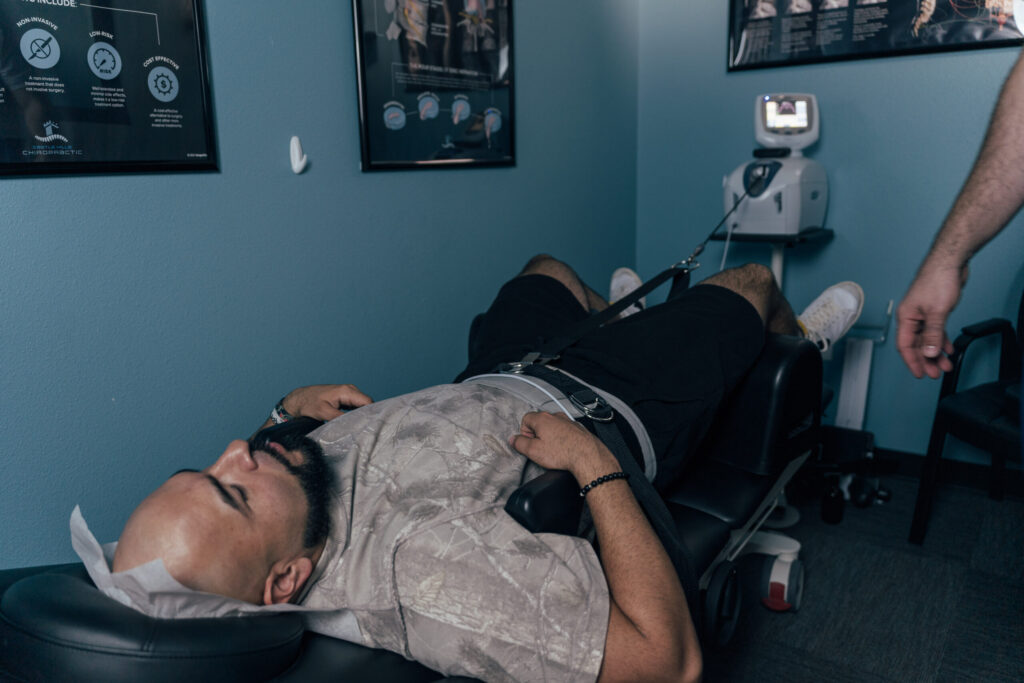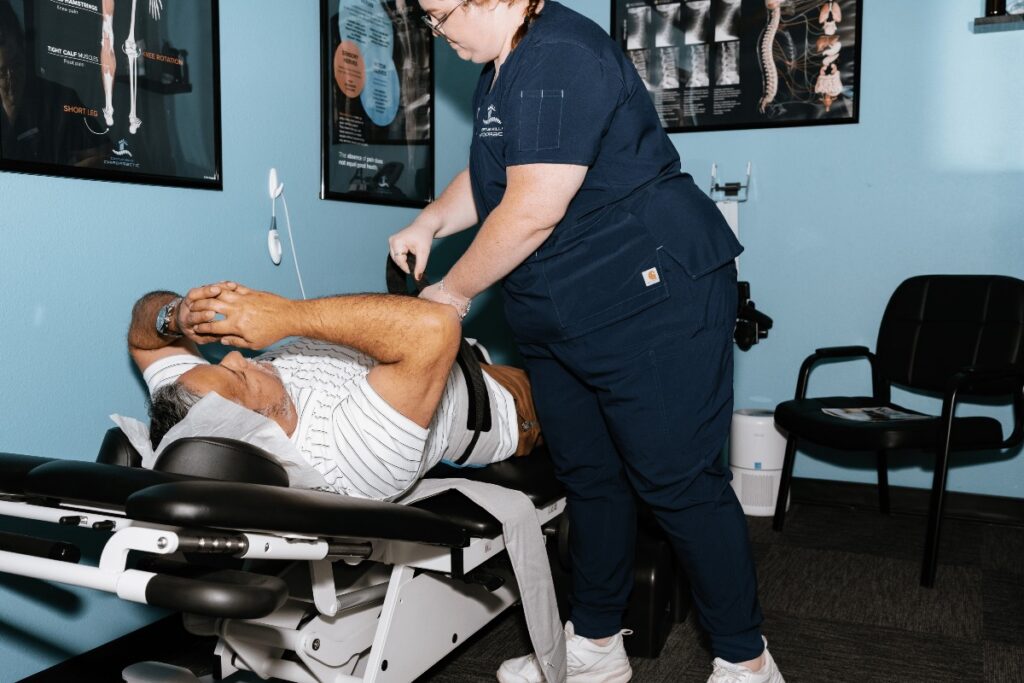

Back pain can be a frustrating experience, but understanding how to manage it can make a world of difference. Many people don’t realize how much their posture, workspace, and daily habits contribute to their discomfort. By making some simple adjustments and incorporating chiropractic care into your routine, you could see significant improvements in your pain levels and overall well-being.
Chiropractic care focuses on the spine and its connection to your overall health. Regular visits to your chiropractor can help align your spine, reduce tension, and promote healing. In addition to seeking professional care, let’s explore practical strategies you can implement at home to support your spine and find relief:
- Posture Awareness: Pay attention to how you sit and stand throughout the day. Keeping your back straight, shoulders relaxed, and feet flat on the ground can help reduce strain on your spine.
- Ergonomic Workspace: If you work at a desk, ensure your chair and computer are set up correctly. Your monitor should be at eye level, and your chair should support your lower back to maintain proper posture.
- Movement Breaks: Don’t stay sedentary for too long. Take regular breaks to stretch and move around. Simple stretches can relieve tension in your back and improve flexibility.
- Strengthening Exercises: Incorporate gentle exercises into your routine that strengthen your core muscles. A strong core can provide better support for your spine and reduce the risk of pain.
- Mind Your Sleep: Ensure your mattress and pillows provide adequate support. Sleeping on your back or side can be better for your spine than sleeping on your stomach.
- Stay Hydrated: Drinking plenty of water helps keep your spinal discs hydrated and healthy.
- Stress Management: Stress can contribute to muscle tension in your back. Incorporate relaxation techniques such as deep breathing, yoga, or meditation into your daily routine.
By making these simple adjustments and prioritizing chiropractic care, you can take meaningful steps toward alleviating your back pain and enhancing your overall health. Remember, your spine is the foundation of your well-being, and taking care of it is essential for a healthier, pain-free life.
Key Takeaways
- Regular chiropractic adjustments are essential for realigning your spine, which can significantly reduce discomfort and enhance your mobility, making them a key component of effective back pain relief. By visiting your chiropractor regularly, you can experience the benefits of natural healing without the need for invasive procedures or medications.
- Consider adjusting your workspace to be more ergonomic. This means setting up your chair, desk, and computer screen in a way that promotes proper posture. Keeping your spine aligned while you work can minimize strain on your back, helping you feel more comfortable throughout your day.
- Incorporate simple stretching techniques into your routine, like the cat-cow stretch and child’s pose. These stretches can help alleviate tightness in your back and improve spinal flexibility. Your chiropractor can guide you on the best stretches for your individual needs.
- Engage in low-impact exercises such as walking or swimming. These activities not only strengthen your core muscles, which play a crucial role in supporting your spine, but they also promote overall health and wellness. Remember, a strong core is vital for reducing back pain.
- Stay mindful of your posture throughout the day. Aim to keep your shoulders back and your spine aligned, whether you’re sitting at a desk or standing. Developing this awareness can help prevent further discomfort and keep your back healthy.
By integrating these practices into your daily life and prioritizing chiropractic care, you can take control of your back pain and work towards achieving optimal health and wellness naturally.
Understanding the Causes of Back Pain
When you experience back pain, understanding its causes is key to finding the right relief and promoting your overall wellness.
Many factors can contribute to discomfort, such as muscle strain from overexertion, improper lifting techniques, or simply sitting for too long. Recognizing whether your pain comes from a specific injury or a chronic condition, like arthritis or herniated discs, is essential for addressing it effectively.
As your local chiropractor, I encourage you to consider various lifestyle factors that may be influencing your back pain.
Your weight, exercise routine, and even stress levels can all play a significant role. For instance, leading a sedentary lifestyle can weaken your muscles, making you more susceptible to injuries. On the other hand, emotional stress can lead to muscle tension, which can further complicate your back issues.
Here are some general tips to help you manage and alleviate back pain naturally:
- Stay Active: Engage in regular, low-impact exercises like walking, swimming, or yoga. These activities can strengthen your muscles and improve flexibility, reducing the likelihood of injury.
- Practice Good Posture: Whether you’re sitting at a desk or lifting something heavy, maintaining proper posture is crucial. This can help prevent unnecessary strain on your back.
- Stay Hydrated: Drinking plenty of water helps keep your spinal discs hydrated and healthy, which is essential for a pain-free back.
- Manage Stress: Incorporating relaxation techniques such as deep breathing, meditation, or gentle stretching can help alleviate muscle tension caused by stress.
- Consider Chiropractic Care: Regular visits to a chiropractor can help align your spine, relieve pain, and promote overall wellness. Chiropractic care focuses on natural healing methods, making it a great choice for those seeking to avoid medications or surgery.
By taking these steps and considering chiropractic care, you can work towards a healthier, pain-free back and improve your overall quality of life.
Importance of Correct Posture
Maintaining good posture is crucial for preventing back pain and enhancing your overall health. As a chiropractor, I’ve seen firsthand how common posture mistakes can lead to discomfort and long-term issues. Understanding the importance of good posture can be a game-changer for your well-being.
Good posture not only helps to alleviate pain but also promotes better alignment of your spine, which is vital for your nervous system’s function. When your spine is aligned, your body can heal more effectively, and you may experience increased energy levels and improved mood.
Here are some simple tips to help you improve your posture:
- Be Mindful of Your Alignment: Whether you’re sitting, standing, or walking, pay attention to how your body is aligned. Keep your shoulders back, your chin tucked in, and your back straight.
- Strengthen Your Core: A strong core supports your spine. Incorporate exercises like planks and bridges into your routine to help strengthen these muscles.
- Ergonomic Workspace: If you spend long hours at a desk, ensure your workspace is ergonomically designed. Your chair should support your lower back, and your computer screen should be at eye level to avoid straining your neck.
- Take Breaks: If you’re sitting for prolonged periods, make it a point to stand, stretch, and walk around every 30-60 minutes. This helps to relieve tension and reset your posture.
- Consider Chiropractic Care: Regular chiropractic adjustments can help to align your spine and improve your posture. As a natural and holistic approach to health, chiropractic care can be an invaluable part of your wellness journey.
Benefits of Good Posture
Good posture isn’t just about looking confident; it plays a crucial role in your overall health and well-being. As a chiropractor, I want to emphasize how important it’s to maintain proper alignment when you sit or stand. Doing so reduces strain on your muscles and joints, which can significantly help prevent back pain—a common issue many people face.
When your body is properly aligned, it functions more efficiently, allowing for better circulation and oxygen flow throughout your body. This is essential for keeping your energy levels high and your mind sharp throughout the day. Plus, good posture can positively influence your mood and self-esteem, helping you feel more empowered and focused.
One of the key benefits of maintaining good posture is enhanced breathing. When you’re aligned, your lungs have the space they need to expand fully, which can contribute to improved overall health.
To support your journey to better posture and overall wellness, here are a few tips and tricks:
- Be Mindful: Regularly check in with your posture throughout the day. Are your shoulders back? Is your spine straight?
- Create a Comfortable Workspace: If you spend long hours at a desk, ensure your chair supports your lower back and that your computer screen is at eye level.
- Strengthen Your Core: Incorporate exercises that strengthen your abdominal and back muscles, as a strong core supports good posture.
- Take Breaks: Make it a habit to stand up, stretch, and move around every hour to relieve tension and reset your posture.
- Consider Chiropractic Care: Regular visits to a chiropractor can help you maintain proper spinal alignment, relieve pain, and promote overall health naturally.
Common Posture Mistakes
Many individuals may not realize they’re making common posture mistakes that can lead to discomfort and pain over time. These issues often arise from everyday habits, such as how we sit or stand. As a chiropractor, I want to help you understand these mistakes and provide tips for better posture, showcasing how chiropractic care can be a natural way to achieve optimal health.
| Mistake | Effect on Body | Suggested Awareness |
|---|---|---|
| Slouching | Strains your back and shoulders | Focus on engaging your core muscles to support your spine. |
| Leaning forward | Causes neck and back pain | Keep your head aligned over your shoulders to maintain balance. |
| Crossing legs | Imbalances hips and spine | Try to keep your feet flat on the ground to promote proper alignment. |
| Prolonged sitting | Tightens hip flexors | Remember to take frequent breaks to stretch and move around. |
Being aware of these posture mistakes is crucial for your overall well-being. By recognizing and addressing them, you can start making small adjustments that promote better posture and help alleviate any potential back pain.
Chiropractic care is an excellent option for addressing these issues. Regular chiropractic adjustments can help realign your spine, reduce pain, and improve your overall posture. By taking a proactive approach to your health and wellness, you can achieve a more balanced and pain-free life. Remember, it’s all about making those small changes and seeking the right support for your journey to better health!
Tips for Improvement
Correcting your posture may seem like a minor adjustment, but it can have a profound effect on your overall health and well-being. As your local chiropractor, I want to share some simple tips to help you achieve better alignment and support your spine naturally.
Start by being mindful of your posture throughout the day. When sitting, ensure your back is straight, shoulders are relaxed, and your feet are flat on the floor. If you work at a desk, take a moment to adjust your chair and computer screen so that your eyes are level with the top of the screen. This can help prevent slouching and reduce strain on your back.
When standing, distribute your weight evenly on both feet and engage your core muscles for added support. It’s essential to take regular breaks—standing up or stretching every hour can significantly relieve tension in your body.
Incorporating exercises that strengthen your back and core muscles will also contribute to better posture and overall spinal health. Simple activities like yoga or targeted stretches can enhance your flexibility and help maintain proper alignment.
Incorporating Regular Exercise
Incorporating regular exercise into your daily routine is a fantastic way to help alleviate back pain and promote overall spinal health. As a local chiropractor, I can tell you that engaging in low-impact activities such as walking, swimming, or cycling not only strengthens your core and back muscles but also provides essential support for your spine.
Aim for at least 30 minutes of moderate exercise on most days of the week. Here’s a simple overview of effective exercises you can incorporate:
| Exercise Type | Benefits |
|---|---|
| Walking | Improves circulation and promotes spinal mobility |
| Swimming | Provides low-impact strength training while being easy on the joints |
| Cycling | Builds endurance, balance, and strengthens back muscles |
| Strength Training | Enhances muscle support, focusing on the core and back areas |
Remember, you don’t need to push yourself too hard; consistency is what matters most. Start at a pace that feels comfortable for you and gradually increase the intensity as your body adapts. Not only do these exercises help relieve pain, but they also boost your mood and energy levels, making daily tasks feel easier.
In addition to exercise, chiropractic care is an excellent choice for enhancing your wellness journey. Regular adjustments can support your body’s natural healing processes, improve joint function, and help maintain proper spinal alignment. By combining exercise with chiropractic care, you set yourself on a path toward optimal health and well-being.
Keep these tips in mind as you work towards a healthier lifestyle, and don’t hesitate to reach out to your chiropractor for personalized advice tailored to your specific needs. Together, we can achieve lasting pain relief and promote a healthier, more active life.
Stretching Techniques for Relief
In addition to regular chiropractic adjustments, incorporating stretching techniques into your daily routine can significantly enhance your back pain relief. Gentle stretches can help improve flexibility, reduce tension, and promote overall spinal health.
One of the most beneficial stretches is the cat-cow stretch. This simple movement helps to mobilize your spine. Start by getting on all fours, with your hands directly under your shoulders and your knees under your hips. As you inhale, gently arch your back upwards, tucking your chin to your chest. Then, as you exhale, dip your back downwards, lifting your head and tailbone towards the ceiling. Repeat this process while focusing on your breath—this not only helps your body but can also calm your mind.
Another fantastic stretch to incorporate is the child’s pose. Begin by kneeling on the floor, sitting back on your heels. Extend your arms in front of you as you lower your torso toward the ground. This position can help release tightness in your back and shoulders. Hold this pose for at least 30 seconds, breathing deeply to allow your muscles to relax.
The seated forward bend is also a great option for those looking to relieve tension. Sit with your legs extended in front of you and gently reach for your toes. Keep your back straight and feel the stretch in your hamstrings and lower back. Hold this position for 20-30 seconds, and remember to breathe deeply throughout the stretch.
Regularly practicing these stretching techniques can complement your chiropractic care and help you manage and alleviate back pain effectively. Always listen to your body and avoid any movements that cause discomfort. By integrating these stretches into your routine, you’re taking an active role in your well-being and supporting your spine’s health naturally. Remember, chiropractic care is here to help guide you on your journey to optimal health!
Ergonomic Adjustments in Daily Life
To effectively manage back pain and enhance your overall wellness, consider making some ergonomic adjustments in your daily life. These small changes can lead to significant relief and improved comfort, all while promoting a healthier spine.
Here are some simple adjustments you can easily implement:
- Adjust Your Chair Height: Ensure that your feet are flat on the floor and your knees are at a right angle. This helps maintain proper posture and reduces strain on your back.
- Use Lumbar Support: A cushion or a rolled towel can help support the natural curve of your spine while sitting. This simple addition can make a big difference in your comfort level throughout the day.
- Position Your Computer Screen: Place the top of your screen at eye level to prevent neck strain. Keeping your screen at the right height encourages good posture and can help alleviate discomfort.
- Take Frequent Breaks: Stand up and stretch every hour. This practice not only relieves tension in your back but also encourages better circulation and keeps your muscles engaged.
- Wear Supportive Footwear: Opt for shoes that provide good arch support and avoid high heels. Proper footwear can help maintain alignment and reduce the risk of back pain.
By incorporating these ergonomic adjustments into your daily routine, you can support your spine’s health and enhance your overall well-being.
When to Seek Professional Help
If your back pain lingers for more than a few weeks, it’s a good idea to consider professional help, particularly from a chiropractor.
Unusual symptoms like numbness or weakness can indicate a more serious issue that deserves attention. Chiropractic care focuses on identifying and addressing the root causes of pain, often leading to natural healing without the need for medications or invasive procedures.
If your pain starts to interfere with daily activities, seeking the expertise of a chiropractor can be a great way to find relief.
Chiropractors are trained to assess your spine and nervous system, and they can provide personalized treatment plans to help restore your body’s balance and function.
In the meantime, here are some general tips to support your back health:
- Practice Good Posture: Be mindful of your posture when sitting, standing, and lifting. Keeping your spine aligned can help prevent further discomfort.
- Stay Active: Regular gentle exercise, like walking or stretching, can promote flexibility and strengthen the muscles that support your back.
- Apply Heat or Cold: Using a heating pad or ice pack can help alleviate pain and reduce inflammation.
- Listen to Your Body: If an activity causes pain, it’s important to stop and give your body the rest it needs.
Remember, chiropractic care is a holistic approach that not only aims to relieve pain but also supports your overall health and wellness.
If you’re experiencing persistent back pain or concerning symptoms, don’t hesitate to reach out to a local chiropractor who can help guide you on your journey to better health.
Persistent Pain Duration
When back pain sticks around for more than a few weeks, it’s time to consider reaching out for professional help. Ignoring persistent pain can lead to more serious issues and extended discomfort.
Here are some signs that it’s crucial to consult a chiropractor:
- Your pain seems to get worse instead of better.
- Everyday tasks or work activities have become difficult because of the pain.
- You’re experiencing numbness or tingling in your legs or feet.
- Pain is traveling down your legs, which can indicate nerve involvement.
- Home treatments haven’t provided any relief.
Addressing back pain early through chiropractic care can lead to effective treatment options and a faster recovery. Chiropractors focus on natural healing and can help restore your body’s alignment, allowing for optimal health.
Here are a few general tips to help manage your back pain at home while you wait for your appointment:
- Maintain good posture, especially while sitting or standing.
- Incorporate gentle stretching or yoga to improve flexibility.
- Use ice or heat packs to help manage pain and inflammation.
- Stay active with light exercises like walking, which can promote healing.
Don’t hesitate to reach out for chiropractic care; your well-being is worth it, and the right support can help you on your path to a healthier, pain-free life.
Unexplained Symptoms Occurrence
Experiencing unexplained symptoms along with your back pain can be a sign that it’s time to take a closer look at your overall health. If you notice anything unusual, like sudden weight loss, fever, or numbness in your legs, it’s important to reach out to a healthcare professional right away. These symptoms could indicate underlying issues that may benefit from a holistic approach, such as chiropractic care.
Chiropractic care focuses on the health of your spine and nervous system, which can play a significant role in how your body functions. If your back pain comes with other symptoms like changes in your bowel or bladder habits, or if you’re feeling weak or having trouble walking, it’s essential to consult a chiropractor. They can help identify any misalignments or dysfunctions that may be contributing to your discomfort.
Remember, early intervention is key. Addressing these issues with chiropractic care can lead to more effective treatment options and help prevent complications down the line.
Here are some general tips to consider for maintaining a healthier back:
- Stay Active: Regular physical activity can strengthen your back and improve flexibility.
- Practice Good Posture: Whether sitting, standing, or lifting, maintaining good posture can prevent strain on your spine.
- Ergonomic Workspaces: Make sure your workspace is set up to support your body properly, reducing the risk of back pain.
- Listen to Your Body: If something feels off, don’t hesitate to seek chiropractic care. Trusting your instincts is important for your health.
Your well-being is a priority, and chiropractic care can be a vital part of achieving optimal health naturally. Always put your health first, and consider a chiropractor as your partner in wellness.
Impact on Daily Activities
As daily activities become increasingly challenging due to back pain, knowing when to seek professional help is crucial. If you’re experiencing any of the following symptoms, it may be time to visit a chiropractor:
- Persistent pain that lasts for more than a few days
- Difficulty standing up straight or bending over comfortably
- Numbness or tingling sensations in your legs
- Pain that radiates down one or both legs
Ignoring these signs can lead to worsening discomfort and impact your daily life. Chiropractic care focuses on identifying the underlying causes of your pain and providing natural, effective treatment options. By addressing misalignments in your spine, chiropractic adjustments can help restore balance, improve mobility, and enhance your overall well-being.
Here are some general tips to manage your back pain at home:
- Stay Active: Gentle movement can help keep your muscles flexible. Consider short walks or light stretching to ease tension.
- Maintain Good Posture: Be mindful of your posture when sitting or standing. Use ergonomic furniture to support your spine.
- Apply Heat or Ice: Using heat pads or ice packs can provide relief. Heat can relax tight muscles, while ice can reduce inflammation.
- Practice Relaxation Techniques: Stress can exacerbate pain. Techniques such as deep breathing or gentle yoga can help calm your mind and body.
- Stay Hydrated: Proper hydration supports spinal health by keeping your discs lubricated.
Conclusion
When it comes to finding relief from back pain, a well-rounded approach is essential. As your local chiropractor, I believe that the key to optimal health lies in natural healing and spinal education. By focusing on improving your posture, engaging in regular exercise, and making simple ergonomic adjustments in your everyday life, you can significantly alleviate discomfort and enhance your overall well-being.
A few tips to consider include:
- Posture Awareness: Pay attention to how you sit, stand, and move throughout the day. Keeping your spine aligned can help prevent strain and reduce pain.
- Regular Movement: Incorporate gentle exercises and stretches into your routine. Activities like walking, yoga, or swimming can strengthen your back and improve flexibility.
- Ergonomics at Home and Work: Ensure that your workspace is set up to support your body. Use chairs that provide good back support, and position your computer screen at eye level to reduce neck strain.
- Take Stretch Breaks: If you find yourself sitting for long periods, set a timer to remind you to stand up, stretch, and move around every hour. This simple habit can greatly diminish tension in your back.
- Listen to Your Body: It’s vital to pay attention to what your body is telling you. If something doesn’t feel right, don’t ignore it.
If your back pain continues or intensifies, I encourage you to seek chiropractic care. A chiropractor can provide you with personalized treatment options that focus on natural healing and restoring your spine’s health. By taking these proactive steps, you can achieve lasting relief and embrace a healthier, more active lifestyle. Remember, your journey to wellness is just a chiropractic visit away!