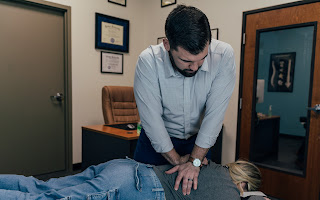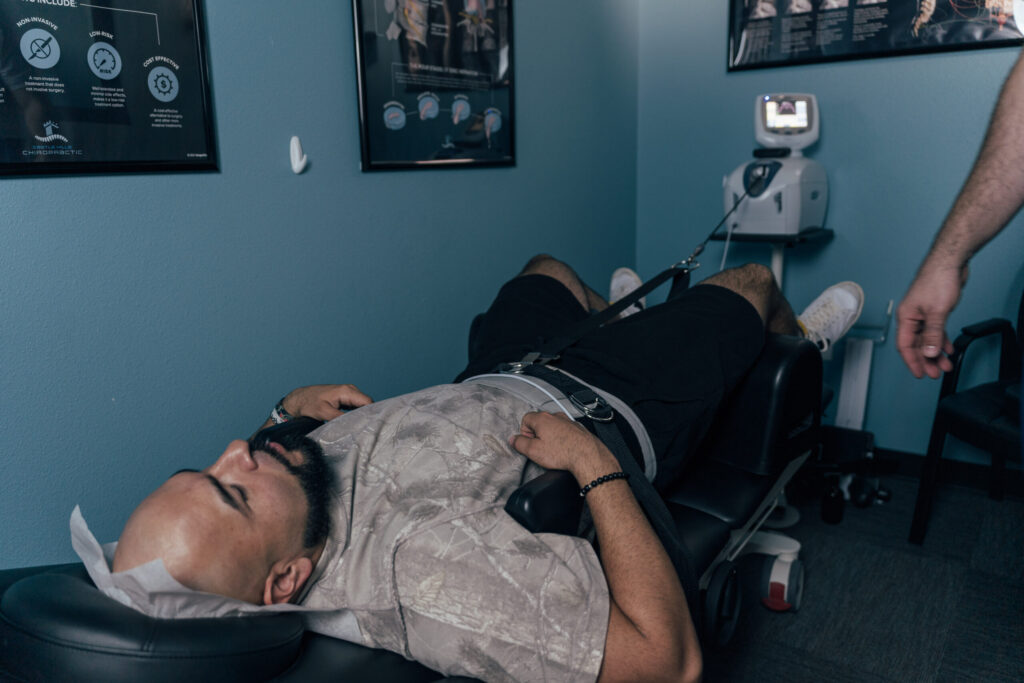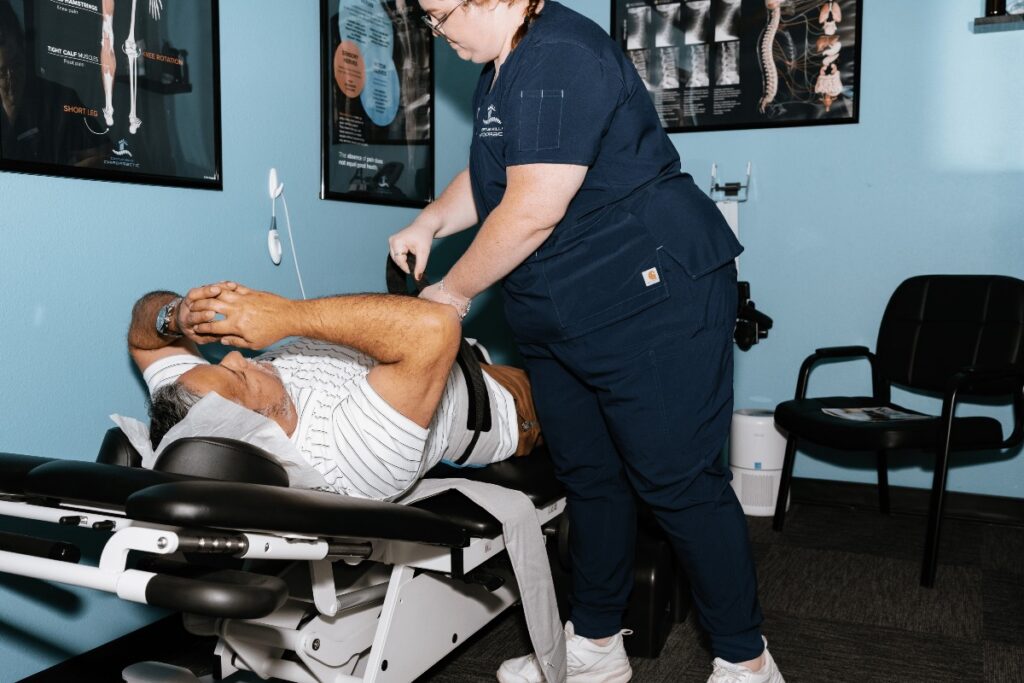

Low back pain can arise from a variety of injuries that many of us may encounter in our daily lives. One common culprit is muscle strains, which often occur when lifting heavy objects improperly. Another issue is herniated discs, where the cushioning between the vertebrae can bulge and press on nearby nerves, leading to discomfort. Additionally, conditions such as spinal stenosis and spondylolisthesis can contribute to pain, along with the natural wear and tear that comes with osteoarthritis.
As a local chiropractor, I believe understanding these injuries is key to finding relief and achieving optimal health. While you may have heard of various treatments, I want to emphasize the benefits of chiropractic care. Chiropractic adjustments can help restore proper alignment, reduce inflammation, and promote healing in your spine and surrounding muscles. This natural approach not only addresses pain but also enhances your overall wellness.
Here are some simple tips to help manage and prevent low back pain:
- Practice Good Posture: Whether sitting or standing, maintaining proper posture can reduce strain on your back. Keep your shoulders back and your spine straight.
- Lift Properly: When lifting heavy objects, bend at your knees instead of your waist, and keep the object close to your body.
- Stay Active: Regular exercise strengthens your core muscles, providing better support for your spine. Activities like walking, swimming, or yoga can be beneficial.
- Stretch Regularly: Incorporating stretching into your routine can improve flexibility and reduce tension in your back muscles.
- Listen to Your Body: If you feel pain, don’t ignore it. Consult with a chiropractor to address the issue before it worsens.
By taking these steps and incorporating chiropractic care into your wellness routine, you can significantly improve your quality of life and keep low back pain at bay. Remember, natural healing is not only possible but can also be incredibly effective with the right approach!
Key Takeaways
Low back pain is a common issue that many people face, and understanding its causes can help you find the right path to healing. Here are some of the top injuries that can lead to low back pain, along with how chiropractic care can play a crucial role in your recovery:
- Muscle Strains: These often occur from heavy lifting or awkward twisting movements. If you experience sharp pain and stiffness in your lower back, it may be due to a muscle strain. Chiropractic adjustments can help realign your spine, ease tension, and promote healing.
- Herniated Discs: When discs in your spine become herniated, they can compress nearby nerves, causing radiating pain, numbness, and weakness in your legs. Chiropractic care can help relieve this pressure through gentle adjustments, allowing your body to heal naturally.
- Spinal Stenosis: This condition involves the narrowing of spaces in your spine, leading to discomfort that is often aggravated by standing or walking. Chiropractic techniques can improve spinal alignment and mobility, offering relief from pain and enhancing your overall wellbeing.
- Spondylolisthesis: This occurs when one of your vertebrae slips out of place, potentially compressing nerves and causing low back pain and muscle spasms. A chiropractor can help stabilize your spine and reduce pain through targeted adjustments and therapeutic exercises.
- Osteoarthritis: As cartilage breaks down, it can lead to inflammation, stiffness, and pain in the lower back. Chiropractic care focuses on improving joint function and mobility, which can alleviate pain and enhance your quality of life.
General Tips for Low Back Pain Relief:
- Maintain good posture while sitting and standing to reduce strain on your back.
- Engage in regular low-impact exercises, such as walking or swimming, to strengthen your back muscles.
- Consider incorporating stretching routines to improve flexibility and prevent injuries.
- Ensure your workspace is ergonomically designed to support your spine.
- Stay hydrated and maintain a healthy diet to support overall body function.
Remember, chiropractic care is a natural and effective way to address low back pain and promote overall health. If you’re experiencing discomfort, don’t hesitate to reach out to your local chiropractor for personalized guidance and care.
Muscle Strains
Muscle strains in the lower back can sneak up on you, often resulting from lifting heavy objects, twisting awkwardly, or even overdoing it during physical activities. You mightn’t notice anything until a sudden sharp pain or stiffness makes everyday tasks challenging. It’s important to pay attention to your body; ignoring signs like discomfort can lead to more significant problems down the road.
To help prevent strains, always take a moment to warm up before exercising. Practicing proper lifting techniques is essential—remember to bend your knees, keep your back straight, and avoid twisting your torso when lifting. If you do end up straining a muscle, listen to your body and give it the rest it needs.
Chiropractic care is a fantastic natural approach to healing muscle strains and promoting overall wellness. A chiropractor can help realign your spine, which can alleviate pain and enhance your body’s ability to heal itself. Applying ice for the first 48 hours after a strain can reduce swelling, and afterward, using heat can relieve tension.
In addition to these tips, consider incorporating gentle stretches and strengthening exercises into your routine to support your lower back. Remember, taking care of your spine today can help you avoid chronic pain in the future. If you’re experiencing discomfort, don’t hesitate to seek the benefits of chiropractic care for a holistic approach to recovery and optimal health.
Herniated Discs
A herniated disc can hit you like a sudden wave of pain, often sending discomfort radiating down your legs or leaving you feeling numb and weak.
This happens when the soft, inner material of a spinal disc pushes through its tougher outer layer.
While it often results from age-related wear and tear, it can also occur due to heavy lifting or an awkward movement.
If you’re dealing with a herniated disc, you might find that everyday activities become challenging, as certain movements like bending or twisting can intensify your pain.
You may also feel discomfort when sitting for long periods or when getting up after being inactive for a while.
One of the best ways to manage this pain is through chiropractic care.
Chiropractors can help realign your spine, reducing pressure on the affected disc and alleviating discomfort.
Regular adjustments can’t only relieve pain but also improve your overall mobility and flexibility.
In addition to chiropractic adjustments, consider incorporating rest, gentle stretching, and heat therapy into your routine.
These methods can help soothe your back and promote healing.
Staying active with low-impact exercises can also be beneficial; think walking or swimming to keep your body moving without putting too much strain on your back.
Remember, if you’re experiencing persistent pain, reaching out to a chiropractor is a great step towards finding relief and achieving optimal health.
They can provide personalized care tailored to your unique situation, helping you regain your strength and improve your quality of life naturally.
Your path to wellness starts with taking care of your spine!
Sciatica
If you’re experiencing pain that radiates from your lower back down your leg, you may be facing sciatica. This uncomfortable condition often arises from various underlying issues, but understanding its triggers can guide you toward effective, natural treatment options.
As a chiropractor, I want to emphasize that chiropractic care is one of the best ways to address sciatica. By focusing on spinal health, we can help alleviate the pressure on the sciatic nerve, which is often the root cause of the pain you’re feeling.
Common factors that may contribute to sciatica include herniated discs, spinal misalignments, or even muscle tension in the lower back and hips. By identifying these issues, we can tailor a treatment plan that focuses on gentle adjustments and therapeutic techniques designed to restore proper alignment and function to your spine.
Here are some tips to help you manage your sciatica naturally:
- Stay Active: Gentle exercises and stretches can help maintain mobility and reduce tension in your back. Simple activities like walking or yoga can be beneficial.
- Posture Awareness: Pay attention to your posture while sitting, standing, and moving. Proper alignment can help alleviate stress on your spine.
- Heat and Cold Therapy: Applying heat or cold packs to the affected area can provide temporary relief from pain and inflammation.
- Ergonomic Adjustments: Ensure your workspace is set up to promote a healthy posture, reducing strain on your back.
- Consult a Chiropractor: Regular chiropractic adjustments can help maintain spinal health and alleviate pain naturally. A chiropractor can assess your condition and provide personalized care to help you find relief.
Remember, you don’t have to live with sciatica. By choosing chiropractic care, you can take a proactive step toward achieving optimal health and wellness.
Let’s work together to get you back to feeling your best!
Causes of Sciatica
When it comes to sciatica, understanding the root causes can empower you to take charge of your health and find relief through natural means.
Sciatica typically occurs due to pressure on the sciatic nerve, which travels from your lower back down to your legs. One common culprit is a herniated disc, where the soft material within the disc pushes out and compresses the nerve.
Another cause could be spinal stenosis, which is the narrowing of the spinal canal that can pinch the sciatic nerve.
Spondylolisthesis, a condition where one of your vertebrae slips out of place, can also create similar pressure on the nerve.
Additionally, muscle spasms in the buttocks or tightness in the piriformis muscle can contribute to sciatica symptoms. Lifestyle factors, such as prolonged sitting or injuries, may worsen these conditions, leading to discomfort and pain in your lower back and legs.
As a chiropractor, I believe in the power of natural healing through spinal care. Regular chiropractic adjustments can help alleviate the pressure on the sciatic nerve by realigning the spine and improving overall function.
Here are some general tips you can incorporate into your daily routine to support your back health:
- Stay Active: Engage in gentle exercises like walking, swimming, or yoga to keep your body moving and reduce stiffness.
- Practice Good Posture: Be mindful of your posture while sitting and standing. Use ergonomic furniture to support your spine.
- Stretch Regularly: Incorporate stretches that target the lower back, hips, and legs to relieve tension and improve flexibility.
- Use Heat or Cold Therapy: Applying a heating pad or ice pack to the affected area can help alleviate pain and inflammation.
- Get Regular Chiropractic Care: Regular visits to your chiropractor can enhance your overall spinal health and help prevent future issues.
By understanding the causes of sciatica and taking proactive steps towards your health, you can find relief and improve your quality of life—all through the natural approach of chiropractic care.
Treatment Options Available
Finding effective treatment options for sciatica is essential for alleviating pain and restoring your mobility, and as a chiropractor, I wholeheartedly believe that chiropractic care is one of the best ways to achieve this.
Starting with conservative approaches, visiting a chiropractor can help strengthen your back and improve flexibility through tailored exercises and adjustments.
In addition to chiropractic adjustments, there are many natural ways to manage inflammation and discomfort, such as using heat or ice packs, practicing gentle stretches, and maintaining good posture throughout your day.
These simple techniques can make a significant difference in your overall well-being.
Alternative therapies, like acupuncture and massage, can also complement your chiropractic care, providing additional relief for sciatic nerve pain.
Remember that every individual is unique, so it’s crucial to work closely with your chiropractor to develop a personalized plan that fits your lifestyle and needs.
Instead of considering medications or more invasive treatments, focus on these natural healing methods.
Regular chiropractic visits can help ensure that your spine is properly aligned, which is key to preventing future issues.
Spinal Stenosis
Spinal stenosis is a condition that happens when the spaces in your spine narrow, which can put pressure on your spinal cord and nerves. This can lead to discomfort, pain, numbness, or weakness in your back and legs. It’s essential to understand what causes spinal stenosis and how it can be diagnosed so that you can find relief and get back to doing what you love.
As a chiropractor, I believe that natural healing is the best approach to managing symptoms associated with spinal stenosis. Chiropractic care focuses on aligning the spine and improving overall spinal health, which can alleviate pressure on the nervous system and reduce discomfort.
Here are some tips to help you manage spinal stenosis naturally:
- Stay Active: Engaging in gentle exercises, such as walking or swimming, can help maintain mobility and strengthen the muscles that support your spine. Always consult with your chiropractor to find the right exercises for you.
- Stretch Regularly: Incorporating daily stretching routines can improve flexibility and reduce tension in your back and legs. Simple stretches can help relieve tightness and enhance range of motion.
- Maintain Good Posture: Being mindful of your posture while sitting, standing, and lifting can significantly reduce strain on your spine. Consider ergonomic supports if you spend long hours sitting.
- Heat and Ice Therapy: Applying heat can help relax tense muscles, while ice can reduce inflammation. Alternating between the two can provide relief from pain and discomfort.
- Chiropractic Adjustments: Regular visits to your chiropractor can help correct misalignments in your spine, improve function, and promote healing. Chiropractic adjustments can also enhance circulation and reduce tension in surrounding muscles.
- Nutrition and Hydration: Eating a balanced diet rich in anti-inflammatory foods, like fruits, vegetables, and omega-3 fatty acids, can support overall health. Staying hydrated is also crucial for maintaining the health of your spinal discs.
Causes of Spinal Stenosis
Spinal stenosis is a condition that occurs when the spaces within your spine narrow, which can lead to pressure on the spinal cord and nerves. Understanding the causes of spinal stenosis is important for maintaining your spinal health and overall wellness.
One of the most common factors contributing to spinal stenosis is age-related degeneration. As we age, our bodies undergo changes, such as arthritis, which can lead to the formation of bone spurs or thickened ligaments. These changes can gradually narrow the spinal canal.
Injuries, such as fractures or herniated discs, can also play a role in developing spinal stenosis. When the spine is injured, it can lead to inflammation and structural changes that contribute to narrowing.
Additionally, some people may be born with a naturally narrower spinal canal, which can increase their risk of experiencing spinal stenosis later in life.
Other factors to be aware of include tumors that may develop inside or near the spinal canal, as well as certain conditions like scoliosis, which can affect spinal alignment and contribute to narrowing.
While understanding these causes is essential, it’s equally important to focus on prevention and natural healing. Chiropractic care offers a holistic approach to spinal health by promoting proper alignment and function of the spine.
Regular chiropractic adjustments can help maintain spinal flexibility, alleviate pressure on nerves, and enhance overall well-being.
To support your spinal health, consider these tips:
- Stay Active: Engage in regular physical activity to strengthen your back muscles and improve flexibility.
- Practice Good Posture: Be mindful of your posture, especially when sitting for extended periods. Use ergonomic furniture when possible.
- Incorporate Stretching: Gentle stretching exercises can help maintain flexibility and reduce tension in your spine.
- Maintain a Healthy Weight: Keeping a healthy weight can reduce stress on your spine and lower your risk of developing spinal issues.
- Seek Chiropractic Care: Regular visits to your chiropractor can help keep your spine aligned and functioning optimally.
Symptoms and Diagnosis
When dealing with spinal stenosis, recognizing the symptoms early can greatly enhance your journey toward recovery and optimal health. You might experience discomfort in your lower back, which can radiate down to your legs. This pain often intensifies with prolonged standing or walking. You may also notice sensations of numbness, tingling, or weakness in your legs, making everyday tasks feel challenging.
It’s crucial to pay close attention to these signs and consult with a chiropractor who can provide a thorough assessment and holistic approach to your condition. A chiropractor will perform a physical examination and may suggest non-invasive imaging tests, like X-rays, to better understand the health of your spine.
Chiropractic care focuses on natural healing methods that can help alleviate pain and improve your overall well-being. Early intervention through chiropractic adjustments can’t only relieve your symptoms but also promote better spinal alignment and function. This approach empowers your body to heal itself, enhancing your quality of life.
In addition to seeking chiropractic care, here are some general tips to support your spinal health:
- Stay Active: Engage in low-impact exercises like walking, swimming, or yoga to strengthen your back and improve flexibility.
- Practice Good Posture: Be mindful of your posture while sitting, standing, and lifting to reduce strain on your spine.
- Use Supportive Furniture: Ensure your workspace is ergonomically designed to support your spine.
- Incorporate Stretching: Regular stretching can help relieve tension in your back muscles and improve your range of motion.
- Stay Hydrated: Drinking plenty of water supports spinal disc health and overall wellness.
Spondylolisthesis
Spondylolisthesis is a condition that occurs when one vertebra slips forward over the one below it, often leading to discomfort in the lower back. If you find yourself experiencing symptoms like stiffness or muscle spasms, it can make everyday activities feel challenging. This condition can arise from various factors such as trauma, wear and tear from aging, or even congenital defects.
Here’s a quick overview of spondylolisthesis:
| Type | Causes | Symptoms |
|---|---|---|
| Isthmic | Stress fractures | Low back pain |
| Degenerative | Aging and wear | Stiffness |
| Congenital | Birth defects | Nerve pain |
Recognizing these aspects can help you understand if you might be dealing with spondylolisthesis. As a chiropractor, I believe that natural healing and proper spinal alignment are key to managing this condition. Chiropractic care can play a vital role in relieving pain and improving mobility without the need for surgeries or medications.
Here are some general tips to manage your symptoms and promote a healthier spine:
- Practice Good Posture: Whether sitting or standing, maintaining proper posture can relieve pressure on your spine and help prevent further slippage.
- Stay Active: Gentle exercises, like walking or swimming, can improve flexibility and strengthen the muscles that support your spine. Always consult with your chiropractor for exercises tailored to your condition.
- Stretch Regularly: Incorporating stretches into your daily routine can help alleviate stiffness and enhance your overall range of motion.
- Apply Heat or Cold: Using a heating pad or ice pack may provide temporary relief from pain and discomfort.
- Stay Hydrated: Keeping your body well-hydrated can support spinal health and promote the elasticity of your intervertebral discs.
If you suspect you have spondylolisthesis, it’s crucial to consult with a healthcare professional who specializes in spinal health. Chiropractic care offers a natural approach to pain relief and wellness, empowering you to take charge of your health journey. Don’t let back pain hold you back—explore the benefits of chiropractic care for optimal health!
Osteoarthritis
If you’re experiencing low back pain, it’s essential to consider various factors that may be contributing to your discomfort, such as osteoarthritis. This degenerative joint condition can impact your lower back, resulting in inflammation, stiffness, and pain. You might be surprised to learn just how common it is, especially as we age. Here are some important points to keep in mind:
- Understanding Joint Degeneration: Osteoarthritis occurs when the cartilage in your joints starts to break down, which can lead to the bones in your joints rubbing together. This can cause significant discomfort.
- Recognizing Symptoms: If you have osteoarthritis, you may notice pain, swelling, and a decrease in flexibility in your lower back. These symptoms can affect your daily activities and overall quality of life.
- Identifying Risk Factors: Factors such as being overweight, having had previous injuries, and family history can increase your chances of developing osteoarthritis. Being aware of these can help you take proactive steps to manage your health.
- Natural Management Options: Instead of turning to medications or surgeries, consider chiropractic care as a natural and effective way to alleviate pain. Chiropractic adjustments can help restore proper alignment to your spine, reduce inflammation, and improve mobility.
- General Tips for Wellness: Along with chiropractic care, maintaining a healthy weight, staying active with low-impact exercises, and practicing good posture can significantly benefit your back health. Incorporating stretching into your routine can also help improve flexibility and reduce stiffness.
By understanding osteoarthritis and exploring chiropractic care, you can take proactive steps to manage your low back pain and enhance your overall well-being.
Embrace a healthier lifestyle with natural healing methods that focus on your body’s innate ability to heal itself.
Conclusion
Understanding the top injuries that lead to low back pain is crucial for your health and wellness journey. Common culprits include muscle strains, herniated discs, and osteoarthritis. By recognizing the signs and symptoms of these issues, you can take proactive steps to alleviate your discomfort.
If you’re dealing with persistent pain, don’t hesitate to reach out for chiropractic care. Chiropractors specialize in spinal health and can help you identify the root cause of your pain. They focus on natural healing methods that promote wellness without the need for invasive procedures or medications.
Here are some tips to help you manage and prevent low back pain:
- Practice Good Posture: Be mindful of how you sit and stand throughout the day. Proper alignment can significantly reduce strain on your back.
- Stay Active: Gentle exercises, such as walking or stretching, can strengthen your back and improve flexibility. Consider incorporating low-impact activities into your routine.
- Listen to Your Body: If you feel discomfort while doing certain activities, take a break. Pushing through pain can worsen injuries.
- Ergonomic Adjustments: Whether at home or work, make sure your workspace is set up to support your back. This might include using a chair with good lumbar support or adjusting your computer screen to eye level.
- Regular Chiropractic Visits: Regular adjustments can help keep your spine aligned and reduce tension in your back, promoting overall health and wellness.
By taking care of your back with these practices and considering chiropractic care, you can pave the way for a healthier, pain-free life. Remember, a healthy spine is the foundation of overall well-being!