
Low back pain is more prevalent than many realize, and your everyday habits may be contributing significantly to this discomfort. From the way you sit at your desk to how you lift items, your lifestyle choices directly affect your spinal health. It’s not just about the occasional strain; even small, repetitive actions can lead to chronic issues over time.
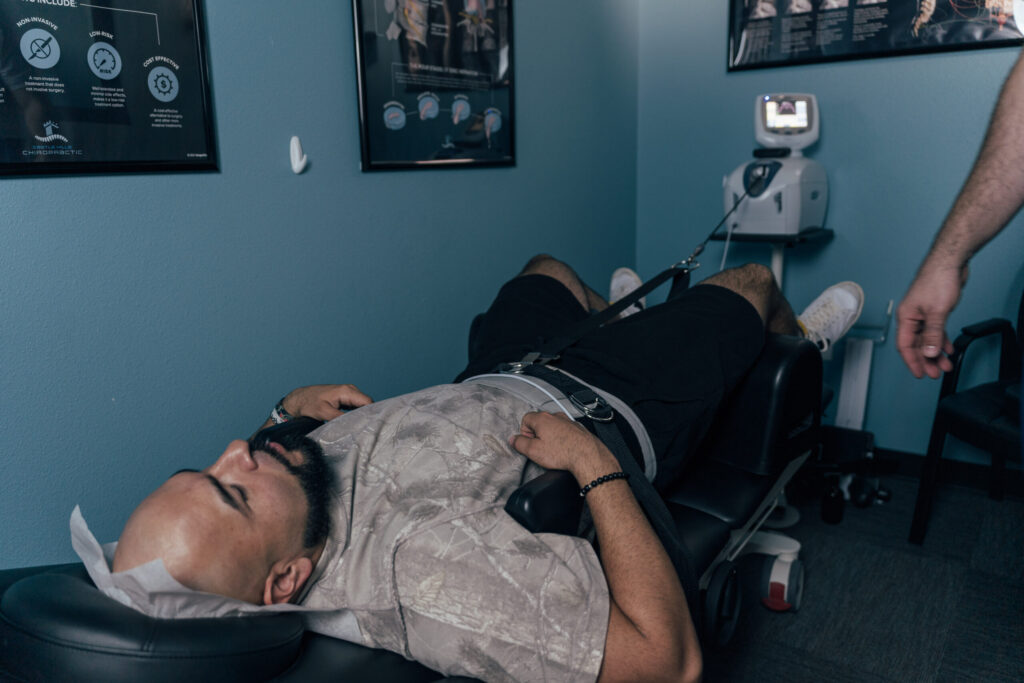
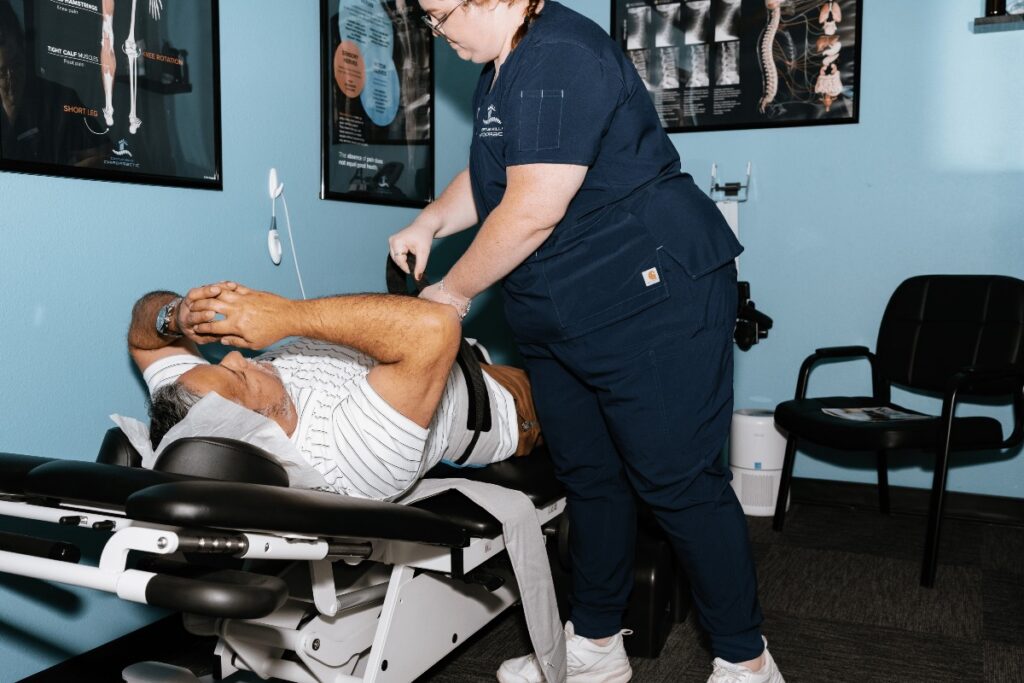
Understanding these causes is crucial, but it’s equally important to focus on effective prevention and management strategies. One of the best ways to promote a healthy spine is through chiropractic care. Chiropractic adjustments can help realign your spine, relieve tension, and improve your overall well-being.
Here are some simple tips you can incorporate into your daily routine to support a healthy back:
- Practice Good Posture: Whether you’re sitting at work or standing, maintaining a neutral spine posture can help reduce strain on your back. Sit up straight, keep your shoulders back, and avoid slouching.
- Lift Properly: When lifting heavy objects, bend at your knees and not at your waist. Keep the object close to your body and use your legs to lift, rather than your back.
- Stay Active: Regular physical activity strengthens your muscles and improves flexibility. Activities like walking, swimming, and yoga are excellent for your back health.
- Take Breaks: If you sit for long periods, make it a point to stand up and stretch every 30 minutes. This can help relieve tension and improve blood flow.
- Invest in a Good Chair: If you spend a lot of time sitting, consider an ergonomic chair that supports your lower back and promotes good posture.
- Hydrate: Staying hydrated is essential for maintaining the elasticity of your spinal discs. Aim to drink plenty of water throughout the day.
- Consult with a Chiropractor: Regular chiropractic visits can help keep your spine in alignment and prevent pain from becoming a chronic issue. Your chiropractor can provide personalized advice tailored to your lifestyle and needs.
By making these adjustments to your daily life and seeking the benefits of chiropractic care, you can take proactive steps toward achieving optimal health and reducing the risk of low back pain. Remember, a healthy spine is the foundation for a healthier life!
Key Takeaways
Low back pain is a common issue that many people face, but understanding its lifestyle causes can help you find effective relief. As a chiropractor, I want to share some insights that can lead you to a healthier, pain-free life.
- Stay Active: Regular physical activity is crucial for maintaining strong back muscles and flexibility. Engaging in exercises like walking, swimming, or yoga can help keep your back healthy and reduce stiffness. Aim for at least 30 minutes of activity most days.
- Ergonomics Matter: If you spend a lot of time sitting, it’s important to have an ergonomically-friendly workspace. Make sure your chair supports your lower back, your feet are flat on the ground, and your computer screen is at eye level. This can significantly reduce strain on your spine and help prevent discomfort.
- Lift Safely: When lifting heavy objects, remember to use your legs, not your back. Bend at your knees, keep the object close to your body, and avoid twisting your torso. Mastering proper lifting techniques can greatly reduce your risk of injury and back pain.
- Maintain a Healthy Weight: Carrying excess weight can place extra pressure on your spine and lead to discomfort. Eating a balanced diet and incorporating regular exercise can help you achieve and maintain a healthy weight, which in turn supports your back health.
- Manage Stress: Stress can lead to muscle tension in your back, causing soreness and making everyday tasks difficult. Consider practicing relaxation techniques such as deep breathing, meditation, or gentle stretching to help relieve tension and promote overall wellness.
By focusing on these lifestyle factors and incorporating them into your daily routine, you can enhance your spinal health and overall well-being. Chiropractic care can also be a powerful ally on your journey to pain relief and optimal health. Regular adjustments can help ensure your spine is aligned, support your physical activity, and improve your body’s natural healing ability. Remember, a healthier lifestyle leads to a happier back!
Understanding Low Back Pain: An Overview
Understanding low back pain is crucial for managing and preventing its disruption in your everyday life. Often, low back pain is linked to lifestyle choices such as inadequate physical activity, poor ergonomics, and weight management issues. You may not realize that sitting for extended periods or lifting heavy objects incorrectly can put unnecessary strain on your back. Additionally, stress can contribute significantly, leading to muscle tension and discomfort.
Listening to your body’s signals is key; if you’re experiencing persistent pain, it’s essential to address the root causes. One of the most effective ways to alleviate back pain and enhance your overall health is through chiropractic care. Chiropractors focus on aligning the spine and supporting your body’s natural ability to heal itself. Regular chiropractic adjustments can help restore your spinal function, reduce pain, and improve mobility.
Incorporating regular exercise into your routine is also beneficial. Activities that strengthen your core and enhance flexibility can help lower your risk of injury. Moreover, maintaining a healthy weight is important as it reduces the pressure on your spine.
Here are some general tips you can take away:
- Take breaks if you’re sitting for long periods; stand up, stretch, and move around.
- Use proper lifting techniques; bend your knees and keep the object close to your body.
- Incorporate gentle exercises like walking, swimming, or yoga to strengthen your back and improve flexibility.
- Consider regular chiropractic visits to keep your spine aligned and functioning optimally.
The Impact of Poor Posture on Your Spine
While it may seem harmless, poor posture can have a significant negative impact on your spinal health. When you slouch or hunch over, you’re putting extra strain on your spine and the surrounding muscles. Over time, this can lead to discomfort and even chronic pain. It’s important to understand that the alignment of your spine affects not only your back but also other areas of your body, including your neck and shoulders.
If you often find yourself sitting for long periods, it’s easy to develop bad habits without realizing it. Those small adjustments in your posture can accumulate and lead to bigger issues. By making a conscious effort to practice good posture, you can greatly reduce the risk of back pain and enhance your overall well-being.
Here are some simple tips to help you maintain better posture throughout the day:
- Keep your shoulders back and relaxed.
- Align your head with your spine, avoiding forward leaning.
- Ensure your feet are flat on the ground when sitting, or use a footrest if necessary.
- Take regular breaks to stand up, stretch, and move around.
Incorporating these changes can make a world of difference in how your back feels day-to-day. Remember, chiropractic care is an excellent option for addressing posture-related issues and promoting natural healing. Regular visits to your chiropractor can help realign your spine, reduce pain, and support your journey towards optimal health.
Embrace the power of chiropractic for a healthier, pain-free life!
Sedentary Lifestyle and Its Connection to Back Pain
If you find yourself sitting for long hours, you may start to feel tension and discomfort in your back.
Extended periods of sitting can lead to poor posture, putting unnecessary strain on your spine.
It’s essential to recognize how these daily habits might be contributing to your back pain and take proactive steps to alleviate it.
As a chiropractor, I want to emphasize that chiropractic care is a natural and effective way to address back pain and promote overall wellness.
By focusing on spinal health, chiropractic adjustments can help restore proper alignment, reduce tension, and improve your body’s function.
Here are some simple tips to help you counteract the effects of a sedentary lifestyle:
1. Take Regular Breaks: Aim to stand up and move around every 30 to 60 minutes.
A quick stretch or a short walk can make a big difference in relieving tension.
2. Practice Good Posture: Make sure your workstation is ergonomically set up.
Keep your feet flat on the floor, your back straight, and your monitor at eye level to minimize strain on your spine.
3. Incorporate Stretching: Gentle stretches can help keep your muscles flexible and reduce stiffness.
Focus on stretches that target the back, hips, and legs.
4. Stay Active: Engage in regular physical activity that you enjoy.
Whether it’s walking, swimming, or yoga, staying active helps strengthen your back and improve your overall well-being.
5. Consider Chiropractic Care: Regular visits to a chiropractor can help maintain your spinal health, relieve pain, and prevent future issues.
A chiropractor can provide personalized care and guidance tailored to your needs.
By being mindful of your habits and incorporating these tips into your routine, you can take significant steps toward alleviating back pain and promoting a healthier lifestyle.
Prolonged Sitting Effects
Prolonged sitting can quietly harm your back health, especially in our increasingly sedentary lifestyles. When we sit for extended periods, the muscles in our back can weaken and lose their ability to provide the support our spine needs. This lack of movement can lead to stiffness and discomfort, making it challenging to stay active and enjoy a fulfilling life.
As your core muscles weaken, they struggle to support your spine adequately, which can heighten your risk of injury. You may also experience tension from staying in one position too long, resulting in sharp pains or dull aches that can interfere with your daily activities.
To counteract these effects and promote a healthier back, consider incorporating short breaks throughout your day to stand, stretch, or take a brief walk. Movement is key! Regularly changing your position can help keep your muscles engaged and your spine in optimal condition.
As a chiropractor, I want to emphasize the importance of chiropractic care in maintaining your spinal health. Regular adjustments can help alleviate pain, restore proper alignment, and enhance your overall wellness. By prioritizing movement and seeking chiropractic support, you can take significant steps toward a healthier, pain-free lifestyle. Remember, your back health is essential for your overall well-being!
Poor Posture Impact
Poor posture is something many of us experience, especially after long hours of sitting while working or enjoying our favorite activities. It’s easy to find yourself slouching or leaning forward, which places unnecessary strain on your spine and surrounding muscles. This type of misalignment can lead to discomfort and, over time, chronic back pain. As your muscles weaken from inactivity, they struggle to support your spine effectively, making the situation worse.
As a chiropractor, I want to emphasize the importance of maintaining proper posture for your overall spinal health. Here are some practical tips to help you improve your posture and reduce your risk of back pain:
- Take Breaks: Remember to stand up, stretch, and move around periodically. This helps to relieve tension in your muscles and reset your posture.
- Adjust Your Sitting Position: Ensure your chair supports your lower back, and keep your feet flat on the floor. Your screen should be at eye level to prevent leaning forward.
- Use Ergonomic Furniture: Invest in ergonomic chairs and desks that encourage better posture. They can make a significant difference in how you sit throughout the day.
- Strengthen Your Core: Incorporate exercises that strengthen your core muscles. A strong core supports your spine and helps you maintain good posture.
- Chiropractic Care: Regular visits to a chiropractor can help realign your spine and improve your posture. Chiropractic adjustments can relieve discomfort, enhance mobility, and promote overall wellness.
Improper Lifting Techniques: A Common Culprit
When it comes to lifting heavy objects, your posture plays a crucial role in ensuring your back stays healthy. Improper lifting techniques can lead to strain and discomfort, but with a few simple adjustments, you can protect your spine and enhance your overall well-being. Here are some effective tips to lift correctly and maintain a pain-free back:
- Stand Close to the Object: Keep the item you’re lifting as close to your body as possible. This reduces the strain on your back and allows for better weight distribution.
- Bend at the Hips and Knees: Instead of bending over at your waist, squat down by bending your hips and knees. This engages your leg muscles and takes the pressure off your back.
- Keep Your Back Straight: Maintain a neutral spine position throughout the lift. This means keeping your back straight and avoiding twists or awkward angles.
- Lift with Your Legs: Your legs are much stronger than your back. As you lift, focus on pushing up with your legs rather than pulling with your back.
- Avoid Twisting: If you need to turn while holding a heavy object, move your feet instead of twisting your torso. This helps to keep your spine aligned and reduces the risk of injury.
- Ask for Help: If an item is too heavy or awkward to lift alone, don’t hesitate to ask for assistance. Teamwork can prevent injuries and make lifting much safer.
In addition to these lifting techniques, regular chiropractic care can play a significant role in maintaining a healthy spine and preventing pain. By addressing misalignments and promoting proper function of your nervous system, chiropractic adjustments can enhance your overall health and support your body’s natural healing processes.
Correct Posture Importance
Maintaining correct posture is crucial for preventing low back pain, especially during lifting activities. As a chiropractor, I want to emphasize how adopting the right lifting technique can make a significant difference in your spinal health. When you lift with a straight back and an engaged core, you’re not just distributing weight evenly; you’re also reducing the strain on your spine, which is vital for your overall well-being.
Instead of bending at your waist, remember to bend at your knees and keep the object close to your body. This simple adjustment minimizes the risk of injury and helps you maintain balance. It’s also important to keep your shoulders back and your head aligned with your spine. If you catch yourself slouching or leaning, take a moment to reassess your position.
Practicing correct posture doesn’t just protect your back; it promotes overall body alignment, enhancing your strength and stability. By prioritizing good posture, you significantly lower your chances of developing low back pain.
In addition to these techniques, consider incorporating regular chiropractic care into your wellness routine. Chiropractic adjustments can help realign your spine, improve your posture, and support your body’s natural healing processes. By focusing on natural wellness, you can achieve optimal health and live pain-free. Remember, your posture is an essential part of your overall health—take care of it, and it will take care of you!
Weight Distribution Techniques
Inadequate weight distribution while lifting can lead to significant low back pain, something many of us experience at some point in our lives. When you lift heavy objects using improper techniques, the strain on your back can increase dramatically. It’s natural to want to use your back muscles instead of your legs, but this can lead to misalignment of your spine and result in injury.
To support your spinal health and prevent discomfort, always keep the load close to your body. This simple adjustment helps maintain balance and significantly reduces the stress on your lower back. If you find yourself lifting in an awkward position, don’t hesitate to shift your stance or adjust your grip. By being mindful of how you distribute weight, you can avoid unnecessary strain.
Safe Lifting Practices
Improper lifting techniques can quickly turn a simple task into a source of low back pain, affecting your overall wellness. As your local chiropractor, I want to emphasize the importance of safe lifting practices to help you maintain a healthy spine and avoid unnecessary discomfort.
To lift safely, always bend at your knees rather than at your waist. This technique helps protect your back and spine.
Keep the load close to your body; this minimizes strain on your back and allows for better control. Remember to maintain a straight back while lifting, and engage your core muscles for added support—think of your core as your body’s natural weight belt!
When you need to turn while holding a load, pivot your feet instead of twisting your torso. Twisting can put undue stress on your spine and lead to injury.
If you encounter a heavy or awkward item, don’t hesitate to ask for help or utilize tools like dollies or lifting straps. It’s always better to take a moment to lift safely than to risk long-term back pain.
Prioritizing these safe lifting practices not only helps you avoid injury but also promotes overall spinal health. If you do experience discomfort, chiropractic care is an excellent option for natural pain relief and healing. It focuses on restoring your body’s alignment and function without the need for invasive procedures or medications.
The Role of Core Strength in Back Health
Regularly engaging your core muscles is essential for maintaining a healthy back, and as a chiropractor, I can’t stress enough how vital this connection is. A strong core acts like a sturdy foundation for your spine, helping to relieve pressure on your lower back. When your core is weak, it can lead to poor posture and an increased risk of pain, making it all the more important to focus on strengthening these muscles.
Here’s a straightforward overview of some effective core exercises and their benefits:
| Exercise | Benefit |
|---|---|
| Planks | Improves stability and balance |
| Bridges | Strengthens the lower back |
| Russian Twists | Enhances rotational strength |
Incorporating these exercises into your daily routine can significantly support your core strength, contributing to better back health. Remember, consistency is key! Aim to engage your core regularly to experience long-term benefits.
In addition to these exercises, consider visiting a chiropractor to ensure your spine is properly aligned. Chiropractic care not only helps relieve pain but also promotes overall wellness by addressing the root causes of discomfort. By optimizing your spinal health, you can enhance your body’s natural ability to heal and function effectively.
For everyday tips, try to maintain good posture while sitting and standing, and take breaks to stretch throughout the day. Your back will thank you for it!
Stress and Its Effect on Muscle Tension
Stress can significantly contribute to muscle tension, particularly in your back. When you’re under stress, your body reacts by entering fight-or-flight mode, which causes your muscles to tighten as a protective measure. This tension often accumulates in your back, leading to discomfort and pain. After a long, stressful day, you might find that your back feels sore or stiff, making even simple tasks feel daunting.
Understanding the link between stress and muscle tension is essential for managing low back pain. Here at our chiropractic clinic, we believe that addressing both your physical and mental well-being is crucial for achieving optimal health. Incorporating stress-reduction techniques into your daily routine can help alleviate muscle tension and improve your overall comfort. Consider practices like deep breathing exercises, meditation, or gentle stretching to help release tightness in your muscles.
Chiropractic care also plays a vital role in supporting your body’s natural healing process. Regular adjustments can help relieve tension in your spine and improve your posture, which can further reduce discomfort caused by stress. By focusing on reducing your stress levels and enhancing your spinal health, you can’t only improve your mental state but also promote a healthier back.
Don’t underestimate the importance of managing stress through chiropractic care and lifestyle adjustments. By taking these steps, you can enhance your overall quality of life and enjoy a more comfortable, pain-free existence. Remember, your health is your wealth, and we’re here to support you every step of the way!
Ergonomics: Creating a Back-Friendly Workspace
Creating a back-friendly workspace is crucial for preventing low back pain, especially for those of us spending long hours at a desk. Simple ergonomic adjustments can make a significant difference in your comfort and productivity, and they complement the benefits of chiropractic care in maintaining a healthy spine.
Here are some key tips to consider that promote both wellness and spinal health:
- Chair Height: Adjust your chair so that your feet rest flat on the floor, with your knees at a comfortable 90-degree angle. This position helps to support your lower back and maintain proper spinal alignment.
- Monitor Position: Ensure your monitor is at eye level. This helps prevent unnecessary strain on your neck and back, allowing for a more relaxed posture. Remember, your head should be aligned with your spine.
- Keyboard and Mouse: Keep your keyboard and mouse close to your body to avoid reaching, which can lead to shoulder strain. Your elbows should be at about a 90-degree angle, resting comfortably at your sides.
- Support: Utilize a lumbar support cushion or a rolled towel in your chair to maintain the natural curve of your lower back. This simple addition can greatly improve your posture and reduce discomfort.
- Frequent Breaks: Take a moment to stand, stretch, or walk every 30 minutes. This helps alleviate pressure on your spine and encourages better circulation. Remember, moving your body is essential for spinal health!
Incorporating these changes into your daily routine not only enhances your comfort while working but also supports your overall health and well-being. Regular chiropractic care can further help you achieve optimal spinal health and provide pain relief, allowing you to enjoy a more active and fulfilling life.
Prioritize your spine, and you’ll notice the positive impact on your daily activities!
Conclusion
To summarize, taking an active role in your lifestyle can significantly reduce your risk of low back pain. By focusing on your posture, staying physically active, using proper lifting techniques, and strengthening your core muscles, you can better support your spine and overall health. Don’t overlook the importance of a well-organized workspace and effective stress management techniques, as they can play a crucial role in maintaining a healthy back.
As a chiropractor, I believe that natural healing through chiropractic care is one of the best ways to achieve optimal health. Regular chiropractic adjustments can help align your spine, alleviate discomfort, and enhance your body’s ability to heal itself. Remember, small changes can lead to big improvements. So, start incorporating these strategies today, and consider scheduling a visit to your chiropractor for personalized guidance. Together, we can work towards a healthier, pain-free back!