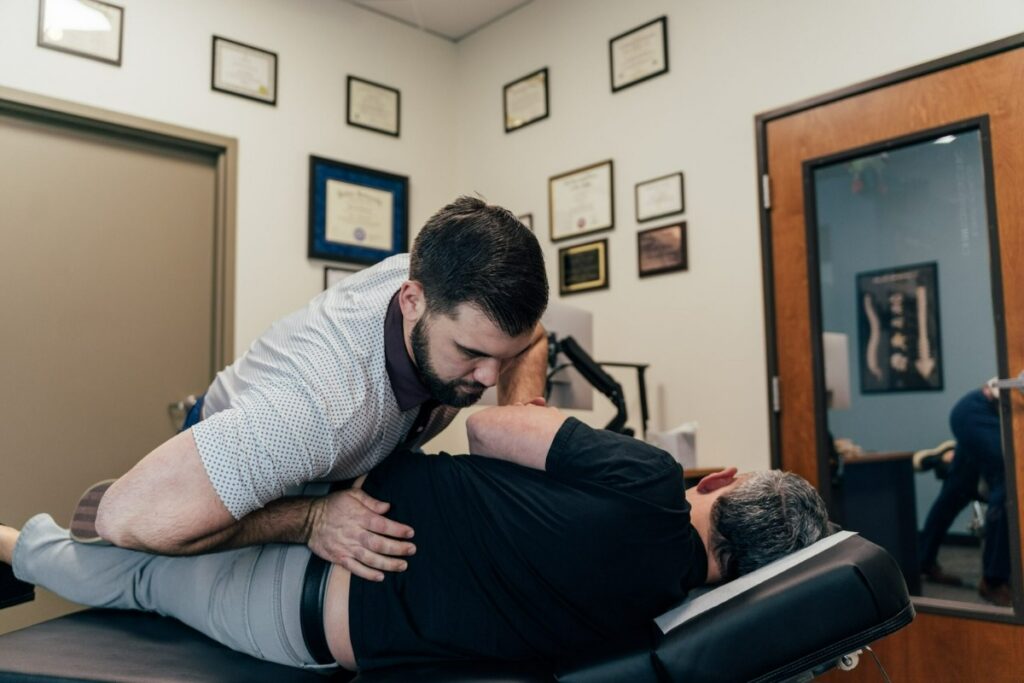
Tension headaches can be a frustrating experience, but as a local chiropractor, I want to share with you some simple techniques for finding relief and promoting overall wellness. It’s important to first recognize what may be triggering your headaches—often, stress, poor posture, and muscle tension are key culprits. By incorporating effective stretches and relaxation methods into your daily routine, along with making conscious posture corrections, you can make significant strides in alleviating pain.
Chiropractic care is an excellent option for addressing the root causes of tension headaches. Regular adjustments can improve spinal alignment, reduce muscle tension, and promote better nerve function, leading to fewer headaches over time. Additionally, staying hydrated is crucial—dehydration can exacerbate headaches, so be sure to drink plenty of water throughout the day.
Creating a calming environment can also support your efforts in managing headaches. Consider setting aside a quiet space for relaxation and mindfulness practices, such as deep breathing or gentle yoga. These practices can help reduce stress and tension, further enhancing your overall health.
If you’re curious about how to effectively implement these strategies, let’s explore them together. Remember, chiropractic care not only helps relieve your tension headaches but also plays a vital role in your journey towards optimal health and wellness.
Key Takeaways
- Maintain good posture by keeping your shoulders back and your neck aligned, especially during long periods of sitting. This simple adjustment can help reduce tension and prevent headaches from occurring.
- Remember to take regular breaks to stretch your neck and shoulders. This practice can effectively relieve built-up tension that may contribute to headache discomfort.
- Stay hydrated by drinking at least 8 glasses of water daily. Proper hydration is essential for overall health and can help prevent headaches naturally.
- Incorporate relaxation techniques such as deep breathing or mindfulness meditation into your daily routine. These practices can significantly reduce stress and muscle tension, enhancing your overall well-being.
- Consider scheduling regular chiropractic visits. Chiropractic care focuses on correcting spinal misalignments, which can alleviate headache frequency and intensity. By addressing the root cause of tension and pain, chiropractic care provides a natural, effective approach to achieving optimal health and wellness.
Understanding Tension Headaches
Tension headaches are a common issue that many people face, but understanding their causes and symptoms can help you manage them naturally and effectively. These headaches often feel like a tight band around your head, accompanied by dull, aching pain. You may also notice increased sensitivity in your scalp, neck, or shoulders. Unlike migraines, tension headaches typically don’t involve nausea or visual disturbances.
Key contributors to tension headaches include stress, poor posture, and muscle tension. Often, you might find these headaches develop after a long day at work or during intense concentration. By recognizing these symptoms, you can take proactive steps toward relief.
One of the best ways to combat tension headaches is through chiropractic care. Chiropractors focus on aligning your spine and improving your overall nervous system function, which can help alleviate tension in your muscles and reduce headache frequency. Regular spinal adjustments can lead to better posture and reduced muscle tension, setting the stage for a healthier, pain-free life.
In addition to chiropractic adjustments, here are some general tips to help manage tension headaches:
- Practice Good Posture: Ensure that your workstation is ergonomically friendly. Sit up straight and take breaks to stretch your neck and shoulders.
- Stay Hydrated: Dehydration can lead to headaches, so drink plenty of water throughout the day.
- Manage Stress: Incorporate relaxation techniques such as deep breathing, meditation, or yoga into your daily routine to reduce stress and tension.
- Incorporate Regular Exercise: Physical activity can help relieve tension and improve overall health. Even simple activities like walking can make a big difference.
- Get Adequate Sleep: A good night’s sleep is essential for recovery and can help prevent headaches.
By listening to your body and implementing these strategies, you can take control of your health and reduce the occurrence of tension headaches naturally. Remember, chiropractic care is a powerful tool in achieving optimal wellness and can provide lasting relief from pain.
If you’re struggling with tension headaches, consider visiting your local chiropractor to explore how spinal adjustments can support your health journey.
Identifying Triggers
To effectively relieve tension headaches, it’s essential to identify what triggers them. As a chiropractor, I often see how common lifestyle factors, environmental influences, and stress can contribute to discomfort. By recognizing these triggers, you can take proactive steps to minimize their impact on your health and well-being.
One of the first steps in managing tension headaches is to pay attention to your daily habits. Factors such as poor posture, lack of hydration, and inadequate sleep can significantly contribute to tension in your neck and shoulders, leading to headaches. Simple adjustments like maintaining good posture while sitting or standing, drinking plenty of water throughout the day, and ensuring you have a restful sleep environment can make a big difference.
Additionally, stress management techniques are vital. Regular chiropractic adjustments can help alleviate physical tension in your spine and improve your overall nervous system function, leading to better stress management and less headache frequency. Incorporating relaxation practices such as deep breathing, meditation, or gentle yoga into your routine can also be beneficial.
Common Lifestyle Factors
Many individuals may not realize that common lifestyle factors can contribute to their tension headaches. As a chiropractor, I want to shed light on how elements like stress, poor posture, and inadequate hydration play a role in your discomfort. Understanding these factors is key to managing headaches naturally and effectively, and chiropractic care can be a vital part of this journey.
| Lifestyle Factor | Impact on Headaches | Tips for Improvement |
|---|---|---|
| Stress | Creates muscle tension, often leading to headaches | Incorporate relaxation techniques, such as deep breathing or gentle stretching, to help ease tension. Chiropractic adjustments can also help relieve stress by promoting overall body alignment. |
| Poor Posture | Puts strain on your neck and shoulders, which can trigger headaches | Ensure your workspace is ergonomically friendly and take regular breaks to stretch. Chiropractic care can help improve your posture and reduce the likelihood of headaches. |
| Dehydration | Can cause fatigue and discomfort, increasing headache chances | Aim to drink about 8 glasses of water a day to stay hydrated. Proper hydration supports your body and can enhance the benefits of chiropractic adjustments. |
Environmental Influences
Identifying environmental influences is crucial in managing your tension headaches, as your everyday surroundings can play a significant role in triggering discomfort. One area to focus on is your workspace. Ensure that you have good lighting and a comfortable chair that supports your spine. Poor posture can lead to strain on your neck and back, which often contributes to tension headaches.
Noise levels are another important factor. Excessive noise can increase your sensitivity to pain, making it essential to create a peaceful environment. Consider using sound-dampening materials or calming background music to help reduce distractions.
Air quality is also key. Pollutants or strong odors can lead to headaches, so make sure your space is well-ventilated and free from irritants.
Temperature can influence your comfort as well; if your environment is too hot or too cold, it may cause tension in your muscles. Dressing appropriately or adjusting your thermostat can help maintain a comfortable climate.
If you find that certain environments trigger your headaches, consider keeping a headache diary. Tracking when and where your headaches occur can help you identify patterns and adjust your surroundings accordingly.
By recognizing and adjusting these environmental factors, you can create a more comfortable space that helps minimize tension headaches. Additionally, regular chiropractic care can be an effective way to address the underlying issues contributing to your discomfort. Chiropractors focus on spinal alignment and overall wellness, which can significantly improve your quality of life and reduce headache frequency.
Embracing these natural strategies can lead to a healthier and more balanced lifestyle.
Stress Management Techniques
Managing stress is crucial for overall well-being, especially when it comes to alleviating tension headaches. As a chiropractor, I often emphasize the importance of understanding your body’s signals. One effective way to do this is by keeping a journal. Track your daily activities, moods, and the occurrence of headaches. By noting when headaches strike and what may have led to them, you may uncover patterns—like stressful meetings or insufficient sleep—that contribute to your discomfort.
Additionally, your environment plays a significant role in how you feel. Bright lights, loud noises, or certain scents can heighten stress levels and lead to headaches. Once you identify your personal triggers, you can create strategies to manage them effectively.
Incorporating natural techniques such as deep breathing exercises, gentle stretches, and regular breaks during stressful moments can help alleviate tension. Remember, chiropractic care is an excellent option for addressing the root causes of pain and discomfort. Regular adjustments can help keep your spine aligned, reducing stress on your nervous system and promoting overall wellness.
Stretching Exercises for Relief
Stretching exercises can be an excellent way to find relief from tension headaches while also promoting overall wellness. As a chiropractor, I often see how muscle tightness and poor posture can contribute to headaches, and incorporating simple stretches into your day can help alleviate that discomfort naturally.
When you sense a headache starting, take a moment to stretch your neck and shoulders. Begin by gently tilting your head from side to side, holding each position for about 15 seconds. This simple movement can help loosen tight muscles and improve blood flow.
Next, consider rolling your shoulders in a circular motion, both forward and backward. This can further release tension built up in your upper body and enhance your circulation, which is vital for reducing headache symptoms.
Another effective stretch is the chest opener. Clasp your hands behind your back, gently pull your shoulders down and back, and open up your chest. This stretch helps counteract the tightness that often results from poor posture, especially if you’re sitting at a desk for long periods.
Don’t forget about your back! Seated forward bends can work wonders. Sit at the edge of a chair, hinge at your hips, and reach toward your toes, holding that stretch for about 20 seconds. This not only stretches your back but also encourages proper spinal alignment.
Incorporating these stretches into your daily routine can significantly reduce the frequency and intensity of tension headaches. Remember, regular chiropractic care also plays a crucial role in maintaining optimal spinal health and preventing headaches. By focusing on alignment and overall wellness, you can enjoy a healthier, headache-free life!
Effective Relaxation Techniques
To ease tension headaches, it’s essential to incorporate effective relaxation techniques that can help you unwind and support your overall wellness. As a chiropractor, I believe that natural methods are key to achieving optimal health. Deep breathing exercises, progressive muscle relaxation, and mindfulness meditation are powerful tools that not only help alleviate headaches but also promote better spinal health and overall well-being. Let’s explore how each of these techniques can bring you relief and enhance your quality of life.
- Deep Breathing Exercises: This simple yet effective practice can help reduce stress and lower muscle tension, which are common contributors to tension headaches. Try taking a few moments each day to focus on your breath. Inhale deeply through your nose, allowing your diaphragm to expand, and then exhale slowly through your mouth. Repeat this for several minutes, and you’ll feel the tension begin to melt away.
- Progressive Muscle Relaxation: This technique involves tensing and then relaxing different muscle groups throughout your body. Start at your toes and work your way up to your head. By consciously releasing tension, you can promote relaxation and reduce the likelihood of headaches. This practice not only soothes your muscles but also enhances your overall spinal alignment, which is vital for maintaining good health.
- Mindfulness Meditation: Taking time to be present and aware can significantly reduce stress levels. Find a comfortable space, close your eyes, and focus on your breath or a calming mantra. Allow thoughts to come and go without judgment. Regular mindfulness practice can improve your mental clarity and emotional resilience, ultimately supporting your body’s natural healing processes.
In addition to these techniques, remember to maintain good posture throughout your day, stay hydrated, and incorporate regular chiropractic care into your wellness routine. Chiropractic adjustments can align your spine, reduce tension, and enhance your body’s ability to heal naturally.
Deep Breathing Exercises
Practicing deep breathing exercises can be an effective and natural way to relieve tension headaches and promote relaxation. Focusing on your breath helps center your mind and allows stress to fade away, making it a perfect complement to chiropractic care for achieving overall wellness.
Here are some simple techniques to incorporate into your daily routine:
- Inhale deeply through your nose, filling your lungs completely. This increases oxygen flow, which is essential for your body’s healing processes.
- Hold your breath for a count of four. This moment of pause helps build awareness of your body and any tension that may be lingering.
- Exhale slowly through your mouth, imagining all the stress leaving your body. Visualizing this can help enhance the relaxation effect.
- Pause for a moment before your next breath, taking time to enjoy the calmness that surrounds you.
Repeat this cycle several times, picturing each breath as a wave washing over you, soothing your mind and easing pain. Regular practice of deep breathing can be a valuable tool for managing tension headaches, and when combined with chiropractic adjustments, it can lead to a more pain-free and balanced life.
Remember, chiropractic care focuses on addressing the root causes of pain and promoting natural healing.
Progressive Muscle Relaxation
Building on the benefits of deep breathing, Progressive Muscle Relaxation (PMR) is a fantastic technique that can complement your journey toward optimal health and wellness, especially when it comes to relieving tension headaches. PMR involves a simple process of tensing and then relaxing different muscle groups throughout your body, which can help release built-up tension that may contribute to headaches.
To get started, find a comfortable position and close your eyes. Take a few deep breaths to center yourself—this helps you prepare for relaxation. Begin with your toes: clench the muscles tightly for a few seconds, then let go and notice the difference. Gradually work your way up through your legs, abdomen, back, arms, and face, repeating the tensing and relaxing process. As you let go of the tension, visualize the stress melting away, leaving you feeling lighter and more at ease.
Incorporating PMR into your daily routine can be a great way to enhance your relaxation and overall well-being. Remember, managing tension and stress is key to preventing headaches, and chiropractic care plays a vital role in supporting a healthy spine and nervous system, which are essential for your body’s natural healing processes.
Mindfulness Meditation Techniques
Incorporating mindfulness meditation techniques into your daily routine can be an effective way to alleviate tension headaches and promote overall wellness. These simple practices not only help you focus your mind but also support your body’s natural healing processes, making them a great complement to chiropractic care.
Here are four effective techniques you can try:
- Breath Awareness: Close your eyes and take deep, slow breaths. Focus on the sensation of air flowing in and out of your body. This practice helps calm your mind and reduce stress, which can be beneficial for relieving headache pain.
- Body Scan: Mentally scan your body from head to toe, noticing areas of tension. As you identify these spots, consciously relax them. This technique not only enhances body awareness but also aligns well with the principles of chiropractic care, which emphasize the importance of a relaxed and balanced body.
- Guided Visualization: Imagine a serene landscape—picture the colors, sounds, and scents to immerse yourself in a state of calm. This mental imagery can help distract from pain and promote relaxation, allowing your body to heal more effectively.
- Mindful Walking: Take a slow, deliberate walk, paying attention to each step and the sensations in your feet. This practice connects you with nature and encourages mindfulness, which can help reduce stress and tension that contribute to headaches.
Posture Correction Tips
While you mightn’t realize it, poor posture can significantly contribute to tension headaches, a common issue many people face. As a chiropractor, I want to help you understand the importance of maintaining good posture for your overall health and well-being.
To correct your posture, start by being mindful of how you sit and stand throughout your day. Keep your shoulders back and down, aligning them with your ears.
When you’re seated, ensure your feet are flat on the floor, and your knees are at a right angle. If you work at a desk, consider using an ergonomic chair that supports your lower back, which can help alleviate any unnecessary strain on your spine.
Regular breaks are essential for maintaining good posture and reducing tension. Stand up every hour, and take a moment to gently roll your shoulders and neck to relieve any built-up tension.
When using your phone or computer, hold the device at eye level. This simple adjustment can prevent you from craning your neck and help keep your spine aligned.
Additionally, practice sitting up straight while walking. Imagine a string pulling you up from the top of your head, helping to keep your spine straight and your chin parallel to the ground. These small changes can have a profound impact on your posture and overall comfort.
Implement these tips consistently, and you may notice a reduction in headache frequency and an improvement in your overall well-being. Remember, chiropractic care is an excellent resource for addressing posture-related concerns and achieving optimal health naturally. If you’re experiencing discomfort or headaches, don’t hesitate to seek the guidance of a chiropractor who can provide personalized care to help you feel your best.
Breathing Exercises to Reduce Stress
Practicing breathing exercises can be an effective way to reduce stress and alleviate tension headaches, which often stem from misalignments in the spine. Focusing on your breath not only centers your mind but also helps relax your body, promoting overall wellness. As a chiropractor, I encourage you to incorporate these breathing techniques alongside regular chiropractic care for optimal health. Here’s a straightforward method to get you started:
- Find a quiet space: Choose a comfortable spot where you can sit or lie down without interruptions. This peaceful environment can enhance your experience.
- Close your eyes: Doing so allows you to tune into your body and breath, promoting a deeper connection to your physical and mental state.
- Inhale deeply: Breathe in slowly through your nose for a count of four. As you do, feel your abdomen expand fully, which helps promote proper oxygen flow and can support spinal health.
- Exhale fully: Gently let your breath out through your mouth for a count of six, consciously releasing any tension you may be holding in your body.
Repeat this cycle for five minutes. You’ll find that focusing on your breath can be incredibly calming, easing stress and tension.
The Benefits of Hydration
Staying hydrated is crucial for your overall health and well-being, including your spinal health. Water plays a vital role in many bodily functions, from regulating temperature to transporting nutrients and eliminating waste. When you’re well-hydrated, your body can function more effectively, which is especially important for your spine and nervous system. Proper hydration helps keep your spinal discs healthy, allowing them to cushion your vertebrae and protect your nerves.
Dehydration can lead to increased tension, headaches, and even discomfort in your back and neck, which makes it essential to drink plenty of fluids throughout the day. Aim for at least eight glasses of water daily, but remember to adjust this based on your activity level and the climate you’re in. Foods with high water content, such as cucumbers, watermelon, and leafy greens, can also contribute to your hydration and support your overall health.
When you prioritize hydration, you may notice reduced stress levels and an improvement in your mood. This can positively impact your spinal health and overall wellness. So, keep a water bottle handy and sip regularly throughout the day.
Alongside maintaining good hydration, consider incorporating chiropractic care into your wellness routine to help achieve optimal health and relieve any discomfort you may be experiencing. Your body and mind will truly appreciate the benefits!
Creating a Calm Environment
To relieve tension headaches, creating a calm environment is essential, and chiropractic care can play a significant role in your overall well-being. As a chiropractor, I often see how stress and discomfort in the spine can contribute to these headaches. By focusing on natural methods, we can help you achieve optimal health.
Start by adjusting the lighting in your space. Soft, warm lighting can create a soothing atmosphere. Decluttering your environment is also key; a tidy space can help reduce stress and promote relaxation. Consider incorporating gentle sounds, like calming music or nature sounds, to enhance your peaceful surroundings.
In addition to these adjustments, regular chiropractic care can help address the root causes of tension headaches. By aligning your spine and relieving nerve interference, you can experience improved overall health and reduced headache frequency. It’s a natural approach that supports your body’s ability to heal itself.
Dim Lighting Effects
Dim Lighting Effects for Natural Relief
As a chiropractor, I understand that creating a soothing environment can play a significant role in alleviating tension headaches. Often, dim lighting can help foster a calm atmosphere that aids in easing discomfort, all while promoting overall wellness. Here are some simple tips for creating that perfect ambiance to support your health:
- Use Soft Lamps: Opt for lamps with warm-toned bulbs that emit a gentle light. This helps minimize harsh glare, making it easier for your body to relax and reducing strain on your eyes.
- Drape Fabrics: Consider hanging sheer curtains or utilizing soft throws to diffuse natural light entering your space. This not only softens the light but also contributes to a cozy environment, which can enhance your sense of relaxation.
- Incorporate Candles: Lighting scented candles can provide a warm glow and calming aromas, both of which can help ease tension and promote a peaceful mindset. Aromatherapy can be a natural way to enhance your wellness journey.
- Opt for Dimmers: Installing dimmer switches allows you to easily adjust the brightness of your lights based on your mood and needs. This flexibility can help create an atmosphere conducive to relaxation and pain relief.
Declutter Your Space
Clearing out clutter can significantly enhance your overall well-being, especially if you’re experiencing tension headaches. As a chiropractor, I understand the importance of a peaceful environment in promoting relaxation and reducing stress on your body. Take a moment to assess your surroundings. Are there items cluttering your space that no longer serve a purpose?
Begin by sorting through your belongings, keeping only what brings you joy or is essential to your daily life. Designate a specific spot for each item to reduce chaos and help maintain a sense of order. A tidy environment can alleviate mental clutter, making it easier for you to unwind and focus on your health.
Consider organizing your desk, shelves, and living spaces. Even small adjustments, like removing unnecessary items from your workspace, can foster a more serene atmosphere. This not only creates a visually appealing environment but also sets the stage for a clearer mind, which can contribute to alleviating headaches.
Soothing Soundscapes
Creating a tidy environment is essential for promoting overall wellness, but enhancing that space with soothing soundscapes can significantly boost your relaxation and support a healthier lifestyle. Just like chiropractic care, which focuses on natural healing and optimal health, these calming sounds can help alleviate tension and foster a sense of peace. Here are some soundscapes to consider incorporating into your daily routine:
- Gentle Waves: Imagine the rhythmic ebb and flow of ocean waves. Just like maintaining proper spinal alignment can wash away discomfort, the sound of waves can wash away your stress and create a calming atmosphere.
- Whispering Wind: Picture a soft breeze rustling through trees. This gentle sound can mirror the relief felt after a chiropractic adjustment, as it helps carry your worries away, promoting a sense of freedom and relaxation.
- Birdsong: Envision the cheerful melodies of birds. Much like the uplifting effects of chiropractic care on your mental and physical well-being, these natural sounds can elevate your mood and spirit.
- Soft Rain: Visualize the calming patter of rain against windows. This soothing sound can mimic the relief you feel after a chiropractic session, lulling you into a serene state and encouraging relaxation.
Using Heat or Cold Therapy
When tension headaches strike, it’s essential to find effective relief, and heat or cold therapy can be wonderful tools in your wellness toolkit. As a chiropractor, I often recommend these methods alongside regular chiropractic care for optimal health.
You can start by applying a warm compress or heating pad to the back of your neck or forehead. The gentle heat helps relax tight muscles, alleviating the tension that often leads to headaches. Just be cautious to ensure the heat isn’t too intense to avoid burns.
On the other hand, you might find that cold therapy can also be beneficial. A cold pack or even a bag of frozen peas wrapped in a cloth can help soothe inflammation and numb the pain. Placing it on your forehead for about 15-20 minutes can provide relief, but be sure to take breaks if you need to.
Finding what works best for you is key. Some people prefer the soothing warmth of heat, while others may find relief with the refreshing coolness of cold therapy. Always pay attention to how your body reacts, adjusting your approach to maximize comfort and minimize headache discomfort.
In addition to these therapies, regular chiropractic care can help address the underlying issues contributing to tension headaches. By focusing on spinal alignment and muscle tension, chiropractic adjustments can improve overall wellness and reduce the frequency and intensity of headaches. Remember, a holistic approach to your health, which includes heat or cold therapy and chiropractic care, can lead you to a more balanced and pain-free life.
When to Seek Professional Help
Sometimes, despite your best efforts with heat or cold therapy, tension headaches can persist or even worsen. It’s important to recognize when it’s time to seek help from a professional. Here are some signs that you should consider visiting your chiropractor:
- Severe pain that disrupts your daily activities or sleep can be a sign that there’s an underlying issue that needs to be addressed.
- Frequent headaches, especially if they occur more than twice a week, may indicate that your body needs a more thorough evaluation.
- Changes in vision or other neurological symptoms, like dizziness or weakness, shouldn’t be ignored. These can suggest that something more serious is happening and a chiropractic assessment can help.
- Headaches that worsen over time or feel different from your usual tension headaches may indicate misalignments in your spine that require professional attention.
Chiropractic care focuses on aligning your spine and improving your overall wellness, which can play a significant role in reducing headache frequency and intensity.
By addressing the root causes of your pain through natural healing methods, you can find lasting relief without the need for medications or surgeries.
In addition to seeking chiropractic care, here are a few general tips to help manage tension headaches:
- Stay Hydrated: Drink plenty of water throughout the day to keep your body well-hydrated.
- Practice Good Posture: Pay attention to your posture, especially when sitting for long periods. Using ergonomic furniture can also help.
- Take Breaks: If you’re working on a computer or doing repetitive tasks, make sure to take regular breaks to stretch and relax your muscles.
- Manage Stress: Incorporate relaxation techniques like deep breathing, yoga, or meditation into your daily routine to help manage stress levels.
Conclusion
By incorporating these simple techniques into your daily routine, you can effectively relieve tension headaches and enhance your overall well-being. As a chiropractor, I want to emphasize the importance of maintaining good posture—it’s fundamental to spinal health and can significantly reduce headaches. Remember to take regular breaks to stretch your body and keep those muscles relaxed. Staying hydrated is also crucial, as dehydration can contribute to headache discomfort.
In addition to these habits, practicing relaxation techniques such as deep breathing or gentle yoga can help alleviate tension. Creating a calming workspace, free from clutter and distractions, can further contribute to your comfort.
While these strategies can be helpful, it’s important to note that if your headaches persist, seeking chiropractic care may be the best choice for natural relief. Chiropractors focus on the spine and nervous system, addressing the root causes of tension headaches rather than just masking the symptoms. By incorporating chiropractic adjustments into your routine, you can promote healing, improve spinal alignment, and achieve optimal health.
By taking these proactive steps and considering chiropractic care, you can work towards a healthier, headache-free life. You’ve got this!