
If you’re experiencing neck pain, you’re certainly not alone. Many individuals face discomfort caused by factors such as poor posture, stress, and everyday activities. As a chiropractor, I want to help you understand that managing this pain can significantly enhance your overall quality of life.
Incorporating targeted stretches and making ergonomic adjustments to your workspace can be incredibly beneficial. But what specific practices should you include in your daily routine to find relief? Let’s dive into some effective strategies that I often recommend to my patients.
First, consider integrating gentle neck stretches into your day. These can help alleviate tension and improve flexibility. Additionally, ensure that your workspace is set up to support good posture; this might involve adjusting your chair height or using a supportive pillow while sitting.
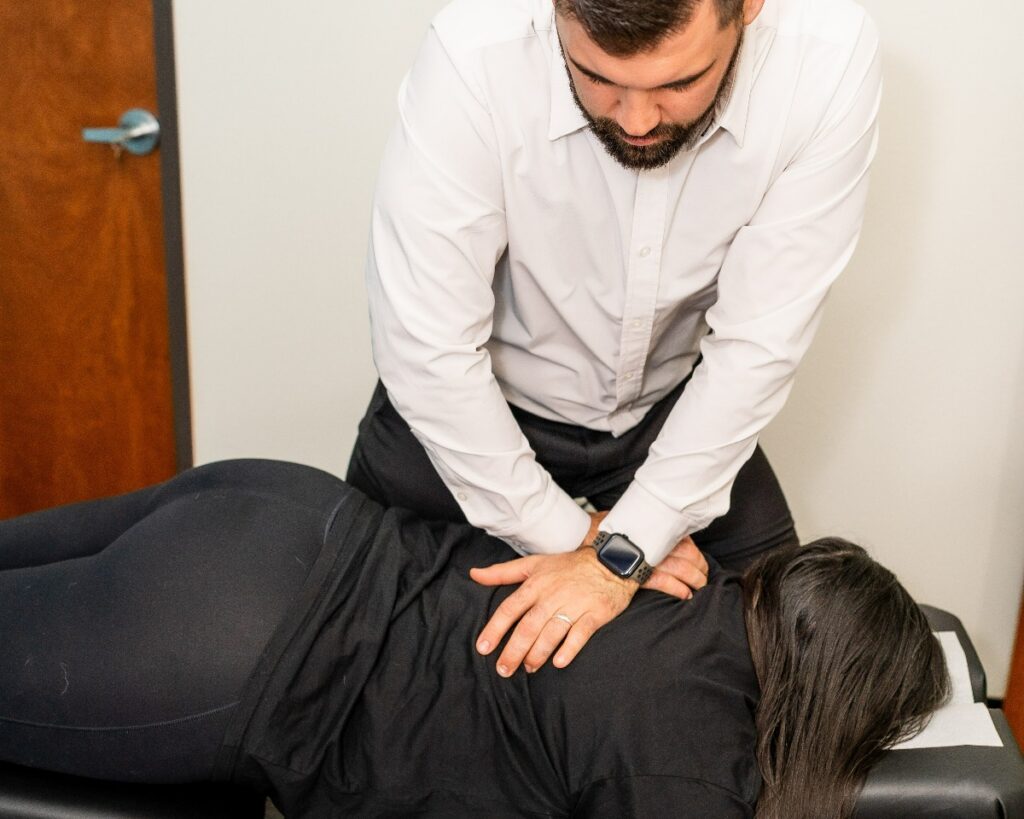
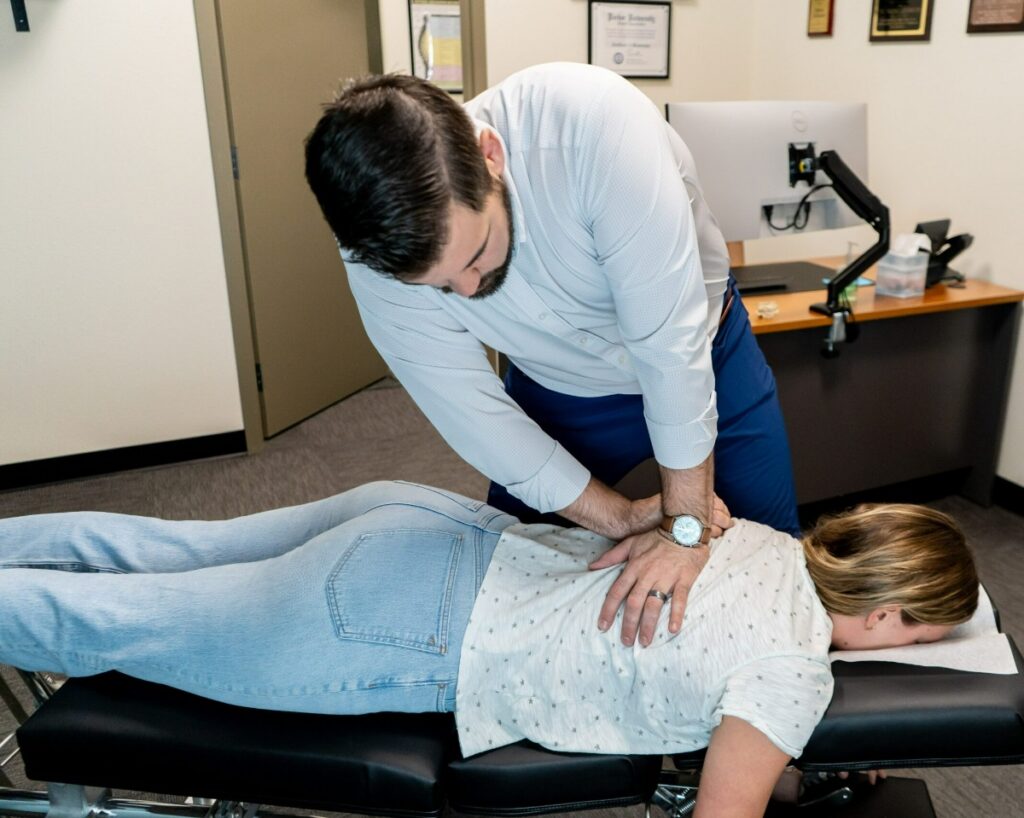
Furthermore, regular chiropractic adjustments can also play a crucial role in relieving neck pain. By aligning your spine and addressing any underlying issues, we can work together to enhance your body’s natural healing process.
I’m here to guide you through these practices and support your journey to a pain-free life. Let’s explore these strategies further to find the best solutions for you!
Understanding the Causes of Neck Pain
As a local chiropractor, I want to help you understand the various sources of neck pain and how addressing these causes can lead to effective relief.
Many of my patients experience discomfort due to everyday habits like poor posture while sitting at a desk or constantly looking down at their phones. Additionally, repetitive movements or sleeping in an awkward position can exacerbate neck pain.
It’s important to recognize that underlying medical conditions, such as arthritis or herniated discs, may also contribute to your discomfort. Stress and tension can lead to muscle tightness, intensifying the pain. If you’ve been involved in an accident, whiplash may be another factor to consider.
By understanding these potential causes, you can take proactive steps in your daily routine to alleviate discomfort. Identifying what triggers your neck pain allows you to make adjustments to your habits and seek professional guidance when needed.
As a chiropractor, I’m here to support you in recognizing these factors and implementing natural healing approaches that can improve your overall well-being and help you live pain-free.
Effective Stretches for Neck Relief
As a local chiropractor, I want to share some effective stretches that can help alleviate neck pain and enhance your flexibility. Integrating these simple movements into your daily routine can make a significant difference in your neck health.
Let’s start with the neck tilt. Gently lower your right ear towards your right shoulder, holding this position for about 15 seconds before switching to the left side. This stretch is excellent for releasing tension along the sides of your neck, which can often contribute to discomfort.
Next, I recommend trying the chin tuck. Whether you’re sitting or standing, maintain a tall posture and gently pull your chin back towards your throat. Hold this position for about 5 seconds and repeat several times. This exercise is beneficial for strengthening the muscles in your neck, which can help support your spine.
For a deeper stretch, clasp your hands behind your head and gently push down. You’ll feel a nice stretch along the back of your neck, which can help relieve tightness.
Additionally, remember to slowly look left and right, holding each turn for a few seconds. This motion enhances your neck mobility and can be particularly helpful if you spend long hours in front of a computer.
I encourage you to incorporate these stretches several times throughout your day, especially during breaks, to keep your neck feeling relaxed and pain-free.
If you have any questions or need personalized advice on neck care, feel free to reach out!
Ergonomic Adjustments for Your Workspace
As a local chiropractor, I want to share some important insights on how to alleviate neck pain through proper ergonomic adjustments in your workspace.
Many of my patients find that simply optimizing their desk height and positioning their monitor at eye level can significantly reduce strain on their neck.
These small changes can lead to remarkable improvements in your comfort and productivity during your workday.
Desk Height Optimization
As a chiropractor, I often see patients who experience discomfort due to improper desk height and ergonomics. When your desk height isn’t optimized, it can lead to unnecessary strain on your neck and shoulders, which can result in long-term issues if not addressed.
To cultivate a more ergonomic workspace, I recommend the following tips:
- Adjust your chair so that your feet rest flat on the ground. This simple adjustment promotes better posture and spinal alignment.
- Consider a height-adjustable desk or raise your current desk to ensure that your elbows are at a 90-degree angle while typing or using your mouse. This can significantly reduce strain on your upper body.
- Position your keyboard at or just below elbow height. This small change can help alleviate stress on your arms and shoulders, making a big difference in your comfort levels.
- Use a footrest if necessary to support your legs. This can enhance overall comfort and promote better circulation while you work.
By making these ergonomic adjustments, you can transform your work experience and reduce discomfort, helping you feel more relaxed and focused throughout the day.
Monitor Placement Guidelines
As a local chiropractor, I want to share some important tips on proper monitor placement that can significantly reduce neck strain and enhance your overall comfort during work.
It’s vital to position your monitor about an arm’s length away from your eyes. Aim to have your gaze level with the top of the screen; this helps prevent any unnecessary tilting of your head, which can lead to discomfort and tension in your neck.
I also recommend slightly tilting your screen backward, about 10 to 20 degrees, to help minimize glare. If you wear glasses, be mindful of your prescription when determining the optimal distance from your monitor.
It’s essential for the brightness of your monitor to align with the lighting in your workspace, as this can help reduce eye strain.
Moreover, keep items you use frequently within easy reach. This minimizes the need for twisting or leaning, which can strain your back and neck.
Lifestyle Changes to Prevent Neck Pain
As a local chiropractor, I want to share some valuable insights on how you can prevent neck pain through simple lifestyle changes.
It’s crucial to create an ergonomic workspace that supports your body properly—this means adjusting your chair, desk, and computer screen to promote good posture.
Additionally, incorporating regular stretching and strengthening exercises into your routine can significantly enhance your neck health.
Don’t overlook the importance of your sleep position either; a supportive pillow can make a world of difference.
By making these adjustments, you can foster a healthier neck and minimize discomfort over time.
Ergonomic Workspace Setup
As a local chiropractor, I want to emphasize the importance of creating an ergonomic workspace, especially for those who may not be familiar with the benefits of chiropractic care and natural healing.
An ergonomic setup is essential for reducing the risk of neck pain and promoting overall body alignment while you work. By making a few simple adjustments, you can enhance your comfort and focus throughout the day.
Here are four vital elements to consider for your workspace:
- Monitor Height: It’s crucial to position your computer screen at eye level. This helps to avoid unnecessary strain on your neck, allowing your spine to maintain its natural curvature.
- Chair Support: Investing in a good chair that supports your lower back is key. Make sure your feet are flat on the ground to promote proper posture and reduce stress on your spine.
- Keyboard and Mouse: Keep your keyboard and mouse within easy reach. This prevents you from overextending your arms, which can lead to discomfort and tension in your shoulders and neck.
- Lighting: Good lighting is essential. Ensure that your workspace is well-lit to minimize squinting, which can lead to neck strain as you lean forward to see better.
By implementing these ergonomic tips, you can significantly improve your workspace and create a more pleasant and productive work experience.
Stretching and Strengthening Exercises
As a local chiropractor, I want to emphasize the importance of maintaining an ergonomic workspace, but it’s equally crucial to incorporate stretching and strengthening exercises into your daily routine to help prevent neck pain.
I recommend starting with gentle neck stretches—such as tilting your head from side to side and forward and back. Holding each stretch for about 15-30 seconds can effectively release tension in your neck.
In addition to stretching, strengthening exercises like shoulder shrugs and chin tucks play a vital role in supporting your neck muscles and improving your posture.
I suggest aiming for a few minutes of these exercises several times a day, especially if you find yourself sitting for extended periods.
Always listen to your body; if you experience discomfort during any movement, it’s important to ease off.
By consistently practicing these exercises, you can cultivate a healthier neck and significantly reduce your risk of pain.
Sleep Position Awareness
As a local chiropractor, I want to share some valuable insights about the importance of sleep position for your neck health. Many people may not realize how much their sleeping habits can affect their overall well-being.
Here are some helpful tips to ensure you wake up pain-free and refreshed:
- Select the right pillow: It’s essential to use a supportive, contour pillow that helps maintain the natural curve of your neck. This can make a significant difference in how you feel upon waking.
- Opt for back sleeping: Sleeping on your back is one of the best positions for your spine. It helps distribute your weight evenly and reduces unnecessary strain on your neck and back.
- Steer clear of stomach sleeping: This position can twist your neck, leading to discomfort and stiffness. If you can, try to avoid it for a better night’s sleep.
- Try side sleeping with support: If you find yourself more comfortable on your side, use a thicker pillow to help keep your spine aligned. This can prevent any additional strain on your neck.
By making these simple adjustments to your sleeping habits, you can improve your sleep quality and reduce neck pain.
Therapeutic Practices for Pain Management
When you’re dealing with neck pain, there are several therapeutic practices we can explore together to aid in your recovery. One of the simplest yet effective methods is incorporating stretching exercises into your routine. These exercises can enhance your flexibility and alleviate tension in your neck. For instance, gentle movements, such as tilting your head from side to side or performing slow rotations, can provide much-needed relief.
Heat therapy is another valuable tool. Applying warm compresses or using heating pads can help soothe sore muscles and improve blood circulation in the affected area. It’s a comforting approach that many of my patients find beneficial.
Massage therapy is also worth considering. It can significantly reduce tension in your muscles and promote a deep sense of relaxation. Additionally, practices like yoga or Pilates can be instrumental in improving body alignment and strengthening your core, which ultimately supports your neck and helps prevent further issues.
I also recommend incorporating mindfulness techniques, such as meditation or deep breathing exercises, into your daily routine. These practices not only help manage stress but also promote overall well-being, which is essential for effective pain relief.
Remember, consistency is crucial. By regularly integrating these therapeutic practices into your life, you’ll likely experience considerable improvements in managing your neck pain.
As your chiropractor, I’m here to guide you through these options and help you find what works best for you!
When to Seek Professional Help
As a local chiropractor, I want to help you understand when it’s essential to seek professional care for neck pain. Recognizing the signs your body is sending you can play a crucial role in your recovery and overall well-being. Ignoring certain symptoms could lead to more serious issues down the line.
Here are some key indicators that it might be time to consult with a healthcare professional, like a chiropractor:
- Severe pain that persists despite rest or over-the-counter medications is a signal that your body needs attention.
- Radiating pain or numbness extending down your arms or into your hands can indicate nerve involvement, which is something we can address effectively.
- Persistent headaches accompanying your neck discomfort, especially if they’re new or different from your usual headaches, are worth investigating further.
- Difficulty moving your neck that impacts your daily activities shouldn’t be overlooked, as it could indicate underlying issues that chiropractic care can help alleviate.
Listening to your body is vital in maintaining your health. By addressing these symptoms early on, you can avoid further complications and pave the way for a healthier, more comfortable life.
Don’t hesitate to reach out for help; seeking care is a proactive step toward healing and getting back to doing what you love.
Conclusion
As a local chiropractor, I want to share some trusted techniques that can help you manage neck pain and enhance your overall well-being. Understanding the underlying causes of your discomfort is the first step toward effective relief. Incorporating specific stretches, making ergonomic adjustments in your workspace, and embracing healthy lifestyle changes can significantly improve your neck health.
It’s important to recognize that chiropractic care focuses on natural healing methods. Regular adjustments can help align your spine and relieve tension in the neck. Additionally, consider exploring therapeutic practices such as massage or physical therapy for supplemental relief.
If you find that your neck pain persists or worsens, please don’t hesitate to seek professional help. Prioritizing your neck health is crucial, and as you implement these strategies, you’ll likely notice a positive difference in how you feel. Remember, taking care of your body naturally can lead to long-lasting benefits!