
As a local chiropractor, I understand how debilitating whiplash symptoms can be for those who have experienced them. It’s important to know that there are effective techniques available to help alleviate your discomfort and promote a smooth recovery. Chiropractic care is one of the primary methods I recommend, as it focuses on restoring alignment and function to your spine and neck, which can significantly reduce pain and improve mobility.
In addition to chiropractic adjustments, there are several at-home remedies and strategies you can incorporate into your recovery plan. Gentle stretching, applying ice or heat, and practicing relaxation techniques can all play a role in managing your symptoms. Understanding these options is crucial for regaining your comfort and mobility after a whiplash injury.
If you’re curious about how chiropractic care and other natural healing methods can assist you in your recovery, let’s explore some of the most effective approaches together. Your journey to feeling better starts with understanding your options!
Physical Therapy Techniques
As a local chiropractor, I want to share how chiropractic care can play a vital role in relieving whiplash symptoms and promoting natural healing. Through specialized techniques, we can help strengthen your neck muscles and enhance your flexibility.
One effective approach involves gentle range-of-motion exercises that I may guide you through, which can significantly reduce stiffness and improve your mobility.
In addition to exercise, we often utilize heat and cold therapy to alleviate pain and inflammation. These simple yet effective methods can provide immediate relief and help you feel more comfortable during your recovery.
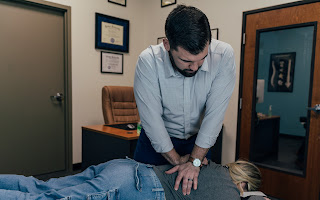
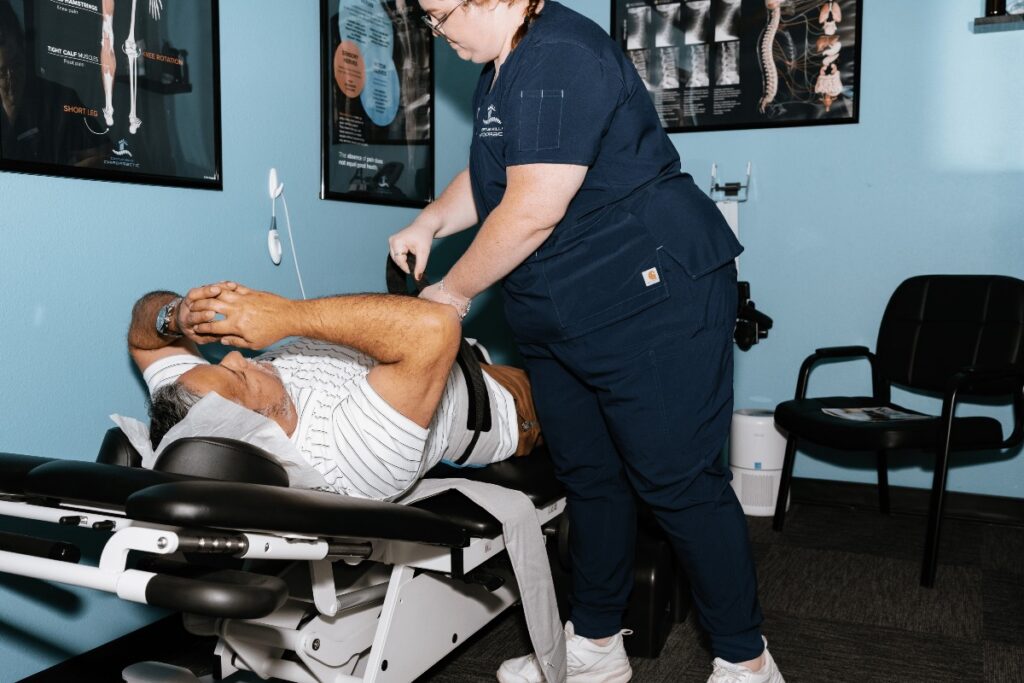
Manual therapy techniques, including chiropractic adjustments and massage, are also crucial in relieving tension in the neck and surrounding areas. I’ll work with you to ensure that your posture is correct, which is essential for maintaining proper alignment in your daily activities.
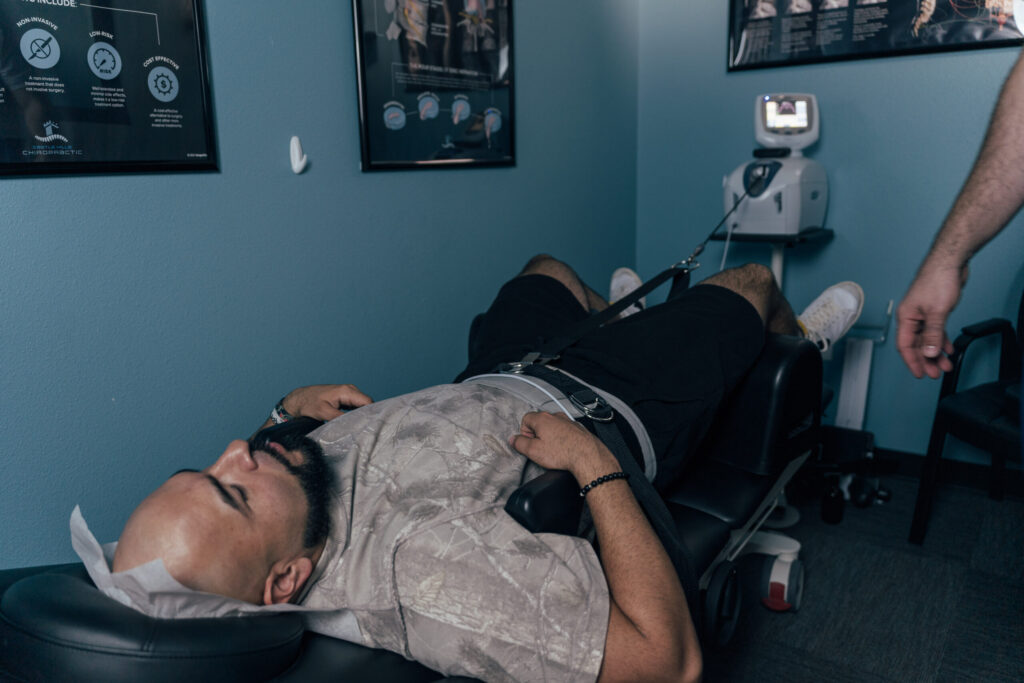
Furthermore, I may incorporate therapies like ultrasound or electrical stimulation to facilitate healing and recovery.
Staying consistent with your chiropractic care and following through with any recommended home exercises is essential for your progress. Together, we’ll tailor a treatment plan that suits your unique needs, empowering you to regain strength and function while minimizing discomfort.
My goal is to help you achieve optimal health through natural healing methods, so you can enjoy a pain-free life.
Chiropractic Care Approaches
As a local chiropractor, I want to take a moment to share how chiropractic care can be an effective solution for those suffering from whiplash symptoms. Many people often turn to various treatments for relief, but our approach focuses on addressing the root cause of the issue rather than just masking the symptoms.
Whiplash can lead to misalignments in your spine and neck, which can significantly contribute to discomfort and pain. Through targeted spinal adjustments, I work to correct these misalignments, helping to restore proper alignment and enhance your body’s overall function.
In addition to adjustments, I utilize techniques such as soft tissue therapy to relax tense muscles and alleviate pain. I also provide personalized exercise recommendations tailored to strengthen your neck and support your recovery.
Moreover, I can offer valuable advice on maintaining good posture and ergonomic practices to help you avoid future injuries. Regular sessions in my office can lead to reduced inflammation, improved mobility, and a more efficient healing process.
At-Home Remedies for Relief
As a chiropractor, I want to empower you with effective at-home remedies to help relieve your whiplash symptoms. One of the first steps you can take is to apply ice packs to the affected area for about 15 to 20 minutes every few hours. This will help reduce inflammation and numb any pain you may be experiencing.
After a couple of days, you can transition to heat therapy, using a warm compress or heating pad to relax tight muscles. Incorporating gentle stretching exercises can also be beneficial for your recovery, but it’s essential to listen to your body and avoid overexerting yourself.
Additionally, over-the-counter pain relievers like ibuprofen or acetaminophen may help alleviate discomfort; just ensure you adhere to the recommended dosage instructions. Staying hydrated is crucial, and maintaining good posture while resting can further support your healing process.
Lastly, I encourage you to practice relaxation techniques, such as deep breathing or meditation, which can help manage the stress that often accompanies physical symptoms. By utilizing these remedies at home, you can take an active role in your recovery journey and enhance your overall well-being.
Lifestyle Changes to Support Recovery
As a local chiropractor, I want to emphasize how important it’s to make specific lifestyle changes to support your recovery from whiplash. These adjustments can significantly enhance your healing journey.
First and foremost, it’s crucial to incorporate gentle physical activity into your daily routine. Activities like walking or light stretching can promote blood flow and reduce stiffness in your neck and shoulders.
Equally important is prioritizing your sleep. Restorative sleep plays a critical role in the healing process, so I encourage you to create a calming bedtime routine that helps improve your sleep quality.
Pay close attention to your posture, especially if your job requires you to sit for extended periods. Using ergonomic furniture and taking regular breaks to stretch your neck and shoulders can make a big difference in your comfort and recovery.
Don’t forget the importance of hydration and nutrition. Keeping your body well-hydrated and following a balanced diet rich in anti-inflammatory foods—like fruits, vegetables, and omega-3 fatty acids—can support your healing efforts.
Lastly, managing stress is essential. Techniques such as meditation or yoga can help alleviate stress, which, if left unchecked, can worsen your pain.
By adopting these lifestyle changes, you’ll not only support your body’s natural recovery process but also effectively alleviate your whiplash symptoms.
When to Seek Professional Help
As a local chiropractor, I want to emphasize the importance of recognizing when it’s time to seek professional help on your healing journey. If you’ve been experiencing whiplash symptoms and they haven’t improved within a few days, it’s a good idea to consult with a healthcare provider, like myself.
Persistent pain, stiffness, or headaches shouldn’t be overlooked, especially if they start to interfere with your daily activities.
It’s crucial to pay attention to any tingling or numbness in your arms or hands, as these sensations can indicate underlying nerve issues that may require immediate attention. If you’re also facing dizziness, blurred vision, or difficulty concentrating, please don’t hesitate to reach out for help.
These symptoms can point to complications that need professional evaluation.
If you find that over-the-counter pain relievers aren’t offering the relief you need, I can work with you to explore alternative treatments that align with natural healing principles.
Chiropractic care focuses on addressing the root causes of your discomfort and promoting overall wellness, so don’t wait—let’s work together to help you feel better!
Conclusion
As a local chiropractor, I want to help you understand how to effectively alleviate whiplash symptoms. Recovery is often a multifaceted process, and I encourage you to explore various targeted approaches. One of the most beneficial methods is physical therapy, which can help restore mobility and strengthen the muscles around your neck. Additionally, chiropractic care plays a crucial role in your recovery; it focuses on aligning the spine and neck to relieve pressure on nerves and promote healing.
At-home remedies, such as applying ice or heat, can also provide relief and support your recovery. Furthermore, simple lifestyle changes—like improving your posture and incorporating gentle stretching exercises—can significantly enhance your healing journey.
It’s important to listen to your body; if your symptoms persist or worsen, I urge you to seek professional help. By taking proactive steps, including chiropractic care, you can effectively manage your discomfort and return to your daily activities with greater ease. Remember, your health and well-being are our top priorities, and we’re here to support you every step of the way.