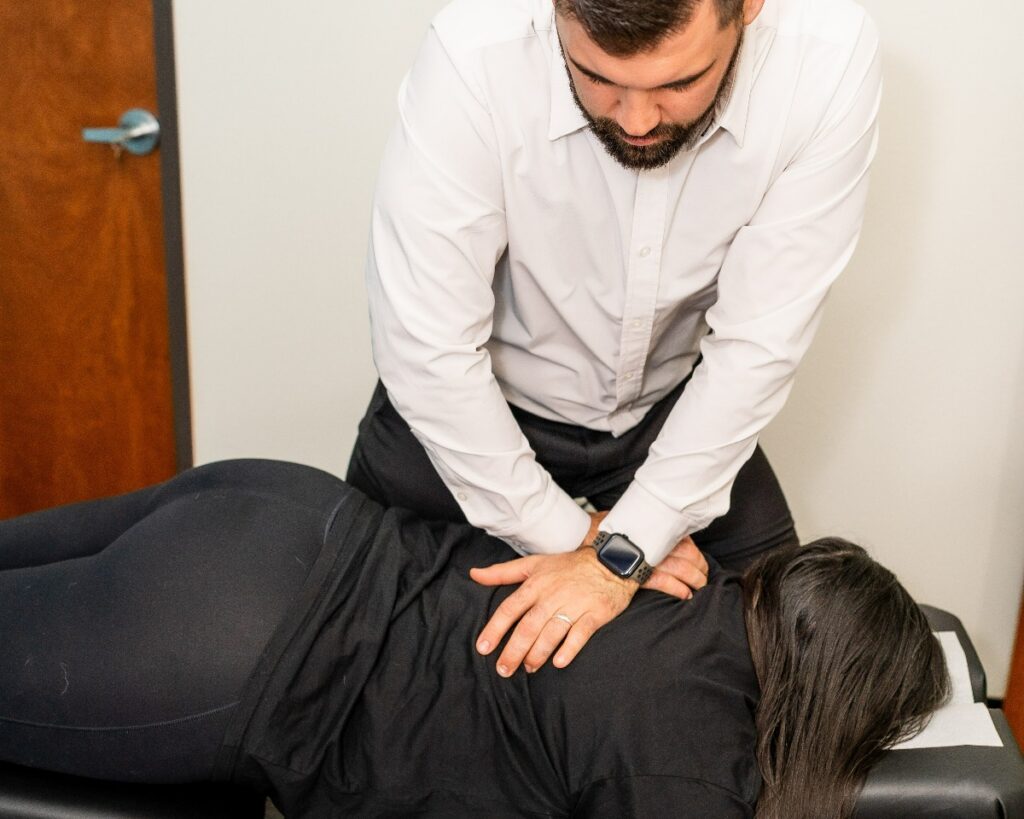

As a local Chiropractor, I often meet patients who suffer from migraines and are seeking relief through traditional methods. However, I believe it’s essential to explore some surprising, natural approaches that can help alleviate your pain. By making adjustments to your diet and lifestyle, you may discover relief in ways you never considered. Are you curious about these methods and how chiropractic care can support your journey to wellness? Let’s delve into some effective and lesser-known strategies that could transform how you manage your migraines, promoting not only pain relief but also overall health.
Try Magnesium-Rich Foods
If you’re seeking relief from migraines, I want to highlight the importance of incorporating magnesium-rich foods into your diet. As a chiropractor, I understand how crucial magnesium is for maintaining nerve function and promoting muscle relaxation—two key factors that can help reduce the frequency and intensity of migraines.
Let’s start with some great options. Leafy greens like spinach and kale aren’t only packed with essential nutrients, but they also contain high levels of magnesium. Nuts and seeds, especially almonds and pumpkin seeds, are fantastic additions to your meals or snacks.
Don’t overlook whole grains, either! Brown rice and quinoa are nutritious choices that can provide a solid magnesium boost.
And for those moments when you’re craving something sweet, consider indulging in dark chocolate in moderation; it can satisfy your sweet tooth while also delivering magnesium benefits.
By regularly including these foods in your diet, you may find yourself experiencing fewer headaches and an overall improvement in your well-being.
Explore Acupressure Techniques
As a local chiropractor, I want to share some valuable insights on how you can manage migraines naturally, alongside dietary changes. One effective method to consider is acupressure, an ancient healing technique that involves applying pressure to specific points on the body. This practice can be particularly helpful in alleviating pain and reducing tension.
Here are four acupressure techniques that you can easily incorporate into your self-care routine:
- LI4 (Hegu): This point is located between your thumb and index finger. By applying firm pressure here for about five minutes, you may find relief from headaches.
- GB20 (Fengchi): You can find this point at the base of your skull, just behind your neck. Gently pressing here can help reduce neck tension and alleviate migraine symptoms.
- Yintang: Situated between your eyebrows, applying firm pressure to this area can help calm your mind and ease headache discomfort.
- PC6 (Neiguan): This point is located on your inner forearm, about three finger-widths from your wrist. Stimulating this area can assist in relieving nausea and providing overall relief from migraines.
Incorporating these acupressure techniques into your daily routine may enhance your ability to manage migraines effectively.
As always, I encourage you to reach out if you have questions about how chiropractic care and natural healing can support your overall well-being.
Incorporate Essential Oils
As a local chiropractor, I understand that managing migraines can be quite challenging, but I want to share how incorporating essential oils into your wellness routine can offer a natural and soothing approach.
Essential oils, such as peppermint and lavender, have been recognized for their potential to relieve headache symptoms and promote overall relaxation.
For instance, applying a few drops of diluted peppermint oil to your temples and gently massaging it can help alleviate tension and encourage relaxation. The cooling sensation of peppermint may provide immediate relief and enhance your comfort levels during a migraine.
Lavender oil, renowned for its calming properties, can also play a significant role in migraine management. You can diffuse lavender oil in your living space or simply inhale it directly. The soothing aroma may help reduce the intensity of your migraines and create a more peaceful environment.
Additionally, eucalyptus oil can be beneficial as it helps open up your sinuses and relieve pressure, which is often a contributing factor to migraines.
I encourage you to experiment with different essential oils to find the ones that resonate with you. Just a friendly reminder: always dilute essential oils with a carrier oil before applying them to your skin to ensure safety and effectiveness.
By integrating these natural remedies into your migraine management plan, you can adopt a more holistic approach to finding relief.
Stay Hydrated With Herbal Teas
As a chiropractor, I understand the importance of staying hydrated, especially when it comes to managing migraines. One effective and enjoyable way to increase your fluid intake is through herbal teas. These teas not only provide hydration but also offer unique properties that may help alleviate migraine symptoms.
Let me share four herbal teas that you might find beneficial:
- Peppermint Tea: This tea is well-known for its cooling effect and can be particularly effective in relieving tension headaches, which are often linked to spinal misalignments and stress.
- Ginger Tea: With its strong anti-inflammatory properties, ginger tea can be a soothing remedy for the nausea that frequently accompanies migraines. This can be particularly helpful for patients who experience digestive issues alongside their headaches.
- Chamomile Tea: Known for its calming effects, chamomile tea can promote relaxation and reduce stress. Since stress is a common trigger for migraines, incorporating this tea into your routine could help lower the frequency of your episodes.
- Lavender Tea: Often associated with stress relief, lavender tea can help ease headache tension and enhance sleep quality. Quality sleep is crucial for overall health and can significantly impact how the body manages pain.
By incorporating these herbal teas into your daily routine, you not only support your hydration needs but also create a comforting ritual that may contribute to better migraine management.
Practice Yoga and Meditation
As a local chiropractor, I want to share how practices like yoga and meditation can play a significant role in reducing the frequency and intensity of migraines. These techniques not only promote relaxation and mindfulness but also complement the natural healing process we focus on in chiropractic care.
Incorporating yoga into your daily routine can be incredibly beneficial. It encourages gentle stretching and movement, which increases blood flow and alleviates tension in your body—factors that can often trigger migraines. By relieving physical tension, we can enhance the effectiveness of chiropractic adjustments and support your overall well-being.
Meditation, on the other hand, is a powerful tool for calming the mind. It allows you to focus on your breath and release anxious thoughts that may contribute to headaches. I recommend starting with just a few minutes each day and gradually increasing the duration as you become more comfortable, similar to how you’d approach chiropractic exercises.
Additionally, certain yoga poses, such as child’s pose or forward bends, can provide immediate relief during a migraine episode.
Remember, consistency is key. By integrating yoga and meditation into your routine alongside regular chiropractic care, you may experience a noticeable improvement in your overall health and a reduction in migraine occurrences.
Let’s work together to explore these natural healing methods and find the best approach for your individual needs.
Adjust Your Sleep Schedule
As a local chiropractor, I want to emphasize the importance of a well-regulated sleep schedule in managing your migraines.
Establishing a consistent bedtime routine and being mindful of nap durations can significantly enhance your overall rest. By prioritizing your sleep hygiene, you may experience a noticeable reduction in the frequency and intensity of your migraines.
Natural healing, including proper sleep, plays a vital role in your body’s ability to recover and maintain balance.
Let’s work together to incorporate these habits into your wellness journey!
Consistent Bedtime Routine
As a local chiropractor, I want to share how establishing a consistent bedtime routine can significantly enhance your sleep quality and help reduce the frequency of migraines.
Our bodies thrive on routine, and when you adhere to a regular sleep schedule, your body can better prepare for restorative rest. Here are four practical tips to create a bedtime routine that supports your overall well-being:
- Set a Fixed Sleep Time: Aim to go to bed and wake up at the same time each day, including weekends. This consistency helps regulate your body’s internal clock.
- Limit Screen Time: It’s beneficial to turn off electronic devices at least an hour before bedtime. Reducing exposure to blue light can help your mind unwind and prepare for sleep.
- Create a Relaxing Environment: Make your bedroom conducive to sleep by keeping it dark, cool, and quiet. A serene environment can promote deeper and more restorative sleep.
- Incorporate Wind-Down Activities: Engage in calming practices such as reading, meditating, or gentle stretching before bed. These activities can help signal to your body that it’s time to relax.
By following these steps, you can pave the way for a headache-free night and improve your overall health.
Limit Naps Duration
As a local chiropractor dedicated to your overall well-being, I want to share some insights on how managing your nap duration can positively impact your sleep schedule and help reduce migraine occurrences.
Keeping your naps short—ideally between 20 to 30 minutes—can significantly prevent them from interfering with your nighttime sleep. Longer naps can lead to difficulties falling asleep at night, which may result in sleep deprivation, a known trigger for migraines.
By opting for shorter naps, you can maintain a consistent sleep cycle, which is essential for regulating your body’s internal clock. This consistency not only enhances the quality of your sleep but also minimizes the chances of waking up with a headache.
If you find yourself needing a nap, I encourage you to set a timer to keep it brief and prioritize a regular sleep schedule. This approach can be an effective strategy for managing migraines naturally and improving your overall health.
Experiment With Cold Compresses
As a local chiropractor, I understand that managing migraines can be quite a challenge for many individuals. One natural approach that you might find helpful is experimenting with cold compresses. Applying cold to your head can help numb the pain and reduce inflammation, which may provide some relief from your symptoms.
Here are a few effective methods to incorporate cold compresses into your migraine management routine:
- Ice Packs: You can easily create an ice pack by wrapping ice cubes in a towel or using a frozen gel pack. I recommend applying it to your forehead for about 15-20 minutes. This targeted application can help alleviate your discomfort.
- Cold Towels: Another option is to soak a towel in cold water, wring it out, and place it on your forehead or neck. The coolness can be refreshing and may help reduce the intensity of your migraine.
- Frozen Vegetables: A practical solution many find useful is to keep a bag of frozen peas on hand. The shape of the peas allows them to mold comfortably to your head, providing a soothing effect.
- Chilled Cloths: For a revitalizing sensation, wet a cloth, fold it, and chill it in the refrigerator. When placed on your temples, it can offer a cooling relief that might ease your migraine symptoms.
I encourage you to experiment with these different options to discover which works best for you. Finding natural methods to manage your migraines can be an empowering part of your overall health and wellness journey!
Consider Biofeedback Therapy
If you’ve been struggling with managing your migraines, I encourage you to explore biofeedback therapy as a promising option. As a chiropractor, I emphasize the importance of understanding your body’s responses, and biofeedback therapy is a fantastic way to do just that.
This technique enables you to become more aware of your physiological functions, allowing you to manage stress and tension—two common triggers for migraines.
During biofeedback sessions, sensors are placed on your body to monitor various indicators like heart rate and muscle tension. You’ll receive immediate feedback, which empowers you to learn relaxation techniques that can significantly reduce both the frequency and intensity of your migraines.
Many of my patients find that with consistent practice, they can integrate these techniques into their everyday lives, helping them address stressors before they escalate into a migraine.
This drug-free approach not only helps you take control of your body’s responses but also promotes overall well-being. While everyone’s experience is unique, I’ve seen many individuals enjoy a noticeable improvement in their quality of life through this method.
Utilize Dark Chocolate in Moderation
As your local chiropractor, I’m here to help you explore natural ways to manage your health, including how incorporating dark chocolate into your diet can be beneficial, especially for those dealing with migraines.
However, it’s essential to consume it in moderation. Dark chocolate is rich in antioxidants, which can aid in improving blood flow and reducing inflammation—two factors that may help alleviate migraine symptoms.
Here are some practical tips for enjoying dark chocolate wisely:
- Choose High Cocoa Content: Look for dark chocolate with at least 70% cocoa. This higher cocoa content is associated with greater health benefits, including those that can support your overall wellness.
- Limit Portions: Moderation is key. Aim for a small piece, roughly 1 ounce, to avoid excess sugar and calorie intake. This way, you can reap the benefits without overindulging.
- Pair with Nutritious Foods: Consider enjoying dark chocolate alongside healthy snacks like nuts or fruits. This not only enhances the flavor but also adds valuable nutrients to your diet, creating a balanced treat.
- Monitor Your Response: It’s crucial to pay attention to how your body responds after consuming dark chocolate. If you find that your migraine symptoms worsen, it might be wise to reduce your intake.
Remember, while dark chocolate can be a delightful addition to your diet, it should be consumed thoughtfully as part of a holistic approach to health and wellness.
If you have further questions or want to learn more about natural healing methods, feel free to reach out during your next visit!
Introduce Ginger Into Your Diet
As a local chiropractor, I’d like to share an often-overlooked natural remedy that may help manage migraine symptoms: ginger. This remarkable root offers anti-inflammatory and antioxidant properties that can play a significant role in easing your discomfort.
Integrating ginger into your diet is quite straightforward. You can easily add it to your smoothies, teas, or stir-fries for an extra kick of flavor and health benefits.
If you’re considering ginger supplements, please remember to consult with me or your healthcare provider first to ensure it’s right for you. Studies have shown that ginger can potentially reduce the frequency and intensity of migraines for some individuals. This is largely due to its ability to enhance blood circulation and soothe nausea, which many of my patients experience during migraine episodes.
For the best results, I recommend using fresh ginger whenever possible. Even a small amount can significantly enhance your meals and overall health.
So, why not give ginger a try? You might discover that this spicy addition not only tantalizes your taste buds but also contributes positively to your well-being, making those migraine days a bit more manageable.
As we focus on holistic approaches to health, incorporating natural remedies like ginger can complement the chiropractic care you receive and support your journey towards better health.
Conclusion
As a local chiropractor, I’m here to share some surprising and effective methods for managing migraines that you might not be familiar with. Many of my patients have found relief through natural healing techniques. For instance, incorporating magnesium-rich foods into your diet can truly help ease migraine symptoms. Additionally, practices like acupressure can be beneficial, as they target specific pressure points to relieve tension.
Essential oils are another tool that shouldn’t be overlooked. They can provide soothing relief when used properly. Herbal teas, particularly those known for their calming effects, can also play a significant role in your migraine management routine. Don’t forget the benefits of yoga and meditation; these practices can not only relieve stress but also help improve your overall well-being.
You may also want to experiment with cold compresses, which can provide immediate relief during an intense migraine episode. Biofeedback therapy is another interesting approach; it helps you learn how to control physiological functions to reduce pain.
Even simple dietary changes, like indulging in dark chocolate or adding ginger to your meals, can contribute positively to your migraine management. Remember, these methods can complement chiropractic care, which focuses on aligning the spine and improving overall health. I’m here to help you explore these options and find what works best for you!