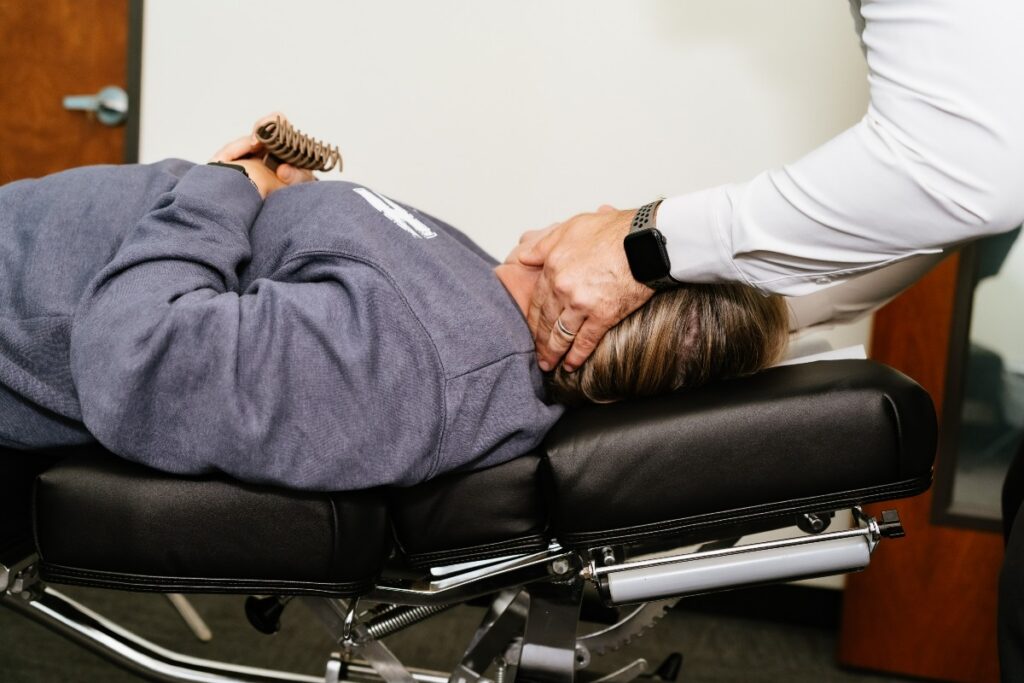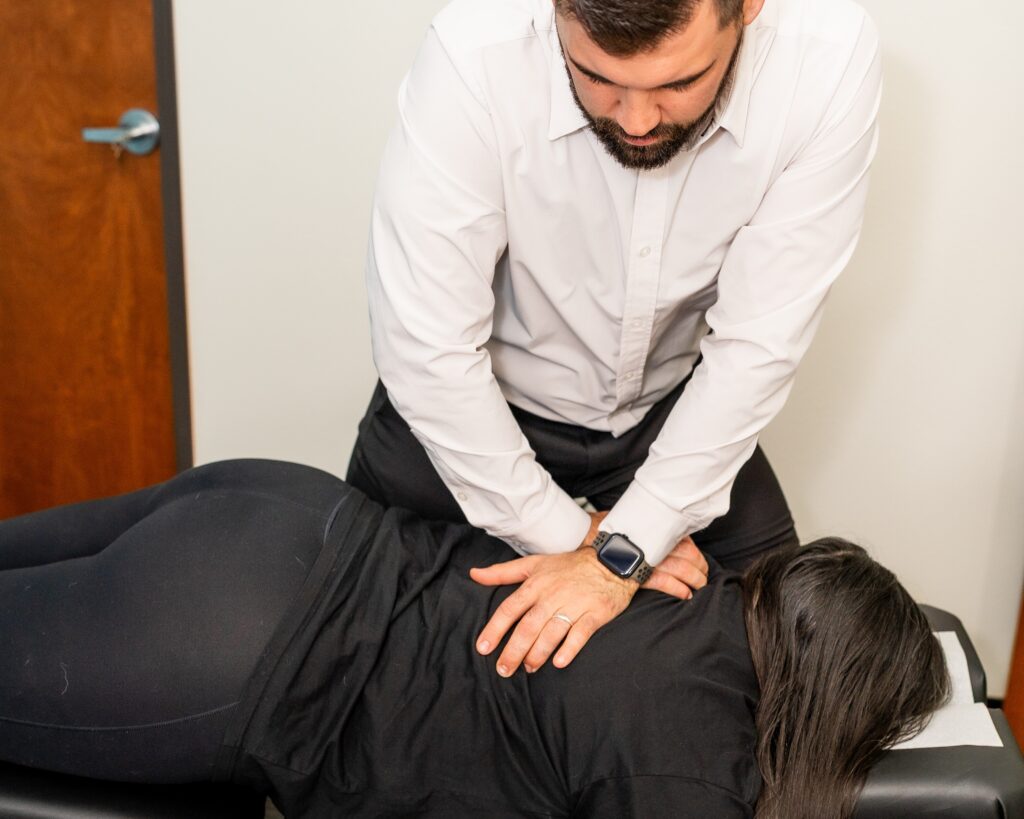

As a local chiropractor, I understand that many of you may be grappling with persistent neck pain, and I want you to know that you’re not alone in this struggle. Numerous individuals face discomfort caused by factors such as poor posture or muscle strain. The good news is that there are effective home techniques that can help alleviate your pain and support your neck health.
Incorporating simple stretches and self-massage into your daily routine can be a great way to manage your discomfort. However, it’s essential to recognize which methods will be most beneficial for your specific situation. As you begin your journey towards recovery, I encourage you to explore some of the top strategies that can ease your pain and enhance your overall well-being.
At our chiropractic practice, we believe in the power of natural healing and promoting a proactive approach to your health. Let’s work together to find the right techniques that will help you regain your comfort and improve your quality of life.
Stretching Exercises for Neck Relief
As a local chiropractor, I understand how debilitating neck pain can be for many of my patients. One effective way to alleviate this discomfort is through simple stretching exercises that you can easily incorporate into your daily routine.
Let’s start with a basic neck tilt. Gently drop your right ear toward your right shoulder and hold that position for about 15 seconds. Then, switch to the left side. This stretch is particularly beneficial for easing tightness in the neck muscles.
Another valuable exercise is the chin tuck. While keeping your back straight, gently pull your chin toward your chest. Hold this position for 10 seconds, and repeat it several times. This exercise not only strengthens your neck muscles but also promotes better posture, which is critical for overall spine health.
I also recommend incorporating shoulder rolls into your routine. Lift your shoulders towards your ears, roll them back, and then let them drop down. Complete this motion for about 10 cycles. This can help release tension that accumulates in the shoulders and neck area.
Lastly, gentle neck rotations are essential. Slowly turn your head to the left and hold that position for 5 seconds, then turn to the right and do the same. These rotations help maintain flexibility in your neck and reduce discomfort, making it easier for you to engage in daily activities.
By consistently practicing these stretches, you can enhance your neck health and improve your overall well-being.
Heat Therapy Techniques
As a local chiropractor, I often see patients who are struggling with neck pain, and I want to share how heat therapy can be a powerful tool in managing your discomfort. This technique not only enhances blood circulation but also helps to relax tight muscles, making it an excellent option for pain relief.
You can easily incorporate heat therapy into your daily routine at home. A simple method is to use a heating pad or a warm towel. Apply it directly to your neck for about 15 to 20 minutes. Just be sure to check that the heat is comfortable—too much heat can lead to burns, so always prioritize your safety.
If you enjoy a more immersive experience, a warm shower or bath can be a great alternative. The warmth of the water can help soothe your muscles throughout your neck and back.
Another effective method is using a warm compress; just soak a cloth in warm water, wring it out, and place it on the affected area for targeted relief.
For those looking for a more tailored approach, I recommend a microwaveable heat pack designed to fit the contours of your neck. These are particularly effective in delivering consistent warmth to the area in need.
Always listen to your body—if the heat becomes uncomfortable at any point, it’s important to remove it right away.
Incorporating heat therapy into your routine can provide significant relief from neck pain and complement the chiropractic care I offer. If you have any questions or would like to explore additional natural healing methods, don’t hesitate to reach out during your next visit!
Cold Therapy Methods
As a local Chiropractor, I often see patients who are unfamiliar with the benefits of cold therapy for alleviating neck pain.
When discomfort arises, applying cold can be incredibly effective in managing your symptoms. You can utilize ice packs, cold compresses, or even household items like frozen vegetables for immediate relief.
These methods work by reducing inflammation and numbing the painful area, which can significantly ease your discomfort.
It’s a simple yet powerful tool that complements the holistic approach we take in chiropractic care.
Let’s delve into how these cold therapy techniques can be integrated into your wellness routine to promote healing and improve your overall neck health.
Ice Packs Application
As your local chiropractor, I want to share some effective techniques for relieving neck pain, particularly after an injury or strain. One of the simplest methods you can use is applying ice packs.
To ensure safety while using this technique, start by taking a clean towel or cloth and wrapping it around your ice pack. This step is crucial to prevent direct contact with your skin, which can lead to frostbite or irritation.
Once you’ve wrapped the ice pack, gently place it on your neck for about 15-20 minutes. It’s important to allow your skin some time to recover between ice applications, so make sure to take breaks of at least 30 minutes before reapplying.
While you’re doing this, focus on relaxing and taking deep breaths to alleviate any tension you may be holding in your body.
By consistently applying ice in the first 48 hours following an injury, you’ll likely notice a significant reduction in inflammation and pain. This can make a world of difference in your ability to carry out daily activities with ease.
Cold Compress Techniques
As a local chiropractor, I want to share some effective cold compress techniques that can help relieve neck pain. After using ice packs, you might consider trying a few other methods that can enhance your recovery.
One simple technique is to wrap ice cubes in a thin towel and gently apply it to the painful area of your neck. This method provides a direct cooling effect while protecting your skin from potential damage.
Another option is to use a gel-filled cold pack, which conforms to the natural shape of your neck and offers longer-lasting cold therapy. If you’re looking for a more flexible solution, consider making a cold compress with a damp washcloth. Just place it in the freezer for a short period, and you’ll have a soothing compress ready to use.
It’s important to remember to apply the cold compress for about 15-20 minutes at a time. Afterward, allow your skin to warm up before applying it again. This approach can significantly enhance your neck pain relief efforts.
Incorporating these techniques into your self-care routine can be an important step toward natural healing and overall wellness.
Frozen Vegetable Alternative
As a local chiropractor, I want to share an effective and economical approach to managing neck pain that many of my patients may not be familiar with: using frozen vegetables for cold therapy. This method can help reduce inflammation and numb pain in the neck, and it’s as simple as reaching into your freezer.
Here’s how to safely utilize frozen vegetables for neck pain relief:
- Select the right vegetable: I recommend using peas or corn, as their small size and flexibility make them perfect for conforming to the contours of your neck.
- Apply for 15-20 minutes: This amount of time is ideal to achieve pain relief while avoiding the risk of frostbite on your skin.
- Repeat as necessary: You can apply this cold therapy several times throughout the day, depending on your level of discomfort.
- Incorporate rest: Combining this cold therapy with proper rest will significantly enhance your recovery process.
- Maintain good posture: Practicing good posture habits can help prevent future neck pain and improve your overall spinal health.
I encourage you to keep these tips in mind as part of a holistic approach to your wellness journey.
If you have any questions or would like to learn more about natural healing methods, feel free to reach out!
Ergonomic Adjustments for Your Workspace
As a local chiropractor, I want to share with you some simple ergonomic adjustments you can make to your workspace that can significantly alleviate neck pain and enhance your overall comfort.
One of the first steps is to position your computer monitor at eye level. This adjustment can help you avoid slouching or straining your neck, which are common culprits of discomfort.
It’s equally important to have a chair that supports your lower back. When seated, you should be able to sit upright with your feet flat on the floor. If your chair doesn’t provide adequate support, I recommend using a cushion to help maintain proper posture.
Another key aspect is to keep your keyboard and mouse close to you. This allows your arms to remain relaxed and your wrists to stay straight, minimizing strain.
If you work with documents, consider using a document holder to keep papers at eye level, which can reduce the strain of looking down.
Remember to take regular breaks to stretch and move around; prolonged sitting can lead to increased tension and discomfort.
Additionally, using a headset for phone calls can prevent the habit of cradling the phone between your ear and shoulder, which can further strain your neck.
Implementing these adjustments can help you work more comfortably and effectively, and they align with the holistic principles of chiropractic care that I advocate for.
Your body will thank you for it!
Massage Techniques You Can Do at Home
As a local chiropractor, I want to share some valuable insights on how you can relieve neck pain right at home using self-massage techniques.
These methods can significantly improve your comfort and well-being. By incorporating massage tools and essential oils into your routine, you can enhance the relief you experience.
Let’s delve into how these natural approaches can effectively alleviate your discomfort and support your overall health.
Self-Massage Techniques
As a local chiropractor, I often see patients struggling with neck pain, and I want to share some self-massage techniques that can provide immediate relief and help alleviate tension.
These methods are simple and can easily be done at home, making them a great complement to chiropractic care:
- Knead your muscles: Gently press and knead the tight spots in your neck using your fingers. This can help release built-up tension in the muscles.
- Apply pressure: Use your thumb to apply steady pressure to the base of your skull and along the sides of your neck. This technique can help target those particularly sore areas.
- Circular motions: Moving your fingers in small circles over the sore spots can promote blood flow and further reduce tightness in the muscles.
- Stretch: While massaging, gently tilt your head side to side. This not only helps relieve pressure but also enhances the stretch in your neck muscles.
- Heat therapy: Warming your hands before you begin massaging can help relax your muscles and boost the effectiveness of your techniques.
I encourage you to give these techniques a try and notice how they can make a difference in managing your neck pain.
Use of Massage Tools
As a local chiropractor, I believe in the importance of incorporating self-care practices into your routine, especially when it comes to alleviating neck pain. One effective way to do this is by using various massage tools.
For instance, a foam roller can be a fantastic addition to your self-care arsenal. It targets tight muscles and helps improve blood circulation. I recommend gently rolling it along your neck and shoulders to provide a soothing effect that can help release tension.
Another tool I often suggest is a massage ball. You can use it by placing it against a wall and leaning into it to work on those hard-to-reach areas that often harbor tension. This can be particularly beneficial for relieving discomfort.
Handheld massagers are also quite effective. Simply glide them over your neck to ease soreness and promote relaxation. If you’re looking for a deeper level of comfort, electric massagers can provide both vibration and heat, further enhancing your relaxation experience.
By incorporating these tools into your routine, you’re not only addressing pain but also fostering overall well-being. I encourage you to make this a regular practice; with time, you’ll likely notice a significant improvement in how you feel.
Essential Oils Benefits
As a local chiropractor, I want to share how incorporating essential oils into your self-care routine can significantly enhance the benefits of the massage techniques we often recommend for at-home care.
These oils not only emit calming aromas but also possess therapeutic properties that can aid in relaxation and relieve discomfort, particularly in the neck area. Here are a few essential oils you might find beneficial:
- Lavender: Widely recognized for its calming effects, lavender can help reduce stress and tension, making it a great addition to your relaxation practices.
- Peppermint: Known for its cooling sensation, peppermint oil can alleviate pain and enhance circulation, which is vital for recovery and overall wellness.
- Eucalyptus: This oil has anti-inflammatory properties, making it ideal for soothing sore muscles and promoting healing after chiropractic adjustments.
- Chamomile: With its natural anti-inflammatory qualities, chamomile can help promote relaxation and comfort, supporting your body’s healing process.
- Frankincense: This oil not only enhances emotional balance but also reduces anxiety, helping you achieve an overall state of relaxation conducive to healing.
When you combine these essential oils with gentle massage techniques, you may find significant relief from tension and discomfort.
Integrating these practices with chiropractic care can support your journey to wellness and enhance your overall self-care routine.
Mindfulness and Relaxation Practices
As a local chiropractor, I understand that neck pain can be quite overwhelming for many of you. However, I want to share some effective mindfulness and relaxation practices that can alleviate discomfort and promote healing without relying solely on medication.
First, incorporating mindfulness into your daily routine can greatly enhance your awareness of your body and the sensations it experiences. I recommend setting aside just a few minutes each day to focus on your breath. Take a deep inhale and, as you exhale, visualize the tension in your neck dissipating. This simple practice can help you connect with your body and reduce stress.
Additionally, gentle yoga or stretching exercises aimed specifically at neck relief can be incredibly beneficial. These movements help to release built-up tension and improve flexibility in the area. I encourage you to explore these exercises, as they can complement the chiropractic adjustments I provide.
Guided meditation is another wonderful tool to consider. It helps center your thoughts and promotes relaxation, further aiding in your recovery process.
Lastly, I want to highlight the effectiveness of simple relaxation techniques such as progressive muscle relaxation. This involves consciously tensing and then relaxing different muscle groups, which can lead to significant relief in your neck and shoulders.
Essential Oils for Neck Pain Relief
As a local chiropractor, I often see patients struggling with neck pain, and I want to share how essential oils can be a valuable part of your self-care routine for relief.
These natural remedies possess soothing properties that help reduce tension and encourage relaxation, complementing the adjustments and treatments we provide in the clinic. Incorporating essential oils into your wellness regimen can lead to immediate relief.
Here are some oils I recommend:
- Lavender: This oil is well-known for its calming effects, which can help ease muscle tension in the neck area.
- Peppermint: With its cooling sensation, peppermint oil has the potential to alleviate pain and discomfort.
- Eucalyptus: Known for its anti-inflammatory properties, eucalyptus oil may help reduce swelling and discomfort in the neck.
- Rosemary: This oil stimulates blood circulation, which can promote healing in sore and tense areas.
- Frankincense: Along with its anti-inflammatory benefits, frankincense supports emotional well-being, which is essential for overall health.
To use these oils effectively, mix a few drops with a carrier oil, such as coconut or jojoba oil, and gently massage the affected area.
You can also diffuse them to create a relaxing environment while you unwind after a long day. I encourage you to give these oils a try; they may provide the relief you’ve been looking for alongside your chiropractic care!
Proper Sleep Positions and Pillows
As a local chiropractor, I want to emphasize the importance of proper sleep positions and the right pillow for alleviating neck pain. Choosing an appropriate pillow height is crucial, as it can significantly impact your spinal alignment while you sleep.
Additionally, the choice between side sleeping and back sleeping plays a vital role in how well-rested you feel upon waking.
Let’s take a moment to explore how these factors can contribute to a more refreshing and pain-free morning. By understanding the nuances of sleep posture and pillow support, you can make informed decisions that enhance your overall health and well-being.
Ideal Pillow Height
As a local chiropractor dedicated to your well-being, I want to emphasize the importance of finding the right pillow height for achieving a restful night’s sleep and relieving neck pain. An improper pillow height can lead to strain on your neck, contributing to discomfort and misalignment.
Here are some valuable tips to help you select the ideal pillow height for your specific sleeping position:
- It’s crucial to choose a pillow that aligns your neck with your spine, promoting proper posture even while you sleep.
- If you tend to sleep on your back, a thinner pillow is advisable, as it helps maintain the natural curve of your spine.
- For those who prefer sleeping on their sides, a firmer and higher pillow can effectively fill the space between your shoulder and head, ensuring proper alignment.
- If you’re a stomach sleeper, consider using a very thin pillow or forgoing one altogether to prevent unnecessary neck strain.
- Don’t forget to experiment with various materials, such as memory foam or down, to discover what offers you the best comfort and support.
By understanding and applying these principles, you can enhance your sleep quality and support your overall spinal health.
If you have any questions or need personalized advice, feel free to reach out during your next visit!
Side Sleeping Benefits
As a local chiropractor, I want to share some insights that can significantly enhance your sleep quality, particularly if you tend to sleep on your side.
It’s crucial to choose the right pillow height — one that supports your head and neck in alignment with your spine. Using a pillow that’s too high or too low can create strain, leading to discomfort and potential pain.
I often recommend contour pillows, as they’re designed to support the natural curve of your neck, providing additional support where it’s needed most.
Furthermore, placing a pillow between your knees while you sleep can help keep your hips aligned and reduce pressure on your lower back, which is vital for maintaining overall spinal health.
By making these adjustments to your sleeping arrangement, you can’t only enjoy more restful sleep but also minimize neck pain and enhance your overall well-being.
Back Sleeping Tips
As a local chiropractor dedicated to educating my patients about the importance of spinal health and natural healing, I want to share some insights on the benefits of back sleeping.
While many individuals gravitate towards side sleeping, back sleeping can significantly enhance spinal alignment and alleviate neck pain when done correctly. Here are some valuable tips to help you optimize your back sleeping position for better health:
- Choose the Right Pillow: Select a supportive pillow that gently cradles your neck, ensuring it doesn’t push your head forward. This helps maintain the natural curvature of your cervical spine.
- Support Your Spine: Consider placing a thin pillow under your knees. This simple adjustment can help preserve the natural curve of your lower back, promoting better spinal health.
- Arm Position Matters: Keep your arms relaxed at your sides or resting on your chest. This positioning helps prevent unnecessary strain on your shoulders and upper back.
- Mattress Selection: Opt for a medium-firm mattress that provides the right amount of support for your body. A good mattress can significantly impact your sleep quality and spinal alignment.
- Check Your Alignment: Ensure that your head, neck, and spine form a straight line while you sleep. Proper alignment is crucial for reducing tension and discomfort.
By incorporating these tips into your nightly routine, you can help alleviate neck pain and improve your overall sleep quality.
As always, if you have specific concerns about your sleep or spinal health, don’t hesitate to reach out for personalized advice and support. Your health is worth it!
Hydration and Nutrition for Muscle Health
As a chiropractor, I want to emphasize the importance of hydration and proper nutrition in maintaining your muscle health, especially when it comes to alleviating neck pain. Staying hydrated is crucial for optimal muscle function. I recommend aiming for at least eight 8-ounce glasses of water each day, but feel free to adjust this based on how active you are.
In addition to hydration, a balanced diet rich in essential vitamins and minerals can significantly enhance your muscle health. Foods that are high in magnesium, potassium, and calcium—such as leafy greens, nuts, seeds, and dairy—should be staples in your diet. These nutrients play a vital role in preventing muscle cramps and tension, which can often lead to discomfort in your neck.
Let’s not forget about protein either! It’s an essential component for muscle repair and growth. Incorporate lean meats, fish, beans, or legumes into your meals to support your body’s needs.
When to Seek Professional Help
As a local chiropractor, I want to help you understand the importance of recognizing when to seek professional help for neck pain. While many neck issues can often be managed with simple home remedies, there are specific signs that suggest it’s time to consult a healthcare professional like myself.
Listening to your body is crucial, and if you notice any of the following symptoms, I encourage you to reach out:
- Pain that persists for more than a week
- Severe discomfort that travels down your arms or into your hands
- Numbness or weakness affecting your arms or hands
- Difficulty in moving your head or neck
- Visible signs of injury, such as swelling or bruising
Ignoring these symptoms may lead to more complex issues down the line.
As a chiropractor, I can provide a thorough assessment, offer a proper diagnosis, and recommend tailored treatment options that focus on natural healing methods. Your neck health is vital for your overall well-being, so don’t hesitate to seek assistance when needed.
Together, we can work towards restoring your comfort and function.
Conclusion
As your local chiropractor, I want to share some effective home techniques that can significantly alleviate your neck pain and enhance your overall comfort. Incorporating simple practices such as stretching, heat and cold therapy, and self-massage can be incredibly beneficial. It’s important to explore which methods resonate most with you.
Additionally, I recommend making ergonomic adjustments in your workspace and adopting proper sleep positions to help prevent future discomfort. Don’t overlook the importance of staying hydrated and maintaining a balanced diet, as these factors play a crucial role in your body’s healing process.
If your neck pain continues to be a concern, please don’t hesitate to reach out for professional guidance. A tailored chiropractic approach can provide you with personalized care that addresses the root causes of your pain, leading to lasting relief and improved well-being.