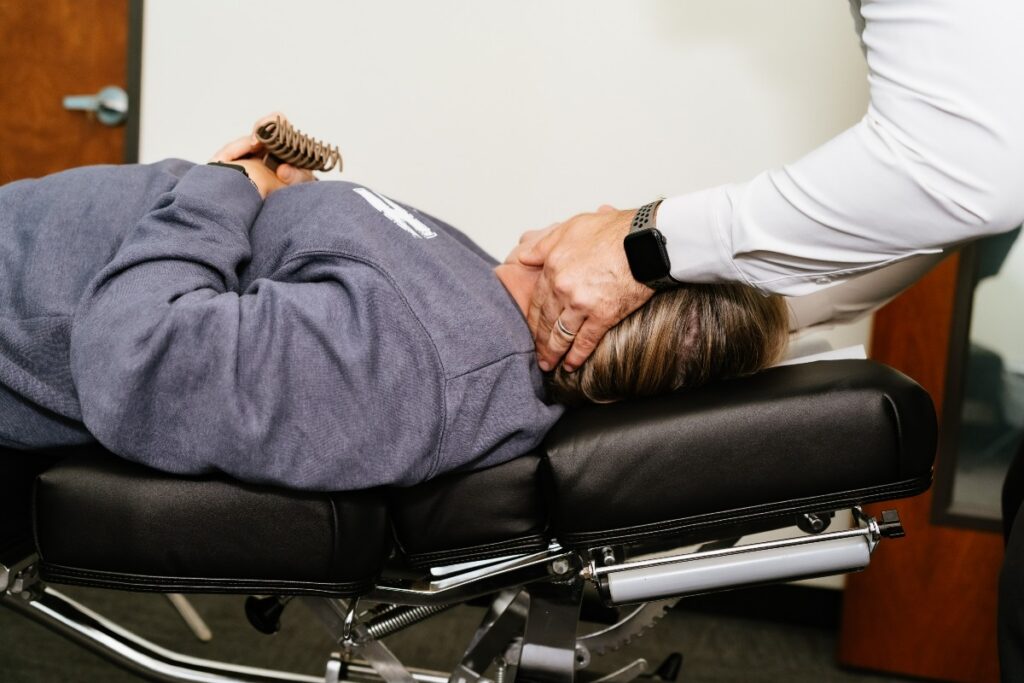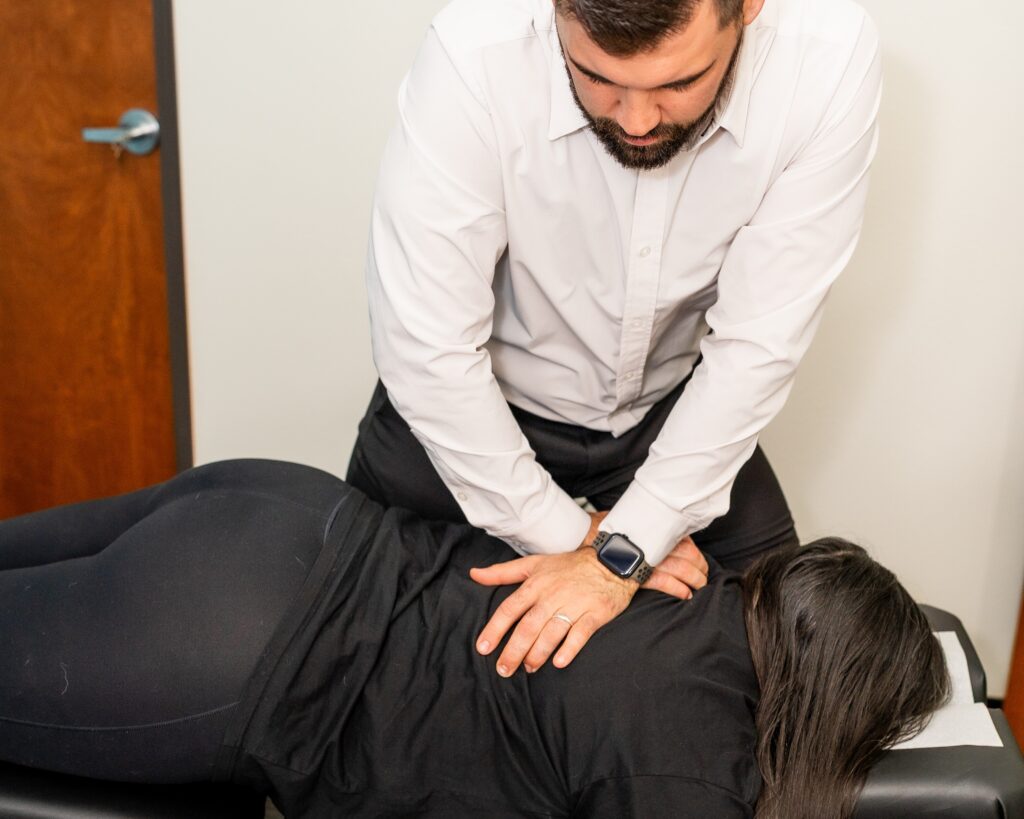

As a local chiropractor, I want to emphasize how crucial your posture is in managing and alleviating back pain. Many people are unaware that maintaining proper alignment can significantly reduce the strain on your spine, leading to improved comfort and overall well-being. When you slouch or spend prolonged periods sitting, the effects on your body can be more profound than you might think. By understanding the relationship between posture and pain, you can take steps toward effective relief. If you’re interested, I would love to guide you through practical changes that can make a real difference in your daily life.
Understanding Back Pain: Causes and Symptoms
As a local chiropractor, I want to share some important insights about back pain, which is an issue that many individuals experience at some point in their lives. This discomfort can arise from various causes, such as muscle strains, herniated discs, or even underlying medical conditions that may not be immediately apparent.
Factors like poor physical fitness, obesity, and improper lifting techniques can also play a significant role in your back pain.
Patients often describe their symptoms in various ways, from a dull ache to sharp, shooting pain that may radiate down the legs. You might also notice feelings of stiffness or limited mobility, which can make even simple daily tasks feel challenging.
In some cases, back pain may come with tingling or numbness, indicating that nerves could be involved.
It’s crucial to be mindful of your body and recognize what might be triggering your discomfort. Whether it’s prolonged sitting, an awkward sleeping position, or a specific injury, understanding these factors is the first step toward relief.
As a chiropractor, I believe that taking a proactive approach to back pain can help prevent further complications and significantly enhance your quality of life.
Chiropractic care focuses on natural healing and the proper alignment of the spine, which can alleviate pain and restore function.
If you’re dealing with back pain, consider exploring how chiropractic adjustments and lifestyle adjustments can help you feel better and live more comfortably.
Let’s work together to understand your body and find the most effective solutions for your pain.
The Role of Posture in Spinal Health
As a local chiropractor, I want to emphasize the vital role that good posture plays in maintaining spinal health and alleviating back pain. When you practice proper posture—whether sitting or standing—you help distribute your body weight evenly across your spine. This balanced alignment minimizes unnecessary strain on your muscles and ligaments, which is essential for preventing discomfort.
Good posture also supports the natural curves of your spine, allowing it to function optimally and maintain flexibility. Being mindful of how you carry yourself throughout the day can significantly benefit your spinal health. For example, when you’re at your desk or lifting items, engaging your core and keeping your shoulders back can provide the necessary support for your spine.
Moreover, maintaining proper posture goes beyond just spinal health; it can also enhance your breathing and circulation, contributing to your overall well-being. As a chiropractor, I encourage you to incorporate regular posture checks into your daily routine. This small adjustment can lead to long-term benefits, including increased energy levels and reduced discomfort.
By prioritizing your posture, you’re taking a proactive step towards supporting your spine and improving your quality of life. Remember, chiropractic care is here to assist you on your journey to better health and wellness.
Let’s work together to achieve a healthier, pain-free lifestyle!
How Poor Posture Contributes to Back Pain
As a local chiropractor, I want to take a moment to discuss how poor posture can significantly impact your back health. Many people may not realize that slouching or hunching over affects more than just how you look; it puts tremendous strain on your spine and the muscles surrounding it. This strain can lead to a range of issues that often contribute to back pain.
Here are a few key points to consider:
- Increased Pressure: When you slouch, it compresses the spinal discs, which can lead to increased pressure and discomfort. This pressure can manifest as pain that affects your daily activities.
- Muscle Imbalance: Maintaining poor posture can lead to muscular imbalances in your body. Some muscles may become overstretched while others tighten up, resulting in discomfort and tension in your back.
- Nerve Compression: Misalignments caused by poor posture can compress nerve roots in your spine. This can lead to pain that radiates not just in your back, but also down into your legs, impacting your mobility and overall quality of life.
Understanding the relationship between posture and back pain is crucial in preventing discomfort and promoting a healthier spine.
As your chiropractor, I’m here to help you correct these issues through natural healing techniques, education, and personalized care. Together, we can work towards improving your posture and alleviating your back pain.
The Science Behind Posture Correction
As a local chiropractor, it’s important to understand how poor posture can significantly impact your spine and overall health. When you slouch or hunch over, it disrupts the natural curves of your spine. This misalignment can place undue stress on your discs and joints, leading to discomfort and pain.
Moreover, your muscles have to work harder to compensate for this strain, which can lead to tension and fatigue. Research indicates that maintaining proper spinal alignment is crucial for distributing weight evenly along your spine, which helps to minimize stress on any one area.
By engaging your core muscles and aligning your shoulders correctly, you can provide essential support to your spine’s natural structure. Not only does this improve posture, but it also enhances blood circulation and oxygen flow throughout your body, contributing to your overall well-being.
Additionally, your brain plays a vital role in this process. It continuously receives feedback from your body about its position. By practicing good posture, you’re essentially training your brain to recognize and maintain that correct alignment.
This can be a key factor in alleviating back pain and improving your quality of life. As your chiropractor, I’m here to guide you through effective posture correction techniques that can lead to lasting relief and better health.
Practical Tips for Improving Your Posture
As a local chiropractor, I want to share with you some simple yet effective strategies to enhance your posture and promote better overall health. Many people are unaware that small changes in their daily habits can lead to significant improvements in their alignment and comfort.
- Optimize Your Workspace: A well-adjusted workspace can make a world of difference in your posture. Ensure your chair provides adequate support for your lower back. Your feet should be flat on the floor, and your computer screen should be positioned at eye level. This helps to prevent unnecessary strain on your neck and back.
- Be Mindful of Phone Usage: It’s common to look down at our phones, but this can lead to a condition often referred to as “text neck.” To alleviate this strain, hold your phone at eye level while texting or browsing the internet. This simple adjustment can significantly reduce tension in your neck and shoulders.
- Cultivate Postural Awareness: I encourage you to regularly check in with your posture throughout the day. Try to stand tall, keeping your shoulders back and your head aligned over your spine. This awareness can help reinforce good habits and alleviate discomfort.
By incorporating these tips into your daily routine, you can start to feel more balanced and reduce any discomfort you may be experiencing.
Exercises to Strengthen Postural Muscles
As a local chiropractor, I want to emphasize the importance of strengthening your postural muscles for optimal alignment and to help alleviate back pain. Engaging in specific exercises can be a natural and effective way to support your spine and overall well-being.
One great exercise to start with is the plank. This exercise not only engages your core but also strengthens your back muscles. I recommend aiming for three sets, holding each plank for 30 seconds to one minute.
Another effective move is the wall angel. Stand against a wall with your arms raised in a “W” shape, and then slowly slide them up and down. This exercise can significantly improve your shoulder mobility and posture, which is crucial for a healthy spine.
Incorporating bridges into your routine is also beneficial. To perform a bridge, lie on your back with your knees bent and lift your hips. This will work your glutes and lower back, which are vital for maintaining proper posture.
Lastly, consider adding the superman exercise to your regimen. Lie face down and lift both your arms and legs off the ground at the same time. Hold this position for a few seconds before relaxing.
I encourage you to perform these exercises three to four times a week. Consistency is key, as it will help reinforce proper posture and reduce discomfort in your back over time.
When to Seek Professional Help for Back Pain
Are you unsure when it’s time to reach out for professional assistance with your back pain? As a local chiropractor, I want to help you understand the importance of knowing when to seek care. Recognizing the right moments to consult a healthcare provider can greatly enhance your recovery process.
Here are three crucial signs that indicate it’s time to get help:
- Ongoing Pain: If your back pain persists for more than a few weeks and home remedies aren’t providing relief, this is a signal that professional evaluation is necessary. Chiropractic care can often help address underlying issues that may be contributing to your discomfort.
- Intense Discomfort: If you’re experiencing severe pain that hampers your ability to perform daily activities—like standing, walking, or even sitting—it’s important to seek immediate care. A chiropractor can assess your condition and develop a tailored treatment plan to alleviate your pain and restore mobility.
- Accompanying Symptoms: Pay attention if your back pain is accompanied by other concerning symptoms such as numbness, weakness, or issues with bowel or bladder control. These could indicate a more serious condition that requires prompt attention, and a chiropractor can help guide you through the next steps.
Ignoring these signs can potentially lead to more serious health complications, so it’s vital to act early.
Conclusion
As a local chiropractor, I want to emphasize how crucial proper posture is in managing and alleviating back pain. When you maintain good spinal alignment and engage your core muscles, you can significantly reduce the strain on your back, which often leads to discomfort and pain. It’s important to remember that even small changes in your daily habits can make a big difference in how you feel.
I encourage you to incorporate exercises that strengthen your postural muscles into your routine, and be mindful of your posture throughout the day, whether you’re sitting, standing, or moving. If you find that your pain persists despite these adjustments, I recommend seeking professional guidance to explore chiropractic care. Together, we can develop a personalized approach to support your back health and enhance your overall well-being. Your back will truly appreciate the care!