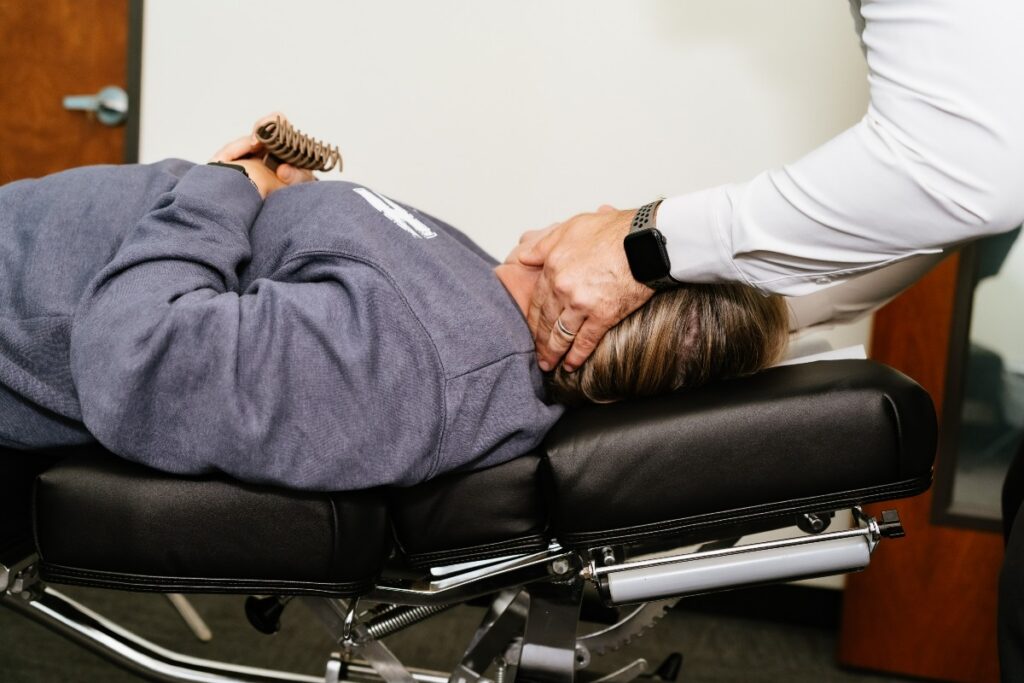

If you’re experiencing back pain, it can be daunting to find effective and lasting relief. As a local chiropractor, I want to emphasize that true solutions go beyond quick fixes. It’s important to consider holistic approaches that target the underlying causes of your discomfort. By focusing on key areas such as posture, exercise, and nutrition, you can create a foundation for long-term health and well-being.
To begin your journey towards relief, here are some specific strategies you can implement today:
- Improve Your Posture: Pay attention to how you sit, stand, and move throughout the day. Simple adjustments can make a significant difference in how your body feels.
- Incorporate Regular Exercise: Engaging in gentle physical activity, such as walking, stretching, or yoga, can strengthen your back muscles and improve flexibility.
- Prioritize Nutrition: Eating a balanced diet rich in anti-inflammatory foods can support your overall health and help reduce pain.
As you explore these natural healing methods, remember that chiropractic care can also play a vital role in your recovery. By addressing misalignments in your spine, we can help alleviate pain and restore proper function. Together, we can work towards a healthier, pain-free future.
Understanding the Causes of Back Pain
As a local chiropractor, I want to help you understand the underlying causes of your back pain and guide you toward effective, natural relief. Back pain can stem from various factors, and recognizing these can be the first step in your healing journey.
One common issue is muscle strains, which often occur from overexertion or improper lifting techniques. Additionally, conditions like herniated discs can lead to significant discomfort by pressing on nearby nerves.
Your physical condition plays a crucial role as well. Weak core muscles can contribute to back problems, making it essential to strengthen this area. Injuries from falls or accidents can cause acute pain, while chronic issues such as arthritis or scoliosis may lead to ongoing discomfort.
It’s also important to consider how stress and tension can manifest as muscle tightness, which can worsen your back pain. Identifying your specific triggers is vital for effectively addressing your discomfort.
By understanding these causes, you can take proactive steps toward relief. Chiropractic care focuses on natural healing methods, including adjustments, exercise, and stretching tailored to your needs.
The Importance of Posture and Ergonomics
As a local chiropractor, I want to emphasize how crucial your posture and workspace setup are in preventing back pain.
Many people may not realize that simply sitting correctly and adjusting your desk to fit your individual needs can make a world of difference in your overall spinal health.
It’s also vital to incorporate movement into your day—taking regular breaks to stretch not only helps alleviate tension but also promotes a healthier, pain-free back.
Remember, small adjustments in your daily habits can lead to significant improvements in your well-being.
Let’s work together to create a healthier lifestyle that supports your spine!
Correct Sitting Position
As a local chiropractor, I want to emphasize the importance of maintaining a correct sitting position for your overall health and well-being. Many people may not realize how crucial it’s to sit properly in order to prevent back pain and other related issues.
When you take a seat, aim to keep your back straight and your shoulders relaxed—not slouched. It’s important that your feet lie flat on the floor, with your knees bent at a right angle. This alignment helps distribute your weight evenly and significantly reduces strain on your spine.
Also, be mindful of your head and neck alignment; your ears should sit directly above your shoulders. If you find yourself sitting for extended periods, I encourage you to take regular breaks. Stand up, stretch, or walk around to relieve any built-up tension.
Desk Setup Tips
As a local chiropractor, I want to emphasize the importance of an ergonomic desk setup for your overall health. Many people overlook how their workspace can impact their posture and contribute to discomfort or back pain.
By making a few adjustments, you can significantly improve your daily experience. Here are three essential tips to help you optimize your desk setup:
- Chair height: It’s crucial to adjust your chair so that your feet are flat on the ground and your knees are at hip level. This alignment helps support your spine and can prevent unnecessary strain on your back.
- Screen position: Your monitor should be at eye level and approximately an arm’s length away. This positioning can help minimize neck strain and encourage a more natural alignment of your head and spine.
- Keyboard and mouse: Ensure that your keyboard and mouse are within easy reach, so you don’t have to stretch to use them. Your elbows should be at a comfortable 90-degree angle, which helps maintain proper posture and reduces the risk of developing repetitive strain injuries.
By following these tips and creating an ergonomic workspace, you can support your body and promote better health while working.
If you have any questions or need assistance with your posture, feel free to reach out to me for guidance!
Importance of Movement
As your local chiropractor, I want to emphasize the crucial role that movement plays in maintaining good posture and preventing back pain, especially in our increasingly sedentary work environments.
Many of us find ourselves sitting for extended periods, which can lead to weakened muscles and misalignment of the spine. To combat this, I encourage you to take regular movement breaks throughout your day. Aim to stand, stretch, or take a short walk every hour to help keep your body limber and promote better posture.
Incorporating simple exercises into your routine, such as shoulder rolls and torso twists, can be particularly beneficial. These movements not only strengthen your back but also improve your overall spinal alignment.
It’s essential to listen to your body; if you start to feel discomfort, that’s your cue to get up and move.
Moreover, I recommend assessing your workspace ergonomics. Properly adjusting your chair and desk height can significantly impact your posture and overall comfort while you work.
By prioritizing movement and making these adjustments, you can alleviate discomfort and enhance both your productivity and overall well-being.
Incorporating Regular Exercise and Stretching
As a local chiropractor, I want to emphasize the importance of incorporating regular exercise and stretching into your daily routine. Not only does this enhance your physical health, but it can also significantly alleviate back pain. By engaging in these activities, you strengthen your core muscles, improve flexibility, and promote better posture—key components of maintaining a healthy spine.
To optimize your exercise and stretching regimen, here are some valuable tips:
- Prioritize core-strengthening exercises: Focus on movements that support your spine, such as planks and bridges. A strong core is essential for spinal stability.
- Add stretching routines: Consider practices like yoga or Pilates, which are excellent for enhancing flexibility and relieving tension in your back. These methods can be particularly beneficial in promoting overall spinal health.
- Commit to consistency: Aim to dedicate at least 30 minutes most days of the week to your exercise and stretching routine. Regular practice is crucial for experiencing the full benefits.
Establishing a habit of exercise and stretching can greatly reduce discomfort and improve your overall well-being.
Remember to always listen to your body, and if you have any pre-existing health concerns, it’s wise to consult with a healthcare professional before starting a new routine.
As your chiropractor, I’m here to guide you on your path to natural healing and optimal health.
Exploring Nutritional Strategies for Pain Management
As a chiropractor dedicated to helping you manage back pain, I want to highlight the significant role that nutrition plays in your overall well-being. What you eat can greatly influence your pain levels. By incorporating anti-inflammatory foods into your diet, staying adequately hydrated, and ensuring you’re not lacking in essential nutrients, you can support your muscle health and alleviate discomfort.
Let’s take a closer look at these nutritional strategies. Anti-inflammatory foods, such as fruits, vegetables, nuts, and fish, can help reduce inflammation in your body, which is often a contributing factor to back pain.
Staying hydrated is also crucial, as water helps maintain the elasticity of your spinal discs and supports overall bodily functions.
Additionally, addressing any nutrient deficiencies can make a difference in how your body responds to pain. Nutrients like magnesium, vitamin D, and omega-3 fatty acids are vital for muscle function and pain management.
By integrating these dietary changes into your pain management routine, you can enhance the effectiveness of chiropractic care and foster a holistic approach to your health.
Together, we can work towards a healthier, pain-free life.
Anti-inflammatory Foods Impact
As a local chiropractor dedicated to helping you achieve optimal health, I want to emphasize the crucial role of diet in managing pain, particularly for those dealing with back pain.
Incorporating anti-inflammatory foods into your daily meals can significantly reduce inflammation and promote your overall well-being. Allow me to share some key anti-inflammatory options you should consider:
- Fatty Fish: These aren’t just delicious; they’re also packed with omega-3 fatty acids, which are known to help reduce inflammation and support heart health. Think salmon, mackerel, and sardines as great additions to your diet.
- Leafy Greens: Vegetables such as spinach and kale are powerhouse foods loaded with antioxidants and essential vitamins. These nutrients play a vital role in combating inflammation and enhancing your body’s healing processes.
- Berries: Don’t overlook the benefits of fruits like blueberries and strawberries. They contain natural compounds that can help lower inflammatory markers in your body, making them an excellent snack or addition to your meals.
By consciously including these foods in your diet, you can support your body’s natural healing abilities and alleviate some of the discomfort you may be experiencing.
Hydration and Muscle Health
As a local chiropractor, I want to emphasize the crucial role that proper hydration plays in maintaining your muscle health, especially if you’re dealing with back pain.
Staying well-hydrated allows your muscles to operate more effectively, which can help reduce the risk of cramps and tension that may intensify your discomfort. Water is vital for transporting essential nutrients to your muscles and flushing out toxins, both of which are important for recovery and overall performance.
I encourage you to make it a habit to drink water consistently throughout the day, particularly before, during, and after any exercise.
Additionally, incorporating hydrating foods like fruits and vegetables into your diet can significantly benefit your fluid intake.
It’s important to listen to your body; if you start feeling fatigued or notice muscle stiffness, it may be a sign that you need to increase your fluid intake.
By prioritizing hydration, you can actively support your muscle health and potentially find relief from some of your back pain.
Nutrient Deficiencies and Pain
As a local chiropractor, I want to shed some light on how nutrient deficiencies can significantly impact your experience of pain, especially when it comes to back issues. Many people are unaware that a lack of essential vitamins and minerals can lead to inflammation, muscle weakness, and overall discomfort in the body.
To effectively manage your pain and support your healing journey, it’s important to focus on specific nutrients that play a vital role in your body’s functioning:
- Vitamin D: This nutrient is crucial for maintaining bone health and can help reduce inflammation, which is often a contributing factor to pain.
- Magnesium: Known for its muscle-relaxing properties, magnesium can help alleviate tension-related pain, making it an essential nutrient for those suffering from back discomfort.
- Omega-3 Fatty Acids: These healthy fats are renowned for their anti-inflammatory benefits and can assist in reducing pain and promoting overall joint health.
Incorporating a well-balanced diet that includes these key nutrients might be just the sustainable solution you’ve been searching for.
The Role of Mindfulness and Stress Reduction
As a local chiropractor, I want to emphasize how crucial it’s to understand the connection between stress and back pain. Many people may not realize that stress can significantly contribute to discomfort in the back. When you experience stress, your body tends to tense up, which can worsen any existing pain you might have.
This is why incorporating mindfulness and stress reduction techniques can be an essential part of your healing journey.
One effective way to manage stress is through deep breathing exercises or meditation. These practices help you focus on the present moment and can significantly release built-up tension in your body. Journaling can also be a valuable tool; it allows you to articulate your feelings and create a mental space that may help reduce anxiety.
Additionally, gentle yoga or stretching routines can’t only promote relaxation but also improve your posture, which is vital for alleviating back pain.
Remember, the goal isn’t just to find physical relief but also to cultivate a calm mind, which can enhance your overall well-being. By prioritizing mindfulness and stress reduction in your daily routine, you’re taking an important step toward achieving sustainable relief from back pain.
As your chiropractor, I encourage you to explore these natural healing methods as part of your overall health plan.
Natural Therapies: Acupuncture and Massage
As a local chiropractor, I often encounter patients who are seeking relief from back pain and are curious about natural therapies like acupuncture and massage.
These holistic approaches can significantly enhance your journey toward pain relief by tapping into your body’s innate healing abilities.
Let’s explore the benefits of integrating acupuncture and massage into your wellness routine:
– Pain Reduction: Acupuncture targets specific points on your body, which can stimulate the release of endorphins—our natural painkillers.
Meanwhile, massage works to alleviate muscle tension, providing a complementary effect for pain relief.
– Improved Circulation: Both acupuncture and massage promote better blood flow.
This increased circulation delivers vital nutrients to injured areas, which can accelerate your recovery process.
– Stress Relief: Chronic back pain can often be exacerbated by stress and tension.
These therapies promote relaxation, helping to reduce the overall tension in your body and contributing to a more comfortable state.
By incorporating these natural therapies into your care plan, you can take a more proactive role in managing your pain.
It’s important to recognize that these methods aren’t just about temporary relief; they also foster long-term wellness.
When you choose to explore options like acupuncture and massage, you’re making a valuable investment in your overall health, supporting both your body and mind on the path to recovery.
Alternative Treatments: Chiropractic Care and Physiotherapy
As a local chiropractor, I want to take a moment to educate you about two alternative treatments that can effectively support your journey to relief from back pain: chiropractic care and physiotherapy.
Chiropractic care is centered around the spine and its alignment. Our primary goal is to alleviate pain through precise adjustments and manual manipulations. This not only helps reduce discomfort but also enhances mobility, eases tension, and fosters overall wellness.
By focusing on spinal health, we aim to restore your body’s natural balance and function.
On the other hand, physiotherapy takes a holistic approach by emphasizing movement and rehabilitation. A skilled physiotherapist will evaluate your specific condition and develop a customized exercise program designed to strengthen muscles, improve flexibility, and correct posture.
This proactive strategy not only addresses your current pain but also equips you with the tools to prevent future issues.
Both chiropractic care and physiotherapy encourage you to actively participate in your own healing process. By incorporating these treatments into your routine, you can empower yourself to take charge of your back health.
Together, we can work towards achieving relief and fostering sustainable recovery, allowing you to enjoy your daily activities without discomfort.
If you’re curious about how these approaches can benefit you, I invite you to reach out and learn more.
Building a Supportive Environment for Recovery
As a local chiropractor, I want to emphasize that creating a supportive environment at home is just as crucial as the chiropractic treatments you receive for your back pain.
When you foster an atmosphere that encourages healing, your journey toward relief and recovery can be significantly enhanced. Here are some key aspects to consider for optimizing your environment:
- Ergonomic furniture: Investing in a chair and desk that properly support your spine is essential. This setup helps reduce strain during daily activities and encourages good posture, which is vital for maintaining spinal health.
- Clutter-free spaces: An organized living area can do wonders for your mental well-being. Reducing clutter not only minimizes stress but also creates a more calming atmosphere, which can aid in your recovery process.
- Comfortable sleeping arrangements: The importance of a good night’s sleep can’t be overstated. Selecting a mattress and pillows that offer proper support for your back can make a significant difference in how you feel each day.
Quality sleep is a key component of healing.
By focusing on these aspects, you can create an environment that supports your recovery and complements the chiropractic care you’re receiving.
Conclusion
As a local chiropractor, I want to share with you some sustainable solutions for relieving back pain that can truly enhance your daily life. It all begins with understanding the importance of posture; maintaining proper alignment can significantly reduce strain on your back. Regular exercise, tailored to your needs, is crucial for strengthening your muscles and supporting your spine.
Nutrition also plays a vital role in your overall wellness. Eating a balanced diet rich in anti-inflammatory foods can help reduce pain and promote healing. Additionally, I encourage you to explore mindfulness practices and natural therapies, such as chiropractic adjustments, which can alleviate tension and aid in your recovery.
Creating a supportive environment at home and being proactive about your health can make a world of difference. By taking these steps, you can effectively manage your back pain and improve your well-being. Remember, you are not alone on this journey; I’m here to guide you towards a healthier, pain-free life. Let’s start this journey together!