
Chronic back pain is a common issue that affects many individuals, often resulting from underlying problems like herniated discs or muscle strains. As a local chiropractor, I want to emphasize the importance of understanding these causes to achieve effective relief. By exploring natural healing methods such as chiropractic adjustments, core strengthening exercises, and maintaining proper posture, you can significantly enhance your quality of life.
So, what specific steps can you take to create a personalized pain management plan that truly works for you? Together, we can delve into various options that may include tailored chiropractic treatments, lifestyle modifications, and home exercises designed to alleviate your discomfort. Let’s work together to find the best solutions for your unique situation and help you reclaim your well-being.
Understanding Chronic Back Pain
Chronic back pain is more than just an occasional ache; it’s a persistent challenge that can influence every aspect of your life. Many of my patients share how difficult it becomes to complete daily tasks, enjoy hobbies, or even get a good night’s sleep when dealing with this type of discomfort.
It’s important to understand that chronic back pain isn’t just a physical issue; it can also take a toll on your emotional well-being, leading to feelings of frustration, anxiety, and even depression.
As a chiropractor, I often see patients feel isolated in their pain, especially when friends and family may not fully understand the struggle. Recognizing that chronic back pain is a complex experience can be empowering. It opens the door to exploring natural healing options that chiropractic care offers.
I encourage you to have open conversations with healthcare professionals who can guide you through the various treatment options available. You’re not alone on this journey, and taking proactive steps through chiropractic adjustments, exercises, and lifestyle modifications can significantly improve your well-being.
Common Causes of Chronic Back Pain
As a local chiropractor, I understand that chronic back pain can be a complex issue, and it’s crucial to pinpoint the root causes to provide effective care.
One prevalent cause of chronic back pain is a herniated disc. This occurs when the soft cushioning between your vertebrae slips out of its normal position, which can irritate nearby nerves and lead to discomfort.
Another common contributor is muscle strains or ligament sprains, often resulting from heavy lifting or sudden, awkward movements. These injuries can set off a cycle of persistent pain that affects your daily life.
Additionally, conditions like arthritis can impact your spine, causing inflammation and stiffness that may worsen over time.
It’s also important to consider your physical conditioning. A lack of core strength can exacerbate back issues, as weak muscles are unable to provide the necessary support for your spine.
As we age, our bodies naturally undergo degenerative changes that can lead to chronic discomfort as well.
Moreover, emotional well-being plays a significant role in our physical health. Stress and anxiety can manifest as physical pain, making it essential to address both the mental and physical aspects of your health.
Understanding these factors is the first step toward managing your chronic back pain effectively. Together, we can explore natural healing methods that focus on restoring balance and promoting overall wellness.
The Importance of Posture
As your local chiropractor, I want to emphasize the crucial role that good posture plays in maintaining a healthy spine and preventing chronic back pain.
Many of my patients may not realize that simple changes in your workspace and daily habits can lead to significant improvements in your comfort and overall well-being.
By creating an ergonomic setup for your work environment and being mindful of how you sit, stand, and move throughout the day, you can protect your spine and promote better health.
Let’s dive into how these adjustments can make a positive impact on your daily life.
Impact on Spine Health
As a local chiropractor dedicated to your wellness, I want to emphasize the crucial role posture plays in maintaining a healthy spine. Many individuals may not realize that the way we hold our bodies can significantly impact our spine health and potentially worsen chronic back pain. When we slouch or hunch over, we inadvertently place excessive strain on our spine, leading to discomfort and even injuries over time.
Maintaining good posture is vital because it helps distribute your body weight evenly, which alleviates tension on your muscles and ligaments. Proper alignment enhances the natural curves of your spine, allowing it to function optimally.
Whether you’re sitting, standing, or moving, being conscious of your posture can lead to remarkable improvements in your overall comfort and health. I encourage you to incorporate simple adjustments into your daily routine, such as engaging your core muscles and keeping your shoulders back.
These changes can promote better spinal alignment and support, which are foundational in chiropractic care. By prioritizing your posture every day, you’re taking a significant step toward improving your spine health and reducing pain.
Ergonomic Workspaces Matter
As a local chiropractor, I want to emphasize the importance of creating an ergonomic workspace for your overall health and well-being. A well-designed workspace can significantly help in maintaining good posture throughout your workday, which in turn reduces the risk of developing chronic back pain and other musculoskeletal issues.
Here are four key elements to consider when setting up your workspace:
- Chair Height: It’s crucial that your chair is adjusted so that your feet rest flat on the floor, with your knees forming a 90-degree angle. This alignment helps support your spine and reduces strain on your back.
- Monitor Position: Position your computer screen at eye level. This will help you avoid unnecessary neck strain, keeping your spine in a more neutral position as you work.
- Keyboard Placement: Your keyboard should be at elbow height. This positioning allows your wrists to remain straight and relaxed, minimizing the risk of repetitive strain injuries.
- Desk Depth: Select a desk that provides enough space for both your legs and your equipment. Adequate space allows for proper posture and helps you move comfortably without risking injury.
By paying attention to these aspects of your workspace, you can create a healthier environment that not only promotes better posture but also supports your overall well-being.
Daily Habits to Improve
As a chiropractor, I want to emphasize the importance of maintaining good posture for preventing chronic back pain and enhancing your overall well-being in your daily life.
It’s crucial to be conscious of your posture whether you’re sitting, standing, or walking. Start by keeping your shoulders back, your spine aligned, and your feet flat on the ground. When you sit, choose a chair that supports your lower back and be mindful to avoid slouching.
Incorporating regular breaks into your day to stretch and move around is vital; this simple habit can help alleviate tension that builds up in your muscles.
When lifting objects, remember to bend your knees and keep the load close to your body to prevent strain on your back.
Additionally, I recommend practicing exercises that strengthen your core muscles. A strong core is essential as it supports your spine and contributes to better posture.
Strengthening Core Muscles
As a local chiropractor, I want to emphasize the importance of strengthening your core muscles in alleviating chronic back pain. A strong core is vital for providing the necessary support and stability to your spine. By developing your core, you can help distribute weight more evenly, which significantly reduces strain on your back.
To help you incorporate core-strengthening exercises into your daily routine, here are some effective movements you can try:
- Planks: Begin by holding a plank position for 30 seconds to a minute. Focus on keeping your body in a straight line from head to heels while engaging your core muscles.
- Bridges: Lie down on your back with your knees bent. Lift your hips towards the ceiling, hold for several seconds, and then lower them back down. This exercise strengthens your glutes and lower back.
- Bird-Dogs: Start in a tabletop position on your hands and knees. Extend one arm forward and the opposite leg back, ensuring you maintain balance and engage your core throughout the movement.
- Russian Twists: Sit with your knees bent and lean back slightly. Twist your torso from side to side, optionally using a weight for added resistance to enhance the workout.
By integrating these exercises into your routine, you can take proactive steps towards a stronger core and a healthier back.
The Role of Physical Therapy
As a local chiropractor, I want to share how chiropractic care can be a transformative approach for those dealing with chronic back pain.
Our methods focus on natural healing techniques that not only alleviate discomfort but also strengthen the surrounding muscles for lasting relief.
Through personalized adjustments, exercises, and stretches tailored to your specific needs, we can help you improve your mobility and enhance your overall comfort.
Embracing chiropractic care could be the key to reclaiming your active lifestyle and finding the relief you’ve been seeking.
Benefits of Physical Therapy
As a local chiropractor, I want to emphasize the incredible benefits of physical therapy, especially for those struggling with chronic back pain. It can truly transform your journey towards improved health and well-being.
Here are some key advantages of incorporating physical therapy into your care:
- Enhanced Flexibility – Through specific exercises, you’ll learn how to improve your range of motion, making everyday tasks much simpler and more comfortable.
- Muscle Strengthening – Focused strength training not only helps to support your spine but also plays a crucial role in reducing pain and preventing future injuries.
- Effective Pain Management – We teach you various techniques to manage and alleviate your pain naturally, minimizing the need for medications.
- Customized Treatment Plans – Your therapy is tailored specifically to your individual needs, ensuring that you receive care that’s both effective and targeted, allowing you to regain your strength and mobility more efficiently.
Consider incorporating physical therapy into your wellness routine, as it complements the chiropractic care I provide, leading to a holistic approach to healing.
Techniques for Pain Relief
As a local chiropractor, I want to help you understand how chiropractic care can effectively alleviate chronic back pain. Many individuals experience significant relief through various natural techniques we offer.
During your visits, we’ll focus on specific adjustments and exercises designed to strengthen your back and core muscles, which can enhance stability and reduce discomfort over time.
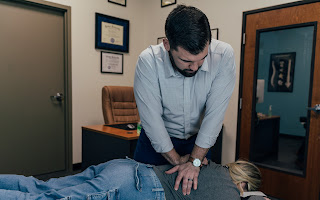
Chiropractic adjustments are a hands-on technique that helps relieve muscle tension, improve mobility, and restore proper alignment in the spine. I’ll also educate you on proper body mechanics, enabling you to avoid future strain during your daily activities.
Additionally, we may incorporate modalities such as heat, ice, or ultrasound to provide temporary pain relief and promote healing.
It’s important to remember that consistency plays a vital role in your recovery. Regular chiropractic sessions and adherence to any recommended home exercises will help maximize your results.
Alternative Therapies for Pain Relief
As a local chiropractor, I want to share with you some valuable insights into alternative therapies for pain relief that can complement traditional treatments like medication and surgery.
These holistic approaches not only target the symptoms of back pain but also focus on the underlying causes, promoting your overall well-being.
Here are four effective therapies that I often recommend:
- Acupuncture: This ancient practice involves the insertion of thin needles at specific points in the body. It’s known to relieve pain and improve the flow of energy, which can be particularly beneficial for those suffering from chronic pain conditions.
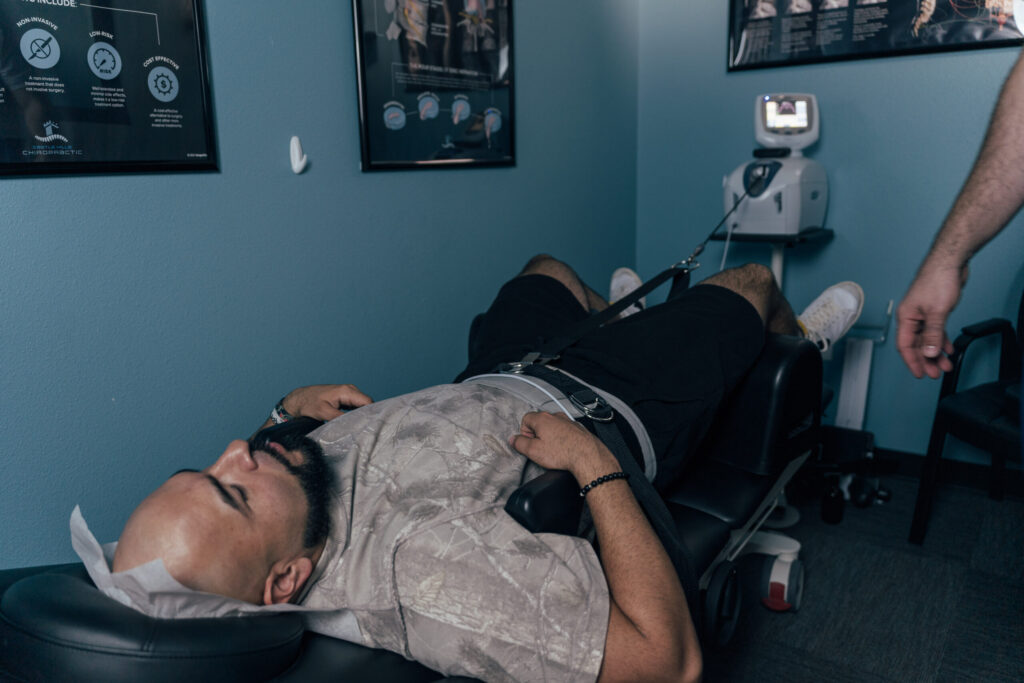
- Chiropractic Care: Through spinal manipulation, I can help correct misalignments in your spine, which may alleviate pain and enhance your mobility. Chiropractic adjustments aim to restore proper function and alignment, allowing your body to heal naturally.
- Massage Therapy: Therapeutic massage can significantly reduce muscle tension, improve circulation, and promote relaxation. It works in conjunction with chiropractic care to help ease discomfort and enhance your overall recovery.
- Yoga: Incorporating gentle stretches and mindfulness, yoga is an excellent way to enhance flexibility and strengthen your back. It not only helps prevent future pain but also fosters a deeper connection between your body and mind.
I encourage you to consider these alternative therapies as part of your pain management strategy.
Together, we can work towards a more holistic approach to your health and wellness.
The Impact of Stress on Back Pain
As a chiropractor, I want to help you understand how stress can have a significant impact on your back pain.
When you’re stressed, your muscles can become tense and tight, which often exacerbates any discomfort you may already be experiencing in your back. It’s crucial to acknowledge the connection between your mental and physical health; your emotional state can play a major role in how much pain you feel.
By incorporating effective stress management techniques into your routine, you can’t only alleviate some of your back pain but also enhance your overall well-being.
Simple practices like deep breathing, mindfulness, and regular physical activity can promote relaxation and help ease muscle tension.
In our chiropractic sessions, we can also explore natural healing methods to support your recovery and improve your quality of life.
Stress and Muscle Tension
As a local chiropractor dedicated to your wellness, I want to highlight an often-overlooked connection between stress and the muscle tension that can contribute to chronic back pain. Many people may not realize how our emotional state can directly impact our physical health.
When life’s pressures build up, the body can react in ways that lead to discomfort. Here are four ways stress can contribute to muscle tension and back pain:
- Poor Posture: When we’re stressed, it’s common to find ourselves slouching or hunching over, which puts extra strain on the muscles in your back. This poor posture can lead to discomfort and pain over time.
- Muscle Clenching: Stress and anxiety can lead to unconscious muscle clenching. This tightens the muscles around your spine and can heighten your pain levels without you even noticing.
- Decreased Flexibility: Stress can create a tightness that limits your ability to stretch and move freely, ultimately affecting your range of motion. This rigidity can make it difficult to perform daily activities comfortably.
- Increased Fatigue: Chronic stress can sap your energy levels, making it increasingly challenging to maintain good posture and stay active. This lack of movement can further exacerbate back pain.
Understanding these factors is essential for anyone looking to manage and alleviate back pain effectively.
By addressing stress and its impact on your body, we can work together to develop a natural healing plan that promotes both physical and emotional well-being.
If you have any questions about how chiropractic care can help relieve your back pain, don’t hesitate to reach out. Your health journey is important to us!
Psychological Factors Involved
As a local chiropractor, I want to share with you an important aspect of managing back pain that goes beyond just physical treatment: your emotional well-being.
Many people may not realize that psychological factors can significantly impact how we experience pain. When you’re feeling stressed or anxious, your body naturally tenses up, which can lead to increased muscle tightness and discomfort in your back. This can create a cycle where your back pain feels more severe and persistent.
Moreover, if you’re struggling with feelings of depression or anxiety, it can shift your focus, making you more aware of your discomfort. This heightened awareness can lead to a feedback loop where pain and stress feed into each other, making the situation seem worse.
It’s crucial to understand that your mindset plays a vital role in how you perceive and manage pain. By addressing these psychological factors, you can potentially lessen the intensity of your back pain and enhance your overall quality of life.
Recognizing this connection between mind and body is a significant step in your healing journey. In our practice, we incorporate a holistic approach that considers not just the physical adjustments but also the emotional aspects of your health.
Together, we can work towards a more balanced and healthier you.
Coping Mechanisms for Relief
As a local chiropractor, I want to help you understand how your mental well-being can significantly influence your physical discomfort, particularly when it comes to back pain.
When life gets stressful, it can often worsen your pain. Here are four effective coping strategies that I encourage my patients to consider for relief:
- Mindfulness Meditation: Embracing mindfulness can be a game-changer. By focusing your attention on the present moment, you can reduce anxiety levels, which may help ease your pain.
- Breathing Exercises: Engaging in deep breathing techniques is a simple yet powerful way to calm your mind. This practice can reduce muscle tension, potentially leading to decreased discomfort in your back.
- Physical Activity: Incorporating gentle exercises, such as walking or stretching, into your routine can have numerous benefits. Not only do these activities release endorphins that boost your mood, but they also help strengthen the muscles that support your back.
- Social Support: Don’t underestimate the power of connection. Spending time with friends or participating in support groups can provide emotional comfort and valuable insights into managing your pain.
By integrating these coping mechanisms into your life, you may find a more holistic approach to managing your back pain alongside chiropractic care.
Together, we can work towards achieving the relief you deserve.
Lifestyle Changes for Long-Term Relief
As a local chiropractor, I understand that chronic back pain can be a daunting challenge for many of you. However, I want to emphasize that making certain lifestyle changes can lead to significant long-term relief. One of the most beneficial steps you can take is to incorporate regular exercise into your daily routine.
Focus on low-impact activities such as walking, swimming, or yoga. These exercises not only strengthen your back but also enhance your flexibility, which is crucial for maintaining a healthy spine.
It’s equally important to be mindful of your posture throughout the day. Whether you’re sitting at a desk or standing, maintaining proper alignment can significantly reduce the strain on your back. I often remind my patients to check in with their posture regularly, as small adjustments can lead to big improvements.
Additionally, let’s talk about sleep. A supportive mattress and the right pillow can make a world of difference in keeping your spine aligned while you rest. Quality sleep is essential for recovery and can help ease discomfort.
Managing your weight is another critical factor. Extra weight can place additional stress on your back, so maintaining a healthy weight is beneficial not just for your back but for your overall health.
Lastly, I encourage you to explore stress management techniques such as meditation or deep breathing. Stress can often exacerbate pain, so finding ways to relax can help alleviate discomfort.
By committing to these lifestyle changes, you have the potential to not only reduce your back pain but also improve your overall well-being.
I’m here to support you on this journey towards a healthier, pain-free life. Together, we can work towards making these adjustments and enhancing your quality of life.
When to Seek Professional Help
As a local chiropractor, I understand that figuring out when to seek professional help for chronic back pain can be challenging, especially if you’re new to chiropractic care and natural healing.
It’s crucial to listen to your body and recognize the signs that indicate it’s time to consult a healthcare professional like myself. Here are some key indicators to consider:
- Persistent Pain: If your back pain lingers for more than a few weeks despite trying home remedies, it’s a strong signal that you should reach out for help. Chiropractic adjustments can provide relief and address underlying issues.
- Intense Discomfort: When your pain becomes so severe that it interferes with your daily activities or keeps you awake at night, don’t hesitate to seek assistance. I can help you find solutions that restore your comfort and mobility.
- Numbness or Weakness: If you experience numbness, tingling, or weakness in your legs, this could indicate a more serious problem that warrants a thorough evaluation. Chiropractic care aims to identify and treat the root cause of these symptoms.
- Loss of Bladder or Bowel Control: This is a critical warning sign that demands immediate medical attention. If you encounter this symptom, it’s essential to act quickly.
By being mindful of these signs and seeking help, you can enhance your healing journey and improve your overall quality of life through natural methods like chiropractic care.
Your body deserves attention and care, and I’m here to support you on that path.
Developing a Personalized Pain Management Plan
As your local chiropractor, I want to help you understand the importance of developing a personalized pain management plan tailored to your unique needs. If you’ve noticed signs that it’s time to seek professional assistance, the next step is to work together on creating a strategy that promotes your recovery.
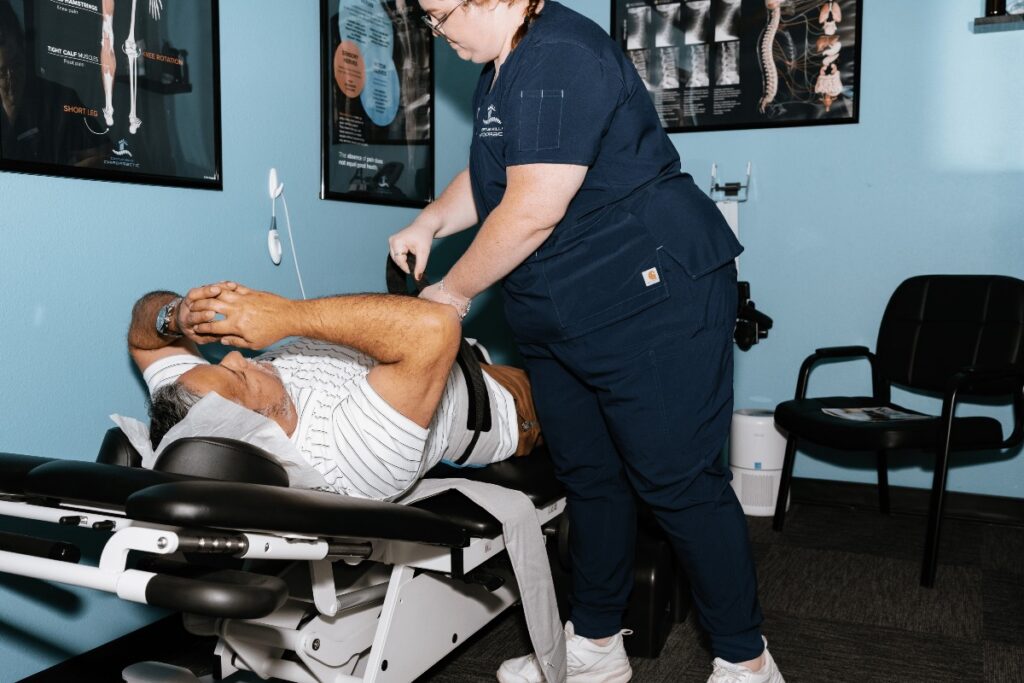
Start by scheduling a consultation with me to discuss your specific symptoms, lifestyle, and any concerns you may have. Together, we’ll explore a combination of chiropractic treatments that may include spinal adjustments, physical therapy exercises, and natural therapies such as acupuncture or massage.
Incorporating regular, gentle exercise into your daily routine is crucial. Activities like swimming or yoga can significantly strengthen your back and enhance flexibility, making daily tasks easier and reducing discomfort.
Additionally, managing stress is vital; practices like mindfulness and meditation can help you better cope with pain and improve your overall well-being.
I encourage you to keep a pain diary where you can track your pain triggers, intensity levels, and any effective coping strategies you discover along the way. This information will be invaluable as we adjust your personalized plan to ensure it’s working for you.
Conclusion
As a local chiropractor, I want to emphasize the importance of a comprehensive approach to managing chronic back pain. By focusing on your posture, strengthening your core muscles, and engaging in physical therapy, you can significantly improve your overall well-being. It’s also vital to address underlying stress through mindfulness techniques and to make lifestyle adjustments that support your health in the long run.
Chiropractic care plays a crucial role in this journey. If you find that your pain persists, seeking our expertise can make a significant difference. We work with you to develop a personalized pain management plan tailored to your specific needs, empowering you to take control of your health. Together, we can help you regain your quality of life and enjoy everyday activities without the burden of pain. Embrace the opportunity for natural healing and let us guide you on this path to recovery.