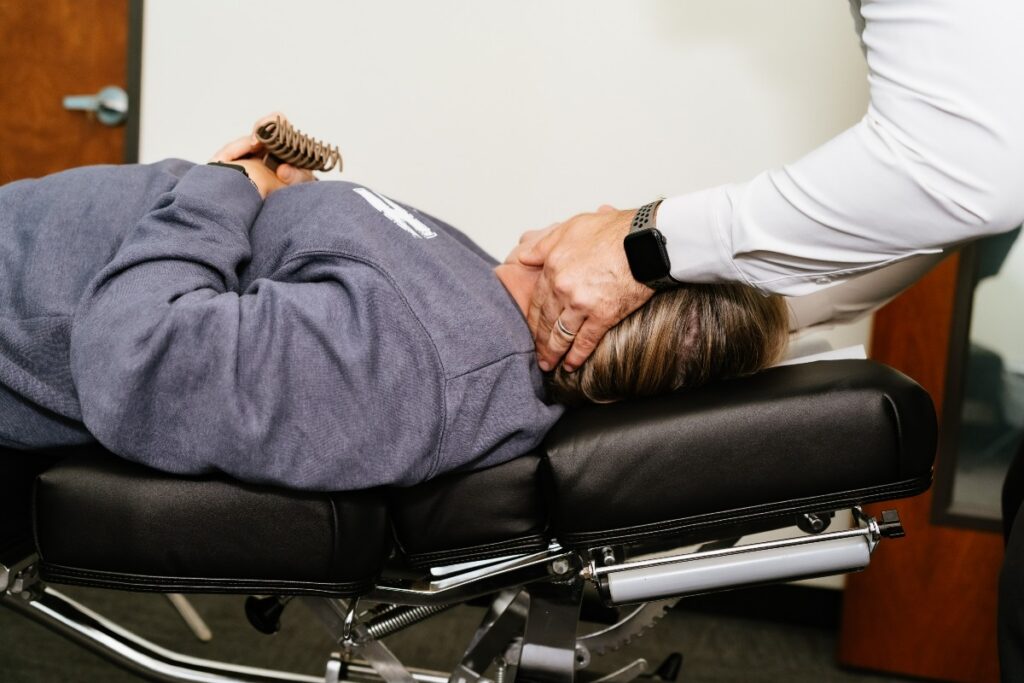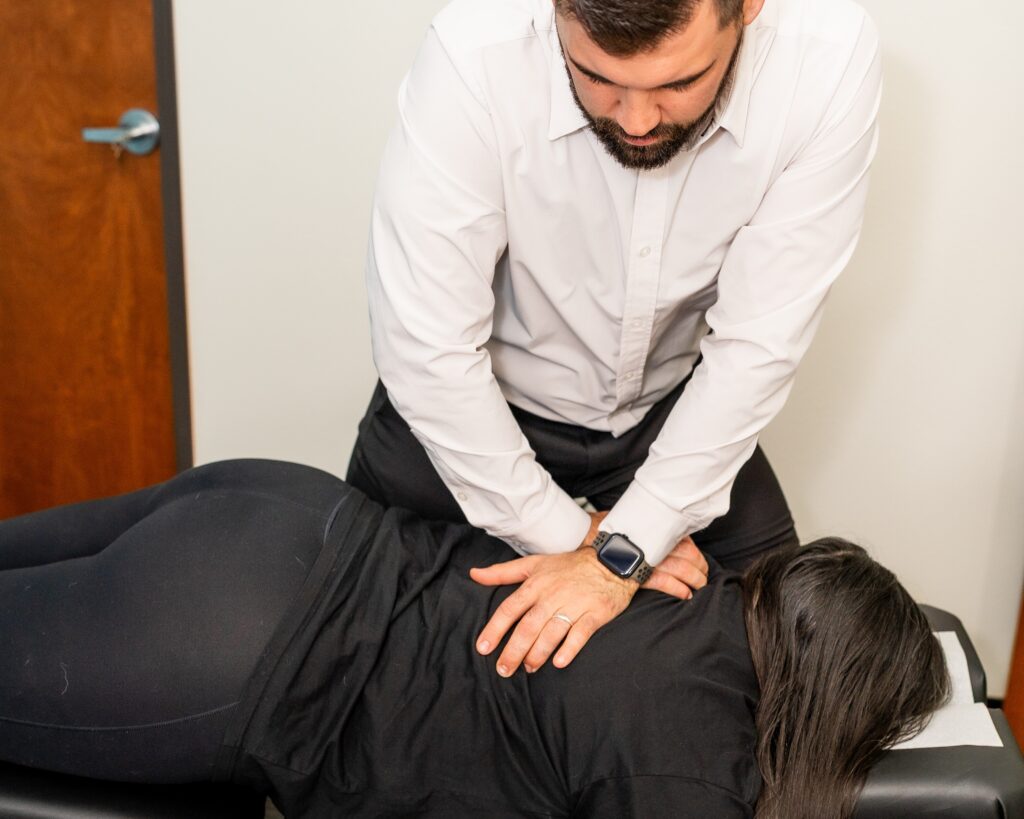

As a local chiropractor, I've seen many patients come in with that nagging back pain that can really put a damper on your day. It's a common issue, and it can be more than just a physical annoyance; it often leads to frustration and stress. Instead of allowing that discomfort to control your life, let's talk about how simple practices like stretching and maintaining proper posture can make a world of difference.
You may be surprised to learn that there's a significant link between your physical comfort and your mental clarity. When your body feels good, your mind tends to follow suit. As you start to explore natural healing methods—like chiropractic care—you'll discover not only relief from pain but also a newfound resilience against the stresses of daily life.
What if the key to improving your overall well-being is simply a shift in perspective? Embracing a holistic approach to your health can lead to incredible benefits, both physically and mentally. Let's work together to find that balance and get you back to feeling your best!
Understanding Back Pain
As a local chiropractor, I understand that experiencing back pain can be a daunting experience, especially when the cause isn't clear. It's important to recognize that back pain can arise from a multitude of sources, and understanding these can guide you toward effective relief. Common culprits include poor posture, muscle strain, and even issues related to your spine, such as herniated discs.
One of the primary causes of back pain is muscle strain, which often occurs when you push your body too hard or make sudden movements. This strain can lead to overstretched or torn muscles, resulting in sharp pain and discomfort.
Additionally, poor posture—whether you're sitting at a desk for long periods or standing incorrectly—can gradually build tension in your back, potentially leading to chronic issues over time. I encourage you to be mindful of your posture. Proper alignment is essential and can make a significant difference in how you feel.
If you're experiencing ongoing pain, it may also be linked to the structure of your spine. Conditions like sciatica or spinal stenosis can cause nerve compression, leading to pain that radiates down your legs.
Pay attention to the type of pain you're experiencing; is it dull and achy, or sharp and shooting? Each sensation can indicate different underlying issues that we can address together.
Understanding the root causes of your back pain is the first step toward effective management. Once we identify what's causing your discomfort, we can explore various solutions—whether that's through chiropractic adjustments, posture correction, ergonomic improvements, or other natural healing methods.
My goal is to empower you with knowledge and provide the care you need to alleviate your pain and enhance your overall well-being. Let's work together to get you back to feeling your best!
The Mind-Body Connection
As a local chiropractor, I want to share with you an important perspective on back pain that often goes overlooked: it's not just a physical challenge, but also one that can significantly affect your mental health.
If you've been dealing with chronic discomfort, you may have noticed how it can lead to heightened levels of stress, anxiety, and even depression. When your back is in pain, it can be difficult to concentrate on everyday tasks, enjoy your favorite activities, or fully engage with those you care about. This frustration can create a cycle that feels hard to escape.
It's crucial to understand that your mind and body are intricately connected. When you're experiencing pain, your stress levels can elevate, which in turn can lead to muscle tension that worsens the discomfort. This cycle can leave you feeling trapped, as each element contributes to the other.
You may have noticed that when you're in a positive mental state, you're better equipped to handle physical discomfort. On the flip side, when you're feeling down, even minor aches can feel insurmountable.
Recognizing this connection is essential for your overall well-being. It's important to acknowledge how your mental state influences your physical health.
As a chiropractor, I encourage you to incorporate mindfulness techniques, such as meditation or deep breathing exercises, into your routine. These practices can help alleviate stress and promote relaxation. By focusing on calming your mind, you might find that your body responds in a more favorable way.
I urge you to pay attention to your thoughts and feelings; they significantly impact how you perceive and experience pain. Acknowledging the connection between your mind and body is the first step on your journey to healing.
Effective Stretching Techniques
As a chiropractor dedicated to helping my patients achieve optimal health, I want to share some effective stretching techniques that can significantly alleviate back pain and enhance your overall flexibility. Integrating stretching into your daily routine not only helps to loosen tight muscles but also promotes better circulation and reduces tension throughout the body. Here are some techniques I encourage you to try.
First up is the cat-cow stretch, which works wonders for your spine. Begin on all fours with your wrists aligned under your shoulders and your knees under your hips. As you inhale, arch your back, allowing your belly to lower while you lift your head and tailbone. When you exhale, round your back by tucking your chin to your chest and your pelvis under. Flow through this movement for several breaths to create a gentle, soothing rhythm for your spine.
Next, consider the seated forward bend. Sit with your legs extended in front of you. Inhale deeply, reaching your arms overhead, and then exhale as you hinge at your hips to reach toward your toes. Only go as far as feels comfortable—never push into pain. Hold this position for 20-30 seconds, and focus on feeling the stretch along your spine and hamstrings.
Another excellent stretch to incorporate is the child's pose. Start by kneeling on the floor, sit back on your heels, and stretch your arms forward on the ground. This gentle pose helps to stretch your back and encourages relaxation, which is vital for recovery and well-being.
Lastly, don't overlook standing stretches like the side bend. Stand tall and reach one arm overhead while leaning to the opposite side. This movement opens up your ribcage and stretches the muscles along your sides, enhancing your overall flexibility.
Posture and Ergonomics
As a local chiropractor, I want to emphasize the importance of maintaining good posture and proper ergonomics in your daily life. This is essential not just for preventing back pain, but also for promoting your overall health and well-being. Many people are unaware of how body alignment impacts their comfort and physical condition, so let's explore some simple yet effective practices.
First, if you work at a desk, it's crucial to set up your workstation to encourage good posture. Make sure your chair provides adequate support for your lower back, and that your feet are flat on the floor. It's also important to position your computer screen at eye level to minimize neck strain.
When you're sitting, keep your shoulders relaxed and avoid slumping. If you find it difficult to maintain this position, consider using a lumbar support pillow. For those who spend a lot of time on the phone, I recommend using a headset instead of cradling the phone between your ear and shoulder. This minor adjustment can help prevent unnecessary strain on your neck.
If you're standing, distribute your weight evenly on both feet and keep your knees slightly bent. Engaging your core muscles will help support your spine and maintain stability. Try to avoid locking your knees, as this can create tension and discomfort over time.
Movement is another key factor in maintaining good posture. I encourage you to take regular breaks to stretch and walk around, especially if you find yourself sitting for extended periods. Simple movements can help reset your posture, alleviate tension, and keep your body feeling good.
Lastly, listen to your body. If you experience discomfort, it's often a signal that you need to adjust your posture or take a break. By prioritizing your posture and ergonomics, you're making a valuable investment in your long-term health.
Stress Management Strategies
As a chiropractor, I understand that maintaining good posture and ergonomics is crucial for reducing physical stress on your body. However, mental stress can still arise from various aspects of life, and it's important to have effective strategies to manage it.
One of the most beneficial practices is mindfulness. I encourage you to take a few moments each day to focus on your breath or engage in meditation. This simple practice can help clear your mind and alleviate anxiety, making a significant difference in your overall stress levels.
Incorporating regular physical activity into your routine is another key strategy. Exercise not only elevates your mood but also releases endorphins, your body's natural stress relievers. Whether it's a brisk walk, yoga, or a visit to the gym, find an activity that brings you joy and make it a consistent part of your life.
Time management is essential as well. I suggest breaking your tasks into smaller, manageable steps and setting realistic deadlines. This approach helps prevent feelings of overwhelm and keeps you organized.
And remember to schedule breaks throughout your day; they're vital for maintaining focus and energy.
Connecting with others is also important. Sharing your thoughts and feelings with friends or family can serve as a valuable outlet for stress. You'll likely discover that many people share similar experiences, creating a sense of support and community.
If you find that stress becomes too much to handle on your own, I encourage you to seek professional help. Talking to a therapist can provide you with personalized strategies to cope effectively with stress.
Conclusion
As a local chiropractor, I want to share with you that managing back pain doesn't need to be overwhelming or frustrating. By incorporating effective stretching techniques, practicing good posture, and effectively managing stress, you can alleviate discomfort and maintain your mental well-being. It's vital to cultivate a positive mindset and seek support when necessary. Prioritizing your health is key, and I encourage you to take proactive measures for both your body and mind. Remember, you have the tools to relieve your back pain without succumbing to stress. Let's work together to help you crack your back without cracking under pressure!