
If you're struggling with neck pain, you might feel like surgery is your only option. However, there are several effective, surgery-free solutions that can help you find relief. Techniques like physical therapy and chiropractic care could enhance your comfort, while simple adjustments to your daily habits can greatly reduce strain. Imagine being able to move freely without discomfort. But where do you start, and what methods are right for you? The answers may surprise you.
Understanding Neck Pain
Neck pain is a common issue that many people experience at some point in their lives. It can stem from various causes, ranging from poor posture to muscle strain, and even underlying medical conditions. Understanding the specifics of your neck pain is vital for finding effective relief.
You might notice your neck pain after long hours at a desk or hunching over your phone. That's often due to muscle tension and fatigue. Sometimes, the pain can radiate down your shoulders or into your arms, which can be alarming. This symptom could indicate a nerve issue, often related to cervical spine problems.
Injuries, like whiplash from a car accident, can also lead to acute neck pain. Recognizing the origin of your discomfort is essential. Chronic neck pain, lasting more than three months, can develop from repetitive movements or even stress. When you're stressed, you might unconsciously tense your neck muscles, causing persistent pain.
You should also be aware of other symptoms that might accompany neck pain, such as headaches, dizziness, or numbness in your extremities. These signs can help pinpoint whether your neck pain is muscular, neurological, or related to another health issue.
To effectively address your neck pain, keep track of your symptoms and any activities that exacerbate it. This awareness can guide you toward appropriate solutions and help you discuss your concerns with a healthcare professional more effectively.
Benefits of Physical Therapy
Physical therapy offers you a pathway to relief from neck pain by enhancing your range of motion.
You'll learn effective pain management techniques that can make a significant difference in your daily life.
Additionally, strengthening your neck muscles can prevent future discomfort and improve overall stability.
Improved Range of Motion
When you engage in physical therapy for neck pain, you'll likely notice an improved range of motion fairly quickly. This improvement can greatly enhance your daily life, making activities that once felt challenging much easier.
Physical therapy focuses on stretching and strengthening the muscles surrounding your neck, which helps in regaining flexibility and function.
You'll benefit from various targeted exercises designed to alleviate stiffness and promote mobility.
Here are a few advantages of improved range of motion through physical therapy:
- Increased Activity Levels: You'll find it easier to participate in sports, hobbies, or even simple tasks like turning your head while driving.
- Better Posture: As your neck becomes more flexible, you'll naturally adopt a better posture, reducing strain and preventing future pain.
- Enhanced Quality of Life: With less restriction in movement, you can enjoy a more active lifestyle, free from the limitations neck pain once imposed.
Pain Management Techniques
Often overlooked, effective pain management techniques can greatly enhance your experience with neck pain relief. Physical therapy is one of the most beneficial approaches. A trained therapist will assess your condition and tailor a program specifically for you, focusing on alleviating pain and improving functionality.
Through targeted exercises, physical therapy helps decrease stiffness and increase flexibility, allowing you to move more freely. Manual therapy techniques, like massages and joint mobilizations, can also relieve tension in your neck, providing immediate comfort.
Additionally, your therapist might introduce modalities such as heat or cold therapy, which can soothe inflammation and promote healing.
In addition to physical techniques, education plays an essential role. Your therapist will teach you about proper posture and ergonomics to prevent future flare-ups.
You'll learn how to manage your pain effectively, empowering you to take control of your recovery.
Strengthening Neck Muscles
Strengthening the muscles in your neck is a vital component of effective pain management and overall recovery. When you focus on building strength in this area, you can experience reduced pain, improved mobility, and enhanced posture.
Physical therapy offers targeted exercises that help you achieve these benefits, equipping you with the tools to prevent future neck issues.
Incorporating neck-strengthening exercises into your routine can lead to significant improvements. Here are some key benefits:
- Reduced Pain: Stronger neck muscles can better support your head, alleviating pressure and discomfort.
- Improved Stability: Strengthening your neck enhances stability, making everyday activities like driving or working at a desk easier and safer.
- Enhanced Posture: A strong neck helps maintain proper alignment, reducing strain on your spine and promoting better overall posture.
Chiropractic Care Options
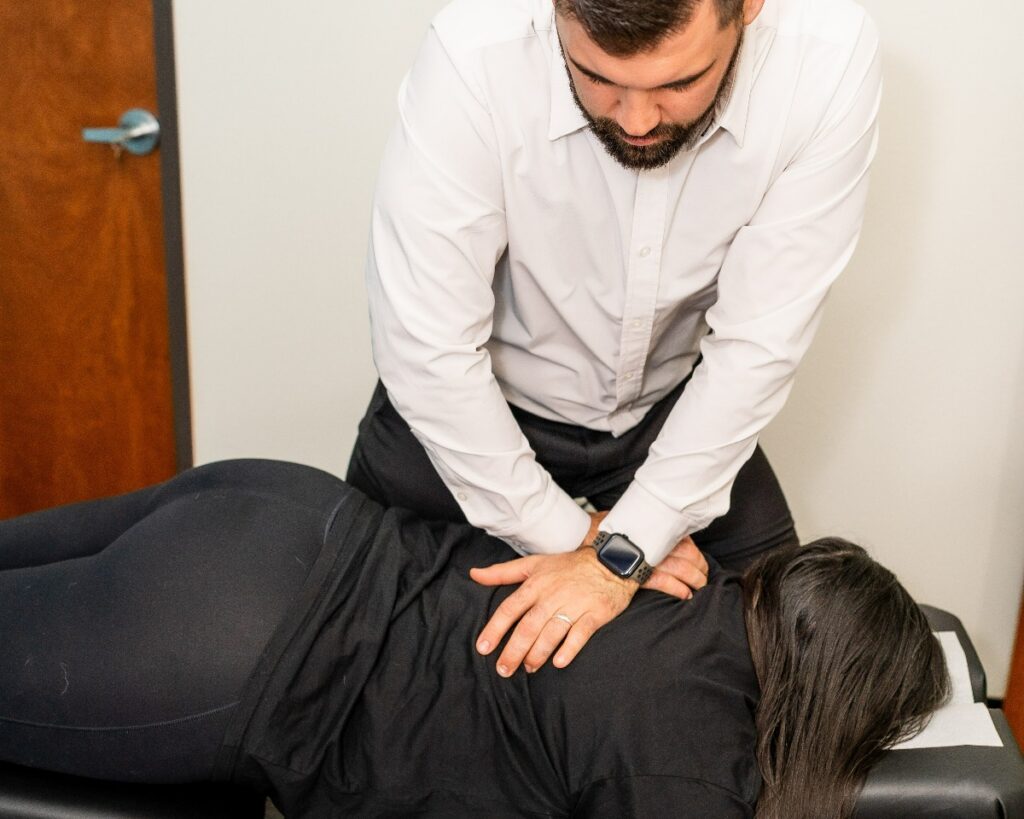
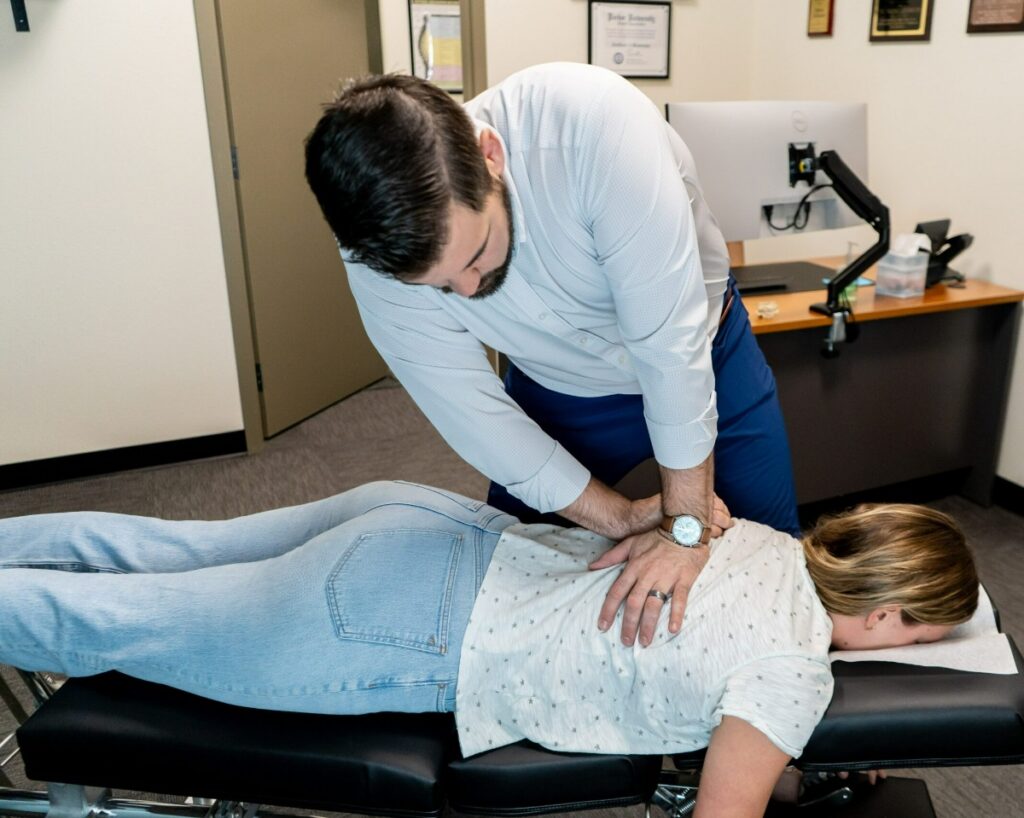
Chiropractic care offers a range of options for addressing neck pain without the need for surgery, making it an appealing choice for many individuals. One of the primary techniques chiropractors use is spinal manipulation, which involves applying controlled force to the spine. This can help realign vertebrae, reduce nerve irritation, and improve mobility. You might find relief from pain and tension after just a few sessions.
Another effective option is spinal decompression therapy. This technique gently stretches the spine, relieving pressure on the discs and nerves. If your neck pain is rooted in herniated discs or other similar issues, this method could provide significant relief.
Additionally, chiropractors often incorporate soft tissue therapy, which targets muscle knots and tension. By using various techniques like massage or myofascial release, these therapies can enhance circulation and promote healing.
You may also benefit from personalized exercise programs designed by your chiropractor. These exercises strengthen the muscles supporting your neck and improve your overall posture, which can reduce the likelihood of future pain.
Furthermore, chiropractors often provide advice on ergonomic adjustments to your workstation or sleeping arrangements, helping you maintain a healthier alignment throughout your day.
Finally, don't underestimate the value of regular visits. Ongoing chiropractic care can help you manage your neck pain effectively, keeping it at bay and improving your quality of life.
Mindfulness and Relaxation Techniques
Mindfulness and relaxation techniques can play an essential role in alleviating neck pain by reducing stress and promoting overall well-being. When you incorporate these practices into your daily routine, you'll likely notice a significant decrease in tension throughout your neck and shoulders.
Stress often tightens muscles, leading to discomfort, so finding ways to unwind is vital. One effective approach is mindfulness meditation. By focusing on your breath and being present in the moment, you can calm your mind and release the physical tension held in your neck.
Deep breathing exercises also help; they enhance oxygen flow and can ease tightness. Additionally, gentle stretching can be incredibly beneficial. Simple neck rolls or shoulder shrugs can relieve stiffness and improve flexibility.
Here are a few techniques to reflect upon:
- Guided Imagery: Visualize a peaceful scene to help distract from pain and promote relaxation.
- Progressive Muscle Relaxation: Tense and then relax different muscle groups, starting from your toes and working up to your neck.
- Mindful Walking: Take a slow walk, focusing on your steps and surroundings, which can help clear your mind and reduce tension.
Incorporating these mindfulness and relaxation techniques into your life can create a soothing ritual. As you practice regularly, you'll likely discover a more profound sense of relief, both physically and mentally.
Ergonomic Adjustments for Comfort
To tackle neck pain effectively, it's crucial to optimize your workspace.
Adjusting your desk setup, ensuring your chair offers proper support, and aligning your screen height can make a significant difference in your comfort.
Let's explore how these ergonomic adjustments can help you feel better throughout the day.
Desk Setup Optimization
Optimizing your desk setup can greatly alleviate neck pain and enhance your overall comfort while working.
Start by positioning your monitor at eye level, so you don't have to tilt your head up or down. This reduces strain on your neck and helps maintain good posture. Your keyboard and mouse should be close enough that your elbows stay at a 90-degree angle, minimizing tension in your shoulders.
Consider these simple adjustments:
- Monitor height: Use a stand or stack books to raise it to eye level.
- Keyboard and mouse placement: Keep them at the same height as your elbows, avoiding any awkward reaching.
- Lighting: make certain your workspace is well-lit to prevent you from leaning closer to the screen.
Chair Support Features
When you're seated for long periods, having a chair that supports your body properly is essential for preventing neck pain. Look for a chair with adjustable lumbar support to maintain the natural curve of your spine. This feature helps keep your back aligned, reducing the strain on your neck.
Next, consider the seat height. You should be able to sit with your feet flat on the floor, knees at a 90-degree angle, and thighs parallel to the ground. This position helps distribute your weight evenly and prevents slouching, which can lead to discomfort.
Armrests are another important feature. They should be adjustable so that your arms can rest comfortably, reducing strain on your shoulders and neck. If your chair has a reclining option, use it to shift your weight periodically, promoting better circulation and relieving tension.
Lastly, choose a chair with adequate cushioning; it should be firm yet comfortable. A well-padded seat and backrest will help you maintain a good posture without fatigue.
Prioritizing these ergonomic adjustments will make a significant difference in your comfort and help prevent neck pain during long hours of sitting.
Screen Height Alignment
Proper screen height alignment is essential for reducing neck strain and enhancing overall comfort during long hours of computer use.
When your screen's at the right height, you can maintain a neutral neck position, which helps prevent discomfort and fatigue. Ideally, the top of your monitor should be at or slightly below eye level, allowing you to look straight ahead or slightly down.
To achieve this ideal setup, consider these tips:
- Adjust Your Chair: Confirm your chair height lets your feet rest flat on the floor while keeping your knees at a 90-degree angle.
- Use a Monitor Stand: If your screen's too low, a monitor stand can elevate it to the perfect height without straining your neck.
- Position at Arm's Length: Your screen should be about an arm's length away, so you don't have to lean forward or squint to see.
Stretching and Strengthening Exercises
Stretching and strengthening exercises can greatly alleviate neck pain and improve overall mobility. By incorporating these exercises into your routine, you can enhance the flexibility and strength of your neck muscles, reducing discomfort and preventing future issues.
Begin with gentle neck stretches. Start by tilting your head to one side, bringing your ear toward your shoulder. Hold for 15-30 seconds, then switch sides. This stretch helps release tension in the neck.
Next, try looking left and right slowly, allowing your head to rotate fully. Repeat this 5-10 times on each side to improve range of motion.
For strengthening, consider isometric exercises. Sit up straight and press your forehead against your palms, pushing forward while resisting with your hands. Hold for 5-10 seconds, then release. This helps build strength in the neck muscles without excessive movement.
You can also do this by placing your hands behind your head and pushing backward.
Incorporate shoulder shrugs into your routine as well. Simply lift your shoulders towards your ears, hold for a moment, then release. Repeat this 10-15 times to alleviate tightness in your upper back and neck area.
Consistency is key. Aim to perform these exercises daily or several times a week for the best results.
Always listen to your body; if any movement causes pain, stop immediately. With dedication to these stretching and strengthening exercises, you'll likely notice a significant reduction in neck pain and an increase in mobility.
Hot and Cold Therapy
Using hot and cold therapy can be an effective way to manage neck pain and reduce inflammation. Both methods can be easily implemented at home, providing immediate relief when you need it most. Understanding when to use heat and when to use cold is key to maximizing their benefits.
Heat therapy is great for relaxing tight muscles and increasing blood flow. It can help soothe any stiffness you might be feeling in your neck. You can use a heating pad, warm towel, or even a warm shower for this purpose.
On the other hand, cold therapy is ideal for reducing swelling and numbing sharp pain. Ice packs or a bag of frozen peas wrapped in a cloth can work wonders, especially after a strain or injury.
Here are some tips to make the most of hot and cold therapy:
- Timing: Apply heat for 15-20 minutes to relax muscles, and use cold therapy for 10-15 minutes to reduce swelling.
- Frequency: Alternate between heat and cold. Start with cold therapy for acute pain, then switch to heat for muscle relaxation.
- Listen to Your Body: If you feel discomfort, stop immediately. Everyone's pain tolerance is different, so adjust accordingly.
Incorporating hot and cold therapy into your routine can greatly ease neck pain, allowing you to regain comfort and mobility.
Remember to combine these methods with other pain management techniques for the best results.
Alternative Therapies to Consider
Many people find relief from neck pain through alternative therapies that complement traditional treatments. One effective option is chiropractic care. Chiropractors use hands-on spinal manipulation to align the body's musculoskeletal structure, which can alleviate pain and improve mobility.
If you're considering this, make sure to choose a licensed practitioner who understands your specific condition.
Acupuncture is another therapy worth exploring. This ancient technique involves inserting thin needles into specific points on your body to stimulate healing and relieve pain. Many patients report significant improvements in their neck pain after a few sessions.
Massage therapy is also beneficial. A skilled massage therapist can target the muscles surrounding your neck, reducing tension and enhancing circulation.
Whether you prefer deep tissue or relaxation massage, this therapy can be a great addition to your pain management plan.
Additionally, yoga and stretching exercises can help improve flexibility and strength in your neck and upper back. Practicing regularly allows you to maintain better posture and decrease strain on your neck.
Finally, consider mindfulness practices like meditation or tai chi. These can help you manage stress, which often exacerbates physical pain. Incorporating these practices into your routine can lead to a more holistic approach to your neck pain.
Conclusion
Incorporating these non-invasive solutions can greatly improve your neck pain and overall well-being. By exploring physical therapy, chiropractic care, mindfulness practices, and ergonomic adjustments, you can find the relief you need without surgery. Don't forget to include stretching exercises and hot/cold therapy to enhance your recovery. Embrace these strategies, and you'll be on your way to a more comfortable life, free from the limitations that neck pain can impose. Your journey to relief starts now!