
If you're struggling with chronic back pain, you might feel overwhelmed by the options available. Non-invasive solutions like physical therapy, chiropractic care, and acupuncture have shown promising results in addressing the root causes of discomfort. Each method offers unique benefits, whether it's improving mobility, restoring spinal alignment, or enhancing circulation. But how do you determine which approach is best for your situation? Exploring these solutions could lead you to the relief you've been seeking, but there's more to evaluate before making a decision.
Understanding Chronic Back Pain
When you experience chronic back pain, it can feel overwhelming and frustrating, especially if the cause isn't immediately clear. You might find yourself questioning everything from your daily activities to your posture. Chronic back pain is typically defined as discomfort lasting more than three months, and it can stem from various sources, including muscle strains, spinal issues, or even stress. Understanding the underlying factors is vital for managing your pain effectively.
One common cause is poor posture, which can lead to muscle imbalances and strain. If you spend long hours sitting or standing without proper support, your back may start to pay the price.
Another factor to reflect on is lifestyle choices. Lack of physical activity can weaken the muscles that support your spine, making you more susceptible to pain.
Additionally, emotional stress can manifest physically, tightening muscles and increasing discomfort. It's important to recognize how your mental state and physical health intertwine.
You may also encounter different types of pain, such as sharp, dull, or radiating sensations. These variations can indicate different issues, so keeping track of your pain's characteristics can be beneficial when discussing it with a healthcare professional.
Benefits of Physical Therapy
Many people find that physical therapy offers significant relief from chronic back pain. It's not just about managing symptoms; physical therapy addresses the root causes of your discomfort. A skilled therapist will evaluate your condition and create a personalized treatment plan tailored to your specific needs. This approach helps improve your mobility, strength, and flexibility, enabling you to regain your daily activities without pain.
One of the primary benefits of physical therapy is the focus on education. Your therapist will teach you about proper body mechanics, posture, and movements that can prevent further injury. Understanding how your body works empowers you to make better choices in your everyday life.
You'll also learn exercises that can strengthen core muscles, which play an essential role in supporting your spine.
Moreover, physical therapy can provide immediate relief through hands-on techniques like manual therapy, which reduces tension and improves circulation in the affected areas. This can lead to quicker pain relief and enhanced function.
Regular sessions can also help you develop strategies to manage pain long-term. The skills you acquire during therapy can carry over into your daily routine, making it easier to cope with any discomfort you might experience in the future.
Ultimately, physical therapy promotes a proactive approach to your health. By committing to this non-invasive treatment, you're investing in your well-being and enhancing your quality of life.
With dedication and guidance, you can conquer chronic back pain and reclaim your life.
Mindfulness and Pain Management
Mindfulness can be a powerful tool in managing chronic back pain. By focusing on the present moment, you can develop a better relationship with your pain and reduce its impact on your daily life. Mindfulness encourages you to observe your pain without judgment, allowing you to respond to it with greater awareness and less reactivity.
Here are some ways mindfulness can help you manage back pain:
- Increased Awareness: You'll learn to recognize physical sensations and emotions related to pain, enabling you to understand your body better.
- Stress Reduction: Mindfulness techniques, like meditation and deep breathing, can lower stress levels, which often exacerbate pain.
- Improved Coping Skills: Practicing mindfulness can teach you how to respond to pain calmly, rather than reacting with frustration or fear.
- Enhanced Emotional Resilience: You'll discover ways to deal with the emotional challenges that come with chronic pain, leading to a more positive outlook.
Incorporating mindfulness into your daily routine doesn't have to be complicated. Start with just a few minutes of meditation or deep breathing exercises each day.
Gradually, you'll find it easier to stay present, even when discomfort arises. Remember, managing pain isn't just about physical treatments; it's also about nurturing your mental and emotional well-being.
Chiropractic Care
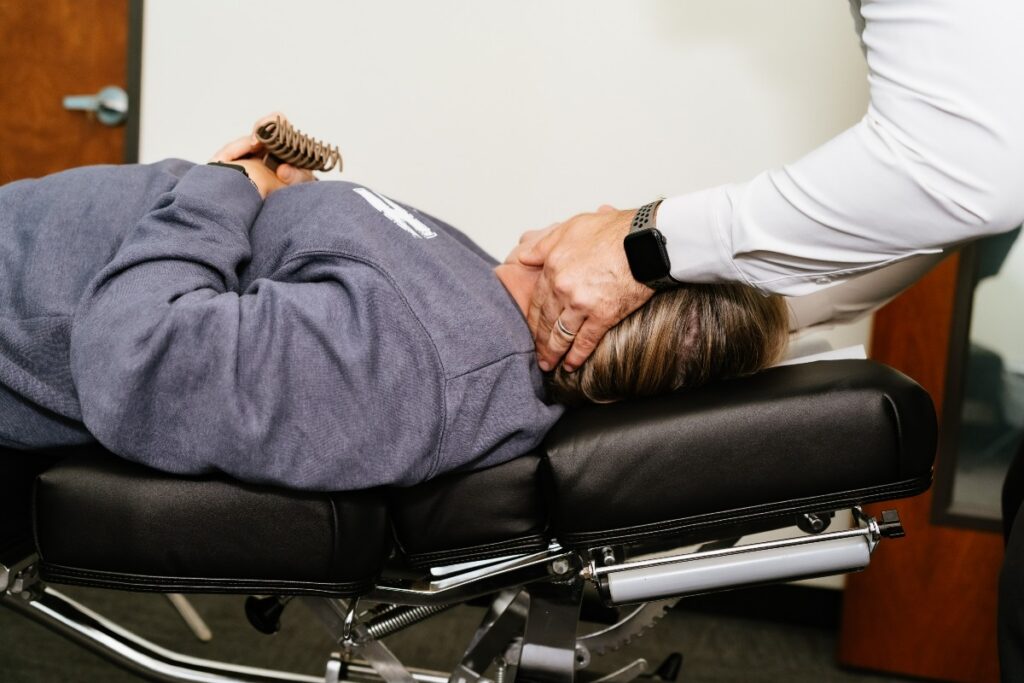
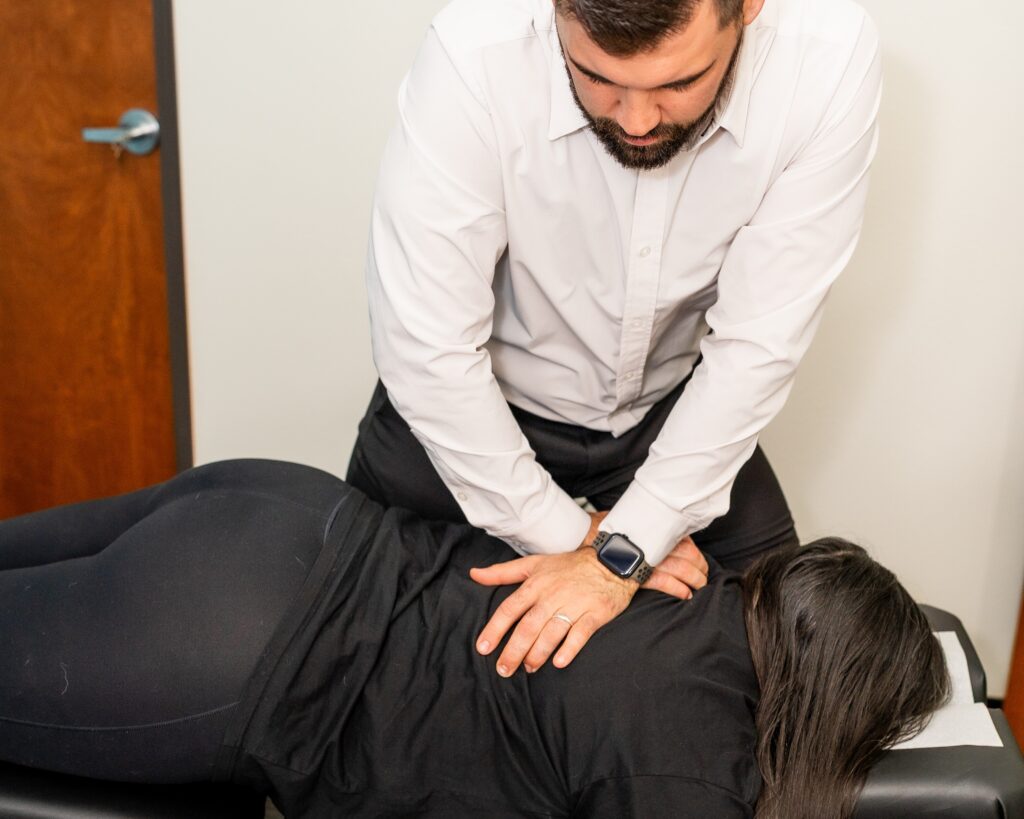
Chiropractic care offers a hands-on approach to alleviating chronic back pain through spinal manipulation and other manual techniques. If you're struggling with persistent back pain, a chiropractor can help realign your spine and improve your overall musculoskeletal health. This alignment may reduce nerve irritability, which is often a source of pain.
During your initial visit, your chiropractor will assess your condition through physical examinations and medical history. Based on their findings, they'll create a personalized treatment plan tailored to your needs. This plan often includes spinal adjustments, therapeutic exercises, and lifestyle recommendations to support your recovery.
Spinal manipulation involves applying controlled force to specific joints, helping restore proper movement and function. You might experience immediate relief after an adjustment, but it's crucial to follow through with any additional therapies your chiropractor suggests. Many patients report enhanced mobility and decreased pain levels over time, making chiropractic care a popular choice for managing chronic back pain.
In addition to adjustments, your chiropractor may incorporate other techniques, such as soft tissue therapy or postural training, to further enhance your recovery. Regular visits can help maintain spinal health and prevent future flare-ups.
Acupuncture Techniques
When considering acupuncture for chronic back pain, it's crucial to understand how specific acupuncture points can help target your discomfort.
You'll also want to know how often you should receive treatment to achieve the best results.
Let's explore these key aspects to enhance your pain relief journey.
Acupuncture Points Explained
Acupuncture, an ancient practice rooted in Traditional Chinese Medicine, targets specific points on the body to alleviate chronic back pain. These points, often referred to as acupuncture points, correspond to various organs and systems, helping to restore balance and promote healing.
When you stimulate these points with fine needles, you can enhance circulation, reduce inflammation, and relax tight muscles.
Here are some key acupuncture points commonly used for back pain relief:
- GV3 (Yaoyangguan): Located in the lower back, this point helps address lower back pain and sciatica.
- BL23 (Shenshu): Found near the lower back, it supports kidney health and strengthens the lower back.
- GB30 (Huantiao): Situated on the hip, this point is effective for pain radiating down the leg.
- BL40 (Weizhong): Located behind the knee, it aids in relieving tightness and discomfort in the lower extremities.
Treatment Frequency Recommendations
To effectively manage chronic back pain with acupuncture, understanding the recommended treatment frequency is important. Most practitioners suggest starting with weekly sessions for the first four to six weeks. This initial frequency allows the body to respond to the treatments, helping to alleviate pain and improve mobility.
After this initial phase, you can reassess your progress. If you notice significant improvements, the frequency can often be reduced to bi-weekly or even monthly sessions. Consistency is key in the early stages, as it helps establish a foundation for long-term relief.
In some cases, you might find that acupuncture works better when combined with other therapies, such as physical therapy or chiropractic care.
Communicate openly with your acupuncturist about your pain levels and any changes you experience; they can adjust your treatment plan accordingly.
Yoga and Stretching
Yoga and stretching can be powerful tools in managing chronic back pain.
By incorporating specific poses and effective stretching techniques, you can improve your flexibility, strengthen your muscles, and relieve tension.
Let's explore how these practices can enhance your overall well-being and provide relief.
Benefits of Yoga
Finding relief from chronic back pain often leads individuals to explore various non-invasive treatments, and one effective approach is incorporating yoga into your routine.
Yoga not only enhances flexibility but also strengthens the muscles that support your spine. By practicing regularly, you can experience a range of benefits that promote overall back health.
Here are some key advantages of yoga for back pain relief:
- Improved Flexibility: Regular yoga practice helps to increase your flexibility, reducing stiffness in your back and surrounding muscles.
- Strengthening Core Muscles: Many yoga poses focus on strengthening your core, which provides better support for your spine.
- Better Posture: Yoga encourages awareness of body alignment, helping you develop better posture and reduce strain on your back.
- Stress Reduction: The mindfulness aspect of yoga can help lower stress levels, which often contributes to tension and pain in the body.
Incorporating yoga into your daily life can empower you to take control of your back pain.
It's a gentle yet effective way to improve your physical and mental well-being, ultimately leading to a more active and fulfilling life.
Effective Stretching Techniques
Stretching techniques play an essential role in alleviating chronic back pain and enhancing overall flexibility. Incorporating effective stretches into your routine can help relieve tension, improve mobility, and support your spine's health.
Start with gentle stretches like the Cat-Cow pose, which warms up your spine and increases flexibility. You'll find that moving between these two positions helps relieve stiffness in your back.
Next, try the Child's Pose. This stretch allows your back muscles to relax while elongating your spine. Hold this pose for a few deep breaths, feeling the tension melt away.
Another great option is the Seated Forward Bend, which stretches your hamstrings and lower back simultaneously.
Don't forget to incorporate the Piriformis stretch, especially if you experience pain from tightness in your glutes. Hold each stretch for at least 20 to 30 seconds, and remember to breathe deeply throughout.
Regular practice of these stretches can considerably reduce discomfort and enhance your overall well-being.
As always, listen to your body—if a stretch causes pain, ease out of it. Building a consistent stretching routine can make a world of difference in managing chronic back pain.
Innovative Therapies and Technologies
Harnessing cutting-edge advancements in medical technology, numerous innovative therapies have emerged to combat chronic back pain effectively. These therapies focus on providing relief without the need for invasive procedures, helping you regain your mobility and improve your quality of life.
Let's explore some of the most promising options available today:
- Electrical Stimulation: Techniques like Transcutaneous Electrical Nerve Stimulation (TENS) send small electrical impulses to nerves, blocking pain signals and promoting healing.
- Laser Therapy: This non-invasive method uses focused light to reduce inflammation and stimulate tissue repair, offering pain relief and improved function.
- Regenerative Medicine: Treatments involving Platelet-Rich Plasma (PRP) or stem cells aim to repair damaged tissues and reduce pain by harnessing the body's natural healing processes.
- Virtual Reality Therapy: Immersive VR environments can distract you from pain and engage your mind in therapeutic exercises, making rehabilitation more enjoyable.
These innovative therapies not only target the symptoms but also address the underlying causes of chronic back pain.
You might find that combining these treatments with lifestyle changes—like regular exercise and proper ergonomics—enhances their effectiveness.
Always consult with a healthcare professional to determine which options suit you best. By embracing these advancements, you can take a proactive step toward managing your pain and reclaiming your life.
Conclusion
Incorporating non-invasive solutions like physical therapy, chiropractic care, and acupuncture can greatly improve your chronic back pain. By understanding the benefits of these methods, along with practices like yoga and mindfulness, you can take charge of your health and well-being. Remember, each individual responds differently, so it's important to explore what works best for you. With the right approach, you can find relief and regain control over your life.