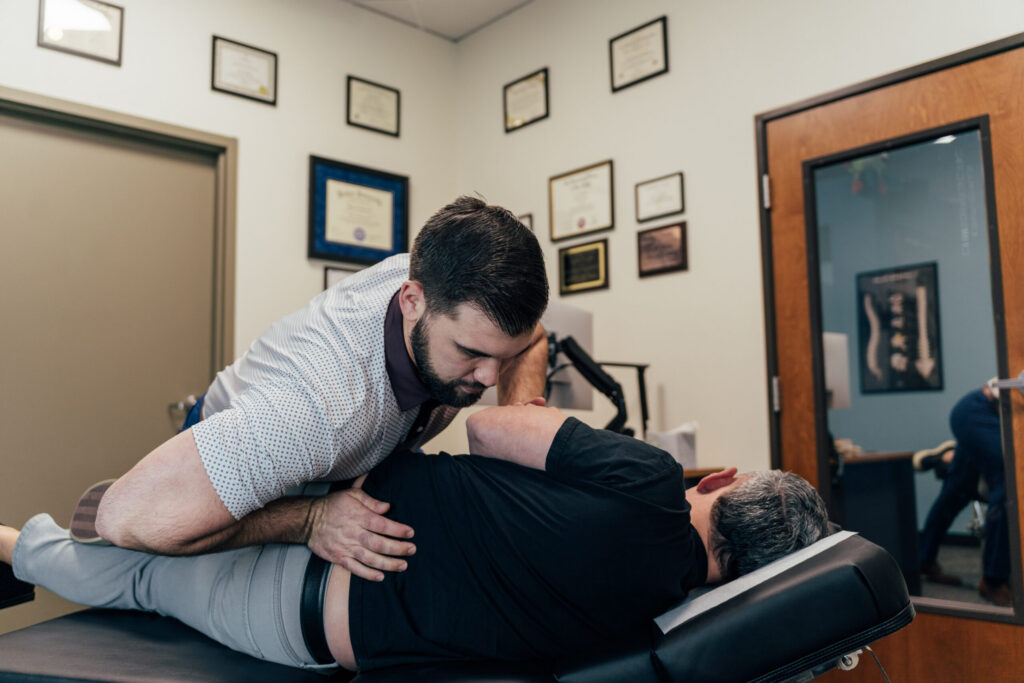

If you're dealing with chronic tension headaches, you know how debilitating they can be. Fortunately, there are effective strategies to help you manage and relieve this discomfort. From practicing relaxation techniques to making dietary adjustments, each tip can play an essential role in your well-being. You might find that small changes lead to significant improvements in your daily life. Curious about which specific methods can make the most difference for you? Let's explore some practical solutions that could ease your symptoms and enhance your overall quality of life.
Practice Relaxation Techniques
Practicing relaxation techniques can greatly alleviate chronic tension headaches. When you feel stress building up, it tightens the muscles in your neck and shoulders, which can trigger these painful headaches. By incorporating relaxation methods into your daily routine, you can reduce stress and tension, ultimately helping to prevent headaches from occurring.
One effective technique is deep breathing. Find a quiet space, sit comfortably, and take slow, deep breaths. Inhale deeply through your nose, allowing your abdomen to rise, then exhale slowly through your mouth. Try to repeat this for a few minutes, focusing solely on your breath. This simple practice can calm your mind and release built-up tension.
Progressive muscle relaxation is another beneficial technique. Start by tensing the muscles in your toes for a few seconds, then slowly release the tension. Work your way up through your body—feet, legs, abdomen, arms, and face—tensing and relaxing each muscle group. This method helps you become more aware of where you hold tension and teaches your body to relax.
Meditation is also worth trying. Find a comfortable position, close your eyes, and focus on a word, phrase, or your breath. Allow your thoughts to come and go without judgment. Just a few minutes of meditation can help clear your mind and reduce anxiety.
Incorporating these relaxation techniques into your life can considerably lower the frequency and intensity of chronic tension headaches, giving you a sense of control and relief.
Maintain Good Posture
Maintaining good posture can make a significant difference in managing chronic tension headaches. When you sit or stand with proper alignment, you reduce unnecessary strain on your neck and shoulders, which are often culprits in headache development. Start by being mindful of your body position throughout the day.
When sitting, verify your back is straight, your shoulders are relaxed but not slumped, and your feet are flat on the floor. Adjust your chair so your knees are at a right angle and your screen is at eye level. This setup minimizes the tendency to lean forward or hunch over, which can lead to muscle tension and headaches.
If you work at a desk, take regular breaks to stand up, stretch, and walk around. These actions help to relieve tension and promote circulation, both of which can help stave off headaches.
Standing, make sure your weight is evenly distributed between your feet, and engage your core to support your spine.
In addition, be aware of your posture when using your phone or other devices. It's easy to slouch or twist your neck at awkward angles. Instead, hold your device at eye level or consider using a stand to avoid straining your neck.
Stay Hydrated
Staying hydrated is essential for preventing chronic tension headaches.
When you don't drink enough water, you might notice signs of dehydration like fatigue or dizziness, which can worsen your headaches.
Make it a habit to keep a water bottle handy and sip throughout the day.
Importance of Water Intake
Water is the lifeblood of your body, and staying hydrated plays an essential role in managing chronic tension headaches. When you're properly hydrated, your body functions more efficiently, which can help alleviate headache symptoms. Dehydration can lead to muscle tension, particularly in your neck and shoulders, which are common culprits in tension headaches.
Make it a habit to drink water throughout the day. Keep a water bottle handy, and sip regularly, rather than waiting until you're thirsty. Aim for at least eight 8-ounce glasses of water daily, adjusting for your activity level and climate.
Incorporating water-rich foods into your diet, like fruits and vegetables, can also boost your hydration levels. Remember, caffeine and alcohol can contribute to dehydration, so it's best to limit those if you're prone to headaches.
Pay attention to your body's needs, and don't underestimate the power of proper hydration. By making water intake a priority, you're taking a simple yet effective step towards reducing the frequency and severity of chronic tension headaches.
Stay proactive about your hydration, and you'll likely notice a positive difference in how you feel.
Signs of Dehydration
Dehydration can sneak up on you, often showing subtle signs that might be easy to overlook. One of the first indicators is a dry mouth or feeling thirsty. If you're noticing your lips or skin becoming chapped, that's another signal your body needs more water.
Additionally, fatigue and dizziness can creep in, making it hard to focus or feel energized. You might also experience headaches, which can be mistaken for tension headaches, making it essential to differentiate between the two.
Dark yellow urine is a clear indicator of dehydration; ideally, it should be light yellow. If you find yourself urinating less frequently than usual, that's another red flag.
Sometimes, you may feel a bit lightheaded, especially when standing up quickly, which is your body's way of signaling insufficient hydration. Even mild dehydration can lead to symptoms that affect your daily activities and overall well-being.
To combat these signs, make it a habit to drink water throughout the day, even if you don't feel thirsty. Staying aware of these symptoms can help you maintain your hydration levels and reduce the risk of tension headaches.
Use Cold or Heat Therapy
When you're dealing with chronic tension headaches, using cold or heat therapy can bring relief.
Cold therapy helps numb the pain and reduce inflammation, while heat therapy relaxes tense muscles and improves blood flow.
You might even find that combining both methods works best for you, so it's worth experimenting to see what provides the most comfort.
Benefits of Cold Therapy
Cold therapy can be a powerful ally in managing chronic tension headaches. When you apply cold packs or ice to your forehead or neck, you can greatly reduce inflammation and numb the pain. This method constricts blood vessels, which helps alleviate the throbbing sensation that often accompanies headaches.
Using cold therapy can also promote relaxation by numbing the area and interrupting the pain signals sent to your brain. You'll likely find that it provides immediate relief, making it an effective tool for those sudden headache attacks.
Plus, it's easy to implement—just grab a cold pack, a bag of frozen peas, or even a cloth soaked in cold water, and apply it to the affected area for about 15 to 20 minutes.
Don't forget that cold therapy can be particularly helpful after a long day of stress or tension buildup. By incorporating this technique into your routine, you can manage the discomfort more effectively.
Remember to listen to your body; if it feels too cold or uncomfortable, remove the pack and give your skin a break. Cold therapy can be a simple yet effective remedy in your headache relief arsenal.
Advantages of Heat Therapy
Heat therapy offers a comforting alternative for managing chronic tension headaches. When you apply heat, it helps to relax the muscles in your neck and shoulders, which can alleviate the tightness contributing to your headache. This soothing sensation encourages blood flow, delivering oxygen and nutrients that promote healing.
Using a heating pad, warm compress, or even a hot shower can provide immediate relief. You'll find that the warmth penetrates deeply, easing tension and reducing discomfort. It's a simple yet effective way to address the pain, especially if you're dealing with infrequent tension headaches.
Another advantage of heat therapy is its ability to promote relaxation. As you feel the warmth envelop your muscles, you might notice a decrease in stress and anxiety, which are often triggers for headaches.
Taking a moment to unwind with heat therapy can create a calming environment that further reduces the likelihood of future headaches.
Combining Both Methods
Finding the right balance between cold and heat therapy can maximize relief from chronic tension headaches. Each method offers unique benefits, and combining them can enhance your overall comfort.
Start by applying a cold pack to your forehead or the back of your neck for about 15 minutes. This helps reduce inflammation and numbs the pain.
After the cold treatment, switch to heat therapy. A warm compress or heating pad can promote blood flow, relax tense muscles, and provide soothing relief.
You'll likely find that alternating between cold and heat can address different symptoms of your headache effectively.
Listen to your body's response. If you notice one method provides more relief than the other, adjust your approach accordingly.
You might also want to take into account the timing—using cold therapy when pain first strikes and heat therapy later can be beneficial.
Incorporate Regular Exercise
Incorporating regular exercise into your routine can considerably reduce the frequency and intensity of chronic tension headaches. Physical activity helps improve blood circulation, release endorphins, and reduce muscle tension, all of which contribute to headache relief. You don't need to engage in intense workouts; even moderate exercise can make a significant difference.
Start by finding activities you enjoy. Whether it's walking, swimming, cycling, or yoga, choose something that keeps you motivated. Aim for at least 30 minutes of moderate exercise most days of the week. If you're new to fitness, begin with shorter sessions and gradually build up your endurance.
Pay attention to how your body responds. If you experience any pain or discomfort while exercising, modify your routine. Stretching exercises can be particularly helpful in relieving tension in your neck and shoulders, which are common trigger points for headaches. Incorporate stretching into your warm-up and cool-down phases to ease muscle tightness.
Don't forget to stay hydrated. Dehydration can also lead to headaches, so make sure you drink plenty of water before, during, and after exercising.
Additionally, consider adding some relaxation techniques like deep breathing or meditation post-workout. This can enhance the stress-relieving benefits of your exercise routine.
Manage Stress Effectively
To manage stress effectively, you need to identify your stress triggers and understand what sets off your tension.
Practicing mindfulness techniques can help you stay grounded, while establishing healthy boundaries guarantees you protect your well-being.
Taking these steps can considerably reduce your risk of chronic tension headaches.
Identify Stress Triggers
Identifying stress triggers is an essential step in managing chronic tension headaches effectively. By understanding what causes your stress, you can take proactive steps to minimize its impact on your life. Start by keeping a headache diary. Note when your headaches occur, their intensity, and any accompanying symptoms. This can help you pinpoint patterns related to specific activities, situations, or emotional states.
Consider your daily routine. Are there particular tasks or interactions that consistently lead to increased stress? Whether it's a demanding job, family responsibilities, or time constraints, recognizing these factors can be eye-opening.
Also, pay attention to your emotional responses. Stress can be triggered by anxiety, frustration, or even excitement. Acknowledging these feelings can help you address them before they escalate into headaches.
Once you identify your triggers, develop strategies to cope with them. This might involve setting boundaries, delegating tasks, or practicing relaxation techniques.
Practice Mindfulness Techniques
Amid the chaos of daily life, practicing mindfulness techniques can be a powerful tool for managing stress and reducing the frequency of chronic tension headaches. By focusing your attention on the present moment, you can cultivate a sense of calm that eases tension in both your mind and body.
Start with simple practices like deep breathing. Inhale slowly through your nose, hold for a few seconds, and then exhale gently through your mouth. Repeat this for several minutes to help ground yourself.
You might also try mindful meditation. Set aside a few minutes each day to sit quietly, close your eyes, and observe your thoughts without judgment. When distractions arise, gently guide your focus back to your breath. This practice can help train your mind to respond more calmly to stressors.
Incorporating mindful movement, like yoga or tai chi, can also be beneficial. These activities encourage you to connect with your body while promoting relaxation.
Establish Healthy Boundaries
Setting healthy boundaries is essential for managing stress and preventing chronic tension headaches. When you're constantly overextending yourself or saying "yes" to every request, you're not just exhausting your energy; you're inviting stress into your life. It's important to recognize your limits and communicate them clearly to others.
Start by identifying the areas in your life where you feel overwhelmed. Is it at work, with friends, or family obligations? Once you've pinpointed these stressors, practice saying "no" when necessary. Remember, it's okay to prioritize your well-being.
Limit your commitments to what truly matters to you and what you can handle without feeling drained. Additionally, carve out time for yourself. Whether it's a few quiet moments with a book or a walk in the park, make sure you're nurturing your needs.
By establishing these boundaries, you create space for relaxation and self-care, which are essential for keeping headaches at bay. Lastly, don't hesitate to discuss your boundaries with others. Open communication fosters understanding and respect, making it easier for you to maintain your limits.
Get Enough Sleep
Quality sleep is essential for maintaining overall well-being and managing chronic tension headaches. When you don't get enough restful sleep, your body can become more sensitive to pain, making headaches more likely. Prioritizing sleep helps your body recover, reduces stress, and can even improve your mood.
To boost the quality of your sleep, create a consistent bedtime routine. Try to go to bed and wake up at the same time every day, even on weekends. This consistency helps regulate your body's internal clock.
Additionally, consider your sleep environment. Make sure your bedroom is dark, quiet, and cool. You might also want to invest in a comfortable mattress and pillows that support your head and neck.
Limit screen time before bed, as the blue light emitted by phones, tablets, and computers can interfere with your ability to fall asleep. Instead, engage in calming activities like reading a book, practicing relaxation techniques, or taking a warm bath. These practices signal to your body that it's time to wind down.
If you find it hard to sleep, avoid caffeine and heavy meals close to bedtime. These can disrupt your sleep cycle and lead to restless nights.
Finally, if chronic tension headaches persist despite focusing on sleep, consider talking to a healthcare professional. They can help identify any underlying issues and suggest appropriate treatments.
Consider Dietary Changes
Many people don't realize how much their diet can impact chronic tension headaches. What you eat can either contribute to your discomfort or help alleviate it. To start, keep an eye on your hydration levels. Dehydration is a common trigger for headaches, so make sure you're drinking enough water throughout the day. Aim for at least eight glasses, and adjust based on your activity level and climate.
Next, pay attention to food choices. Certain foods, like aged cheeses, processed meats, and artificial sweeteners, can be headache triggers for some individuals. It's helpful to keep a food diary to identify any patterns between what you eat and when headaches occur. This way, you can pinpoint specific foods that might be causing issues.
Incorporating more whole foods into your diet can also make a difference. Focus on fruits, vegetables, whole grains, and lean proteins. These foods are rich in essential nutrients and can help reduce inflammation. Omega-3 fatty acids, found in fish like salmon and walnuts, are known for their anti-inflammatory properties and may assist in reducing headache frequency.
Lastly, try to maintain regular meal times. Skipping meals can lead to drops in blood sugar, which might trigger a headache. By eating balanced meals at consistent intervals, you can stabilize your body's energy levels and potentially reduce headache occurrences.
Making these dietary changes might just provide you with the relief you've been seeking.
Try Massage Therapy
Alongside dietary changes, exploring massage therapy can offer significant relief from chronic tension headaches. This hands-on approach allows you to release muscle tension and improve circulation, which are both essential for alleviating headache symptoms. When you're feeling those tight knots in your neck or shoulders, a skilled massage therapist can help target those areas effectively.
You might want to reflect on different types of massage techniques. Swedish massage is great for relaxation, while deep tissue massage focuses on deeper layers of muscle and connective tissue. Each method can help reduce the tension that contributes to your headaches.
If you prefer a gentler touch, you might find that aromatherapy massage, combined with soothing essential oils, can provide a calming effect. Incorporating regular massage sessions into your routine can also help you manage stress levels, which are often a contributing factor to tension headaches.
By setting aside time for self-care, you're not only addressing your physical symptoms but also prioritizing your mental well-being. You don't have to go to a spa for relief, either. Learning basic self-massage techniques can empower you to relieve tension at home.
Focus on your neck, shoulders, and temples. Using your fingers, apply gentle pressure and knead the areas that feel sore.
Seek Professional Help
Often, seeking professional help is an essential step in managing chronic tension headaches. While self-care strategies like massage therapy and relaxation techniques can provide relief, they mightn't be enough for everyone. A healthcare professional can offer a tailored approach that addresses your specific needs and symptoms.
Start by consulting your primary care physician. They can perform a thorough evaluation to rule out any underlying conditions that might be contributing to your headaches. If necessary, they may refer you to a neurologist or a headache specialist who can provide more focused care.
These professionals can help you understand the root causes of your tension headaches and offer a variety of treatment options, including medications, physical therapy, or alternative therapies.
Consider keeping a headache diary to share with your doctor. Note when your headaches occur, their intensity, and any triggers you notice. This information can help your healthcare provider develop a more effective treatment plan.
Don't hesitate to discuss any concerns or previous treatments you've tried; open communication is key.
Additionally, psychological therapies like cognitive-behavioral therapy (CBT) can be beneficial for managing stress and anxiety that may exacerbate your headaches. A mental health professional can teach you coping mechanisms to help reduce the frequency and intensity of your pain.
Conclusion
By implementing these tips, you can take control of your chronic tension headaches and find relief. Remember to practice relaxation techniques, maintain good posture, and stay hydrated. Incorporating regular exercise, getting enough sleep, and considering dietary changes can also make a difference. Don't underestimate the power of massage therapy and seeking professional help when needed. With a proactive approach, you can effectively manage your headaches and improve your overall well-being.