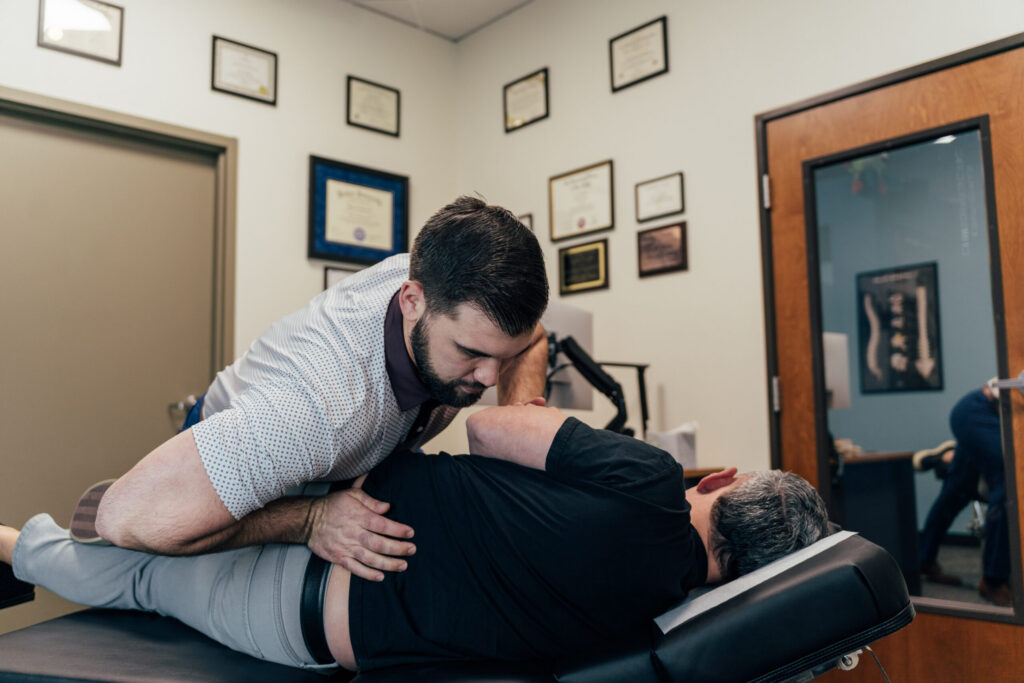

As a local chiropractor, I want to emphasize that if you’re experiencing neck pain, it’s important to recognize that the issue may be more intricate than simply whiplash. There are numerous factors that could be contributing to your discomfort, including your everyday habits and any underlying health conditions you may have.
For instance, if you spend long hours at a computer without proper posture, it can lead to significant strain on your neck. Additionally, stress often results in muscle tension, which can exacerbate neck pain. Understanding these various causes is crucial for effective treatment.
By exploring these potential contributors to your neck pain, you may find a new perspective that could transform how you manage it. Chiropractic care focuses on natural healing methods that address the root causes of discomfort, rather than just the symptoms. Let’s work together to find a solution that promotes your overall well-being.
Common Causes of Neck Pain
As a local chiropractor, I want to help you understand the common causes of neck pain and how we can work together to find relief through natural healing methods.
One of the most prevalent issues I see is poor posture, especially among those who spend extended periods hunched over a computer or looking down at their phones. This prolonged strain on your neck and shoulder muscles can lead to significant discomfort.
Another frequent cause of neck pain is muscle tension, often brought on by stress or anxiety. When we’re under pressure, it’s common to subconsciously tighten our neck and shoulder muscles, leading to pain.
Additionally, past injuries from falls or accidents can contribute to ongoing discomfort. Conditions like arthritis can also play a role, as they cause inflammation in the joints of the neck, leading to stiffness and pain.
Interestingly, something as simple as your sleeping position can impact how you feel in the morning. If your neck isn’t properly supported while you sleep, it can lead to unwanted stiffness.
Identifying these underlying issues is crucial for effective treatment. As a chiropractor, I focus on helping you make small, manageable changes to your daily habits and body mechanics.
Understanding Whiplash and Its Symptoms
As a local chiropractor, I want to take a moment to discuss whiplash, a common neck injury that often results from sudden movements, particularly in car accidents. If you’ve experienced such an incident, you may notice symptoms like pain, stiffness, and headaches that can set in shortly afterward.
Understanding these symptoms is crucial, as whiplash can have long-term effects on your overall well-being.
At our clinic, we believe in addressing the root causes of pain through natural healing methods. Chiropractic care can be incredibly beneficial for whiplash sufferers, helping to restore proper alignment in the spine and relieve tension in the neck.
We use gentle adjustments and tailored treatment plans to support your body’s healing process, aiming to improve your mobility and reduce discomfort.
It’s essential to take whiplash seriously, as untreated symptoms can persist and affect your daily life. If you or someone you know is dealing with the aftermath of a whiplash injury, I encourage you to explore chiropractic care as a natural and effective option for recovery.
Your health and well-being are our top priorities, and we’re here to help you navigate this journey.
Defining Whiplash Injury
As a local chiropractor, I want to take a moment to educate you about whiplash injuries, which can occur during sudden movements, such as in a car accident.
When your body experiences a rapid back-and-forth motion, your neck is particularly vulnerable. This type of injury primarily affects the soft tissues in your neck, such as muscles, ligaments, and tendons.
Whiplash happens when your head is forcefully jolted forward and then backward, resulting in these tissues being stretched or even torn. It’s important to recognize that whiplash isn’t merely a minor strain; it can significantly impact your daily activities and overall well-being.
The severity of whiplash can vary widely. Some individuals may only feel mild discomfort, while others may endure debilitating pain that can hinder their quality of life.
This is why it’s crucial to acknowledge the seriousness of this condition. If left untreated or misdiagnosed, whiplash can lead to chronic issues that may persist over time.
As your chiropractor, I’m here to help you understand the importance of seeking appropriate care. Natural healing methods, including chiropractic adjustments, can be instrumental in alleviating pain, restoring mobility, and promoting healing in the affected areas.
Common Symptoms Experienced
As a local chiropractor, I often encounter patients who are unfamiliar with the signs of a whiplash injury. If you’ve experienced a sudden jolt, it’s important to recognize the common symptoms that may arise.
Neck pain is typically the most noticeable, often accompanied by stiffness that can make it challenging to turn your head. Headaches, particularly those that begin at the base of your skull, are also frequently reported. You may experience additional symptoms such as dizziness, fatigue, and even tingling or numbness in your arms.
It’s not unusual for people to find that they’ve difficulty concentrating or experience memory issues following such an injury. These symptoms can manifest immediately after the incident or develop gradually over the following days.
Being aware of these signs is crucial, as early recognition can guide you toward seeking appropriate chiropractic care. This can’t only help alleviate your discomfort but also prevent any further complications.
Long-term Effects Explained
As a local chiropractor, I want to emphasize the importance of understanding the long-term effects of a whiplash injury, especially if you or someone you know has experienced one. Many individuals underestimate how significantly whiplash can impact daily life.
It’s not just about the immediate pain; you may find yourself dealing with persistent neck pain, stiffness, or headaches that can linger long after the initial injury has healed. These ongoing symptoms can hinder your ability to perform tasks at work or enjoy your favorite leisure activities.
In some cases, whiplash can lead to chronic pain conditions that can greatly affect your overall quality of life. Additionally, emotional distress, such as anxiety or depression, can emerge as you navigate through this ongoing discomfort.
It’s crucial to seek proper treatment and rehabilitation to help alleviate these long-term effects. As a chiropractor, I focus on natural healing methods that can restore your body’s function and promote recovery.
With the right care, you can regain your confidence and comfortably return to your normal activities. Don’t overlook the signs; proactive chiropractic care can truly make a difference in your healing journey. Remember, your well-being is worth the effort!
The Role of Muscle Strain in Neck Discomfort
As a local chiropractor, I want to shed light on the significant role muscle strain plays in neck discomfort, especially for those who may not be familiar with how this affects your overall well-being.
Many of you mightn’t realize that prolonged sitting in one position or lifting heavy objects without proper technique can lead to muscle strain in your neck. When this happens, you may experience tightness, stiffness, and pain that can extend into your shoulders and upper back.
Poor posture, particularly while working at a desk or using your phone, can worsen these strains, making it crucial to pay attention to how you position your body throughout the day.
You may find that activities like gardening or exercising—where your neck isn’t adequately supported—can also lead to discomfort.
If you’re experiencing persistent pain, it’s essential to pinpoint the cause. Simple stretching and strengthening exercises can be beneficial in alleviating muscle strain and enhancing your flexibility.
I encourage you to take regular breaks during long periods of activity and to ensure that your workspace is ergonomically designed to support your neck and spine.
Additionally, applying heat or cold to the affected areas can offer immediate relief.
By understanding how muscle strain contributes to your neck discomfort, you can take proactive steps to manage and prevent it.
Herniated Discs: A Deeper Issue
As a local chiropractor, I want to take a moment to talk to you about a common issue that many people experience: persistent neck pain, which may be caused by a herniated disc. This condition can lead to symptoms such as numbness, tingling, or weakness, making everyday activities challenging.
I understand that many of you may not be familiar with chiropractic care and how it can help. The good news is, there are natural treatment options available that can alleviate your discomfort and enhance your overall quality of life.
Chiropractic adjustments, therapeutic exercises, and lifestyle modifications can work together to relieve pressure on the affected discs and improve your spinal health.
If you’re struggling with neck pain, I encourage you to explore these holistic approaches. Together, we can find the best strategies to help you feel better and get back to doing what you love!
Symptoms of Herniated Discs
As a local chiropractor, I want to help you understand the symptoms associated with herniated discs and how they can impact your daily life.
Many of my patients report persistent neck pain, which often radiates down into the arms. This pain can feel sharp or burning, and it may intensify with certain movements, making everyday activities challenging.
You might also experience numbness or tingling in your arms or hands. This can hinder your ability to grip objects or carry out tasks you once found easy.
Muscle weakness is another symptom that can leave you feeling unsteady or fatigued, further complicating your daily routine. Additionally, stiffness in your neck may limit your range of motion, making it difficult to turn your head or look up and down.
If you relate to any of these symptoms, it’s essential to seek professional guidance. Chiropractic care offers a natural approach to addressing these issues, helping to alleviate your discomfort and restore your quality of life.
Don’t hesitate to reach out for a consultation; we’re here to help you regain your strength and enjoy the activities you love.
Treatment Options Available
As a local chiropractor, I want to share some valuable insights about managing the discomfort associated with a herniated disc.
It’s essential to consider a range of treatment options that not only aim to relieve your symptoms but also enhance your overall well-being.
One of the first steps I recommend is exploring conservative measures like chiropractic adjustments and physical therapy. These approaches can help strengthen the supporting muscles in your neck and spine, improve flexibility, and promote natural healing.
Additionally, over-the-counter pain relievers can be useful for temporary relief from pain and inflammation. However, if these methods don’t provide sufficient relief, we may discuss other options, such as targeted chiropractic care or specific exercises that can alleviate pressure on the affected nerves without resorting to medication.
In cases where conservative treatments aren’t effective, we can work together to evaluate whether more advanced options, such as referral to a specialist for corticosteroid injections or, in rare instances, surgical solutions like discectomy or spinal fusion, may be appropriate.
Remember, each individual’s situation is unique, so it’s important to have an open conversation about your symptoms, lifestyle, and goals.
Together, we can develop a personalized treatment plan that supports your journey toward recovery and improved quality of life.
Always feel free to reach out with any questions about chiropractic care and natural healing methods!
The Impact of Poor Posture on Neck Health
As a local chiropractor, I want to help you understand how poor posture can significantly impact your neck health, even if you may not realize it. When you find yourself slouching or hunching over your devices, you’re placing unnecessary strain on your neck muscles and spine. Over time, this can lead to persistent pain and discomfort.
Let’s take a closer look at some common posture-related issues that may be affecting your neck:
- Forward head posture: This condition can increase stress on your cervical spine, leading to discomfort.
- Rounded shoulders: This posture can create muscle imbalances and tension that contribute to neck pain.
- Slumped sitting: When you sit in a slumped position, it compresses the vertebrae in your neck, which can be detrimental over time.
- Prolonged screen time: Spending extended periods in front of screens often results in poor alignment, putting extra strain on your neck.
Understanding these issues is the first step toward improving your posture and, in turn, your neck health.
As your chiropractor, I’m here to guide you through natural healing techniques and exercises that can help alleviate discomfort and promote better posture.
Let’s work together to ensure your neck stays healthy and pain-free!
Stress and Its Connection to Neck Pain
As a local chiropractor, I want to share an important connection that many people may not realize: stress can significantly contribute to neck pain. When you experience stress, your body often reacts by tensing up, particularly in the neck and shoulder areas. This muscle tension can lead to strains, resulting in stiffness and discomfort that you mightn’t even associate with your stress levels.
Many of you mightn’t be aware of how stress manifests physically. For instance, it’s common to adopt poor postures, such as hunching over your phone or computer, especially when you’re feeling overwhelmed. This can further aggravate neck pain.
Additionally, stress can cause you to clench your jaw or grind your teeth, which only adds to the discomfort you may be feeling.
It’s crucial to recognize the signs of stress in your daily life. Simple actions like taking regular breaks, practicing relaxation techniques, or engaging in physical activity can help reduce both your stress and neck pain.
The Importance of Proper Ergonomics
As your local chiropractor, I want to emphasize the critical role proper ergonomics plays in supporting a healthy neck and preventing discomfort. Many patients may not realize that the way you set up your workspace and the habits you adopt throughout your day can significantly impact your neck health.
Here are some fundamental practices I encourage you to consider:
- Monitor Height: It’s important to position your computer monitor at eye level. This simple adjustment helps prevent unnecessary tilting of your head, reducing strain on your neck muscles.
- Chair Support: Invest in a chair that offers good lumbar support. A well-designed chair encourages proper posture, which is essential for spinal health.
- Keyboard and Mouse Placement: Keep your keyboard and mouse within easy reach. This minimizes the risk of extended reaching or straining, which can lead to discomfort over time.
- Frequent Breaks: Remember to take regular breaks throughout your day. Stretching and changing positions can help alleviate tension and reduce the likelihood of developing pain.
By incorporating these ergonomic principles into your daily routine, you can support a neutral spine and alleviate discomfort.
It’s amazing how small adjustments can lead to significant improvements in your neck health. I encourage you to pay attention to your posture and workspace setup.
Prioritizing ergonomics isn’t just about comfort; it’s a proactive approach to preventing long-term issues. If you have any questions about how chiropractic care can support your journey to better health, feel free to reach out!
When to Seek Professional Help
When should you think about reaching out to a chiropractor for your neck pain? If your discomfort lingers for more than a few days or intensifies despite trying some at-home remedies, it’s a good idea to consult a healthcare professional, like a chiropractor. We specialize in understanding the spine and how it affects your overall health.
It’s especially important to seek our help if you’re experiencing additional symptoms such as numbness, tingling, or weakness in your arms or hands, as these could suggest nerve involvement that chiropractic care can address effectively.
If your neck pain arises after an injury or accident, getting a professional evaluation from a chiropractor is crucial to rule out any serious issues and to develop a tailored treatment plan.
Additionally, if your neck pain is impacting your daily activities, sleep, or work, don’t hesitate to reach out to us. Symptoms like persistent headaches, fever, or unexplained weight loss alongside your neck pain are also significant signs that you should seek immediate medical attention.
Effective Treatment Options for Neck Pain
As a local chiropractor, I understand how debilitating neck pain can be and the importance of finding effective relief. It’s essential to approach neck pain with a comprehensive strategy that addresses your unique situation. Rather than relying on a single method, I encourage you to explore several treatment options to discover what works best for you.
Here are some key approaches to consider:
- Chiropractic care: This is where I come in! Chiropractic adjustments can help realign your spine, alleviating tension and discomfort in the neck. Through gentle manipulation, we can restore proper function and mobility.
- Physical therapy: Collaborating with a physical therapist can be beneficial. They can provide targeted exercises and stretches designed to enhance your strength and flexibility, making it easier for you to manage your neck pain.
- Medications: While I focus on natural healing, it’s important to communicate with your healthcare provider about medications. Over-the-counter pain relievers or prescribed options can help manage inflammation and discomfort in conjunction with chiropractic care.
- Heat and cold therapy: Simple yet effective, applying heat or ice packs can significantly reduce pain and swelling. I often recommend these methods to my patients for immediate relief.
I encourage you to experiment with these treatments while we work together to create a personalized care plan.
Preventative Measures to Avoid Neck Injury
As your local chiropractor, I want to emphasize the importance of maintaining proper posture to prevent neck injuries.
It’s essential to create an ergonomic workspace, especially if you spend long hours at a desk. A well-set-up workspace can greatly alleviate stress on your neck and spine.
Additionally, incorporating regular stretching exercises into your daily routine can help keep your neck flexible and strong.
Proper Posture Practices
As a local chiropractor, I want to emphasize the importance of maintaining proper posture to prevent neck injuries. Good posture is crucial as it helps distribute weight evenly across your body and minimizes strain on your muscles.
Here are some straightforward practices that can help you improve your posture and support your overall well-being:
- Keep your shoulders relaxed and aligned with your ears. This simple adjustment can make a significant difference in how your neck feels.
- Whether sitting or standing, aim to keep your back straight and your chest open. This alignment not only enhances your posture but also promotes better breathing and circulation.
- Position your computer screen at eye level. By doing this, you can avoid tilting your head forward, which often contributes to neck pain.
- Remember to take regular breaks to stretch and move around, especially if you find yourself sitting for long periods. These breaks are essential for relieving tension and keeping your muscles flexible.
By adopting these habits, you can greatly reduce the risk of neck injuries and promote a healthier, more balanced lifestyle.
If you have any questions or need personalized advice, feel free to reach out during your next visit!
Ergonomic Workspaces Setup
As a local chiropractor, I want to emphasize how crucial it’s to create an ergonomic workspace—not just for comfort, but for the prevention of neck injuries. Many people underestimate the importance of their work environment in relation to their overall health.
Start by positioning your computer monitor at eye level. This simple adjustment prevents unnecessary strain on your neck from looking up or down. Your chair should provide proper support for your lower back, allowing your spine to maintain its natural curve.
Ensure that your feet rest flat on the floor or on a footrest; this helps promote good circulation and posture. Your keyboard and mouse should be easily reachable to prevent any stretching or hunching, which can lead to discomfort over time.
If you take phone calls frequently, consider using a headset to keep your neck aligned and avoid awkward positions that may contribute to pain.
I also encourage you to regularly assess your workspace setup and make adjustments as needed. Good lighting is essential as well—this not only reduces eye strain but also indirectly supports your neck health by allowing you to maintain a comfortable posture.
Regular Stretching Exercises
As a local chiropractor dedicated to helping you achieve optimal health, I want to share the importance of incorporating regular stretching exercises into your daily routine. Many people are unaware that these simple movements can significantly reduce the risk of neck injuries.
By maintaining flexibility and strength in your muscles, you can effectively prevent tension and discomfort in the neck area.
Here are some effective stretches to consider incorporating:
- Neck Tilts: Gently tilt your head toward one shoulder, holding the position for a few seconds before switching to the other side. This helps to elongate and relax the neck muscles.
- Chin Tucks: Pull your chin back towards your neck while keeping your spine aligned. Hold this position for a few seconds. This simple movement can help improve your posture and strengthen the muscles that support your neck.
- Shoulder Rolls: Roll your shoulders forward and then backward. This helps release tension that accumulates in the upper back and neck areas.
- Upper Trapezius Stretch: While sitting or standing tall, gently pull your head to one side using your hand, which helps to stretch the upper trapezius muscles. This can be particularly beneficial for alleviating tightness.
I encourage you to make these stretches a daily habit. By doing so, you may notice significant improvements in your neck health, contributing to your overall well-being.
Conclusion
As your local chiropractor, I want to emphasize that your neck pain may not be solely due to whiplash. It’s essential to understand that there are several contributing factors, including poor posture, muscle strain, and even stress that can exacerbate your discomfort. By becoming aware of these issues, you can take proactive measures to alleviate your pain.
I encourage you to prioritize proper ergonomics in your daily activities and evaluate your habits that may be impacting your neck health. If your pain continues, please don’t hesitate to reach out for professional assistance. Chiropractic care focuses on natural healing and can offer tailored solutions to help you regain comfort and enhance your neck health. With the right approach, you can improve your overall quality of life and enjoy a more pain-free existence.