

If you’re an active person dealing with a sharp, shooting pain that runs from your lower back down through your leg, there’s a good chance sciatica is the culprit. Sciatica in athletes is more common than most people realize, and it can be a frustrating setback when you’re trying to stay competitive, train hard, or simply enjoy the activities you love. The good news is that understanding what’s happening in your body — and getting the right care — can make a real difference in how quickly you recover and get back to doing what you do best.
What Is Sciatica? Sciatica refers to pain that travels along the path of the sciatic nerve, which runs from the lower back through the hips and buttocks and down each leg. It’s not a diagnosis on its own but rather a symptom of an underlying issue affecting that nerve. For athletes in San Antonio and the surrounding Castle Hills area, sciatica can develop gradually from repetitive motion, or it can show up suddenly after an awkward movement or heavy training session.
What Causes Sciatica in Athletes
Athletes put their bodies through a tremendous amount of stress, and that repeated physical demand can create the conditions for sciatica to develop. Here in San Antonio, we see a wide range of active patients — runners, weightlifters, cyclists, soccer players, swimmers, weekend warriors — and sciatica affects all of them differently depending on their sport and movement patterns.
The most common underlying cause of sciatica is a herniated or bulging disc in the lumbar spine. When one of the discs between the vertebrae in the lower back shifts or ruptures, it can press directly on the sciatic nerve, causing that familiar radiating pain down the leg. Disc issues are especially common in athletes who perform heavy lifting, explosive movements, or repeated forward bending.
Another frequent cause is piriformis syndrome. The piriformis is a small but powerful muscle deep in the glutes, and when it becomes tight or inflamed — which happens often in runners, cyclists, and athletes who do a lot of hip rotation — it can compress the sciatic nerve nearby. This is sometimes called “wallet sciatica” when it’s triggered by prolonged sitting, but in athletes, it’s usually overuse-related.
Spinal stenosis, spondylolisthesis (when one vertebra slips over another), and sacroiliac joint dysfunction are also known contributors to sciatic nerve irritation in active individuals. Poor core stability, muscle imbalances, and faulty movement mechanics can put uneven stress on the spine and pelvis over time, eventually leading to nerve compression. At Castle Hills Chiropractic, Dr. Brent Johnson takes time to assess the full picture of how a patient moves, not just where they hurt.

Symptoms to Watch For
Sciatica can feel different from person to person. Some athletes describe it as a deep, burning pain that shoots from the lower back down through the back of the thigh and into the calf or foot. Others feel it more as a constant dull ache on one side, or an electric-like tingling that comes and goes depending on activity level or body position.
In athletes, symptoms can be tricky because they often overlap with other common injuries. A hamstring strain, hip flexor tightness, or gluteal muscle soreness can mimic some aspects of sciatica. That’s one reason why getting a proper evaluation matters so much. Dr. Brent Johnson at Castle Hills Chiropractic in Castle Hills, TX uses orthopedic and neurological assessments to help pinpoint what’s actually driving a patient’s symptoms before recommending a care plan.
Some key signs that what you’re feeling might be sciatica rather than a typical muscle injury include pain that travels past the knee and into the lower leg or foot, numbness or tingling in the leg, weakness in the foot or ankle, and pain that worsens with prolonged sitting or certain positions. Symptoms that appear only on one side of the body are also a hallmark of sciatica.
How Chiropractic Care Fits In
One of the most encouraging things about sciatica in athletes is that it often responds very well to conservative, non-invasive care — and chiropractic care is one of the most well-established approaches in that category. Organizations like the American College of Physicians and the National Institutes of Health have recognized spinal manipulation and conservative care as appropriate first-line options for many types of low back pain and nerve-related symptoms.
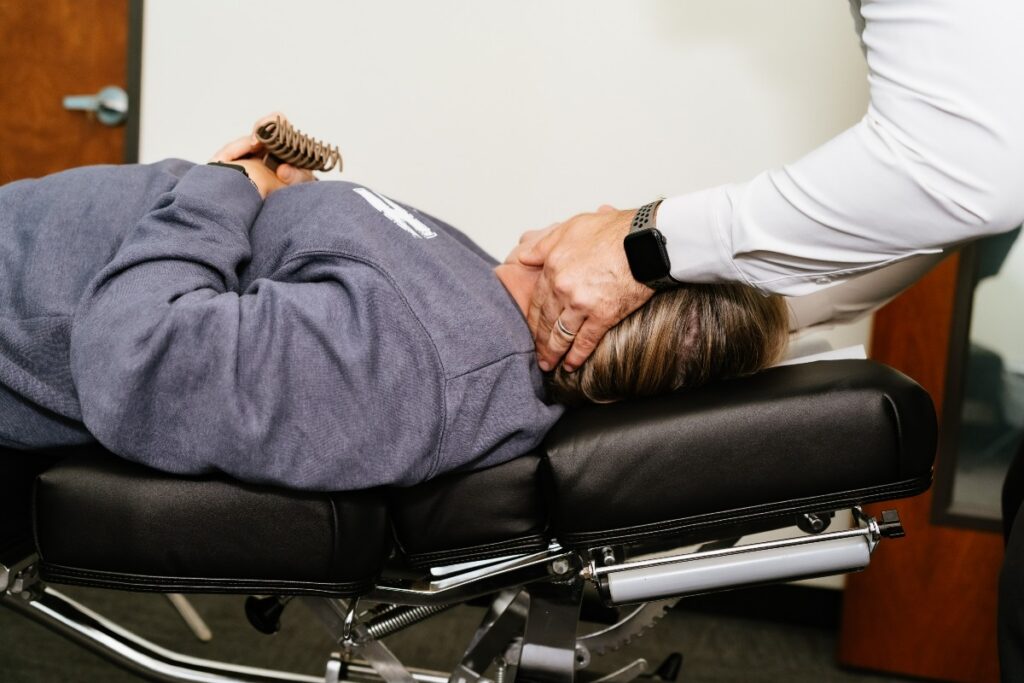
At Castle Hills Chiropractic, Dr. Brent Johnson’s approach to sciatica goes beyond just treating the area that hurts. Chiropractic adjustments help restore proper alignment to the lumbar spine and pelvis, which can reduce pressure on the sciatic nerve and create an environment where healing can take place. When the spine is misaligned, nearby structures — muscles, discs, joints — compensate in ways that can keep an athlete stuck in a cycle of pain and re-injury.
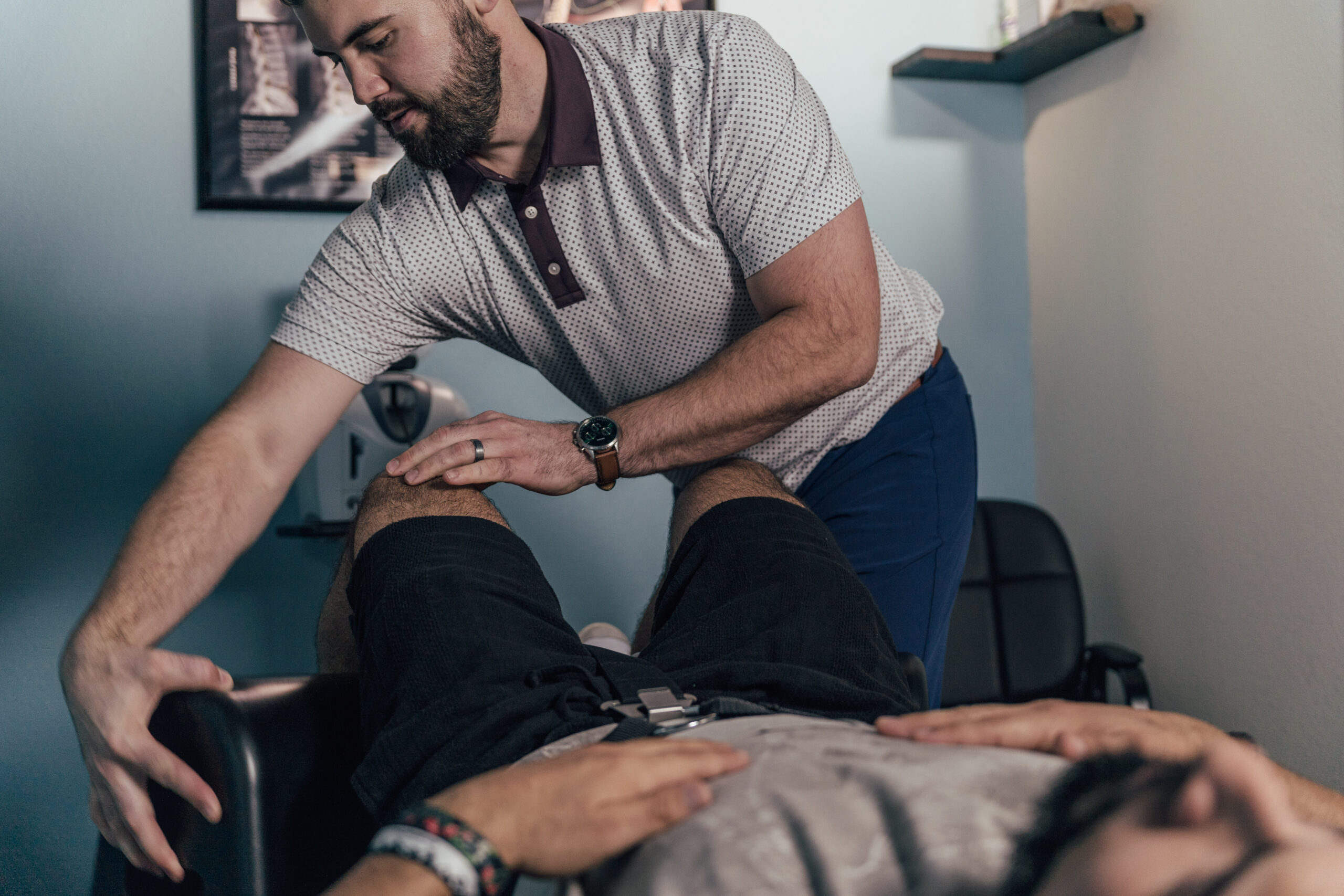
For athletes in San Antonio, chiropractic care often includes spinal manipulation to improve joint mobility, soft tissue work to address tight muscles like the piriformis or hip flexors, and movement assessment to identify the biomechanical patterns that may have contributed to the problem in the first place. The goal isn’t just pain relief — it’s helping an athlete understand their body better so they can train smarter going forward.
Chiropractic care also pairs well with other conservative strategies. Therapeutic exercises to strengthen the core and stabilize the pelvis, mobility work, and activity modification during the recovery phase can all be incorporated into a well-rounded plan. Evidence suggests that combining spinal manipulation with rehabilitative exercise tends to produce better outcomes than either approach alone for many patients with sciatica.
Practical Tips to Manage Sciatica and Stay Active
One of the biggest fears athletes have when they’re dealing with sciatica is that they’ll have to stop training entirely. While some modification is almost always necessary during the acute phase, complete rest is rarely the best answer. Staying gently active — within a pain-free or low-pain range — is generally beneficial for nerve recovery and overall healing.
Low-impact movement like walking, swimming, or light cycling can help maintain cardiovascular fitness and blood flow to the irritated nerve tissue without aggravating symptoms. Activities that load the spine heavily through compression or repeated flexion — like heavy squats, deadlifts, or forward-bent cycling positions — are usually worth pausing until the nerve has calmed down.
Addressing hip and glute tightness is especially important. When the piriformis, hip flexors, and hamstrings are chronically tight from athletic training, they create a tug-of-war around the pelvis and lumbar spine that can keep sciatic nerve tension high. Gentle, consistent mobility work for the hips and lower back — done daily rather than aggressively — is one of the most practical things an athlete can do between chiropractic visits.
Pay attention to your sitting and sleeping positions as well. Sitting for long periods — at a desk, in a car, or on a bench — can increase pressure on the lumbar discs and irritate the sciatic nerve. Breaking up prolonged sitting every 30 to 45 minutes, using a lumbar support cushion, and avoiding crossing your legs are simple habits that can make a meaningful difference. When sleeping, lying on your side with a pillow between your knees often reduces nerve tension more effectively than lying flat on your back.
When to See a Chiropractor
If you’re an athlete in San Antonio dealing with lower back pain that radiates into the leg, it’s worth getting evaluated sooner rather than later. Sciatic nerve irritation that’s caught early is generally easier to manage and quicker to resolve than symptoms that have been building for weeks or months without proper care.
A good rule of thumb: if your leg pain is persistent for more than a week or two, if it’s affecting your sleep, or if you’re noticing any weakness or numbness in your leg or foot, it’s time to see a professional. Dr. Brent Johnson at Castle Hills Chiropractic welcomes athletes from across the San Antonio area and takes a thorough, individualized approach to evaluating what’s really going on.
There are certain red flag symptoms that require immediate medical attention rather than chiropractic care. These include loss of bladder or bowel control, severe weakness in both legs, or sudden saddle-area numbness. These symptoms are rare but serious, and they warrant an emergency room visit rather than a chiropractic appointment. For the vast majority of sciatica cases, however, conservative care is a very appropriate starting point.
|
Symptom / Situation |
Recommended Action |
|---|---|
|
Mild leg tingling, occasional shooting pain lasting less than 1 week |
Monitor, reduce aggravating activities, schedule evaluation soon |
|
Persistent pain radiating below the knee for 1–2+ weeks |
See Dr. Brent Johnson at Castle Hills Chiropractic for evaluation |
|
Numbness or weakness in the foot or ankle |
Prompt chiropractic evaluation; imaging may be warranted |
|
Pain significantly disrupting sleep or daily function |
Schedule chiropractic care as soon as possible |
|
Loss of bladder/bowel control, severe bilateral leg weakness |
Seek emergency medical care immediately — this is a red flag |
Myths vs. Facts About Sciatica in Athletes
Myth: Sciatica means you need surgery.
Fact: The overwhelming majority of sciatica cases resolve with conservative, non-surgical care. Surgery is typically considered only in severe cases where nerve compression is causing significant neurological deficits and other approaches have not helped. For most athletes, chiropractic care, exercise therapy, and activity modification are effective first-line strategies.
Myth: You should rest completely until the pain goes away.
Fact: Prolonged bed rest is not recommended for sciatica and can actually slow recovery. Evidence consistently supports staying gently active within a manageable pain range. Staying mobile helps maintain circulation, prevent muscle loss, and support nerve healing. The key is modifying activity — not eliminating it entirely.
Myth: Sciatica only happens to older people, not young athletes.
Fact: Sciatica can affect people of any age, including teenagers and young adults. Athletes who train heavily, move with poor mechanics, or have muscle imbalances are at real risk of developing sciatic nerve irritation regardless of their age. In fact, high-intensity sports that load the lumbar spine repeatedly can accelerate the type of disc changes that lead to sciatica.
Myth: If the pain goes away on its own, you don’t need to do anything else.
Fact: Pain fading doesn’t always mean the underlying problem is resolved. If the spinal alignment issue, disc problem, or muscle imbalance that caused the sciatica hasn’t been addressed, athletes are at higher risk of recurrence — often at a more severe level. A thorough evaluation even after symptoms improve can help prevent future episodes.
Myth: Chiropractic adjustments are dangerous for sciatica.
Fact: When performed by a licensed, experienced chiropractor, spinal manipulation is considered a safe and appropriate approach for most sciatica cases. Dr. Brent Johnson at Castle Hills Chiropractic conducts a full evaluation before any treatment is performed to ensure chiropractic care is appropriate for each individual patient’s situation.
Final Thoughts from Castle Hills Chiropractic
Sciatica doesn’t have to end your athletic journey. With the right understanding, the right care team, and a smart approach to recovery, most athletes can work through sciatic nerve pain and come back stronger, more body-aware, and better equipped to prevent it from coming back.
Here at Castle Hills Chiropractic in Castle Hills, TX, Dr. Brent Johnson has a genuine passion for helping active people in the San Antonio community move better and feel better — without relying on medication or surgery. Whether you’re a competitive runner pounding the San Antonio River Walk trails, a recreational tennis player, or someone who just wants to get back to the gym without dreading the next workout, chiropractic care can be a meaningful part of your path forward.
If you’re dealing with sciatica or any kind of lower back and leg pain, we’d love to be part of your care. The San Antonio and Castle Hills community is full of hardworking, active people, and it’s a privilege to support them in staying healthy and moving well. Don’t wait until the pain becomes unbearable — the earlier you seek care, the more options you have.
Frequently Asked Questions
Can I keep training if I have sciatica?
In many cases, yes — with appropriate modifications. High-impact or heavy-loading activities may need to be temporarily reduced, but low-impact movement is generally encouraged. Dr. Brent Johnson can help you identify which activities are safe to continue during your recovery and which ones to pause.
How long does sciatica typically last in athletes?
Duration varies widely depending on the underlying cause and how quickly it’s addressed. Mild cases may resolve within a few weeks with proper care, while more involved cases can take several months. Early intervention with chiropractic care and guided exercise tends to support faster recovery.
Is sciatica the same as a pinched nerve?
Sciatica is a type of pinched nerve situation, but not all pinched nerves are sciatica. Sciatica specifically refers to irritation or compression of the sciatic nerve, which is the largest nerve in the body. Other nerves can be compressed elsewhere in the spine or body and cause different patterns of symptoms.
What sports are most likely to cause sciatica?
Sports that involve heavy spinal loading, repetitive flexion, or sustained seated positions tend to carry the highest risk — including weightlifting, cycling, rowing, golf, and long-distance running. However, sciatica can develop in athletes from virtually any sport if biomechanical stress or muscle imbalances are present.
Will chiropractic care in San Antonio help my sciatica?
Research suggests that chiropractic care, including spinal manipulation, can be an effective approach for managing sciatica in many patients. At Castle Hills Chiropractic, Dr. Brent Johnson evaluates each patient individually to determine whether chiropractic care is appropriate and what type of treatment approach makes the most sense for their specific situation.
Do I need an MRI before seeing a chiropractor for sciatica?
Not necessarily. In many cases, a thorough clinical evaluation is sufficient to begin conservative care. If imaging is needed to rule out more serious causes or guide treatment decisions, Dr. Brent Johnson will let you know and can refer you for the appropriate diagnostics.
TL;DR
-
Sciatica in athletes is caused by sciatic nerve compression from disc issues, piriformis syndrome, or spinal misalignment — and it’s more common than most people think.
-
Symptoms include radiating pain, tingling, or weakness that travels from the lower back down one leg, and they shouldn’t be dismissed as just a pulled muscle.
-
Chiropractic care from Dr. Brent Johnson at Castle Hills Chiropractic in Castle Hills, TX is a well-supported, non-invasive option for managing sciatica in athletes across the San Antonio area.
-
Staying gently active, addressing hip and core stability, and modifying aggravating activities are practical steps athletes can take during recovery.
-
If you’re experiencing persistent leg pain, don’t wait — early evaluation leads to better outcomes and a faster return to the activities you love.