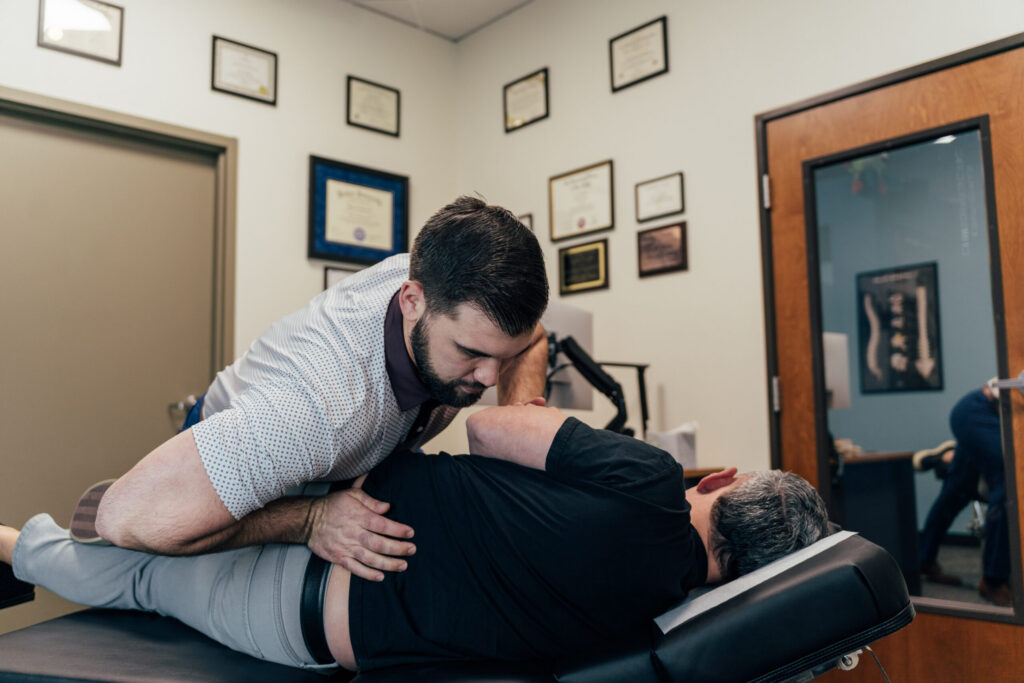

When you rely on generic care, you're setting yourself up for disappointment. It often overlooks the nuances of your unique health situation, ignoring factors like your lifestyle, personal history, and even genetic predispositions. This one-size-fits-all approach can lead to ineffective treatments that leave you feeling frustrated and disengaged. You might wonder why, despite following the prescribed protocols, your health doesn't improve. The answer lies in the essential need for personalized care. But what does that truly mean, and how can it change your health journey?
The Flaws of One-Size-Fits-All
Recognizing that health isn't a universal experience, it's evident that one-size-fits-all solutions often miss the mark. When you rely on generic care, you're not considering your unique circumstances, preferences, or medical history. Each person's body responds differently to treatments, diets, and exercise regimens. What works for one individual might lead to frustration, or even harm, for another.
Take a moment to think about your own health journey. Have you ever tried a mainstream diet or workout plan that didn't yield the results you hoped for? That's a classic example of how a blanket approach can overlook your specific needs. Generic advice fails to account for factors like age, genetics, lifestyle, and pre-existing conditions, which all play significant roles in your health outcomes.
Moreover, one-size-fits-all solutions often lack personalization. These approaches can make you feel like a number rather than an individual. When healthcare providers apply the same treatment to everyone, they risk missing critical nuances that could lead to better care. You deserve a tailored strategy that considers your health status, preferences, and goals.
In a world full of diverse lifestyles and health challenges, generic care simply can't keep up. If you want to truly thrive, it's important to seek out solutions that resonate with your unique situation. By doing so, you'll find a path that's better suited to help you achieve your health objectives.
Individual Needs Matter
Your individual needs play a vital role in how effective care can be.
When your unique requirements are recognized, it leads to a more personalized approach that truly meets your expectations.
In this way, personalization drives the effectiveness of any care plan tailored just for you.
Unique Requirements Recognized
Every individual has a unique set of needs that can't be addressed with a one-size-fits-all approach. You might find that what works for your neighbor doesn't necessarily work for you. Your experiences, preferences, and circumstances shape your requirements, and these nuances are often overlooked in generic care models.
When you seek support, it's essential that the solutions offered resonate with your specific situation. Generic approaches can fail to account for significant factors like your personal history, lifestyle, and even emotional well-being. You deserve care that recognizes these distinctions and empowers you to thrive.
If your needs aren't acknowledged, you risk feeling unheard and unsupported. This can lead to frustration and disengagement, making it challenging for you to achieve your goals. Instead, effective care should actively engage with your unique requirements, ensuring that you receive solutions tailored to you.
In recognizing your individuality, care providers can create a more meaningful connection. They can help you navigate your challenges and celebrate your victories, fostering a sense of partnership that generic care simply can't offer.
Personalization Drives Effectiveness
Personalization is key to achieving effective care that truly meets individual needs. When you receive tailored support, it addresses your unique circumstances, preferences, and challenges. You deserve care that resonates with who you are, rather than a one-size-fits-all approach that overlooks your specific requirements.
Think about your health journey. A generic plan might miss critical factors, such as your lifestyle, medical history, or emotional well-being. By focusing on personalization, you're more likely to engage actively with your care, leading to better outcomes. You're not just another case number; your experiences and aspirations matter.
Moreover, personalized care fosters a stronger relationship with your healthcare provider. When they understand you as an individual, it builds trust and enhances communication. This connection empowers you to voice concerns, ask questions, and participate in decision-making.
Ultimately, personalization drives effectiveness because it transforms care from a basic service into a meaningful partnership. You're more likely to adhere to recommendations, stay motivated, and achieve your health goals when the care you receive is designed with you in mind.
Embrace personalization—it's your pathway to better health outcomes.
Case Studies of Generic Care
Numerous case studies illustrate the limitations of generic care in addressing individual needs. When you rely on a one-size-fits-all approach, you'll likely find that it fails to take into account the unique circumstances that define you.
Here are four notable examples that highlight this issue:
- Mental Health Treatment: A study found that patients receiving standardized therapy often reported feeling misunderstood. Their specific emotional struggles weren't addressed, leading to a lack of progress.
- Chronic Disease Management: A case involving diabetes patients showed that those following a generic diet plan experienced poor outcomes. Individual dietary needs and preferences were ignored, resulting in low adherence to the regimen.
- Rehabilitation Programs: In a rehabilitation setting, patients undergoing a generic exercise program showed minimal improvement. Tailored programs addressing individual physical capabilities and goals resulted in markedly better recovery rates.
- Pain Management: Research indicated that individuals prescribed a standard pain relief protocol often experienced inadequate relief. Personalized approaches that took into account unique pain thresholds led to more effective pain management.
These cases demonstrate that generic care often overlooks the complexities of individual health needs.
The Importance of Personalization
When it comes to your care, one-size-fits-all solutions just won't cut it.
You need tailored approaches that address your unique circumstances and preferences.
Tailored Solutions Matter
In a world overflowing with one-size-fits-all solutions, it's clear that tailored approaches truly make a difference. When you seek care or solutions, you want something that resonates with your unique circumstances. Generic options often miss the mark, leaving you feeling frustrated and unfulfilled.
Tailored solutions, on the other hand, address your specific needs and preferences, enhancing your overall experience.
Here are four reasons why tailored solutions matter:
- Personal Relevance: Customized solutions align with your individual goals, making them more effective.
- Enhanced Engagement: When solutions are tailored, you're more likely to engage and commit to the process, leading to better outcomes.
- Increased Satisfaction: Personalization fosters a sense of being valued, leading to higher satisfaction with the services you receive.
- Better Results: Tailored approaches often yield faster and more sustainable results because they target your specific challenges.
In essence, embracing tailored solutions empowers you to take charge of your journey, ensuring that your needs are met in a way that generic options simply can't achieve.
Individual Needs Assessment
Understanding your unique circumstances is fundamental to receiving effective care. An individual needs assessment allows you to identify specific challenges, preferences, and goals. This personalized approach guarantees that the care you receive is relevant and impactful.
When healthcare providers take the time to assess your individual situation, they can tailor their strategies to fit your lifestyle and values. For instance, if you have a busy schedule, a plan that accommodates your time constraints will likely resonate more than a one-size-fits-all solution. This personalized care fosters a stronger connection between you and your provider, enhancing trust and collaboration.
Moreover, identifying your unique needs can lead to better health outcomes. By focusing on what matters most to you, whether that's managing a chronic condition or improving your overall wellness, you're more likely to stay engaged in your care plan.
Ultimately, an individual needs assessment empowers you to take control of your health journey. It's not just about treating symptoms; it's about understanding the whole you—your goals, preferences, and circumstances—so you can thrive.
Don't settle for generic care; seek the personalization that truly supports your well-being.
Consequences of Ignoring Specificity
Ignoring specificity often leads to missed opportunities and ineffective solutions. When you embrace generic care, you risk facing consequences that can hinder your progress and growth.
Here are four key pitfalls you might encounter:
- Wasted Resources: By not tailoring your approach, you may spend time and money on solutions that don't address your unique needs. This inefficiency can drain your resources without yielding beneficial results.
- Frustration and Disengagement: When solutions fail to resonate with you, it can lead to frustration. This emotional toll often results in disengagement, making you less likely to pursue further assistance or try new strategies.
- Stunted Growth: Without specificity, you're likely to overlook areas for personal or professional growth. Generic solutions may not challenge you, preventing you from reaching your full potential and stifling innovation.
- Miscommunication: Ignoring the details can create misunderstandings between you and those offering support. When your needs aren't clearly articulated or recognized, it complicates relationships and diminishes the effectiveness of any assistance you receive.
Tailored Solutions in Practice
When you embrace tailored solutions, you're actively investing in approaches that resonate with your specific needs and circumstances. Instead of settling for one-size-fits-all methods, you can focus on what truly matters to you.
Tailored solutions allow you to identify your unique challenges and work through them effectively.
For instance, in healthcare, personalized treatment plans consider your medical history, lifestyle, and preferences. This means your doctor won't just prescribe a standard medication; instead, they'll work with you to find the best options based on your individual health profile. This can lead to quicker recovery times and better long-term outcomes.
Another example can be found in education. When you engage with customized learning strategies, you're able to harness your strengths while addressing your weaknesses. You might work with a tutor who understands your learning style, ensuring that the material is presented in a way that makes sense to you. This approach fosters a deeper understanding and greater retention.
In the workplace, tailored solutions can enhance productivity. By understanding your working style and the specific demands of your role, employers can provide resources and support that align with your needs. This could involve flexible work hours or specialized training programs.
Moving Towards Customized Care
As you look to improve your overall well-being, moving towards customized care becomes a natural progression from embracing tailored solutions.
Customized care focuses on your unique needs, preferences, and circumstances, allowing for a more effective approach to health and wellness. It's about recognizing that one size doesn't fit all and that your journey is personal.
To make the shift towards customized care, consider these four essential steps:
- Assess Your Needs: Take the time to evaluate your physical, emotional, and mental health. Identify what you require to thrive and where you need support.
- Collaborate with Professionals: Build relationships with healthcare providers who understand your specific situation. This collaboration can lead to more personalized strategies that resonate with your goals.
- Incorporate Feedback Loops: Regularly assess the effectiveness of your care plan. Open communication with your care providers allows adjustments based on your evolving needs.
- Embrace Holistic Approaches: Look beyond traditional methods. Incorporate lifestyle changes, nutrition, and alternative therapies that align with your personal values and health aspirations.
Conclusion
In a world where your health journey is uniquely yours, generic care just won't cut it. It overlooks your specific needs and can lead to frustration and poor outcomes. By embracing personalized approaches, you can truly address the complexities of your health. Tailored solutions not only enhance your engagement but also improve your overall well-being. It's time to move away from one-size-fits-all models and advocate for customized care that respects and responds to your individual circumstances.