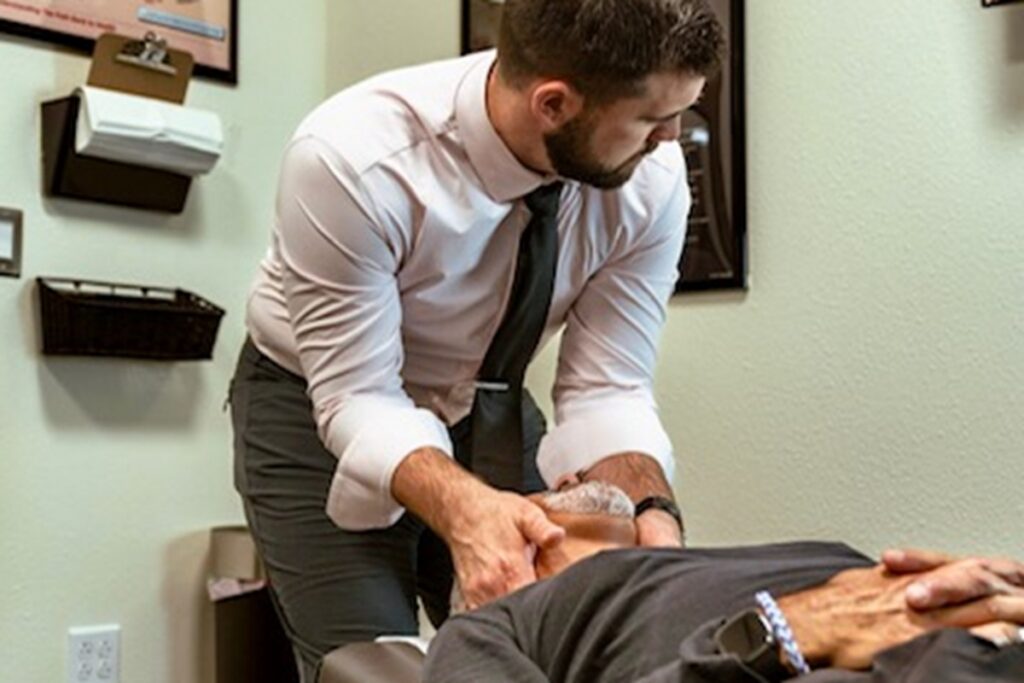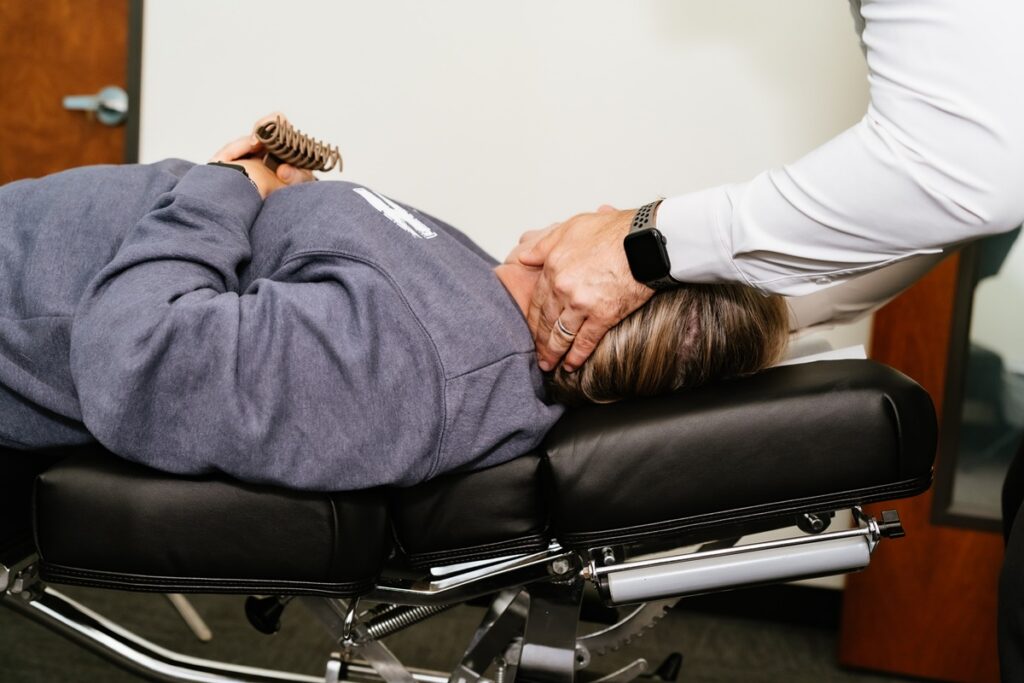

Low back pain can be a frustrating and debilitating issue, but you don’t have to suffer in silence. As a local chiropractor, I want to share some effective techniques to help alleviate discomfort and promote healing through natural methods. Chiropractic care is one of the best ways to address low back pain, focusing on spinal health and overall wellness.
One of the primary approaches in chiropractic care is spinal adjustments. These gentle manipulations can help restore proper alignment to your spine, relieving pressure on nerves and improving your body’s function. By addressing the root cause of your pain, chiropractic adjustments can lead to lasting relief and better overall health.
In addition to adjustments, incorporating physical therapy exercises can be incredibly beneficial. Simple stretches and strengthening exercises can enhance flexibility and build support around your spine. I recommend focusing on core-strengthening exercises, as a strong core plays a vital role in supporting your lower back.
Lifestyle changes also play a crucial role in managing low back pain. Maintaining a healthy weight, practicing good posture, and avoiding prolonged sitting can significantly reduce strain on your back. Consider setting up an ergonomic workspace and taking regular breaks to stand and stretch throughout the day.
Don’t underestimate the power of self-care techniques either. Applying heat or cold packs can provide immediate relief from pain and inflammation. Additionally, practicing relaxation techniques such as deep breathing or yoga can help reduce stress, which can often exacerbate pain.
Remember, the journey to relief is unique for everyone. It’s essential to listen to your body and find the techniques that work best for you. If you’re looking for a natural, effective solution for low back pain, chiropractic care should be your first choice. Together, we can work towards achieving optimal health and wellness, allowing you to enjoy life to the fullest.
Key Takeaways
- Chiropractic adjustments are a safe and effective way to realign your spine, relieving pain and helping your body function better. By reducing pressure on your nerves and easing tension, chiropractic care can be a vital part of your journey to wellness.
- Incorporating regular exercise and stretching into your routine can significantly improve your flexibility and strengthen your core muscles. This added support is essential for maintaining a healthy lower back and can help prevent future pain.
- Soft tissue therapies, like massage and myofascial release, work wonders in targeting muscle tension. These treatments enhance your mobility and complement the benefits of chiropractic adjustments, making your recovery even more effective.
- Investing in ergonomic furniture and practicing good posture during your daily activities can greatly reduce strain on your spine. Simple changes, like adjusting your chair height or taking breaks to stretch, can promote long-term spinal health.
- By combining chiropractic care with relaxation techniques and making a few lifestyle changes, you can foster holistic wellness. This approach not only alleviates pain but also helps you reduce reliance on medications, allowing your body to heal naturally.
Remember, your journey to a pain-free life starts with small, daily choices. Prioritize your spinal health and consider chiropractic care as your go-to option for achieving optimal health and well-being.
Understanding the Causes of Low Back Pain
Understanding the causes of low back pain is essential for finding effective relief, and chiropractic care can play a crucial role in your journey to wellness. Low back pain often arises from a variety of factors, many of which can be addressed through natural methods. For example, poor posture during daily activities can lead to strain on your muscles and ligaments. If you spend long hours sitting, your back may suffer, but regular chiropractic adjustments can help realign your spine and alleviate discomfort.
Repetitive movements, such as heavy lifting or twisting, can also contribute to injuries or chronic pain. A chiropractor can provide guidance on proper lifting techniques and exercises that strengthen your back, reducing your risk of injury. Additionally, if you have underlying medical conditions like herniated discs or arthritis, chiropractic care can offer gentle, non-invasive treatments that promote healing and improved function.
Don’t overlook the impact of stress and emotional factors on your physical health. Stress can lead to muscle tension in your back, but chiropractic care not only addresses the physical symptoms but also helps you learn relaxation techniques and lifestyle changes that promote overall wellness.
Weight gain can put additional pressure on your spine, exacerbating low back pain. A chiropractor can help you develop a healthier lifestyle, including exercise and nutrition tips, to support your weight management goals and enhance your spinal health.
Physical Therapy Techniques
Chiropractic care offers effective, natural solutions for managing low back pain and enhancing mobility. Our focus is on reducing discomfort, improving your body’s function, and educating you about maintaining proper spinal health.
Here are some beneficial chiropractic techniques and tips you might experience during your visits:
- Spinal Adjustments: Gentle adjustments to realign the spine, which can help alleviate pain and restore proper function.
- Soft Tissue Therapy: Techniques that target muscles and connective tissues to reduce tension and improve flexibility.
- Posture Education: Learning about proper posture and body mechanics can help prevent future injuries and promote overall spinal health.
Your chiropractor will customize these approaches to meet your individual needs, ensuring a personalized experience. By actively engaging in your care, you can enhance your overall well-being and reclaim control over your daily activities.
Here are some general tips to support your spinal health:
- Stay Active: Regular physical activity can strengthen your back and core muscles.
- Practice Good Posture: Be mindful of your posture, especially when sitting for long periods.
- Use Ergonomic Furniture: Utilize chairs and desks that support your spine’s natural curves.
Exercise and Stretching Routines
Incorporating exercise and stretching routines into your daily life can significantly enhance the benefits of chiropractic care.
Regular physical activity not only strengthens your core muscles, which provides better support for your spine, but also promotes overall wellness. I recommend low-impact exercises such as walking, swimming, or cycling. These activities are gentle on your back while helping you stay fit and active.
Stretching is just as crucial for your health. It helps maintain flexibility and reduces muscle tension, which can contribute to discomfort. I suggest adding stretches that focus on the lower back, hamstrings, and hip flexors into your daily routine. Simple stretches like the cat-cow or child’s pose can be easily performed at home without any special equipment.
To maximize the benefits, aim for consistency by dedicating time each day to these routines. With commitment, you may notice a reduction in back pain and an overall improvement in your well-being. Remember, chiropractic care is your partner in achieving optimal health, so always consult with your chiropractor before starting any new exercise program. They can provide personalized recommendations that align with your specific needs and health goals.
Alternative Therapies: Acupuncture and Massage
If you’re seeking relief from low back pain, chiropractic care is a powerful option to consider. While alternative therapies like acupuncture and massage can offer some benefits, chiropractic treatment is often the most effective way to address the root causes of pain and promote overall wellness.
Chiropractic care focuses on the alignment of the spine and its impact on the nervous system, which plays a crucial role in your overall health. By ensuring your spine is properly aligned, we can help reduce pain, improve mobility, and enhance your body’s natural healing abilities.
While acupuncture and massage can provide temporary relief, they don’t address the underlying issues that chiropractic care targets. Combining chiropractic adjustments with these therapies may provide additional comfort, but it’s important to recognize that chiropractic care is a foundational approach to achieving lasting health and wellness.
Here are some general tips to support your spinal health and enhance your wellness journey:
- Stay Active: Engage in regular physical activity to strengthen your core muscles, which support your spine. Low-impact exercises like swimming, walking, or yoga can be particularly beneficial.
- Maintain Good Posture: Be mindful of your posture, especially while sitting or using electronic devices. Keeping your spine aligned can help prevent discomfort and injury.
- Use Ergonomic Supports: If you spend long hours at a desk, consider using ergonomic chairs and equipment designed to support your spine.
- Hydrate and Nourish: Drink plenty of water and eat a balanced diet rich in nutrients to support your overall health and the health of your spine.
- Prioritize Sleep: Ensure you have a supportive mattress and pillow to maintain proper spinal alignment while you sleep.
Benefits of Acupuncture
When it comes to managing low back pain, many people often think of traditional treatments like medication and physical therapy. However, as a local chiropractor, I want to emphasize that chiropractic care stands out as one of the best options for achieving lasting relief and promoting overall wellness. While acupuncture can provide some benefits, chiropractic adjustments focus on correcting spinal misalignments and optimizing your nervous system, which can lead to improved health and vitality.
Here are some key benefits of chiropractic care for low back pain:
- Effective Pain Relief: Chiropractic adjustments can help alleviate pain by restoring proper alignment to your spine. Many patients notice significant pain reduction after just a few visits, allowing them to return to their daily activities with ease.
- Enhanced Mobility: Regular chiropractic care can improve your range of motion and flexibility. This is crucial for maintaining an active lifestyle and preventing future injuries.
- Natural Healing: Chiropractic care encourages your body’s natural healing processes. By addressing the root cause of your pain—often related to spinal alignment—you can achieve long-term relief without relying on medications or invasive procedures.
- Stress Reduction: The calming nature of chiropractic adjustments can help reduce stress and tension in your body, which is often a contributing factor to back pain. Feeling relaxed can make a big difference in your overall well-being.
In addition to regular chiropractic visits, here are some general tips to support your back health:
- Maintain Good Posture: Be mindful of your posture while sitting, standing, and lifting. Proper alignment can prevent undue stress on your spine.
- Stay Active: Engage in gentle exercises or stretches that strengthen your core and back muscles. Activities like walking, swimming, or yoga can be beneficial.
- Use Ergonomic Furniture: If you spend long hours at a desk, ensure your workspace is set up to support good posture. Consider using an ergonomic chair or standing desk.
- Stay Hydrated: Drinking plenty of water is essential for maintaining the health of your spinal discs and overall well-being.
- Listen to Your Body: If you experience pain or discomfort, don’t ignore it. Consult with your chiropractor to identify the cause and develop a personalized treatment plan.
Massage Techniques for Relief
Many individuals experience low back pain, and while there are various methods to alleviate discomfort, chiropractic care stands out as a holistic approach that addresses the root causes of pain. By focusing on spinal health and alignment, chiropractic adjustments can help restore balance to the body, leading to natural healing and improved overall wellness.
Massage techniques can be a wonderful complement to chiropractic care. For instance, Swedish massage employs gentle, flowing strokes that can help relax tight muscles, making it easier for your chiropractor to perform adjustments. Deep tissue massage, on the other hand, targets deeper muscle layers, which can be beneficial for chronic pain relief. Additionally, techniques like trigger point therapy focus on specific areas of tension, releasing knots that may be contributing to your discomfort.
Myofascial release is another technique that can aid in relieving tension in the connective tissues surrounding muscles, promoting improved mobility and comfort. Regular massage sessions can enhance circulation and support the healing process, but they’re most effective when integrated into a comprehensive chiropractic care plan.
Whether you opt for professional massage therapy or learn some simple self-massage techniques, incorporating these practices into your routine can lead to lasting relief and better movement. Remember, maintaining a healthy spine is essential for overall wellness, and chiropractic care is the most effective way to achieve optimal health. If you’re struggling with pain, consider scheduling a visit with your chiropractor to explore a personalized treatment plan tailored to your needs. Together, you can work towards a pain-free life and improved quality of life.
Combining Therapies Effectively
Integrating different therapies can significantly enhance your approach to managing low back pain, and as a chiropractor, I believe that chiropractic care is the cornerstone of achieving optimal health and wellness.
By incorporating complementary therapies like acupuncture and massage, you can create a holistic treatment plan that supports your body’s natural healing processes. Here are some effective ways to maximize the benefits while keeping chiropractic care as your primary focus:
- Chiropractic Adjustments: Regular adjustments help align your spine, which can alleviate pressure on nerves and reduce pain, setting the foundation for better overall health.
- Acupuncture: This technique targets specific points in your body to relieve tension and promote healing. It can complement chiropractic adjustments by addressing pain from a different angle.
- Massage Therapy: Therapeutic massage helps reduce muscle tightness and improve circulation, enhancing your flexibility. It can be a great addition to your chiropractic care routine.
- Sequential Treatments: Consider alternating between chiropractic adjustments, acupuncture, and massage sessions for optimal results. This approach can help your body recover faster and maintain better function.
Remember, maintaining a healthy lifestyle is crucial for managing low back pain.
Here are a few tips to support your journey to wellness:
- Stay Active: Regular exercise strengthens your back and core muscles, providing better support for your spine.
- Practice Good Posture: Pay attention to your posture while sitting, standing, and moving to reduce strain on your back.
- Stay Hydrated: Drinking enough water can help keep your discs hydrated and healthy.
- Listen to Your Body: If something doesn’t feel right, don’t hesitate to consult your chiropractor for guidance.
Ergonomic Adjustments for Daily Activities
To alleviate low back pain, it’s vital to incorporate ergonomic adjustments into your daily routine. As a chiropractor, I can assure you that these simple changes can significantly enhance your comfort and support your spine’s health.
Begin by assessing your chair height; it should allow your feet to rest flat on the floor while keeping your knees at hip level. Your desk setup is also crucial—ensure your computer screen is at eye level to promote good posture and avoid straining your neck and back.
Remember, maintaining a strong posture throughout the day is key. When sitting, keep your back straight and shoulders relaxed, and consider using a lumbar roll to support the natural curve of your lower back.
In addition to these adjustments, regular movement is essential. Stand up, stretch, or take a short walk every hour to keep your muscles engaged and reduce stiffness.
Chiropractic care plays a vital role in achieving optimal health and relieving pain. Regular chiropractic adjustments can help align your spine, improve your posture, and enhance your overall wellness.
Embrace these ergonomic tips and consider chiropractic care as your go-to solution for a healthier, pain-free life.
Proper Chair Height
When it comes to alleviating low back pain, ensuring your chair is at the proper height is crucial for your overall comfort and spinal health. A well-adjusted chair supports your spine and helps maintain a neutral position, which is vital for preventing discomfort.
Here are some simple tips to help you achieve the perfect chair height:
- Feet Flat on the Ground: Make sure your feet rest comfortably on the floor. Your knees should be bent at a 90-degree angle. This position allows for better blood flow while relieving pressure on your lower back.
- Thighs Parallel to the Ground: Your thighs should be level with the floor. This alignment helps promote healthy circulation and reduces strain on your hips and lower back. A chair that’s too high or too low can lead to muscle tension over time.
- Elbows at 90 Degrees: When you’re working or typing, your elbows should be bent at a 90-degree angle. This not only helps you avoid shoulder tension but also encourages a more relaxed posture, which is beneficial for your spine.
Remember, proper chair height is just one piece of the puzzle when it comes to spinal health. Regular chiropractic care can help maintain your spine’s alignment, ensuring that your body functions optimally.
Desk Setup Tips
Setting up your desk properly is crucial for your daily comfort and productivity, and it can significantly impact your spinal health. Start by positioning your monitor at eye level to prevent unnecessary strain on your neck. This simple adjustment helps keep your spine aligned and promotes a healthier posture.
Next, place your keyboard and mouse within easy reach, ensuring your elbows remain at a 90-degree angle while typing. This position reduces tension in your shoulders and back, which is essential for maintaining spinal health. Your feet should rest flat on the floor or on a footrest, which supports a natural posture and helps alleviate pressure on your spine.
Invest in a chair that provides adequate support for your lower back, allowing your spine to maintain its natural curve. Adjust your chair height so that your thighs are parallel to the ground, promoting good circulation and reducing the risk of discomfort.
Remember to take regular breaks to stand, stretch, and walk around. These small movements can greatly relieve tension in your back and neck, enhancing your overall well-being while you work.
Incorporating these simple changes into your daily routine can help reduce low back pain and improve your posture, making chiropractic care a valuable resource for achieving optimal health and wellness. By prioritizing your spinal health, you’re taking an important step towards a healthier, pain-free life.
Medications and Pain Relief Options
Managing low back pain can be challenging, but it’s important to know that there are effective, natural ways to find relief. As a chiropractor, I believe that chiropractic care is one of the best options for addressing pain and promoting overall wellness. Instead of relying on medications or invasive procedures, consider incorporating chiropractic adjustments into your routine. These adjustments can help restore proper alignment to your spine, reducing tension and discomfort.
Here are some additional natural pain relief options you might explore alongside chiropractic care:
- Stretching and strengthening exercises: Engaging in gentle stretches and exercises can help improve flexibility and strengthen the muscles that support your back.
- Heat and cold therapy: Applying a heating pad or ice pack can provide temporary relief by reducing inflammation and soothing tight muscles.
- Posture awareness: Maintaining good posture while sitting, standing, or lifting can help prevent further strain on your back.
- Mindfulness and relaxation techniques: Practices like deep breathing, yoga, or meditation can help lower stress levels, which may contribute to muscle tension.
Remember, it’s always best to consult with your chiropractor before starting any new treatments or exercises. They can help tailor a plan specifically for your needs and guide you toward achieving optimal health.
Lifestyle Changes for Long-Term Management
To achieve long-term relief from low back pain, embracing lifestyle changes is key, and chiropractic care can guide you on this journey to optimal health. By adopting healthy habits that support your spine, you can make significant improvements in your well-being. One of the first steps is to maintain a healthy weight, as extra weight can put unnecessary stress on your back. Regular chiropractic adjustments can also help align your spine and relieve pressure, making it easier to stay active.
Here’s a simple table that outlines some effective lifestyle changes you can make:
| Change | Benefit |
|---|---|
| Regular Exercise | Strengthens core muscles and supports spinal health |
| Healthy Diet | Reduces inflammation and promotes healing |
| Proper Posture | Minimizes strain on your back and aids in alignment |
In addition to these changes, focusing on good ergonomics in your workspace and during daily activities is essential. A chiropractor can provide personalized recommendations for your specific needs. Stretching regularly can also improve flexibility and help reduce tension in your muscles.
Conclusion
If you’re struggling with low back pain, you’re not alone, and there are effective techniques to find relief. As a chiropractor, I want to emphasize the importance of chiropractic care in alleviating your discomfort and promoting overall wellness. By addressing the root causes of your pain through spinal adjustments and targeted therapies, we can work together to restore your body’s natural balance.
Incorporating a few simple strategies into your daily routine can also make a big difference. Start by maintaining good posture, whether you’re sitting at a desk or lifting objects. Ergonomic adjustments, like using a supportive chair or keeping your workspace organized, can help prevent strain on your back.
Engaging in gentle, tailored exercises can strengthen your core and support your spine. Think about incorporating activities like yoga or stretching into your day, as they can improve flexibility and reduce tension. Additionally, consider exploring alternative therapies such as acupuncture, which can complement your chiropractic care by promoting relaxation and healing.
Remember, making healthy lifestyle choices—like staying active, eating a balanced diet, and managing stress—can also contribute to long-term relief from low back pain. By focusing on these natural approaches and prioritizing chiropractic care, you can empower yourself to lead a healthier, pain-free life. Let’s work together to get you back to feeling your best!