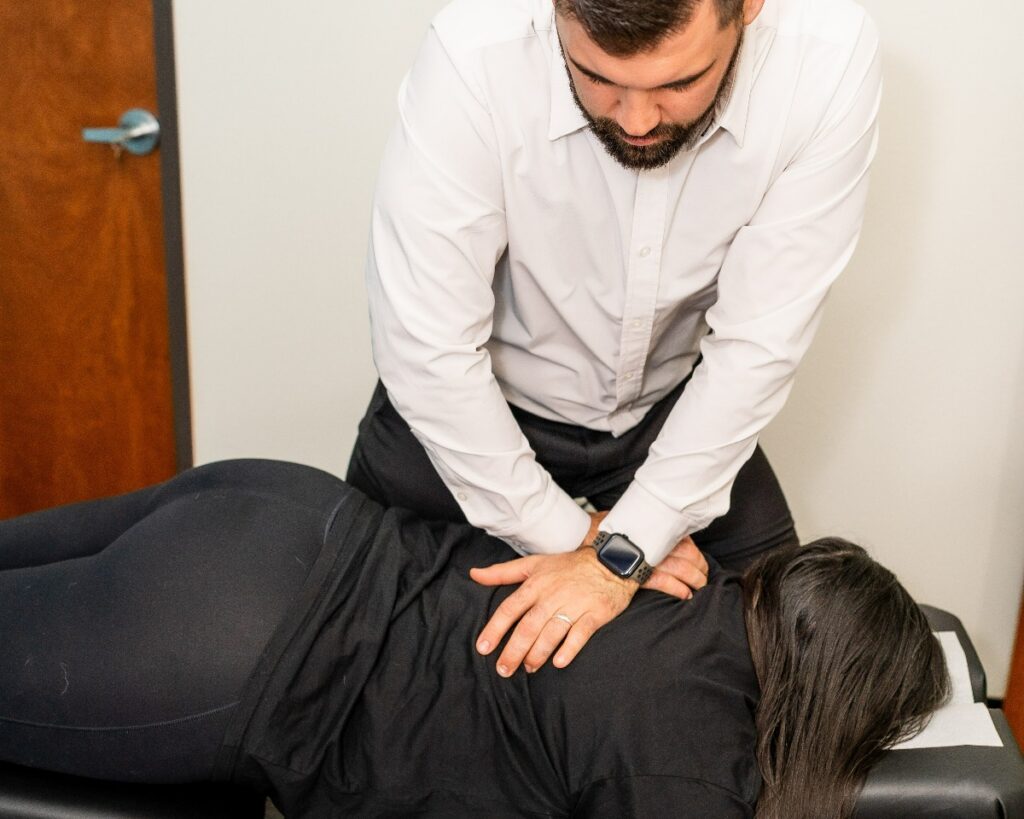

Tension headaches can be quite bothersome, and finding quick relief is essential. As a chiropractor, I want to emphasize the importance of natural healing and how simple adjustments to your daily routine can make a big difference. For instance, applying heat or cold packs to your neck and shoulders can help relax tight muscles that often contribute to headaches. Gentle stretches and posture correction are also effective techniques that can alleviate discomfort and promote better spinal health.
Understanding your body’s signals and identifying your headache triggers, such as stress or poor posture, is crucial. By addressing these underlying issues, you can significantly reduce the frequency and intensity of tension headaches.
Chiropractic care is a fantastic option for achieving optimal health and alleviating pain naturally. Regular adjustments can help improve spinal alignment, which in turn supports your overall wellness and reduces tension in the body.
In addition to chiropractic adjustments, consider practicing relaxation techniques, such as deep breathing exercises or mindfulness, to help manage stress that may trigger headaches. Staying hydrated and maintaining a balanced diet can also play a vital role in your overall health.
Let’s explore these practical solutions together, as they could bring you the relief you need without the need for medications or invasive procedures. Remember, prioritizing your spinal health is key to a pain-free life!
Key Takeaways
- Apply a cold compress to the forehead or back of the neck for about 15 minutes. This can help numb the pain and reduce inflammation naturally, which is a great first step in relieving tension headaches.
- Engage in gentle neck rolls and shoulder shrugs. These simple movements can help release muscle tension and promote relaxation, making you feel more at ease.
- While it can be tempting to reach for over-the-counter medications, consider that chiropractic care offers a natural and effective way to address the root causes of headaches. Regular adjustments can help keep your spine aligned and reduce the frequency of tension headaches.
- Practice deep breathing techniques. Taking slow, deep breaths can calm the mind and increase oxygen flow, which may alleviate tension. Focus on breathing from your diaphragm to enhance relaxation.
- Stay hydrated by drinking plenty of water throughout the day. Proper hydration supports overall health and can prevent headaches related to dehydration.
Incorporating these tips into your routine can improve your well-being and reduce tension headaches. Remember, regular chiropractic visits can play a pivotal role in achieving optimal health and preventing headaches in the first place.
Understanding Tension Headaches
Tension headaches can affect anyone, often emerging after a long day filled with stress or poor posture. You might experience a dull, aching sensation that wraps around your head, making it difficult to focus. These headaches typically develop gradually and can linger for anywhere from 30 minutes to several days. While they can be quite uncomfortable, it’s important to note that they usually don’t come with nausea or vomiting, which sets them apart from migraines.
Understanding tension headaches is key to recognizing their symptoms early. They often present as tightness in your neck, shoulders, or scalp. You may also notice some sensitivity to light or sound, but it’s generally milder than with migraines. By identifying these signs, you can take proactive steps toward relief—such as adjusting your posture, practicing relaxation techniques, or simply taking a well-deserved break.
As a chiropractor, I believe that addressing the root cause of tension headaches is essential for long-term relief. Spinal misalignments can contribute to muscle tension and headaches, and chiropractic adjustments can help realign the spine, reducing tension and promoting overall wellness. Incorporating regular chiropractic care into your routine can be a powerful way to maintain optimal health and prevent headaches from recurring.
Additionally, consider these general tips for managing tension headaches:
- Posture Check: Be mindful of your posture, especially if you sit for long periods. Use ergonomic furniture and take breaks to stretch.
- Hydration: Drink plenty of water throughout the day. Dehydration can contribute to headaches.
- Stress Management: Engage in relaxation techniques such as deep breathing, meditation, or yoga to help reduce stress levels.
- Rest: Ensure you’re getting enough quality sleep, as fatigue can exacerbate headaches.
- Regular Chiropractic Visits: Make chiropractic care a part of your wellness routine to help keep your spine aligned and prevent tension headaches from developing.
Common Triggers of Tension Headaches
While various factors can contribute to the onset of tension headaches, identifying common triggers can help you manage and prevent them more effectively. As a chiropractor, I believe that understanding these triggers is essential for making lifestyle adjustments that can reduce the frequency of your headaches and promote overall wellness.
Here are four common triggers to be aware of, along with some tips on how chiropractic care can help:
1. Stress: Emotional or physical stress often leads to muscle tension, which can trigger headaches. Regular chiropractic adjustments can help relax tight muscles and promote better spinal alignment, reducing stress on your body.
Incorporating stress-relief techniques, like deep breathing and gentle stretching, can also complement your chiropractic sessions.
2. Poor Posture: Sitting or standing incorrectly can strain your neck and shoulders, resulting in tension headaches. Chiropractic care focuses on improving your posture by correcting misalignments in the spine.
Be mindful of your posture throughout the day, and consider ergonomic adjustments to your workspace to further support your spine and overall health.
3. Dehydration: Not drinking enough water can lead to headaches, as your body needs hydration to function properly. Staying well-hydrated is vital for spinal health and overall wellness.
Remember to drink plenty of water throughout the day, and consider incorporating hydrating foods into your diet, like fruits and vegetables.
4. Sleep Issues: Lack of sleep or irregular sleep patterns can markedly increase your chances of developing tension headaches. Chiropractic care can improve your sleep quality by relieving tension and restoring balance to your body.
Establishing a consistent sleep routine and creating a comfortable sleep environment can also help enhance your rest.
By being aware of these common triggers and incorporating chiropractic care into your wellness routine, you can take proactive steps toward reducing the frequency and severity of tension headaches.
Quick Relief Techniques
When a tension headache strikes, finding relief is essential, and there are several natural strategies that can help ease the pain effectively.
As a chiropractor, I believe in the power of your body’s natural healing abilities, and there are a few techniques you can try at home.
First, gentle stretching can help release tension in your neck and shoulders, which are often the culprits behind headaches.
Simple neck rolls or shoulder shrugs can promote relaxation and improve circulation.
Applying a cold or warm compress can also provide relief.
Cold packs can numb the pain and reduce inflammation, while warm compresses can soothe tight muscles.
Listen to your body and see which one feels better for you.
Staying hydrated is crucial as dehydration can contribute to headaches.
Make sure you drink plenty of water throughout the day.
In addition to these techniques, regular chiropractic care can be a game-changer for managing headaches.
A chiropractor can help identify any spinal misalignments that may be causing tension and discomfort, allowing your body to function optimally and reducing the frequency of headaches.
Remember, your health is in your hands.
Stretching and Relaxation Techniques
As you look for natural ways to relieve a tension headache, incorporating stretching and relaxation techniques can greatly enhance your well-being. These methods not only target tight muscles but also promote overall relaxation, helping to ease discomfort effectively.
Here are some simple yet effective techniques that can complement your chiropractic care:
- Neck Stretch: Gently tilt your head towards one shoulder, hold for 15 seconds, and then switch to the other side. This helps release tension in the neck, an area often affected by spinal misalignments.
- Shoulder Rolls: Roll your shoulders forward and backward in a circular motion for 30 seconds. This movement helps improve circulation and reduces muscle tightness, contributing to better spinal health.
- Upper Back Stretch: Interlace your fingers, reach forward, and round your upper back while holding for 15 seconds. This stretch helps open up the upper spine, promoting better posture and alignment.
- Deep Breathing: Inhale deeply through your nose for a count of four, hold for four, and exhale slowly through your mouth for a count of six. Deep breathing not only calms the mind but also enhances oxygen flow, which is essential for healing.
Incorporating these simple stretches into your daily routine can support your chiropractic treatment and promote relaxation, helping to relieve your headache naturally. Remember, chiropractic care is a holistic approach that addresses the root cause of pain, and these techniques can enhance your journey towards optimal health and wellness.
Cold and Warm Compresses
In addition to the stretching and relaxation techniques I often recommend, incorporating cold and warm compresses can provide swift relief from tension headaches. Start by applying a cold compress to your forehead or the back of your neck for about 15 minutes. This can help numb the pain and reduce inflammation, promoting a sense of comfort.
If you find warmth more soothing, use a warm compress or heating pad on the same areas. The gentle heat can help relax tight muscles and enhance blood flow, aiding in your recovery.
You might also consider alternating between cold and warm compresses to discover which method alleviates your discomfort more effectively. It’s important to listen to your body—if one feels better, go for it!
These simple techniques can significantly enhance your comfort and well-being. Remember that chiropractic care can also play a vital role in addressing the underlying causes of headaches, helping to restore proper spinal alignment and improve overall health.
Hydration and Nutrition Tips
Staying well-hydrated is key to managing tension headaches and supporting your overall wellness. Dehydration can’t only trigger or worsen your headache symptoms, but it can also impact your spinal health, which is vital for your body’s function.
Here are some simple tips to help you stay hydrated and nourish your body naturally:
- Drink water regularly: Aim for at least 8 glasses of water a day to keep your hydration levels up. Keeping a water bottle handy can remind you to sip throughout the day.
- Include magnesium-rich foods: Incorporate foods like nuts, seeds, and leafy greens into your meals. Magnesium can help relax your muscles and ease tension, which is important for maintaining a healthy spine.
- Limit caffeine and alcohol: Both can dehydrate your body, potentially leading to worse headaches. Opt for herbal teas or infused water as a refreshing alternative.
- Eat balanced meals: Focus on regular meals that include protein, healthy fats, and complex carbohydrates. This helps maintain stable blood sugar levels, which can contribute to fewer headache triggers and better overall health.
Remember, chiropractic care can also play a significant role in your journey to wellness. Regular adjustments can help relieve tension in your spine and improve your body’s function, contributing to reduced headache frequency and intensity.
Stretching and Exercise
When tension headaches strike, effective stretching techniques can provide quick relief, and as your local chiropractor, I want to emphasize the importance of addressing the root cause of these headaches through proper spinal care. Incorporating regular exercise into your routine isn’t just beneficial for headache prevention; it also enhances your overall well-being and spinal health.
By focusing on chiropractic care, you can achieve optimal health and natural pain relief. Regular adjustments help align your spine, relieving pressure on nerves that may contribute to tension headaches. Additionally, here are some easy tips and tricks you can incorporate into your daily life:
- Gentle Neck Stretches: Take a moment to slowly tilt your head from side to side, holding each position for a few seconds. This can help relieve tension in your neck muscles.
- Posture Awareness: Maintain good posture while sitting or standing. This reduces unnecessary strain on your spine and can help prevent headaches.
- Stay Hydrated: Drink plenty of water throughout the day. Dehydration can trigger headaches, so keep your body well-hydrated.
- Frequent Breaks: If you spend long periods at a desk, take short breaks to stretch and move around. This keeps your muscles relaxed and can help prevent tension build-up.
- Breathing Exercises: Practice deep breathing techniques. Inhale deeply through your nose and exhale slowly through your mouth. This can help relax your mind and body, reducing headache tension.
Effective Stretching Techniques
To quickly relieve tension headaches, incorporating effective stretching techniques into your daily routine can make a significant difference in your overall health and wellness. As a chiropractor, I believe that understanding your body and using natural methods for pain relief can lead to a healthier lifestyle.
Here are four simple stretches you can do to help alleviate tension:
- Neck Stretch: Gently tilt your head to one side, bringing your ear toward your shoulder. Hold this position for 15-30 seconds, then switch sides. This stretch helps relieve tightness in your neck, which is often a contributor to tension headaches.
- Shoulder Shrugs: Raise your shoulders towards your ears, hold for a few seconds, and then release. Repeat this motion 5-10 times. Shoulder shrugs can help relieve stress and tension that builds up in your upper back and neck.
- Chest Opener: Clasp your hands behind your back and gently pull your shoulders back. Hold for 15-30 seconds. This stretch helps to open up your chest and counteract the forward hunch many of us develop from sitting at desks or using phones.
- Upper Back Stretch: Interlace your fingers, extend your arms in front of you, and round your upper back. Hold for 15-30 seconds. This stretch not only helps relieve tension but encourages proper posture, which is vital for spine health.
Incorporating these stretches into your daily routine can help ease tension and provide quick relief from headaches. Remember, regular chiropractic care complements these practices by addressing any underlying issues in your spine and ensuring your body functions optimally.
Benefits of Regular Exercise
Regular exercise, including stretching, is crucial for enhancing both your physical health and mental well-being. As a chiropractor, I emphasize the importance of maintaining an active lifestyle to support a healthy spine and overall body function. Engaging in regular movement can alleviate tension headaches by improving blood flow and releasing endorphins—your body’s natural pain relievers. Additionally, consistent activity promotes better posture and flexibility, which can help prevent discomfort in your neck and shoulders.
Here’s a quick overview of the benefits of regular exercise:
| Physical Benefits | Mental Benefits | Tips for Stretching |
|---|---|---|
| Increases flexibility | Reduces anxiety | Always warm up before stretching |
| Boosts energy levels | Enhances mood | Hold stretches for 15-30 seconds |
| Improves circulation | Improves focus | Stretch daily for optimal results |
Incorporating regular exercise into your daily routine, along with chiropractic care, can lead to greater overall wellness and lasting relief from discomfort. Remember, taking care of your spine is fundamental to achieving optimal health and living a pain-free life. If you’re struggling with pain or discomfort, consider visiting a chiropractor who can guide you on the path to natural healing and healthier living.
The Role of Hydration
Staying hydrated is essential for overall health and can significantly help in relieving tension headaches. When you’re dehydrated, your body struggles to function optimally, which can lead to discomfort and headaches. As a chiropractor, I emphasize the importance of maintaining proper hydration as part of a holistic approach to wellness. Here are some simple tips to ensure you’re getting enough fluids and supporting your body’s natural healing processes:
- Drink Water Regularly: Keep a water bottle handy and take sips throughout the day. This small habit can make a big difference in your hydration levels.
- Consume Hydrating Foods: Incorporate water-rich fruits and vegetables, such as cucumbers, oranges, and watermelon, into your meals. These not only hydrate you but also provide essential nutrients that support your spinal health.
- Limit Caffeine and Alcohol: These beverages can dehydrate your body, so it’s wise to enjoy them in moderation. Instead, focus on water and herbal teas to stay hydrated.
- Monitor Your Urine: A simple way to check your hydration status is to look at the color of your urine. Light yellow usually means you’re well-hydrated, while dark yellow can indicate you need to drink more fluids.
By prioritizing hydration, you’re taking an important step toward reducing headache frequency and intensity. Coupled with regular chiropractic adjustments, which can help alleviate tension in the spine and neck, you can enhance your overall wellness and experience a more comfortable, pain-free life.
Over-the-Counter Medications
When tension headaches strike, many people instinctively reach for over-the-counter medications for quick relief. While options like acetaminophen, ibuprofen, and naproxen can provide temporary comfort, they don’t address the underlying issues that contribute to tension headaches. Instead of solely relying on these medications, consider exploring chiropractic care, which focuses on natural healing and optimal spinal health to alleviate pain and improve overall wellness.
Chiropractic adjustments target misalignments in the spine that can lead to muscle tension and headaches. By restoring proper alignment, your body can function more efficiently, reducing the frequency and intensity of tension headaches. Many patients find that regular chiropractic care not only helps relieve their headaches but also enhances their overall quality of life.
In addition to chiropractic adjustments, here are some practical tips to help manage tension headaches naturally:
- Stay Hydrated: Dehydration can often lead to headaches. Make sure you’re drinking enough water throughout the day.
- Practice Good Posture: Poor posture can place additional strain on your neck and shoulders, contributing to tension headaches. Be mindful of your posture, especially when sitting at a desk or using a computer.
- Incorporate Relaxation Techniques: Stress is a common trigger for tension headaches. Techniques such as deep breathing, meditation, or yoga can help reduce stress levels and prevent headaches.
- Regular Exercise: Physical activity promotes overall health and can help reduce the frequency of tension headaches. Aim for at least 30 minutes of moderate exercise most days of the week.
- Get Adequate Sleep: Ensure you’re getting enough rest, as lack of sleep can exacerbate tension headaches. Establish a consistent sleep routine to improve your sleep quality.
- Consider Ergonomics: If you spend long hours at a desk, ensure your workspace is ergonomic. Adjust your chair, monitor, and keyboard to promote a comfortable and supportive work environment.
Applying Heat or Cold
When a tension headache strikes, many people seek quick relief, and applying heat or cold can be incredibly effective. As a chiropractor, I often recommend these methods as part of a holistic approach to wellness.
Heat therapy can be beneficial in relaxing tight muscles that may be contributing to your headache. For instance, using a warm compress or heating pad on your neck or shoulders can soothe muscle tension, promoting better blood flow and natural healing.
This allows your body to release built-up stress and discomfort.
On the other hand, cold therapy can help numb the pain and reduce inflammation. Applying a cold pack to your forehead or the back of your neck can provide immediate relief, especially if you’re experiencing a headache due to inflammation or swelling.
Just remember to wrap the cold pack in a cloth to protect your skin!
While these techniques can provide temporary relief, they’re most effective when combined with regular chiropractic care. Chiropractic adjustments can help align your spine and relieve pressure on nerves, addressing the root cause of your tension headaches.
Here are some general tips to help manage tension headaches naturally:
- Stay hydrated: Dehydration can lead to headaches, so make sure you’re drinking enough water throughout the day.
- Practice good posture: Poor posture can contribute to muscle tension and headaches, so be mindful of your sitting and standing positions.
- Incorporate relaxation techniques: Breathing exercises, yoga, or gentle stretching can help reduce stress and tension in your body.
Remember, as you explore natural methods for headache relief, chiropractic care is an excellent option for achieving long-term wellness and pain relief. If tension headaches persist, don’t hesitate to reach out to your local chiropractor for a personalized assessment and treatment plan.
Your journey to optimal health starts with taking care of your spine!
Heat Therapy Benefits
Applying heat or cold can provide quick relief for tension headaches by soothing tight muscles and enhancing blood circulation. As a chiropractor, I want to share the benefits of heat therapy and how it can contribute to your overall wellness and pain relief:
- Increases blood flow: When heat is applied, it expands blood vessels, improving circulation. This can help alleviate pain and promote healing in the affected areas.
- Relaxes muscles: Heat therapy is excellent for relaxing tense muscles, which can reduce the pressure that often leads to headaches. By easing muscle tension, you’re taking proactive steps towards a headache-free life.
- Eases stiffness: Many people experience stiffness in their neck and shoulders, especially if they’ve poor posture or spend long hours at a desk. Applying heat can relieve that stiffness, helping you move more freely and comfortably.
- Promotes relaxation: The comforting sensation of heat not only helps with physical discomfort but can also calm your mind. A relaxed mind is essential for coping with headache discomfort and maintaining overall health.
For effective relief, consider using a heating pad or warm compress on the areas where you feel tension. Additionally, remember that regular chiropractic care can help address the root causes of tension headaches.
By focusing on spinal alignment and overall body function, chiropractors can assist in reducing the frequency and intensity of your headaches.
Incorporating simple practices like maintaining good posture, staying hydrated, and managing stress through relaxation techniques can also enhance your well-being. Embrace these natural methods to support your health and take control of your pain relief journey.
Cold Therapy Advantages
Cold therapy can be an effective and natural way to alleviate tension headaches, which many of us experience due to stress or poor posture. By numbing the pain and reducing inflammation, cold therapy complements the benefits of chiropractic care. When you apply a cold pack to your forehead or neck, it constricts blood vessels, helping to ease those throbbing sensations that can disrupt your day. Just a quick reminder—always use a cloth barrier to protect your skin from frostbite.
Here’s a simple breakdown of the benefits of cold therapy:
| Benefits | How It Works | Recommended Duration |
|---|---|---|
| Numbs Pain | Blocks pain signals | 15-20 minutes |
| Reduces Inflammation | Slows blood flow | 15-20 minutes |
| Relaxes Muscles | Decreases muscle tension | 15-20 minutes |
Incorporating cold therapy into your wellness routine can be a game-changer for relieving tension headaches, and it works hand-in-hand with chiropractic adjustments. Chiropractic care not only addresses the root cause of your pain but also promotes overall well-being. Remember, it’s essential to maintain a healthy spine to prevent headaches from becoming a recurring issue.
In addition to cold therapy and chiropractic care, consider these general tips for managing tension headaches:
- Stay Hydrated: Dehydration can contribute to headaches, so make sure you’re drinking enough water throughout the day.
- Practice Good Posture: Be mindful of your posture, especially if you spend long hours at a desk. Proper alignment can help reduce tension in your neck and shoulders.
- Take Breaks: If you’re working on a computer or engaging in any activity for long periods, take regular breaks to stretch and move around.
Relaxation and Breathing Exercises
Practicing relaxation and breathing exercises can be an excellent way to alleviate tension headaches, especially when combined with chiropractic care. These techniques help reduce stress and promote a sense of calm, which can significantly lessen headache severity. Here are four effective exercises you can incorporate into your routine to enhance your overall wellness:
- Deep Breathing: Sit comfortably, inhale deeply through your nose for a count of four, hold your breath for four counts, and then exhale slowly through your mouth for six counts. This simple exercise can be done for several minutes and can help ease tension in your neck and shoulders, areas that are often related to tension headaches.
- Progressive Muscle Relaxation: This technique involves tensing each muscle group for five seconds and then relaxing. Start from your toes and work your way up to your head. This practice not only helps release physical tension but can also complement the adjustments you receive during chiropractic care, enhancing overall relaxation.
- Meditation: Find a quiet and comfortable space, close your eyes, and focus on your breath or a calming phrase for 10-15 minutes. Meditation can help center your mind, reduce stress, and improve your body’s natural healing abilities, aligning well with the principles of chiropractic care.
- Visualization: Picture a serene scene—like a tranquil beach or a serene forest. Engage all your senses to enhance relaxation. This mental exercise can help distract you from pain and discomfort, making it a great complement to the physical adjustments provided by chiropractic treatments.
Incorporating these exercises into your daily routine not only promotes relaxation but also works hand-in-hand with chiropractic care to keep tension headaches at bay. Remember, achieving optimal health and wellness is a holistic journey, and chiropractic care is a key player in that process!
Maintaining Good Posture
Maintaining good posture is crucial not just for preventing tension headaches, but also for fostering your overall health and wellness. By aligning your body correctly while sitting or standing, you can significantly reduce strain on your neck, shoulders, and back. This is key in minimizing muscle tension that often leads to those pesky headaches.
Start by relaxing your shoulders and keeping your back straight. If you’re sitting, ensure that your feet are flat on the ground and your knees are at hip level. It’s important to adjust your computer screen to eye level to prevent craning your neck, which can cause discomfort over time.
If you notice yourself slumping or leaning forward, take a moment to correct your posture. It’s a simple yet effective change that can make a world of difference. Additionally, make it a habit to take regular breaks; stand up, stretch, and move around. This helps to relieve built-up tension and resets your posture.
When to Seek Medical Help
While most tension headaches can be alleviated with home remedies and lifestyle changes, there are times when it’s crucial to seek professional help.
As a chiropractor, I encourage you to pay attention to your body and consult a healthcare professional if you encounter any of the following symptoms:
- Severe Pain: If your headache is more intense than usual or feels different, it may be a signal from your body that deserves attention.
- Frequent Episodes: Experiencing headaches more than twice a week or ones that interfere with your daily activities can indicate an underlying issue that chiropractic care may help address.
- Vision Changes: Keep an eye out for blurred vision, double vision, or other visual disturbances; these can sometimes stem from tension in the spine affecting the nervous system.
- Neurological Symptoms: Symptoms such as nausea, vomiting, confusion, or difficulty in speaking shouldn’t be ignored, as they may require immediate evaluation.
Remember, these signs could point to something more serious that merits prompt attention.
As part of your wellness journey, consider how chiropractic care can play a vital role in managing pain and promoting natural healing.
Regular chiropractic adjustments can help alleviate tension in the spine and improve overall health, potentially reducing the frequency and intensity of headaches.
In addition to seeking chiropractic care, here are some general tips to help manage tension headaches:
- Stay Hydrated: Drink plenty of water throughout the day to prevent dehydration, which can trigger headaches.
- Practice Good Posture: Maintain proper posture while sitting or standing to reduce strain on your muscles and spine.
- Incorporate Relaxation Techniques: Activities such as yoga, meditation, or deep breathing exercises can help reduce stress and tension.
- Get Regular Exercise: Engaging in regular physical activity can promote better circulation and reduce muscle tension.
Your health is paramount, and exploring natural solutions like chiropractic care can lead to better outcomes and relief from headaches.
Always listen to your body and seek help when needed, and remember, you have options for achieving and maintaining optimal health.
Conclusion
To conclude, addressing tension headaches quickly can be effectively managed through a variety of natural self-care techniques. One of the best ways to relieve tension is through chiropractic care, which helps align the spine and reduce muscle tension. Additionally, applying heat or cold packs to the neck and shoulders can provide immediate relief, while staying hydrated is crucial for overall wellness.
Incorporating gentle stretches into your daily routine can also help alleviate tension headaches. Remember to take breaks throughout your day to practice good posture—this can significantly reduce the strain on your neck and shoulders. Techniques like deep breathing and relaxation exercises can further promote a sense of calm and reduce headache frequency.
If you find that your headaches persist or worsen, consider visiting a chiropractor. They can provide tailored adjustments and guidance to help you manage and prevent tension headaches effectively. Remember, small lifestyle adjustments and prioritizing your spinal health can lead to significant improvements in your overall well-being. Listening to your body is key, and chiropractic care can play a vital role in your journey to optimal health.