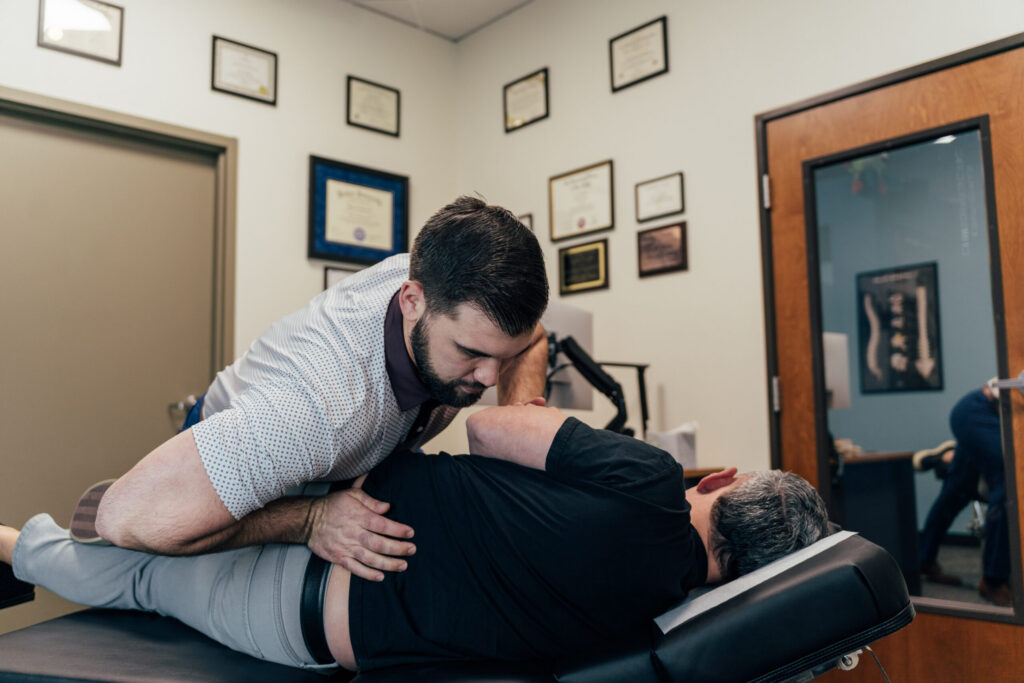

As a local chiropractor, I understand that navigating lower back pain can be overwhelming, especially when you're unsure about which treatments are effective. Many patients find that a combination of chiropractic care, physical therapy, and other alternative therapies can yield the best results for their pain relief. It's important to focus on specific chiropractic techniques that can help alleviate your discomfort and promote healing.
I also encourage you to consider incorporating lifestyle changes and holistic approaches into your recovery plan. Simple adjustments such as improving your posture, engaging in regular physical activity, and practicing stress-reducing techniques can significantly impact your overall well-being. By exploring the various treatment options available, including chiropractic adjustments, you may discover the path to the relief you're seeking. Remember, understanding how natural healing works is key to making informed decisions about your health.
Understanding Lower Back Pain
Lower back pain can be a burdensome issue that impacts not just your physical health, but your daily life and overall well-being. Many of my patients describe it as a heavy weight that makes everyday tasks feel daunting. Whether you're dealing with a dull ache or sharp, debilitating pain, it's essential to understand the underlying causes to manage it effectively.
As a chiropractor, I often see patients whose lower back pain stems from various factors, such as muscle or ligament strains, herniated discs, or conditions like arthritis. Poor posture, especially during long hours of sitting or when lifting heavy objects, can significantly worsen your discomfort.
Even simple actions, like bending down to pick something up, can lead to sudden pain if your back isn't properly supported.
Another vital aspect to consider is your lifestyle. A sedentary routine can weaken the muscles that support your spine, increasing your risk of injury. On the flip side, engaging in excessive exercise without proper technique can also cause strain. It's crucial to be mindful of your body and recognize when something doesn't feel right.
Identifying the specific area of your pain is key to understanding what might be going on. Is your discomfort localized, or does it radiate down your leg? This distinction can help me pinpoint different underlying issues.
You may also find that certain movements or positions—like standing up after sitting for a while—trigger your pain. Keeping a journal of your symptoms can be a helpful tool in tracking these triggers and patterns.
Ultimately, understanding lower back pain is about recognizing its complexities. As your chiropractor, I'm here to help you navigate this journey and find effective, natural relief. Together, we can explore treatment options that align with your body's needs and promote healing.
Physical Therapy Options
As your local chiropractor, I want to introduce you to some effective physical therapy options that can significantly improve your overall well-being.
One of the key components is strengthening exercises, which are designed to enhance your core stability and support your spine. Additionally, we often utilize manual therapy techniques, which can provide immediate relief from discomfort and tension.
Posture correction strategies play a crucial role as well; they not only alleviate current pain but also help prevent future issues.
Strengthening Exercises Benefits
As a local chiropractor, I want to shed light on the vital role that strengthening exercises can play in managing lower back pain. Many of my patients are often surprised to learn how incorporating these exercises into their daily routine can significantly enhance their overall strength, stability, and flexibility.
Here are three key benefits you can expect to experience:
- Improved Core Stability: Your core muscles are the foundation of your spine's support system. By focusing on strengthening these muscles, you can create a stable core that reduces strain on your lower back. This not only helps alleviate existing pain but also protects you from future injuries.
- Enhanced Flexibility: Engaging in targeted exercises can greatly increase the flexibility of your lower back and the surrounding muscle groups. When you improve your flexibility, you enhance your range of motion, which makes everyday activities—like bending, lifting, and even sitting—much easier and more comfortable.
- Reduced Pain and Discomfort: Regularly practicing strengthening exercises can lead to a noticeable decrease in the intensity and frequency of your lower back pain. As your muscles grow stronger, they provide better support for your spine, which can help prevent painful flare-ups.
Incorporating these exercises into your chiropractic care plan not only addresses your current discomfort but also lays the groundwork for lasting back health.
Remember, consistency is crucial. Stick with your routine, and take the time to celebrate your progress along the way!
If you have any questions or need guidance on how to get started, feel free to reach out. Together, we can work towards a healthier, pain-free future!
Manual Therapy Techniques
As a local chiropractor, I want to share how manual therapy techniques can significantly aid in your recovery from lower back pain. These hands-on treatments involve specialized practitioners, like myself, using precise movements to manipulate muscles and joints. Our goal is to alleviate pain and enhance your mobility.
There are various techniques we can employ, such as spinal manipulation, where I apply controlled force to your spine to restore alignment and function. Additionally, soft tissue mobilization focuses on relieving tension in tight muscles, promoting relaxation and stress relief.
Integrating manual therapy into your overall treatment plan can provide substantial benefits. Studies indicate that these techniques can help reduce pain, ease muscle tension, and improve your daily function. If you're dealing with persistent discomfort, collaborating with a chiropractor trained in these methods can lead to notable improvements in your well-being.
During your visits, I'll customize the treatment according to your unique needs, ensuring you receive the most effective care possible.
As you participate in these sessions, you may find yourself experiencing increased flexibility and a reduction in pain. It's essential to maintain open communication with me about your symptoms and progress; this feedback is invaluable as we refine your recovery approach.
Embracing manual therapy can be a vital element in managing your lower back pain naturally and effectively.
Posture Correction Strategies
As your local chiropractor, I want to emphasize the importance of maintaining good posture for preventing and alleviating lower back pain. Effective posture correction strategies can significantly enhance your overall health and well-being.
By being mindful of your body alignment during daily activities, you can relieve pressure on your spine and improve your comfort. Here are three posture correction strategies I encourage you to consider:
- Create an Ergonomic Workspace: It's crucial to set up your workspace in a way that supports your body. Ensure that your chair, desk, and computer screen are properly adjusted. Your feet should rest flat on the floor, your knees should be at a 90-degree angle, and your screen should be at eye level. This setup can help reduce strain on your back and promote healthier posture.
- Practice Mindful Sitting and Standing: Pay attention to how you sit and stand throughout the day. When sitting, keep your back straight and your shoulders relaxed. If you're standing, distribute your weight evenly on both feet and avoid locking your knees. Engaging your core muscles can also help you maintain stability and support your spine.
- Incorporate Stretching and Strengthening Exercises: It's beneficial to include stretches that enhance flexibility and strengthen your core muscles. Activities such as yoga or Pilates can be extremely helpful in improving your posture over time and alleviating back pain.
By implementing these strategies, you can take proactive steps toward better posture and a healthier spine.
Chiropractic Care Benefits
As a local chiropractor, I'm here to help you understand the many benefits of chiropractic care, especially when it comes to managing lower back pain. One of the key advantages of our practice is the emphasis on spinal alignment. Through specific adjustments, we work to correct any misalignments in your spine. This not only relieves pressure on your nerves but also alleviates pain, allowing you to regain mobility and improve your overall quality of life.
Our hands-on approach addresses discomfort while promoting better function throughout your entire body.
Chiropractic care is also unique in its holistic perspective. Rather than simply masking your symptoms, we strive to identify and treat the underlying issues that are causing your pain. To create a personalized treatment plan, we may recommend a combination of exercises, stretches, and lifestyle changes tailored specifically to your needs.
This comprehensive strategy empowers you to take an active role in your recovery journey.
In addition to pain relief, many of my patients experience improved posture as a result of chiropractic adjustments. Correct alignment can help you stand and sit with greater comfort, reducing the strain on your back during daily activities. You may find that this leads to enhanced mobility and a greater ability to participate in the physical activities you love.
Furthermore, chiropractic care can positively influence your mental well-being. As we work together to reduce pain and improve your overall function, many patients report experiencing a boost in their mood and a better quality of life.
Medication for Pain Relief
When it comes to managing lower back pain, understanding your options is essential for finding relief. As a chiropractor, I want to emphasize the importance of a holistic approach to pain management, which often includes medication as a part of the plan.
You might be familiar with over-the-counter pain relievers, which can provide temporary relief, but I encourage you to consider the benefits of chiropractic care and natural healing methods as well.
Chiropractic adjustments can help alleviate pain by addressing the underlying issues in your spine and improving overall function. In addition to adjustments, we can explore other natural therapies, such as physical therapy, massage, and exercise, which can complement any medication you may take.
It's important to remember that while medication can be effective for short-term relief, addressing the root cause of your pain through chiropractic care can lead to longer-lasting results.
Let's work together to find a treatment plan that incorporates both medication and natural healing methods to help you achieve optimal wellbeing.
Over-the-Counter Options
As a local chiropractor, I often see patients seeking relief from lower back pain, and many are surprised to learn about the effectiveness of over-the-counter (OTC) medications in managing their discomfort.
These options can provide quick relief and are readily available without a prescription. Here are three commonly used OTC medications that I recommend considering:
- Ibuprofen – This nonsteroidal anti-inflammatory drug (NSAID) is excellent for reducing inflammation, which is often a contributing factor to lower back pain. If you're experiencing swelling along with your discomfort, ibuprofen can be particularly beneficial.
- Acetaminophen – For those who prefer a pain reliever that's easier on the stomach, acetaminophen is a great alternative. While it effectively alleviates pain, it's important to note that it doesn't have the anti-inflammatory effects that NSAIDs like ibuprofen do.
- Naproxen – Another effective NSAID, naproxen tends to provide longer-lasting relief than ibuprofen, making it an excellent option for managing ongoing pain. If you find that your discomfort is persistent, naproxen can be a reliable choice.
While OTC medications can be helpful, it's essential to read the labels carefully and adhere to the recommended dosages.
However, if your pain continues or intensifies, I encourage you to reach out to a healthcare professional, such as myself, for a comprehensive evaluation.
Chiropractic care, combined with natural healing techniques, can address the underlying issues causing your pain.
Prescription Medications Overview
As a local chiropractor, I understand that managing lower back pain can be challenging, especially if over-the-counter (OTC) options aren't providing the relief you need. While some individuals may consider prescription medications, I want to share how chiropractic care and natural healing approaches can effectively address your discomfort.
First, it's essential to recognize that persistent or severe pain doesn't always require stronger medications. Chiropractic adjustments can help realign the spine and improve mobility, addressing the root cause of your pain rather than just masking it. This approach can reduce inflammation and alleviate pain naturally without the need for NSAIDs or other drugs.
If muscle spasms accompany your discomfort, chiropractic techniques like myofascial release or targeted stretching can help ease tension and promote relaxation in the affected muscles. These methods can provide significant relief and enhance your overall movement.
In some cases, people may think about opioids for short-term pain management. However, due to the risks associated with dependency and side effects, I encourage exploring holistic options first. Techniques such as spinal manipulation, therapeutic exercises, and lifestyle adjustments can be effective alternatives to consider.
Additionally, some patients may benefit from incorporating nutritional support and stress management techniques, which can aid in reducing chronic pain. These strategies target overall wellness and may help alleviate nerve-related issues without the need for antidepressants or anticonvulsants.
Before starting any new treatment, it's crucial to discuss your symptoms and medical history with a healthcare provider. I'm here to help guide you through the benefits of chiropractic care, ensuring you find the right approach to manage your lower back pain naturally.
Alternative Pain Relief Methods
As a local chiropractor, I want to share with you some alternative methods for relieving lower back discomfort that go beyond conventional medications.
These holistic approaches focus on enhancing both your physical and mental well-being, and many of my patients have experienced significant relief by integrating these practices into their daily lives.
Let's explore three effective alternative pain relief methods:
1. Acupuncture: This time-honored technique involves the careful insertion of thin needles at specific points on the body.
Numerous individuals have reported a decrease in pain and an increase in mobility after undergoing several acupuncture sessions. It can be a wonderful complement to chiropractic care.
2. Yoga: Incorporating gentle yoga into your routine can greatly improve flexibility and strengthen the core muscles that support your lower back.
Moreover, the mindfulness practiced in yoga can help alleviate stress, a common factor that can exacerbate pain.
3. Chiropractic Care: Regular visits to my office can help realign your spine and enhance your overall mobility.
Many patients find chiropractic adjustments to be a highly effective hands-on therapy for alleviating back pain, allowing them to live more comfortably and actively.
Alternative Therapies Overview
As a local chiropractor, I often see patients seeking relief from lower back pain, and I want to share how alternative therapies can provide effective options beyond traditional medicine. These therapies take a holistic approach, addressing both the physical and emotional aspects of pain.
One of the most effective treatments I offer is chiropractic adjustments. This involves realigning the spine to improve mobility and alleviate discomfort. Misalignments in your spine can contribute significantly to lower back pain, and through gentle adjustments, I can help restore balance to your body.
In addition to chiropractic care, acupuncture is another option worth considering. This technique involves inserting thin needles into specific points on the body to stimulate healing and reduce pain. Many of my patients have reported significant improvements in their discomfort after just a few sessions.
Massage therapy is also beneficial for managing lower back pain. It helps to relax tight muscles, improve circulation, and relieve tension. Techniques like deep tissue or trigger point massage can specifically target areas of pain, offering you much-needed relief.
I also encourage exploring herbal remedies and supplements. Certain herbs, such as turmeric and ginger, have natural anti-inflammatory properties that may help alleviate pain. However, it's crucial to consult with a healthcare provider before starting any new supplements to ensure they're safe for your health.
Finally, incorporating mindfulness practices like yoga and meditation can greatly enhance your overall well-being. These practices promote relaxation and can help you develop better coping strategies for managing pain.
Exercise and Stretching
As a local chiropractor, I want to share how incorporating exercise and stretching into your daily routine can play a significant role in managing lower back pain. Engaging in physical activity not only strengthens the muscles that support your spine but also enhances flexibility and reduces tension.
It's essential to focus on exercises and stretches that are tailored to your individual needs and abilities.
Let me introduce you to three effective exercises and stretches that can make a difference:
- Cat-Cow Stretch: Begin on your hands and knees in a tabletop position. As you inhale, arch your back and let your belly drop while looking upward (this is the Cow position). On your exhale, round your back and tuck your chin towards your chest (this is the Cat position). Aim to repeat this sequence for 5-10 cycles to promote spinal mobility.
- Child's Pose: Kneel on the floor, sit back on your heels, and stretch your arms forward in front of you. Lower your torso toward the ground, allowing a gentle stretch in your lower back. This position should be held for 20-30 seconds while you take deep breaths, helping to release tension.
- Pelvic Tilts: Lie on your back with your knees bent and feet flat on the floor. Engage your abdominal muscles and gently press your lower back into the ground. Hold this position for a few seconds before relaxing. Aim to repeat this exercise 10-15 times to help strengthen your core muscles.
Incorporating these exercises and stretches into your daily routine can significantly help alleviate lower back pain over time.
However, it's crucial to listen to your body and consult with a healthcare professional, like myself, before starting any new exercise program. This ensures that you choose the right activities for your specific condition and promotes your overall well-being.
Heat and Cold Therapy
As a local chiropractor dedicated to helping you manage your lower back pain, I want to share some effective methods that go hand-in-hand with exercise and stretching—namely, heat and cold therapy. These natural approaches can play a significant role in reducing inflammation and enhancing blood flow, ultimately easing your discomfort and improving mobility.
Let's start with heat therapy. Using warm baths, heating pads, or hot towels can work wonders for relaxing tight muscles and boosting circulation. If you're dealing with stiffness or chronic pain, applying heat for 15-20 minutes can provide quick relief.
However, it's crucial to be mindful of the duration—using heat for too long may lead to burns or exacerbate inflammation.
On the flip side, cold therapy is invaluable for minimizing swelling and numbing sharp pain. Ice packs or cold compresses are particularly beneficial immediately following an injury or during a flare-up. Applying cold for about 15-20 minutes can help constrict blood vessels and reduce inflammation.
Just a quick reminder: always wrap your ice packs in a cloth or towel to protect your skin from frostbite.
Listening to your body is key when using these therapies. If you find heat soothing, feel free to use it; likewise, if cold provides more comfort, stick with that. Many patients discover that alternating between heat and cold yields the best results for pain management.
By incorporating these therapies into your routine, alongside your exercise and stretching, you can take significant steps toward regaining control over your lower back pain and enhancing your overall well-being.
Lifestyle Modifications
As a local chiropractor, I want to emphasize how making simple lifestyle modifications can significantly alleviate your lower back pain. By integrating regular exercise into your routine, focusing on maintaining good posture, and managing your weight, you can improve your overall health and find relief from discomfort.
Let's dive deeper into these strategies. Regular exercise helps strengthen the muscles that support your spine, promoting better alignment and flexibility.
Additionally, paying attention to your posture—whether sitting, standing, or lifting—can prevent unnecessary strain on your back.
Lastly, maintaining a healthy weight reduces pressure on the spine, which can lead to less pain and greater mobility.
By adopting these natural healing practices, you'll not only feel better but also enhance your ability to move freely.
I'm here to guide you through these changes and support your journey to better health.
Exercise and Physical Activity
As a local Chiropractor, I want to emphasize that while many individuals often look for quick solutions to lower back pain, integrating exercise and physical activity into your everyday life can be one of the most effective long-term approaches to finding relief.
Regular movement not only strengthens your muscles but also enhances flexibility and helps you maintain a healthy weight—all of which can significantly reduce discomfort.
Here are three types of exercises I recommend incorporating into your routine:
- Stretching: Engaging in gentle stretches can alleviate tension in your back muscles and enhance flexibility. Pay special attention to areas that may feel tight, such as your hamstrings and hip flexors. This can make a notable difference in your overall mobility and comfort.
- Strengthening: Focus on exercises that target your core, like planks and bridges. Strengthening these essential muscles provides better support for your spine, which can help minimize strain on your back during daily activities. A strong core is crucial for maintaining proper posture and alignment.
- Low-impact aerobics: Activities such as walking, swimming, or cycling are excellent options for elevating your heart rate without overexerting your back. Aim for at least 150 minutes of moderate aerobic activity each week to keep your body healthy and your back pain at bay.
By incorporating these practices into your lifestyle, you can promote healing and improve your overall well-being.
Posture and Ergonomics
As your local chiropractor, I want to emphasize the importance of posture and ergonomics in reducing strain on your lower back during everyday activities.
It's essential to start by assessing your workspace. Ensure that your chair provides adequate support for your lower back and that your feet can rest flat on the floor. Your knees should be positioned at or slightly below hip level to promote proper alignment.
If you're working at a desk, it's crucial to position your computer screen at eye level. This simple adjustment can prevent slouching and the associated discomfort. When seated, keep your shoulders relaxed and resist the urge to lean forward.
If your job requires extended periods of sitting, remember to take regular breaks. Stand up, stretch, and walk around to encourage healthy blood circulation and alleviate stiffness.
When it comes to lifting objects, always bend your knees instead of your back. It's important to keep the load close to your body and engage your leg muscles for lifting, which protects your back from injury.
At home, be conscious of your posture while watching TV or using your phone. Consider using cushions or supportive chairs to maintain the natural alignment of your spine.
Weight Management Strategies
As a local chiropractor, I often emphasize the importance of effective weight management strategies not just for overall health, but specifically for alleviating lower back pain. Maintaining a healthy weight can significantly reduce the strain on your spine, leading to improved mobility and less discomfort.
Here are three key strategies I recommend to my patients who are looking to manage their weight naturally:
1. Balanced Diet: It's essential to focus on a diet rich in whole foods. Incorporating plenty of fruits, vegetables, lean proteins, and whole grains can make a significant difference.
I advise my patients to steer clear of processed foods and sugary beverages, as these can contribute to weight gain and exacerbate back pain.
2. Regular Exercise: Engaging in physical activity is crucial. I recommend aiming for at least 150 minutes of moderate aerobic exercise each week.
Activities such as walking, swimming, or cycling not only help burn calories but also strengthen the core muscles that provide support to your lower back, making it easier for you to move freely and comfortably.
3. Mindful Eating: Developing a mindful approach to eating can greatly benefit your weight management efforts.
I encourage my patients to listen to their hunger signals and eat slowly. This helps you become more aware of when you're satisfied, which can prevent overeating and foster a healthier relationship with food.
Mindfulness and Relaxation Techniques
As a local chiropractor, I want to share with you some valuable insights on how mindfulness and relaxation techniques can be instrumental in managing lower back pain. Many patients may not realize that incorporating these practices into your daily routine can lead to a significant reduction in stress and tension, which are often contributing factors to your discomfort.
Mindfulness is all about bringing your attention to the present moment. This heightened awareness of your body and your pain, without judgment, can be incredibly beneficial. One powerful mindfulness practice is deep breathing. By taking slow, deep breaths, you can activate your body's natural relaxation response. This response helps reduce muscle tension, promoting a sense of calm that can alleviate pain.
I recommend inhaling deeply through your nose, holding for a few seconds, and then exhaling slowly through your mouth. You can repeat this several times whenever you feel discomfort.
Another effective technique is progressive muscle relaxation. This method involves systematically tensing and then relaxing different muscle groups, starting from your toes and moving all the way up to your head. By doing this, you can identify areas of tension within your body and consciously release them, which may help ease some of your back pain.
Meditation is another practice I encourage you to explore. It can help you develop a non-reactive awareness of your pain, allowing you to emotionally detach from it. Even dedicating just a few minutes each day to meditation can significantly change how you perceive and cope with discomfort.
When to Seek Medical Advice
As a local chiropractor dedicated to promoting natural healing and overall wellness, I want to emphasize the importance of recognizing when it's time to seek medical advice for lower back pain.
While many instances of discomfort can often be managed through chiropractic care and home remedies, there are specific signs that indicate the need for professional evaluation. Ignoring these signs can lead to more significant health issues down the line.
Here are three crucial situations in which you should consider consulting a healthcare professional:
- Persistent Pain: If your lower back pain lingers for more than a few weeks or becomes increasingly severe, it's time to reach out for help. Chronic pain may suggest underlying conditions that require more focused treatment. In such cases, chiropractic adjustments can play a vital role in your recovery.
- Numbness or Tingling: Experiencing numbness, tingling, or weakness in your legs or feet is a signal that shouldn't be overlooked. These symptoms could indicate nerve compression or other serious issues that may benefit from chiropractic intervention. A thorough assessment can help identify the root cause and guide you toward appropriate care.
- Loss of Bowel or Bladder Control: This is a medical emergency. If you find yourself unable to control your bowel or bladder functions, it's crucial to seek immediate help. This symptom could indicate cauda equina syndrome, a rare but serious condition that requires urgent attention.
While chiropractic care can support many conditions, this specific situation necessitates immediate medical evaluation.
As your chiropractor, I'm here to support your journey toward healing and wellness. If you're experiencing any of these symptoms, please don't hesitate to reach out for guidance and care. Your health is our priority!
Conclusion
As a local chiropractor, I want to share with you some effective and natural treatments for managing lower back pain. Many people are unaware of the benefits of chiropractic care, which focuses on the alignment of the spine and its impact on overall health. Through gentle adjustments and physical therapy techniques, we can help alleviate your pain and promote healing.
In addition to chiropractic adjustments, I encourage you to consider integrating medication and alternative therapies into your pain management plan. This holistic approach can significantly enhance your recovery. It's also crucial to adopt lifestyle changes, such as improving your posture and incorporating regular exercise, as well as practicing mindfulness techniques like meditation to support your healing journey.
If you've been struggling with persistent or worsening pain, I urge you to reach out for professional guidance. Together, we can take proactive steps toward achieving a healthier and pain-free future. Remember, your well-being is my priority, and I'm here to help you every step of the way.