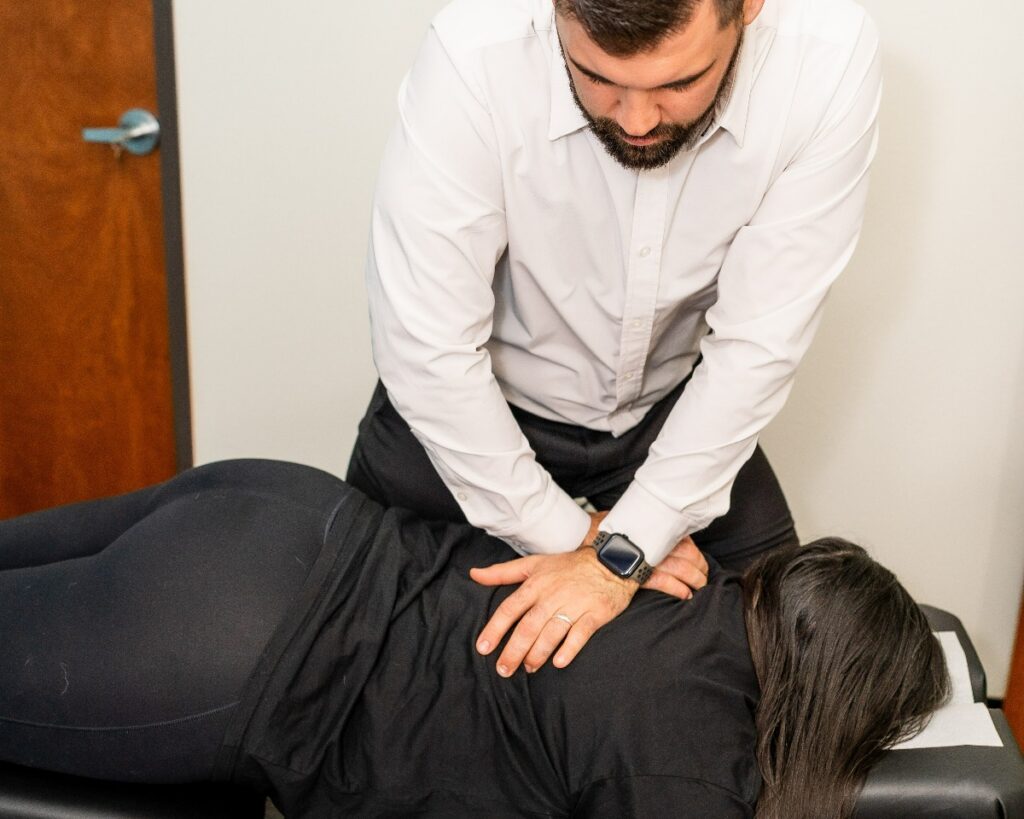

As a local chiropractor, I want to emphasize the importance of safety and well-being for your little ones, especially during their crucial developmental stages. Ensuring that infants and toddlers have a safe environment is essential, and this goes beyond just the usual childproofing measures. It involves being mindful of their physical health as well. For instance, proper sleep positions are vital not only for safety but also for spinal health.
Additionally, it's important to consider how you supervise them during playtime. Engaging in activities that promote healthy movement can prevent injuries and support their physical development. Nutrition plays a key role as well; a balanced diet helps in building strong bones and muscles, which is foundational for their growth.
Moreover, the types of toys they interact with should encourage safe play and not pose any risk to their physical well-being. By integrating these considerations into your daily routine, you can create a nurturing environment that fosters their growth and ensures their safety.
Let's delve deeper into how chiropractic care can support your child's health and development. What specific areas of their well-being are you curious about?
Safe Sleep Practices
As a chiropractor, I understand the importance of a healthy sleep environment for your infant or toddler's overall well-being. Safe sleep practices play a vital role in ensuring that your child gets the restorative sleep they need while minimizing the risk of sleep-related accidents. One of the most fundamental recommendations I can offer is to always place your baby on their back to sleep. This position significantly decreases the risk of sudden infant death syndrome (SIDS).
When setting up your child's sleep space, opt for a crib or bassinet that adheres to current safety standards. It's crucial to use a firm mattress with a fitted sheet and to keep the area free from soft bedding, including pillows, blankets, or bumper pads, as these can pose suffocation hazards.
If you're considering co-sleeping, I suggest using a separate sleep surface like a bedside sleeper. This allows you to stay close while ensuring a safe sleeping environment for your little one.
Temperature regulation is another important factor. Dress your baby in light sleep clothing and maintain a comfortable room temperature, ideally between 68°F and 72°F. Overheating can elevate the risk of SIDS, so it's essential to monitor your child's comfort level.
Additionally, establishing a consistent bedtime routine can aid your child in recognizing when it's time to wind down. Simple activities such as reading a book or singing a lullaby can be beneficial.
By following these safe sleep practices, you not only promote healthy sleep habits but also create an environment conducive to your child's growth and development.
Prioritizing their safety will give you peace of mind as they rest, allowing you to focus on their health and well-being. As a chiropractor, I'm here to support you in fostering a holistic approach to your child's health, understanding that quality sleep is a critical component.
Childproofing Your Home
As a local chiropractor, I want to emphasize the importance of creating a safe environment for your little ones, not just for their physical safety but also to promote overall well-being.
Securing furniture and appliances that could tip over is essential to prevent accidents that may lead to injuries, which can affect their developing spine and nervous system.
Additionally, installing safety gates is a proactive measure to keep children away from stairs and other potentially hazardous areas, reducing the risk of falls that could cause misalignments or other issues requiring chiropractic care.
Secure Furniture and Appliances
As a local chiropractor, I want to emphasize the importance of creating a safe and supportive environment for your little ones, not only for their physical safety but also for their overall well-being.
Ensuring that your home is secure can prevent accidents that might lead to injuries, which could affect their developing spines and overall health. Here are three essential steps to help you achieve a safer home for your children:
1. Anchor Heavy Furniture: Just as we focus on stability and alignment in chiropractic care, it's crucial to secure heavy furniture such as bookshelves and dressers.
By using anti-tip straps or brackets to anchor them to the wall, you can prevent potential tipping hazards when your child climbs or pulls on them, thus reducing the risk of injury.
2. Stabilize Appliances: Heavy appliances, like televisions and microwaves, should always be placed on low, stable surfaces.
To enhance safety, consider using appliance straps to secure these devices. This not only prevents accidents but also promotes a safer environment, allowing your children to explore without fear of heavy objects tipping over.
3. Hide Cords: Just as we advise keeping a clutter-free space for better alignment and movement, it's vital to manage electrical cords as well.
Using cord covers or clips to keep cords out of reach can help prevent tripping hazards and protect curious little fingers, contributing to a safer and more organized home environment.
By taking these measures, you ensure a safe space where your children can grow, learn, and thrive, while also promoting their physical health and well-being.
Install Safety Gates
As a local chiropractor, I want to emphasize the importance of creating a safe environment for your little ones as they grow and explore. Just as we focus on ensuring proper alignment and balance in the body, childproofing your home with safety gates is a crucial step in maintaining a safe space for your children. These gates serve as protective barriers against potential hazards, much like how we protect the spine from injury.
When selecting safety gates, prioritize sturdy options that adhere to safety standards, similar to how we choose natural healing methods that are effective and safe for your body. Look for gates that are easy for adults to operate but designed to be challenging for small hands to open, ensuring that your child remains safe while they learn and grow.
For optimal safety, install gates at the top and bottom of stairs to prevent falls, much like how we advise on preventing physical strain during activities. Ensure that gates are securely mounted to the wall; while pressure-mounted gates are suitable for doorways, they may not provide the same level of security on stairs. If your gate features a swinging door, ensure it swings away from the stairs to minimize risk.
Regular maintenance is key; just as we check for any misalignments in the spine, periodically inspect your gates for wear and tear. Hardware can loosen over time, so it's important to tighten screws and hinges as needed.
Additionally, be mindful of your child's growth and development. As they become more mobile and adventurous, reassessing your safety measures becomes essential.
Supervision Guidelines
As a local chiropractor, I want to emphasize the importance of maintaining a safe and supportive environment for your little ones, especially when it comes to their physical health and well-being.
Just like infants and toddlers need constant supervision to explore their surroundings safely, their bodies require attentive care to thrive.
Creating a nurturing space for your children allows them to move freely and develop their motor skills without unnecessary risks.
It's also essential to be prepared for any potential issues that may arise, whether it's a minor injury or discomfort. By staying informed and proactive about their health, you can ensure a secure and supportive environment for their growth.
As you explore the world of chiropractic care, remember that natural healing methods can play a significant role in your child's overall wellness.
By focusing on the body's natural ability to heal and adapt, you can promote a healthy foundation for their future.
Let's work together to foster a safe, healthy, and thriving environment for your family!
Constant Vigilance Required
Ensuring Your Child's Safety and Well-being: A Chiropractor's Perspective
As a chiropractor, I understand the importance of maintaining a safe and healthy environment for your infants and toddlers. Just as we prioritize spinal health and overall wellness, constant vigilance is essential to protect your little ones from potential hazards in their environment.
Here are three key practices to ensure their safety while promoting a healthy lifestyle:
- Stay Within Arm's Reach: Much like how we encourage parents to stay close during chiropractic adjustments for their child's comfort, it's crucial to keep your young ones nearby, especially in spaces where they could encounter dangers. This proximity allows you to intervene swiftly should they venture into risky areas, just as you'd support their physical well-being.
- Designate Safe Zones: While it's vital to supervise your child, consider creating specific areas in your home where they can play safely without continuous oversight. Think of these zones as nurturing spaces, similar to how we create a comfortable atmosphere in the chiropractic clinic. However, always remain aware of any potential risks in these areas to ensure their safety and health.
- Limit Distractions: When supervising your child, much like when focusing on your own health during an appointment, it's important to minimize distractions such as phones or television. Providing your full attention is essential to recognize any signs of trouble, whether it's a risky climb or an object they might swallow, just as you'd notice changes in your body's alignment or posture.
Being vigilant doesn't mean sacrificing enjoyment during your time together. It simply involves being proactive about their safety, much like how we advocate for proactive health measures in chiropractic care.
Safe Play Areas
As a local chiropractor, I want to emphasize the importance of creating safe play areas for your infants and toddlers to support their natural development and overall well-being.
When designing these spaces, it's crucial to plan carefully and supervise closely to prevent injuries that could affect their alignment and mobility.
First, select a designated area where your little ones can explore freely without the risk of harm.
Ensure this space is clear of sharp objects, small items that could pose a choking hazard, and tripping hazards like loose rugs or cords that could lead to falls, which could potentially misalign their spine.
Always keep a watchful eye on your children while they play.
Being within arm's reach during climbing or jumping activities is essential to prevent falls that could lead to discomfort or injury.
Setting clear boundaries for off-limits areas helps maintain a safe environment, reinforcing the importance of safety as they learn to navigate their surroundings.
Consider using child-proof gates to restrict access to stairs and other unsafe zones that could pose risks to their developing bodies.
If your play area extends outdoors, regularly inspect it for debris or harmful plants that could cause injury.
As your child grows and their play patterns change, continually assess the play area for new hazards that may arise.
Rotating toys and activities not only keeps them engaged but also ensures that everything remains safe and conducive to healthy movement.
#
Emergency Preparedness
Steps
As a local chiropractor, I want to emphasize the importance of being prepared for emergencies, not just in your physical space but also in your overall health and wellness. Life can be unpredictable, and having a plan can significantly impact your well-being. Here are three essential steps to keep in mind:
1. Know Your Health Contacts: Keep a list of important health contacts readily available. This should include your chiropractor, family doctors, and any other health practitioners you trust.
Ensure that these numbers are saved on your phone, and consider keeping a printed copy in a visible place at home for quick access.
2. Create a Health and Wellness Kit: Assemble a kit that includes essential health items. This can encompass first aid supplies, any necessary medications, and perhaps a few natural remedies or supplements that support your overall health.
If you have specific needs, such as dietary restrictions or chronic pain management items, make sure to include those as well. Regularly check and update this kit to ensure everything is current.
3. Practice Health Awareness: Regularly discuss and rehearse what to do in various health-related emergencies with your family. Use straightforward language and role-play different scenarios, such as how to manage sudden aches or injuries.
This practice not only empowers you and your loved ones but also fosters a sense of security in knowing how to respond effectively.
Safe Feeding Techniques
As a local chiropractor, I understand the importance of nurturing not just the body but also the foundational habits that contribute to overall health, including safe feeding techniques for infants and toddlers. Proper nutrition is vital for their development, and ensuring that they eat safely can prevent potential hazards such as choking.
First and foremost, it's crucial to supervise your child during mealtime. By being present, you can observe their eating habits and take action if necessary to prevent any accidents.
When introducing solid foods, it's important to select age-appropriate options and pay close attention to their texture. For younger infants, start with pureed foods and gradually transition to mashed and soft pieces as they develop their chewing abilities.
To minimize choking risks, cut food into small, manageable pieces—roughly the size of a pea—for toddlers. Avoid round, hard, or sticky foods, such as whole grapes, nuts, or popcorn. Instead, focus on softer options like ripe fruits, well-cooked vegetables, or small bites of cheese.
Also, encourage your child to sit upright while eating. This position not only aids in digestion but also significantly reduces the risk of choking.
Establishing a consistent mealtime routine is beneficial as it helps children feel secure and recognize that mealtimes are dedicated periods for focused eating. To cultivate healthy eating habits, limit distractions—like screens or toys—during meals. Encourage your little one to chew their food thoroughly and to take smaller bites.
Lastly, be patient and attentive to your child's hunger cues. If they appear full or uninterested, avoid forcing them to eat. Instead, present a variety of healthy options at each meal.
## Emergency Preparedness
When it comes to the health and well-being of your little ones, being prepared for emergencies is just as crucial as ensuring they receive proper chiropractic care. Unexpected situations, whether related to health or environmental factors, can arise at any time, and your readiness can significantly impact your child's safety and comfort.
Here are three key steps to help you prepare:
1. Develop an Emergency Health Plan: As a chiropractor, I encourage families to create a clear health plan for emergencies. This should include steps to take for common health issues, such as how to manage a back injury or what to do if your child experiences discomfort.
Make sure that everyone involved in your child's care, including caregivers and family members, understands the plan and how chiropractic care can play a role in maintaining their health.
2. Gather a Holistic Emergency Kit: Assemble a kit that not only includes conventional supplies but also holistic health items. Consider adding natural remedies, such as arnica gel for bruising, essential oils for calming, and other chiropractic-related tools like a small foam roller or resistance bands.
Tailor the kit to your child's specific health needs and keep it easily accessible for quick response during an emergency.
3. Stay Educated and Informed: Knowledge is power, especially when it comes to health. Stay informed about local health resources and services, including chiropractic clinics and wellness workshops.
Sign up for community health alerts and engage with local practitioners who can provide insight into natural healing methods. Being informed will help you make quick and effective decisions regarding your child's health and well-being.
Safe Play Environments
Creating a secure environment for your children to play is just as vital as having a solid emergency plan in place, especially when considering their overall health and well-being.
As a chiropractor, I understand the importance of safety in promoting healthy growth and development for your little ones. When setting up a play area, prioritize safety to prevent injuries that can affect their physical health in the long run.
Start by selecting a designated play space, whether it's a specific room or a corner of your living area, and remove any potential hazards. Keep sharp objects, small items, and choking hazards out of reach. A clutter-free environment not only reduces tripping risks but also encourages your child to move freely, which is essential for their physical development.
Using soft, cushioned surfaces like foam mats or carpets is crucial to minimize injury from falls. As a chiropractor, I often see the effects of improper surfaces on children's developing bodies. Ensure any furniture in the play area is stable and free from sharp edges to further reduce the risk of injury.
When it comes to toys, choose age-appropriate ones that comply with safety standards. Regularly inspect these toys for wear and tear, and discard any that are damaged. Engaging with your children during playtime not only fosters bonding but also teaches them how to use toys safely, helping them develop an understanding of boundaries and safe behaviors.
If your little ones are playing outdoors, ensure the play area is fenced and that you monitor them closely. Outdoor play is essential for physical health, but safety should always come first. Consider using safety gates to restrict access to stairs or other dangerous areas in your home.
Finally, establishing a routine for clean-up can help maintain a tidy space and instill a sense of responsibility in your children.
Vehicle Safety Measures
As a local chiropractor, I want to emphasize the importance of safety, especially when it comes to your child's well-being in a vehicle. Just as we prioritize spinal health and overall wellness through natural healing, it's crucial to ensure your little one is secure while traveling.
Here are some essential vehicle safety measures to keep in mind:
- Choose the Right Car Seat: Selecting a car seat that fits your child's age, weight, and height is fundamental. Infants should be placed in rear-facing car seats until they exceed the recommended limits. As your child grows into toddlerhood, transitioning to a forward-facing seat is necessary. It's vital that the seat is installed properly to provide maximum protection.
- Buckle Up Every Time: This may seem like a no-brainer, but it's critical to buckle your child in every time you drive. Even short trips can result in unforeseen incidents. Ensure the harness is snug and secure, and avoid placing it over bulky clothing, as this could compromise the safety and effectiveness of the harness.
- Minimize Distractions: Just as we focus on maintaining a healthy spine free from unnecessary stressors, it's important to keep your attention on the road. Distractions, like a crying child or a ringing phone, can lead to dangerous situations. If you need to address your child's needs, safely pull over before doing so to ensure everyone's safety.
By following these vehicle safety measures, you not only protect your child's physical well-being but also contribute to their overall health and wellness.
Health and Hygiene Tips
As a local chiropractor, I want to emphasize the importance of maintaining good health and hygiene habits for your infant or toddler, as it lays the groundwork for a healthy lifestyle.
Let's start with a fundamental practice: handwashing. It's crucial to wash your hands frequently, especially before feeding your little one or after changing diapers. I encourage you to make this a fun experience for your toddler—using songs or games can help instill the habit early on.
Next, let's discuss oral hygiene. Even before your child has their first teeth, it's beneficial to wipe their gums with a clean, damp cloth following feedings. Once those precious teeth appear, brushing them twice a day with a fluoride-free toothpaste can help develop healthy habits and a strong foundation for their oral health.
Consistency is key, especially when it comes to bath time. Bathing your child a few times a week isn't only essential for removing dirt and bacteria but also for promoting healthy skin. Opt for mild, fragrance-free soap, and ensure you dry their skin thoroughly afterward, particularly in the creases, to prevent any rashes.
Creating a clean environment is also vital. Regularly disinfect toys and surfaces that your child frequently touches. Don't overlook high-touch areas such as doorknobs and light switches, as these can harbor germs that affect your child's wellness.
Lastly, nutrition plays a significant role in your child's overall health. Offer a variety of nutritious foods and ensure they stay hydrated. Fresh fruits, vegetables, and whole grains are excellent choices that support their growth and development.
As a chiropractor, I believe that these foundational health habits complement our approach to natural healing and wellness. By integrating good hygiene and nutrition, you can help ensure your child's body is well-prepared for a healthy future.
Conclusion
As a local chiropractor, I want to emphasize the importance of creating a safe environment for your infants and toddlers, which is essential for their overall well-being and development. One key aspect to focus on is safe sleep practices. Ensuring that your little ones sleep in a safe position can greatly reduce the risk of sleep-related issues.
Additionally, childproofing your home is crucial. Removing hazards and creating a secure space allows your children to explore safely, which is vital for their physical development. Close supervision is also necessary, as it helps prevent accidents and injuries.
When it comes to feeding, using age-appropriate methods is important. This ensures that your child receives the right nutrition while minimizing the risk of choking. Emergency preparedness should not be overlooked, as being ready for unexpected situations can keep your family safe.
Creating safe play areas encourages physical activity and social interaction, both of which are essential for healthy growth. Vehicle safety is another critical consideration—always ensure your child is properly secured in a car seat when traveling.
Finally, maintaining good health and hygiene practices is essential for preventing illness and promoting overall wellness. By staying informed and proactive, you can lay a solid foundation for a healthy and happy childhood, all while embracing the principles of natural healing that chiropractic care offers.