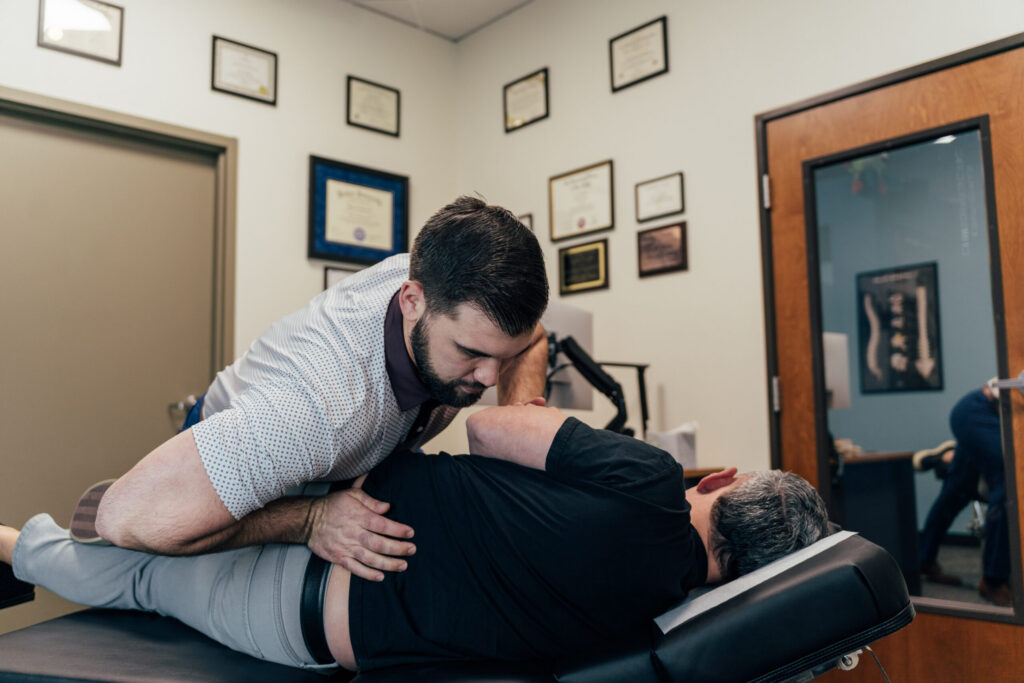

As a local chiropractor dedicated to helping our community, I want to share how chiropractic care can be a valuable resource for those struggling with pain. Many people may not be familiar with the range of techniques we use, all of which are tailored to meet your individual needs. From spinal adjustments to nutritional counseling, each method is designed to help manage discomfort and enhance your overall well-being. Are you curious about the specific approaches we take? Let’s delve into the ten ways we address pain management through chiropractic care.
Spinal Adjustments
As a local chiropractor, I want to share with you the vital role spinal adjustments play in your overall health and well-being. Many people are unfamiliar with chiropractic care, but it’s a natural healing approach that can help restore proper alignment and function to your spine.
When your spine is out of alignment, it can lead to discomfort and pain, which can significantly impact your daily life. Receiving spinal adjustments is a powerful way to alleviate pressure on your nerves, reduce inflammation, and enhance your mobility.
I utilize various techniques specifically tailored to meet your individual needs, ensuring that each adjustment is both safe and effective. Many patients experience immediate relief following an adjustment, as the body often responds positively to realignment.
Incorporating regular chiropractic visits into your routine can’t only relieve current discomfort but also help prevent future issues, allowing you to maintain a healthy and functional spine. You don’t need to live with pain—spinal adjustments can be an essential part of your pain management strategy.
By prioritizing your spinal health, you’re taking a proactive step towards leading a more active and fulfilling life. I encourage you to consider chiropractic care as a natural way to enhance your well-being and reduce discomfort.
Together, we can work towards a healthier you!
Soft Tissue Therapy
As a local chiropractor, I want to share how soft tissue therapy can be a transformative aspect of your recovery if you’re experiencing pain or tension in your muscles. This treatment is designed to relieve tightness and enhance circulation in your muscles, tendons, and ligaments, which can significantly improve your overall well-being.
Soft tissue therapy employs various techniques, such as massage, myofascial release, and trigger point therapy, tailored to address your specific pain points. By focusing on the underlying soft tissue issues, we can effectively reduce inflammation, improve your mobility, and alleviate discomfort. Many of my patients notice an enhanced range of motion and a reduction in muscle stiffness after just a few sessions.
Moreover, soft tissue therapy works hand-in-hand with spinal adjustments, allowing your body to heal more efficiently. It empowers you to take an active role in managing your pain and promotes a quicker return to your everyday activities.
Exercise and Rehabilitation Programs
As a local chiropractor, I want to share how personalized exercise plans can play a crucial role in managing pain and enhancing your recovery.
Many people may not realize that these tailored plans can include specific strength-building and flexibility exercises designed to meet your unique needs.
By integrating these exercises into your daily routine, you’re not only improving your overall well-being but also complementing the chiropractic treatments I provide.
This holistic approach can significantly support your journey toward better health and natural healing.
Personalized Exercise Plans
As your local chiropractor, I want to emphasize the importance of a personalized exercise plan in enhancing your rehabilitation and managing pain effectively. When you come to see me, my first step is to thoroughly assess your unique needs, considering factors such as your specific injury, current fitness level, and lifestyle.
This comprehensive evaluation allows me to create a tailored exercise regimen that not only targets pain relief but also promotes healing and restores function.
Your personalized plan may include a combination of low-impact exercises, gentle stretches, and mobility drills specifically designed to improve your range of motion. It’s essential to engage in activities that feel both manageable and effective, and I’ll be here to guide you every step of the way.
Regularly monitoring your progress will enable us to make any necessary adjustments to ensure you’re getting the most benefit from your program.
This individualized approach empowers you to take an active role in your recovery while minimizing discomfort. Ultimately, it lays the groundwork for long-term wellness, helping you build a stronger and healthier body.
Strengthening and Flexibility Workouts
Incorporating strengthening and flexibility workouts into your rehabilitation program can significantly enhance your recovery process. As a chiropractor, I want to emphasize that these exercises are designed to build muscle support around your joints, which can help reduce pain and prevent future injuries.
By concentrating on specific areas that may need improvement, you’ll not only increase your strength but also your range of motion. Engaging in workouts such as resistance training and yoga can do wonders for your flexibility while also promoting better posture and alignment—both of which are crucial for your overall health.
I can work with you to create a personalized program that addresses your unique needs and goals, ensuring that you progress safely and effectively. As you commit to these activities regularly, you may notice an increase in your mobility and a decrease in discomfort, making everyday tasks much easier to manage.
Nutritional Counseling
As your local chiropractor, I want to emphasize how important your diet can be in managing pain and promoting healing.
The foods you choose to eat can greatly influence inflammation levels in your body, which is essential for recovery. By incorporating anti-inflammatory foods and considering specific supplements, you can enhance your overall well-being and support your healing journey.
Let’s take a closer look at some dietary recommendations that may help alleviate your discomfort and improve your health.
Dietary Recommendations for Pain
As a local chiropractor, I often see how pain management can go beyond just physical therapies. One key aspect that many people overlook is the impact of dietary choices on your overall health and well-being.
By integrating specific nutritional recommendations into your daily routine, you can significantly aid your body’s healing process. Here are some dietary tips that I encourage my patients to consider:
- Stay Hydrated: Proper hydration is essential. Drinking enough water helps maintain joint lubrication and supports overall health, which can be crucial for pain relief.
- Prioritize Whole Foods: Focus on incorporating whole foods into your diet. Fresh fruits, vegetables, and whole grains are packed with essential nutrients that can help your body combat inflammation and support healing.
- Balance Your Protein Intake: It’s important to include lean proteins in your diet. These not only help with muscle repair and recovery but also contribute to maintaining overall strength and function.
- Monitor Caffeine and Alcohol: Be mindful of your caffeine and alcohol consumption. Both can sometimes exacerbate pain and increase inflammation, so reducing them might help you feel better.
By making these simple adjustments to your diet, you can enhance your pain management strategy and promote a healthier lifestyle.
Anti-inflammatory Food Choices
As a local chiropractor, I want to share how important your dietary choices can be in managing inflammation and pain in your body. Integrating anti-inflammatory foods into your diet can be a powerful part of your pain management strategy.
For instance, foods rich in omega-3 fatty acids like salmon and walnuts are fantastic for reducing inflammation. Leafy greens, such as spinach and kale, are packed with antioxidants that help combat inflammation as well.
Don’t overlook the benefits of berries either; their high flavonoid content can further support your health. Additionally, incorporating spices like turmeric and ginger into your meals can offer natural anti-inflammatory benefits.
It’s also crucial to minimize your intake of processed foods, sugar, and refined carbohydrates, as these can worsen inflammation.
By focusing on these nutrient-dense options, you’re not only addressing inflammation but also taking significant steps toward improving your overall health and well-being.
Supplements for Enhanced Recovery
As your local chiropractor, I want to share some valuable insights into how specific supplements can significantly enhance your recovery process. Many of my patients are often surprised to learn that the right nutritional additions can play a crucial role in managing pain and promoting overall well-being.
By incorporating these supplements into your routine, you can reduce inflammation, support muscle repair, and boost your immune system. Here are a few key supplements I recommend:
- Omega-3 Fatty Acids: These are known for their ability to reduce inflammation and support joint health, making them particularly beneficial for those dealing with chronic pain.
- Curcumin: This powerful compound found in turmeric possesses strong anti-inflammatory properties. It can be a great natural option to help alleviate discomfort.
- Magnesium: This essential mineral aids in muscle relaxation and can help reduce cramping, which is often a concern for those recovering from injuries.
- Vitamin D: Vital for bone health and immune function, ensuring you have adequate levels of vitamin D can support your overall recovery.
I encourage you to consult with me or a qualified nutritionist to tailor these supplements to your individual needs.
By integrating these into your health routine, you may notice a significant improvement in your recovery process and a reduction in pain.
Posture Correction
As a local chiropractor, I want to emphasize that good posture is about more than just looking confident; it’s vital for your overall health and well-being.
When you maintain proper alignment, you significantly reduce the strain on your muscles and joints, which can lead to less pain and discomfort in your daily life.
In my practice, I focus on posture correction as a crucial part of managing pain. During your visit, I’ll assess your spinal alignment and identify any imbalances that may be contributing to your discomfort.
Through targeted adjustments and personalized exercises, I can help strengthen the muscles that support your spine. This approach not only alleviates existing pain but also helps prevent future issues from arising.
I’ll guide you on how to incorporate good posture into your daily activities, whether you’re sitting at your desk, standing, or on the move.
Together, we can work towards a healthier, pain-free you!
Ergonomic Assessments
As a local chiropractor, I want to help you understand how your workspace can significantly impact your overall health and well-being.
Small adjustments in your environment can lead to substantial improvements in your comfort and productivity.
It’s important to explore recommendations for setting up your workplace ergonomically, learn techniques for correcting your posture, and understand how to choose equipment that supports your body’s natural alignment.
By taking these steps, you can create a workspace that not only enhances your comfort but also helps prevent pain and discomfort.
Workplace Setup Recommendations
As a local chiropractor, I want to emphasize the importance of creating an ergonomic workspace to enhance your comfort and productivity throughout your workday.
Proper workspace adjustments can help reduce discomfort and prevent potential injuries, which is crucial for maintaining your overall health. Here are some vital recommendations for setting up your workplace:
- Chair Height: Ensure your chair is adjusted so that your feet are flat on the floor, with your knees aligned at a 90-degree angle. This position helps maintain proper spinal alignment and reduces strain on your back.
- Monitor Position: Your monitor should be at eye level to prevent neck strain. Keeping the screen at a comfortable viewing distance can help reduce the risk of developing headaches or eye fatigue.
- Keyboard and Mouse: Position your keyboard and mouse close enough that you can use them without stretching. Your elbows should remain at a 90-degree angle, which can help prevent repetitive strain injuries.
- Lighting: Make sure your workspace is well-lit to reduce glare on your screen and minimize eye strain. Proper lighting can enhance your focus and productivity.
By implementing these ergonomic changes, you can create a healthier work environment that supports your body’s natural alignment and function.
Posture Correction Techniques
As a local chiropractor, I want to emphasize the importance of maintaining ideal spinal health through effective posture correction techniques. It’s essential to incorporate these practices into your daily routine.
Begin by evaluating your posture whether you’re sitting, standing, or walking. Ensure that your shoulders are relaxed, your back is straight, and your head is properly aligned over your spine.
When seated, make sure your feet are flat on the ground, and your knees are at a right angle. This positioning helps maintain the natural curve of your spine and prevents unnecessary strain. Remember to take frequent breaks and stretch throughout the day to alleviate tension that can build up from poor posture.
In addition to mindful posture, engaging in exercises that strengthen your core and back muscles can greatly support proper alignment. A strong core provides stability, which is crucial for maintaining good posture.
To help you stay mindful, consider setting reminders on your phone or placing sticky notes in visible areas to prompt you to check your posture throughout the day.
Equipment Ergonomics Guidance
As a local chiropractor, I want to emphasize that maintaining good posture is just one piece of the puzzle when it comes to keeping your spine healthy.
The equipment you interact with on a daily basis plays a significant role in your overall comfort and well-being. I encourage you to take a closer look at your workspace, and I’m here to help you make ergonomic adjustments that can greatly enhance your daily experience.
Here are some important factors to consider when evaluating your equipment:
- Chair Height: It’s essential that your chair provides support for your lower back and allows your feet to rest flat on the floor. This will help maintain the natural curvature of your spine.
- Desk Setup: Position your monitor at eye level to minimize neck strain. A well-placed monitor can prevent discomfort and promote better posture throughout your workday.
- Keyboard Position: Your keyboard should be positioned so that your elbows are at a comfortable 90-degree angle. This helps reduce tension in your arms and shoulders.
- Frequent Breaks: Don’t forget to take regular breaks! Stretching and moving around can help prevent stiffness and discomfort, keeping your body feeling good throughout the day.
By paying attention to these ergonomic factors and making necessary adjustments, you can significantly improve your comfort and support your spine’s health.
If you have questions or need assistance with your workspace setup, feel free to reach out—I’m here to help you on your journey to better health and well-being!
Electrotherapy
As a local chiropractor committed to your health and well-being, I want to introduce you to an advanced treatment option we offer called electrotherapy. This innovative technique is designed to help alleviate pain and promote healing in a natural and non-invasive way.
Electrotherapy involves applying electrical currents to specific areas of your body, which can effectively reduce muscle tension and enhance circulation. During your session, you may feel a gentle tingling sensation, but rest assured, the procedure is generally painless and safe.
We utilize various forms of electrotherapy tailored to your needs, including TENS (transcutaneous electrical nerve stimulation) and ultrasound therapy. TENS works by blocking pain signals from reaching your brain, while ultrasound therapy employs sound waves to boost blood flow and lessen inflammation.
These therapies are particularly beneficial for managing chronic pain, addressing sports injuries, or aiding in post-operative recovery.
I invite you to explore how electrotherapy can be an integral part of your journey toward better health and natural healing. Your comfort and recovery are our top priorities, and we’re here to guide you every step of the way.
Acupuncture
As a local chiropractor, I want to share with you the benefits of acupuncture, a time-honored practice that can significantly enhance your pain management journey. This ancient technique involves the gentle insertion of thin needles into specific points on your body, stimulating your natural healing processes and providing relief from pain.
Many of my patients are drawn to acupuncture for its holistic approach and its potential to improve overall well-being.
Here are some of the key benefits of acupuncture that I’ve seen in my practice:
- Pain Reduction: Acupuncture is particularly effective in alleviating various types of pain, such as chronic back pain and migraines. Many of my patients report significant improvements after incorporating this technique into their routine.
- Reduced Inflammation: This practice can aid in decreasing inflammation, which is crucial for faster recovery from injuries or chronic conditions.
- Stress Relief: Acupuncture promotes relaxation, making it an excellent option for managing stress-related pain. A calm body can lead to a calmer mind, which is vital for overall health.
- Enhanced Blood Circulation: By improving circulation, acupuncture can facilitate healing and enhance your body’s overall functionality, allowing you to feel your best.
If you’re interested in exploring how acupuncture can fit into your personalized treatment plan, I encourage you to consult with me during your next visit.
I’m here to guide you on how this natural healing method can complement your chiropractic care and help you achieve your health goals.
Lifestyle Modifications
Incorporating acupuncture into your pain management routine can be a fantastic start, but I want to emphasize that it’s just one piece of the puzzle.
To truly enhance your well-being, I encourage you to consider making some lifestyle modifications alongside your chiropractic care.
First, let’s talk about your daily habits. Are you getting enough quality sleep? Rest is vital for recovery and can significantly aid in pain relief.
Next, take a closer look at your diet. Eating a balanced diet that includes anti-inflammatory foods can have a profound effect on your pain levels. It’s also crucial to stay hydrated; dehydration can worsen discomfort and hinder your body’s natural healing processes.
Regular physical activity is another key aspect of pain management. Engaging in low-impact exercises, such as walking, swimming, or yoga, can help improve your flexibility and strength, which, in turn, can reduce pain over time.
Lastly, let’s not overlook the importance of good posture, especially if you spend long hours at a desk. Making ergonomic adjustments to your workspace can greatly improve how your body feels and function.
Stress Management Techniques
As a local chiropractor, I want to share with you how stress can significantly impact your experience of pain and overall well-being.
It’s important to recognize that managing stress effectively can lead to notable improvements in your life. In my practice, I often incorporate various stress management techniques to help alleviate pain and enhance your quality of life.
Here are some methods you might consider exploring:
- Deep Breathing Exercises: I encourage you to practice slow, deep breaths. This simple technique can help reduce anxiety and promote a sense of relaxation, making it easier for your body to heal.
- Mindfulness Meditation: Engaging in mindfulness can be a powerful tool. By focusing on the present moment, you can reduce stress and alter your perception of pain, allowing for a more peaceful state of mind.
- Physical Activity: Regular exercise is crucial. It not only helps in releasing endorphins—your body’s natural pain relievers—but also boosts your mood, which is essential for managing stress.
- Adequate Sleep: Never underestimate the importance of sleep. Prioritizing restful sleep is vital for your body to heal and for effectively coping with everyday stressors.
By integrating these techniques into your routine, you can take an active role in your health and well-being.
If you have any questions or would like to learn more about how chiropractic care can support you in managing stress and pain, please feel free to reach out.
Conclusion
As your local chiropractor, I want to share how incorporating chiropractic techniques into your pain management plan can significantly enhance your overall well-being. Many people are unaware that chiropractic care focuses on addressing the root causes of discomfort, rather than just masking the symptoms. Through spinal adjustments, tailored exercises, and positive lifestyle changes, we can work together to improve your quality of life.
It’s essential to understand that effective pain management often involves a combination of therapies that are personalized to fit your unique needs. By taking a holistic approach, we can not only manage pain but also promote a healthier and more active lifestyle. If you have questions or are curious about how chiropractic care can help you, please don’t hesitate to reach out for personalized support. Your journey to better health starts here!