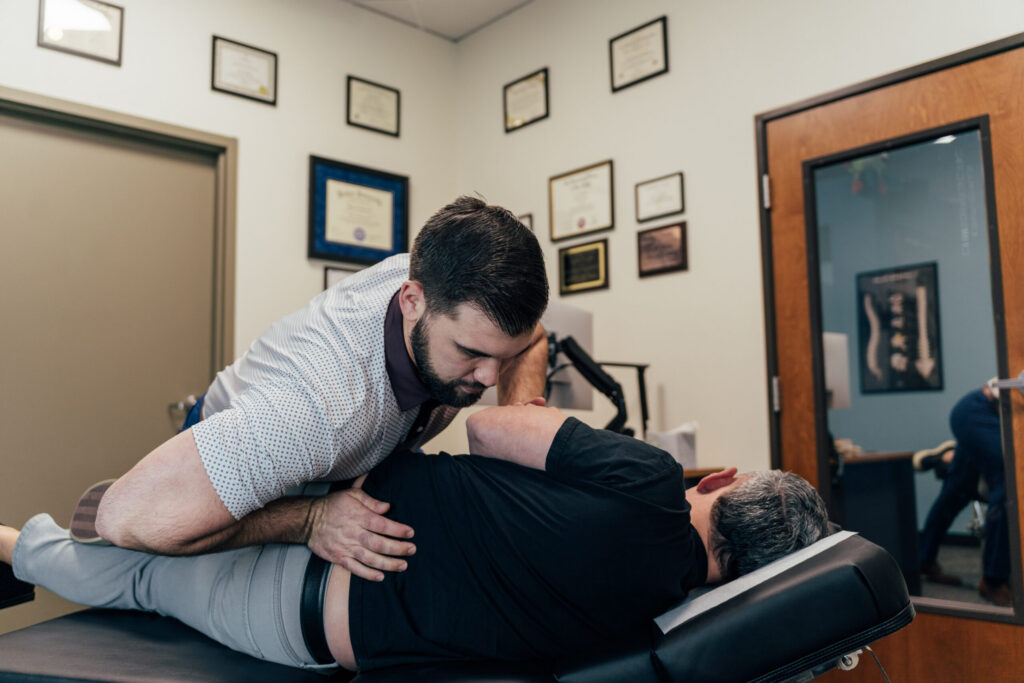

As a chiropractor, I understand how daunting it can be to face a sports injury. Many people believe that simply resting is the key to recovery, but I want to share with you a more holistic approach that can significantly enhance your healing process. Recovery isn't just about taking time off—it's about engaging in a combination of techniques that can promote faster and more effective healing.
Early intervention is crucial; seeking chiropractic care soon after an injury can help realign your body and improve mobility. Tailored rehabilitation exercises, designed specifically for your condition, can also aid in strengthening the affected areas. Additionally, proper nutrition plays a vital role in recovery, providing your body with the essential nutrients it needs to heal.
However, there's another piece of the puzzle that is often overlooked: the mental aspect of recovery. Incorporating positive mental techniques can transform your healing journey, allowing you to stay motivated and focused on your recovery goals. By combining these strategies—chiropractic adjustments, personalized exercises, proper nutrition, and mental resilience—you can unlock a more effective path to healing from your sports injury. I'm here to guide you through this process and help you return to the activities you love.
Understanding Sports Injuries
As a local chiropractor, I want to shed light on the common injuries that can occur in sports, whether you're a casual participant or an elite competitor. It's essential to understand the types of injuries to help safeguard your health and improve your performance.
Injuries such as sprains, strains, fractures, and tendonitis are prevalent among athletes. Sprains occur when ligaments are overstretched or torn, often as a result of pushing your body too hard. Strains happen when muscles or tendons are overstretched or torn, frequently due to inadequate preparation or sudden movements. Fractures, which are breaks in the bone, can result from falls or direct impacts. Tendonitis involves inflammation of a tendon and is typically caused by repetitive motions over time. By recognizing these injuries, you can make informed decisions about your body's care.
The risk of injury can be heightened by improper techniques, lack of physical conditioning, or insufficient recovery periods. It's vital to listen to your body's signals—if you experience pain, don't disregard it; this is your body communicating a potential issue.
Monitoring your training intensity and incorporating proper warm-up and cool-down routines can significantly lower your risk of injury.
As a chiropractor, I emphasize the importance of understanding your sport's specific demands to identify potential risks and take preventative measures. By educating yourself about sports injuries and how chiropractic care can support your recovery and maintenance, you can enhance not only your athletic performance but also your overall health and well-being.
Importance of Early Intervention
As a local chiropractor, I want to emphasize the crucial role of early intervention when it comes to sports injuries. Taking prompt action can significantly enhance your recovery and overall well-being.
When injuries are treated right away, you can minimize complications and foster a quicker healing process. Delaying treatment can lead to more serious problems, extended recovery periods, and even chronic pain.
Here's why it's vital to act swiftly:
- Quicker Recovery: When you seek chiropractic care early, it often leads to a faster return to your favorite activities. By addressing the injury immediately, you can get back to your routine sooner rather than later.
- Preventing Further Injury: Ignoring symptoms or postponing treatment can worsen your condition. Early chiropractic intervention helps stabilize the injured area, preventing additional damage and facilitating a smoother recovery.
- Understanding Your Injury: By consulting with a chiropractor promptly, you'll receive a thorough diagnosis and gain insight into the specifics of your injury. This knowledge is essential for making informed choices about your treatment and recovery plan.
- Enhanced Performance: Early intervention not only promotes quicker healing but also supports your overall physical health. By addressing injuries promptly, you can prevent the development of compensatory habits that might negatively affect your performance in the long run.
Remember, taking care of your body is essential, and early intervention can make all the difference in your healing journey.
If you experience any sports-related injuries, don't hesitate to reach out for chiropractic care!
Physical Therapy Techniques
Effective rehabilitation often relies on the right chiropractic techniques tailored to your specific injury. When you first visit us, we'll conduct a thorough assessment of your condition to develop a personalized care plan. This may include various natural healing modalities, such as ice or heat therapy, which can help reduce inflammation and enhance blood flow to the affected area.
One of the cornerstone techniques in chiropractic care is manual therapy. This involves hands-on manipulation of soft tissues and joints, which can alleviate pain, restore mobility, and improve overall function. You may also benefit from myofascial release, a technique that focuses on loosening the fascia—the connective tissue surrounding your muscles. By addressing tight areas, we can often help you achieve greater freedom of movement.
We may also incorporate electrical stimulation into your treatment plan. This method utilizes low-voltage currents to stimulate nerves and muscles, which can significantly reduce pain and enhance muscle function. If your injury affects a specific muscle group, ultrasound therapy might be utilized. This technique employs sound waves to promote tissue healing and recovery.
Another valuable technique we use is therapeutic taping, such as kinesiology tape. This provides support to your muscles and joints while allowing you to maintain movement. It not only aids in recovery but also helps prevent re-injury.
Throughout your chiropractic sessions, open communication is key. It's important that you share your pain levels and any progress you're experiencing. By actively participating in your recovery and following our guidance, you can significantly enhance your healing process and return to your activities stronger than ever.
Rehabilitation Exercises
As a local chiropractor, I want to emphasize the importance of rehabilitation exercises in your recovery journey following an injury.
These exercises aren't just about getting back to where you were; they're crucial for strengthening your muscles and improving flexibility, which are key components in regaining full mobility.
Through targeted rehabilitation drills, we can effectively address the specific areas of concern and help you safely return to your favorite activities or sports.
It's essential to understand that rehabilitation is a natural healing process that supports your body's ability to recover, and as your chiropractor, I'm here to guide you through this journey.
Together, we can ensure a safe and effective return to your active lifestyle.
Strengthening Muscles Post-Injury
As a local chiropractor, I understand that recovering from a sports injury can be a daunting process. Strengthening your muscles is key to not only bouncing back but also preventing future injuries.
Here are some effective rehabilitation exercises I recommend incorporating into your routine to aid in your recovery:
- Isometric Exercises: These exercises involve contracting your muscles without moving the joint. They're particularly beneficial during the early stages of recovery, as they allow you to build strength without putting added strain on your injury.
- Resistance Bands: Utilizing resistance bands can be incredibly effective for gradually strengthening your muscles. They provide variable resistance, which means you can easily adjust the intensity of your workouts as you progress.
- Bodyweight Exercises: Engaging in exercises like push-ups, squats, and lunges can help you work multiple muscle groups simultaneously. These movements build foundational strength and can be performed without overloading the injured area.
- Progressive Loading: Once you start to feel more comfortable, it's important to gradually increase the weight or resistance in your exercises. This progressive approach allows your muscles to adapt and grow stronger in a safe manner.
By integrating these exercises into your rehabilitation routine, you'll not only help strengthen the affected area but also enhance your overall physical resilience.
Flexibility and Mobility Drills
As a local chiropractor, I want to emphasize the importance of incorporating flexibility and mobility drills into your recovery routine, especially after experiencing a sports injury. These exercises play a crucial role in restoring your range of motion and preventing stiffness, which ultimately leads to a faster recovery and improved performance.
To begin, it's beneficial to start with dynamic stretches such as leg swings and arm circles. These movements warm up your muscles and prepare your body for more intensive activities.
Once your muscles are warmed up, I recommend focusing on specific mobility drills. For example, hip openers and ankle circles can significantly enhance joint flexibility, which is vital for overall movement.
In addition to mobility drills, static stretches like hamstring and quadriceps stretches are important for maintaining muscle elasticity. Aim to hold each stretch for 20-30 seconds to get the maximum benefit.
Remember, it's essential to listen to your body during these exercises. If any stretch causes discomfort or pain, it's important to ease off and modify the movement to suit your comfort level.
Incorporate these drills into your routine at least three to four times a week, and try to make them a daily habit. Consistency is key to optimizing your recovery.
Lastly, I highly recommend considering a consultation with a physical therapist or a trained professional who can provide personalized guidance and ensure you're using the correct techniques tailored to your specific injury.
Nutrition for Recovery
As a local chiropractor, I want to emphasize the critical role nutrition plays in your recovery from sports injuries. Understanding how proper nutrition can enhance healing and restore strength is essential for anyone looking to recover effectively. A balanced diet filled with the right vitamins, minerals, and proteins can significantly influence your healing process.
Here are four key nutritional components you should consider incorporating into your recovery plan:
- Proteins: Protein is vital for rebuilding tissues and repairing muscles after an injury. I recommend including lean meats, fish, eggs, and plant-based options like beans and lentils in your meals. Depending on the severity of your injury, aim for about 1.2 to 2.0 grams of protein per kilogram of body weight daily to support your recovery.
- Omega-3 Fatty Acids: These healthy fats are known for their anti-inflammatory properties and can help promote healing. I encourage you to add fatty fish such as salmon, as well as walnuts and chia seeds, to your diet. If necessary, consider incorporating a high-quality fish oil supplement to boost your intake.
- Antioxidants: Injuries can lead to oxidative stress, which can hinder your recovery. Foods rich in antioxidants can help combat this effect. Fill your plate with colorful fruits and vegetables, such as berries, spinach, and bell peppers. These foods won't only support your immune system but also enhance your overall healing process.
- Hydration: Staying properly hydrated is crucial for your recovery journey. Water plays a key role in transporting nutrients throughout your body and helps flush out toxins. Make it a habit to drink plenty of fluids throughout the day, especially after workouts or physical therapy sessions.
Incorporating these nutritional elements into your recovery plan can greatly enhance the benefits of chiropractic care and natural healing.
If you have any questions or need guidance on how to create an effective nutrition plan tailored to your recovery, feel free to reach out!
Mental Strategies for Healing
As a local chiropractor dedicated to your holistic healing journey, I want to emphasize the crucial role that your mind plays in recovering from a sports injury. Many people may not realize that mental strategies can significantly influence your healing process.
One effective technique is visualization, where you imagine yourself successfully recovering and returning to your favorite activities. This positive mental imagery can promote relaxation and reduce stress, aiding your overall healing.
Additionally, engaging in positive self-talk is another powerful tool. By encouraging yourself and reinforcing your belief in your body's ability to heal, you can enhance your confidence and resilience.
These mental strategies, combined with chiropractic care, can create a comprehensive approach to recovery. Let's discuss how we can integrate these techniques into your healing journey, helping you get back in the game stronger than ever.
Visualization Techniques for Recovery
As a local chiropractor, I understand that the journey to recovery from sports injuries involves not just physical healing but also mental fortitude. One powerful way to aid this process is through visualization techniques. These methods can enhance your recovery and help maintain a positive outlook during healing.
Here are some effective visualization practices you might find beneficial:
- Envision Your Healing: Take a moment to close your eyes and visualize the area of your injury healing. Picture the tissues regenerating and becoming stronger. This kind of mental imagery can foster a sense of well-being and promote healing.
- Rehearse Your Movements: Imagine yourself engaging in your sport without any pain. Visualize each movement in detail, focusing on the feeling of being pain-free and agile. This practice can significantly boost your confidence as you recover.
- Establish a Safe Space: It's important to have a comfortable and quiet place to practice your visualization. Picture a calm environment where you feel secure and at ease. This can help alleviate anxiety and stress, which can be barriers to recovery.
- Utilize Guided Imagery: Consider listening to guided imagery recordings specifically crafted for athletes. These resources can provide structured visualization sessions, keeping you focused and motivated throughout your recovery process.
Incorporating these visualization techniques into your routine can greatly enhance your mental resilience. As your chiropractor, I encourage you to explore these methods as part of your holistic approach to healing, paving the way for a smoother recovery journey.
Positive Self-Talk Practices
As your local chiropractor, I want to emphasize the significant role that positive self-talk plays in your recovery from sports injuries. When you consciously focus on uplifting and encouraging thoughts, you create a constructive mindset that can enhance your healing process. Instead of thinking phrases like "I'll never recover," I encourage you to adopt affirmations such as "I'm getting stronger every day." This shift not only fosters resilience but also boosts your determination to heal.
It's important to make it a habit to speak positively about your healing journey. Whenever you notice negative thoughts creeping in, take a moment to pause and reframe those thoughts. For instance, instead of saying "This pain is unbearable," try replacing it with "This pain means my body is healing." Such adjustments can significantly alleviate anxiety and elevate your motivation to adhere to your rehabilitation program.
Additionally, I recommend surrounding yourself with positive influences. Share your recovery goals with supportive friends or family members who can reinforce your positive self-talk. Their encouragement can be a powerful motivator that helps you stay focused on your healing.
Lastly, take a moment to practice gratitude for the small milestones you achieve along the way. Recognizing your progress, no matter how minor, helps keep your spirits high and fosters a sense of accomplishment.
Role of Hydration
As a local chiropractor, I often emphasize the importance of hydration, especially for those engaged in physical activities. Staying properly hydrated is crucial for your overall health and can significantly impact your performance and recovery, whether you're an athlete or simply someone looking to maintain an active lifestyle.
When your body is dehydrated, you may encounter fatigue, reduced coordination, and an increased likelihood of injury. To help you enhance your hydration strategy, here are some key points to consider:
- Understand Your Hydration Needs: It's important to recognize your specific hydration needs based on factors like your body weight, the intensity of your activities, and the climate you're in. A good rule of thumb is to drink about half your body weight in ounces of water daily, and be sure to adjust your intake based on how much you sweat during exercise.
- Hydrate in Advance: Don't wait until you feel thirsty to start drinking water. Proper hydration should begin hours before your training sessions. By drinking fluids beforehand, you can ensure that your body is well-prepared and functioning optimally.
- Balance Your Electrolytes: While water is essential, it's also important to maintain a balance of electrolytes like sodium and potassium, which play a crucial role in fluid regulation. For longer workouts, consider incorporating sports drinks or electrolyte tablets to help keep your hydration levels in check.
- Replenish After Exercise: Once you've completed your workout, it's vital to replenish any lost fluids and electrolytes. Aim to drink 16-24 ounces of fluid for every pound lost during your exercise session. This practice will aid in your recovery and set you up for better performance in future activities.
By prioritizing hydration, you can enhance your body's ability to recover and perform at its best.
As your chiropractor, I'm here to support you on your journey to optimal health and wellness, which includes understanding the role of hydration in your overall well-being.
Injury Prevention Strategies
As a local chiropractor, I want to emphasize the importance of recognizing the potential risks associated with physical activity, especially if you're new to exercise or haven't been active for a while.
One of the most effective strategies for preventing injuries is to incorporate a proper warm-up routine before engaging in any sport or physical activity. Warming up not only increases blood flow to your muscles but also enhances flexibility and prepares your body for the demands of movement. This crucial step should never be overlooked.
In addition to warming up, I encourage you to focus on strength and conditioning exercises that are specifically tailored to your sport or activity. Building core strength, improving balance, and enhancing flexibility can significantly lower your risk of injury.
If you're unsure where to start, consider working with a coach or trainer who can help develop a personalized program that addresses your unique needs.
Another key factor to consider is your technique. Using proper form is vital in preventing injuries. Whether you're running, swimming, or playing basketball, ensure that you're using the correct posture and movements.
If you're uncertain about your technique, I recommend seeking feedback from experienced athletes or coaches, as they can provide valuable insights.
It's also crucial to listen to your body. If you experience pain or discomfort, don't ignore it. Pushing through pain can lead to further injury. Taking rest days is just as vital as your training days; overtraining can lead to fatigue, which in turn increases your injury risk.
Lastly, don't underestimate the importance of appropriate gear. Wearing the right shoes and protective equipment offers the support you need and minimizes your risk of injury.
By incorporating these strategies into your routine, you can enjoy an active lifestyle while also prioritizing your health and well-being.
When to Seek Professional Help
When you experience ongoing pain or discomfort after an injury, it's crucial to seek professional help, especially from a chiropractor. Ignoring these warning signs can lead to long-term complications that may not only affect your daily life but also your athletic performance.
Understanding when to reach out for chiropractic care can significantly enhance your recovery process.
Here are four important indicators that signal it's time to consult a chiropractor:
- Severe Pain: If you're dealing with sharp, intense pain that persists despite rest or over-the-counter medications, it's essential to get in touch with a chiropractor. This level of pain often points to underlying issues that require professional evaluation.
- Swelling or Bruising: Noticeable swelling or significant bruising can suggest a more serious injury, such as a fracture or ligament damage. If you observe these symptoms, don't wait for them to heal on their own; a chiropractor can provide the necessary treatment to promote healing.
- Limited Mobility: Difficulty moving the affected area or experiencing pain while trying to do so is a sign that you should seek professional assistance. A limited range of motion could indicate more severe damage that requires a chiropractor's expertise to restore function.
- Symptoms Persist Beyond a Few Days: If your pain or discomfort continues for more than a few days, despite self-care efforts, it's time to consult a chiropractor. Early intervention is key in preventing chronic issues and can often lead to a quicker recovery.
Being aware of these signs can help you avoid further complications and return to your favorite activities more swiftly.
Don't hesitate to reach out to a chiropractor; your health and well-being are worth it! Embrace natural healing and let's help you on your journey to recovery.
Conclusion
Injuries can feel discouraging, but I want you to know that with the right approach, you can facilitate your own recovery. As your chiropractor, I emphasize the importance of early intervention—addressing issues before they escalate can make a significant difference. Incorporating physical therapy techniques is crucial; these can aid in restoring function and alleviating pain.
It's also vital to nourish your body with wholesome foods that support healing. Don't overlook the advantages of mental strategies like visualization and mindfulness, as they can enhance your recovery process. Staying adequately hydrated is equally important for maintaining optimal health and recovery.
Remember, prevention is paramount. Always listen to your body and recognize its signals to avoid future injuries. If you're feeling uncertain about your recovery journey, I'm here to provide guidance and professional help. With dedication and the right resources, you'll be on the path to wellness before you know it!