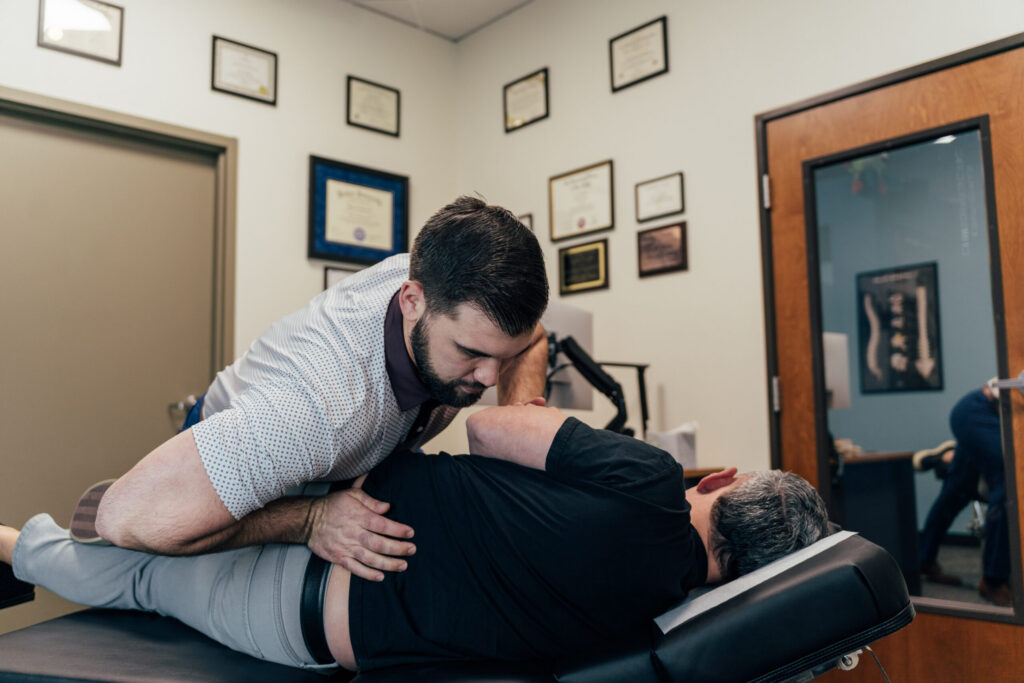

As a local chiropractor, I want to assure you that if you're experiencing upper back pain, you're not alone. It's essential to recognize that understanding the root causes of your discomfort is the first step toward finding relief. Many patients often overlook how factors like poor posture, muscle strain, and stress contribute to their pain.
In my practice, I encourage patients to explore effective stretching techniques and strengthening exercises that can help alleviate discomfort and restore balance to your body. But addressing upper back pain goes beyond just exercises; it also includes making ergonomic adjustments in your daily life and incorporating mindfulness practices that can significantly enhance your overall well-being.
Are you interested in learning how these elements can work together to create a comprehensive relief plan tailored just for you? I'm here to help you navigate this journey to better health through natural healing methods.
Understanding Upper Back Pain
As a local chiropractor, I want to help you understand the common causes of upper back pain and how we can work together to find effective relief. It's important to recognize the various factors that may contribute to discomfort in this area of your body.
Often, lifestyle choices play a significant role in how your upper back feels. For instance, spending long hours sitting at a desk or hunching over your phone can lead to muscle tension and discomfort. By being mindful of your posture during daily activities, you can help prevent further aggravation of existing issues.
Additionally, consider your level of physical activity. Regular movement is essential for strengthening the muscles that support your spine, which can decrease the likelihood of experiencing pain. I recommend incorporating stretching exercises into your daily routine to enhance flexibility and reduce stiffness.
However, it's important to be cautious—overexerting yourself or lifting heavy objects improperly can lead to acute injuries that may require chiropractic care.
Another important factor to consider is your stress levels. Emotional stress can manifest physically, causing tension in the upper back. I encourage you to explore relaxation techniques such as deep breathing or meditation, as these can help alleviate some of the pain you may be feeling.
Lastly, don't underestimate the impact of sleep on your back health. A poor mattress or an improper sleeping position can contribute to upper back discomfort. Investing in a supportive mattress and practicing good sleep hygiene can significantly improve your overall well-being.
Common Causes of Discomfort
As a local chiropractor, I want to help you understand the various factors that may be contributing to your discomfort in the upper back. Recognizing these factors is essential for finding effective relief and promoting your overall well-being.
One of the most prevalent causes of upper back pain is poor posture. Many individuals who spend long hours sitting at a desk or slouching while using their phones may unknowingly place excessive stress on their upper back muscles and spine. This can lead to tightness and discomfort, which is why maintaining good posture is crucial.
Another common issue is muscle strain. This can occur from lifting heavy objects incorrectly or participating in physical activities without proper warm-up. Even seemingly simple tasks, like reaching for something on a high shelf, can cause strain if not performed with the right technique.
As your chiropractor, I can help you learn safer ways to move and reduce the risk of injury.
Stress is another significant factor that can contribute to upper back discomfort. When you experience stress, your body tends to tense up, particularly in the shoulders and upper back. This tension can lead to chronic pain if not addressed.
Chiropractic care can help alleviate this tension through gentle adjustments and relaxation techniques.
Injuries, such as whiplash from a car accident or a fall, can also lead to upper back pain. These injuries may cause inflammation and muscle spasms, making it challenging to find relief.
If you've experienced an injury, it's important to seek care to help restore your body's function and ease your discomfort.
Lastly, underlying medical conditions like arthritis or herniated discs may play a role in your upper back pain. While these issues are less common, it's vital to consult with a healthcare professional if you suspect an underlying condition.
As your chiropractor, I'm here to guide you through the process and provide natural healing solutions tailored to your needs.
Remember, understanding the causes of your discomfort is the first step toward finding relief and achieving better health.
Let's work together to create a personalized plan that addresses your concerns and supports your journey to wellness.
Effective Stretching Techniques
As a local chiropractor, I understand that many of you may not be familiar with the benefits of chiropractic care and natural healing methods. One common issue I encounter is upper back pain, which can be quite debilitating.
I want to emphasize the importance of incorporating targeted stretches into your daily routine. Not only can these stretches help alleviate discomfort, but they also play a crucial role in improving your overall flexibility and relieving tension in your muscles.
By committing to a consistent stretching routine, you can experience significant relief and comfort in your upper back.
Let's take a closer look at some effective stretching techniques that can help you on your journey to better health and wellness. Remember, taking small steps like these can lead to big changes in how you feel!
Targeted Upper Back Stretches
As a chiropractor, I often see patients who struggle with upper back pain, and I'm here to share some effective ways to alleviate that discomfort through targeted stretches.
Integrating these stretches into your daily routine can significantly enhance your flexibility and relieve muscle tension, leading to greater comfort and mobility.
Let's start with the Cat-Cow stretch. Begin by getting down on your hands and knees. As you exhale, arch your back upwards, resembling a cat stretching. Then, as you inhale, gently dip your back down. This simple movement helps to warm up your spine and release tension in the upper back.
Next, I recommend the Thread the Needle stretch. While in the same hands-and-knees position, slide your right arm underneath your left arm, allowing your shoulder and head to rest on the ground. Hold this position for about 20-30 seconds before switching to the other side. This stretch effectively targets tightness in the upper back and shoulders.
Another beneficial stretch is the Child's Pose. Kneel on the floor and sit back onto your heels. Extend your arms forward on the ground, which will provide a deep stretch to your upper back while promoting relaxation. This posture is excellent for releasing stress and tension.
Finally, don't overlook the importance of the Chest Opener stretch. Stand tall and clasp your hands behind your back. Gently pull your shoulders back to open up your chest and stretch your upper back. This stretch counteracts the hunching posture we often adopt during daily activities.
By incorporating these targeted stretches into your routine, you may find a significant reduction in upper back discomfort.
Daily Stretching Routines
As a local chiropractor, I want to emphasize the importance of incorporating a daily stretching routine into your life, especially for maintaining good upper back health. A consistent practice can truly make a difference, so I encourage you to set aside just 10-15 minutes each day for stretching.
To begin, the cat-cow stretch is a fantastic way to loosen your spine. Position yourself on all fours, arch your back upwards as you tuck your chin toward your chest, and then dip it downwards while lifting your head. Aim for 5-10 cycles of this movement to promote spinal flexibility.
Next, consider the doorway stretch, which is excellent for opening up your chest and shoulders. Stand in a doorway, rest your arms on the door frame, and gently lean forward until you feel a stretch across your upper back. Hold this position for 20-30 seconds to enhance your flexibility.
Another beneficial stretch is the seated forward bend. Sit on the floor with your legs extended in front of you, reach for your toes, and hold this stretch for 20-30 seconds. This position not only alleviates tension in your back but also helps stretch your hamstrings.
Lastly, I can't stress enough the importance of deep breathing during your stretches. Focus on taking deep breaths in and exhaling slowly. This practice not only enhances your stretching experience but also promotes relaxation, which can help your body heal.
By committing to this daily routine, you may experience significant improvements in your upper back pain over time. Remember, a little bit of effort each day can lead to substantial benefits for your overall well-being.
If you have any questions or need personalized guidance, feel free to reach out during your next visit!
Strengthening Your Back Muscles
As a local chiropractor, I want to emphasize the importance of strengthening your back muscles in managing upper back pain.
Strong back muscles are crucial as they provide essential support for your spine, which can significantly reduce the risk of experiencing discomfort in the future.
Allow me to guide you through some effective exercises that can help you build that strength and promote overall spinal health.
Through natural healing and proper muscle support, you can achieve better posture and alleviate pain, leading to a more comfortable and active lifestyle.
Let's work together on this journey to a healthier back!
Importance of Strong Muscles
As a local chiropractor, I want to share with you the significant role that strong back muscles play in maintaining your overall health and well-being. Many of my patients come to me with upper back pain, and one of the key factors we address is the strength of their back muscles. When these muscles are strong, they provide essential support for your spine, helping to prevent strain and injury.
This support is crucial, especially in our modern world, where prolonged periods of sitting—whether at a desk or hunched over a smartphone—are common. Weak back muscles can lead to discomfort and pain during everyday activities. By strengthening these muscles, not only can you lift and carry objects more efficiently, but you also enhance your stability and balance.
You might be surprised at how much easier simple tasks become when your back is strong, and you'll likely notice a reduction in fatigue throughout the day. Additionally, strong back muscles improve your range of motion, allowing you to participate in physical activities without the fear of injury.
By focusing on building strength in your upper back, you're taking proactive steps toward a more active and pain-free lifestyle. I encourage you to invest time in strengthening your back muscles as part of your overall health journey. The benefits reach far beyond just alleviating pain; they can significantly enhance your quality of life.
Effective Strengthening Exercises
As a local chiropractor, I want to share some effective strengthening exercises that can help you build the muscles in your upper back and alleviate discomfort.
One of the most beneficial exercises is the bent-over row. To perform this exercise, grab a pair of dumbbells, hinge at your hips, and pull the weights towards your chest while keeping your elbows close to your body. This movement specifically targets the upper back and is excellent for improving your posture, which is essential for overall spinal health.
Another fantastic exercise is the reverse fly. To do this, stand with your feet shoulder-width apart, hold a dumbbell in each hand, and lean slightly forward at your hips. With a slight bend in your elbows, raise the weights out to the sides until they're level with your shoulders. This exercise not only strengthens the rear deltoids but also engages the upper back muscles, contributing to better alignment and stability.
Additionally, I encourage you not to overlook the plank. While this exercise primarily focuses on your core, actively engaging your back during the plank position will enhance overall stability and support your spine. Aim to hold the plank for 30 seconds, gradually increasing the duration as you build strength.
Incorporating these exercises into your routine a few times a week can significantly improve your upper back strength and help reduce pain.
However, I always recommend consulting with a healthcare professional if you're unsure about your form or if you experience any discomfort while exercising. Your health and safety are paramount, and I'm here to assist you on your journey to natural healing and wellness.
Posture Improvement Strategies
As a local chiropractor, I want to share some important insights about the significant role good posture plays in alleviating upper back pain. Many individuals may not realize that when you slouch or hunch over, you're placing excessive strain on your upper back, leading to discomfort and pain. Addressing your posture is crucial, and I encourage you to consider a few strategies that can make a substantial difference in your daily life.
Firstly, it's essential to be aware of your body alignment throughout the day. Whether you're sitting at your desk, standing in line, or walking, strive to keep your shoulders back and relaxed, with your head in line over your spine. A helpful visualization is to imagine a string gently pulling you upward from the top of your head. This mental cue can assist in maintaining proper posture, reducing the risk of pain.
Incorporating regular posture checks into your daily routine can also be beneficial. I advise setting reminders on your phone or computer to take a moment and assess how you're positioned. If you catch yourself slouching, don't hesitate to adjust your posture right away. This practice of mindful awareness can help cultivate healthier habits over time.
Another effective approach is to strengthen your core muscles. A strong core is vital for supporting your spine and maintaining correct alignment. Simple exercises like planks or bridges can easily be added to your daily regimen to enhance your core strength.
Lastly, stretching is an often-overlooked component of posture improvement. Tight muscles can lead to misalignment and discomfort. I recommend incorporating stretches that focus on your chest, shoulders, and upper back to promote flexibility and balance.
By applying these strategies, you can take proactive steps towards improving your posture, alleviating upper back pain, and enhancing your overall well-being.
Ergonomic Workspace Setup
As a local chiropractor, I want to emphasize the importance of creating an ergonomic workspace to help prevent upper back pain, particularly if you find yourself sitting at a desk for extended periods. One of the first steps you can take is to adjust your chair appropriately. Look for a chair that provides good support for your lower back, and ensure that your feet can rest flat on the floor. If you can't achieve this position naturally, don't hesitate to use a footrest.
It's also vital that your chair has adjustable height and armrests, so your arms can rest comfortably at a 90-degree angle.
Next, let's talk about your desk and monitor setup. Your computer screen should ideally be at eye level and about an arm's length away from you. This positioning is crucial for reducing neck strain and promoting better posture. If you often use a laptop, I recommend investing in a separate keyboard and mouse to avoid the tendency to hunch over your device.
Aim for the top of the monitor to be at or slightly below eye level, allowing you to look straight ahead without tilting your head, which can lead to discomfort over time.
Keyboard and mouse placement is equally important. They should be positioned close enough to your body so that your elbows can stay relaxed at your sides. When typing, ensure that your wrists remain straight. If you find that your wrists are bending, consider using a wrist rest to provide additional support.
Lastly, remember to take regular breaks throughout your day. Stand up, stretch, and move around to keep your body from becoming stiff.
Mindfulness and Stress Relief
As a local chiropractor, I often see patients who experience upper back pain and discomfort due to the daily stresses of life. When you're balancing work, family, and personal commitments, it's common for your body to hold onto tension, particularly in the upper back area.
One effective way to alleviate this tension and enhance your overall well-being is through the practice of mindfulness.
Mindfulness is all about being present in the moment, which allows you to step back from the chaos of everyday life. I recommend starting with just a few minutes each day dedicated to focusing on your breath. Find a comfortable position, close your eyes, and take a deep breath in through your nose, then exhale slowly through your mouth. This simple exercise can help quiet racing thoughts and significantly reduce stress levels.
You can also incorporate mindfulness into your daily routines. Whether you're eating, walking, or even doing household chores like washing dishes, make an effort to focus on the sensations you're experiencing. Pay attention to the flavors of your food, the feeling of the ground beneath your feet, or the warmth of the water. By engaging your senses, you can divert your attention from stressors and cultivate a more relaxed mindset.
In addition to mindfulness practices, I encourage you to integrate gentle yoga or stretching into your daily activities. These movements not only enhance your physical flexibility but also promote mental clarity. As you stretch, visualize the tension in your upper back dissolving, allowing for improved mobility and comfort.
As your chiropractor, I'm here to support you on your journey towards better health. Combining mindfulness with chiropractic care can lead to significant improvements in both your physical and mental well-being.
Let's work together to create a personalized plan that addresses your specific needs and helps you find relief from pain and stress.
Seeking Professional Help
When upper back pain lingers despite your home remedies, it's essential to turn to a professional for help. Ignoring the discomfort may lead to more serious issues down the line. As a chiropractor, I want to emphasize that seeking care is a proactive approach to not only alleviate your pain but also to address its root cause.
Chiropractic care focuses on the alignment of your spine and overall musculoskeletal health. Here's how we can assist you:
- Spinal Adjustments: By gently adjusting your spine, we can improve alignment and reduce nerve pressure, which often contributes to upper back pain.
- Customized Treatment Plans: We tailor treatment plans specifically to your needs, incorporating exercises and stretches that strengthen your back and enhance your posture.
- Holistic Approach: Our goal is to alleviate muscle tension and improve circulation in the affected areas, promoting natural healing without the use of invasive procedures.
Before your visit, it's helpful to keep a log of your symptoms. Note when your pain began, what activities worsen it, and any relief you've found. This information will assist me in making an accurate diagnosis and developing a personalized treatment plan for you.
Additionally, I can offer guidance on lifestyle changes that can help prevent future discomfort. Together, we can work towards not just relieving your pain, but also enhancing your overall health and well-being.
Conclusion
As a local chiropractor dedicated to your health, I want to share some effective strategies to help you relieve upper back pain and enhance your overall well-being. It's essential to incorporate regular stretching and strengthening exercises into your daily routine to support your muscles and spine. Pay close attention to your posture, whether you're sitting, standing, or working, as maintaining good alignment plays a crucial role in preventing discomfort.
Creating an ergonomic workspace can also make a significant difference in your spinal health. Ensuring that your computer, chair, and other tools are set up correctly can help alleviate strain on your back. Additionally, I encourage you to practice mindfulness and stress relief techniques, as managing stress can help reduce tension that contributes to pain.
If you're experiencing persistent discomfort, don't hesitate to seek professional care. As a chiropractor, I can provide personalized assessments and treatments tailored to your specific needs. Together, we can work towards a pain-free life and help you reclaim your health. Say goodbye to discomfort and embrace a more vibrant, active lifestyle!