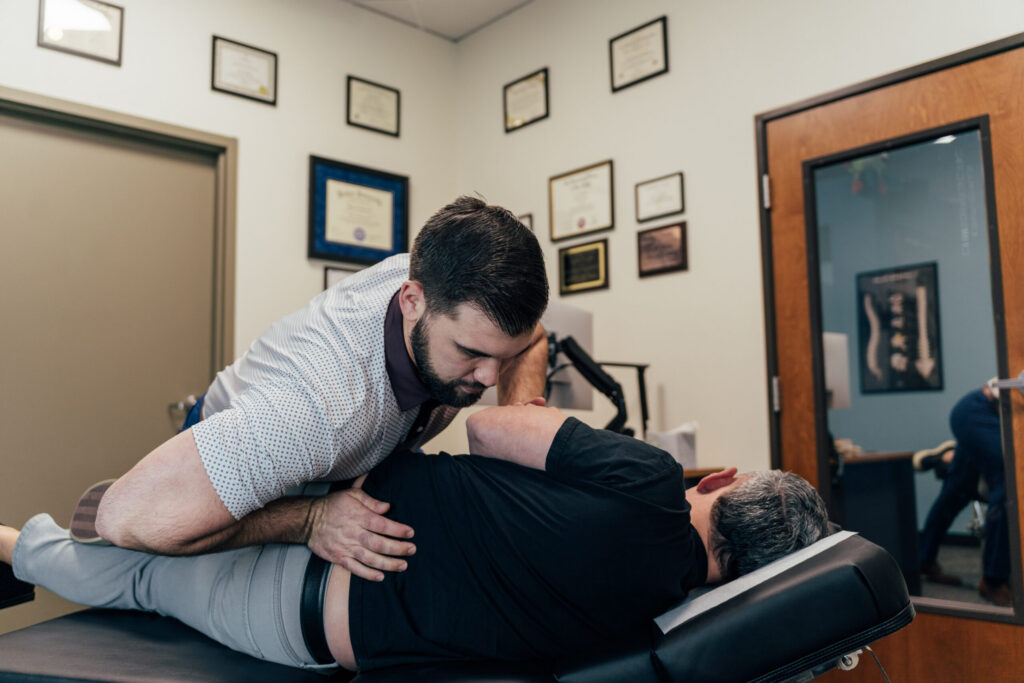

As a local chiropractor, I want to share with you how improving your posture can significantly alleviate discomfort and enhance your overall well-being. One of the first steps you can take is to create an ergonomic workstation that supports your body’s natural alignment. Incorporating simple exercises into your daily routine can also make a world of difference in how you feel.
It’s crucial to listen to your body and make necessary adjustments throughout the day. However, there’s much more to achieving optimal posture than simply making adjustments or engaging in exercises. Understanding how your daily choices impact your body is key to fostering long-term health.
Let’s delve into some effective techniques that can truly transform your posture and improve your quality of life. Through these methods, we can work together to ensure you feel your best, both physically and mentally.
Understanding the Importance of Good Posture
As a local chiropractor, I want to emphasize that good posture is more than just a way to look confident; it plays a crucial role in your overall health and well-being.
When you practice proper posture while sitting or standing, you significantly reduce the strain on your muscles and joints, which can help prevent discomfort and injuries down the line. Correct alignment allows your organs to function optimally, leading to better digestion and improved breathing. You may even find that good posture enhances your energy levels by promoting better blood circulation throughout your body.
Additionally, maintaining good posture can positively affect your mood and productivity. When you hold yourself upright, it sends powerful signals to your brain that you’re alert and ready to take on challenges. This can be particularly helpful in combating feelings of fatigue or stress.
Whether you’re at work, exercising, or simply going about your daily activities, it’s essential to recognize that your posture plays a vital role in how you feel both physically and mentally. By prioritizing this aspect of your health, you can experience significant improvements in your overall quality of life.
Ergonomic Workstation Setup
As a local chiropractor, I want to emphasize the importance of creating an ergonomic workstation to help you maintain good posture and overall spinal health during your workday.
First, ensure that your chair is adjusted so your feet rest flat on the floor, with your knees positioned at a 90-degree angle. This alignment is crucial for reducing strain on your lower back. For additional support, consider using a lumbar roll to provide extra cushioning for your spine.
Next, let’s talk about your desk and monitor setup. Ideally, your monitor should be at eye level to prevent neck strain. This simple adjustment can make a significant difference in your comfort.
When typing, keep your elbows close to your body and bent at about 90 degrees. This position helps to alleviate tension in your shoulders and arms, which can lead to discomfort over time.
It’s also important to have your keyboard and mouse within easy reach, preferably on the same surface, to prevent unnecessary stretching or twisting of your body.
Lastly, I encourage you to declutter your workspace. A tidy environment can help reduce distractions and promote a sense of calm, which is beneficial for both your focus and your overall well-being.
By making these ergonomic adjustments, you’ll create a supportive workspace that not only promotes healthy posture but also helps reduce discomfort.
This, in turn, allows you to concentrate on your tasks more effectively and supports your journey toward natural healing and improved health.
Stretching Exercises for Flexibility
As your local chiropractor, I want to emphasize the importance of maintaining good posture at your workstation, but I also want to introduce you to the benefits of incorporating stretching exercises into your daily routine.
Stretching isn’t just a way to enhance flexibility; it plays a vital role in alleviating muscle tension, improving blood circulation, and promoting your overall well-being.
Here are three effective stretches that I recommend for you:
- Neck Stretch: Start by gently tilting your head to one side. Hold this position for 15-30 seconds on each side. This simple stretch can help release tightness in your neck, which is often caused by prolonged sitting or poor posture.
- Shoulder Stretch: Bring one arm across your body and use your opposite arm to gently pull it closer for 15-30 seconds. This stretch targets the shoulders, helping to relieve tension that can build up from repetitive motions or extended periods at a desk.
- Hamstring Stretch: Sit on the floor with one leg extended. Slowly lean forward over the extended leg, holding the stretch for 15-30 seconds. This will help loosen tight hamstrings, which can contribute to lower back discomfort.
Integrating these stretches into your daily routine can significantly improve your overall flexibility and help combat discomfort associated with prolonged sitting.
Remember, your body deserves care and attention, and these simple practices can make a world of difference in how you feel.
If you have any questions or need further guidance, don’t hesitate to reach out. Your well-being is my priority!
Strengthening Core Muscles
As a local chiropractor, I want to emphasize the vital role that strengthening your core muscles plays in improving your posture. A strong core is fundamental to supporting your spine and ensuring proper alignment throughout your body.
When your core is strong, it helps to reduce strain on your back and neck, which can lead to discomfort or pain.
Let’s dive into some effective exercises that can help build your core strength, along with discussing why this is so important for maintaining good posture.
By focusing on your core, not only will you enhance your posture, but you’ll also be taking a significant step toward overall health and well-being. Embracing these practices can lead to a more balanced body and a reduction in chiropractic issues.
Core Exercises Overview
As a local chiropractor, I want to emphasize the importance of a strong core for overall health and well-being. A well-developed core not only supports good posture but also plays a crucial role in preventing injuries and enhancing your body’s stability.
By incorporating core exercises into your routine, you can move more confidently in your daily activities, which is essential for maintaining a healthy lifestyle. Here are some effective core exercises I recommend for my patients:
- Planks: This exercise involves holding a plank position, which effectively strengthens your entire core while also improving your endurance. It’s a great way to build a strong foundation for your spine.
- Russian Twists: By sitting and twisting your torso from side to side, you can target your obliques and enhance your rotational strength. This movement is beneficial for improving flexibility and stability in your spine.
- Bicycle Crunches: Lying on your back and alternating bringing your knees to your chest works both your upper and lower abdominal muscles. This exercise helps in developing a balanced core, which supports your posture and spinal alignment.
Incorporating these exercises into your routine can greatly benefit your overall health and help you achieve a stronger, more resilient body.
Importance of Core Strength
As a local chiropractor, I want to emphasize the importance of core strength for your overall health and well-being. A strong core is vital for maintaining proper posture and stability in your everyday activities.
When your core muscles are engaged and strong, they provide crucial support for your spine and pelvis, which helps you stand tall and move with ease. This stability is key in reducing the risk of injuries and discomfort, particularly during common movements like lifting or bending.
By focusing on strengthening your core, you establish a solid foundation that enhances your balance and coordination. This not only makes it easier for you to engage in physical activities—whether you’re hitting the gym or simply running errands—but also contributes to your overall quality of life.
Incorporating exercises such as planks, bridges, and Pilates into your routine can significantly improve your core strength.
Mindfulness and Body Awareness
As a chiropractor, I want to share with you the importance of mindfulness and body awareness in maintaining good posture. Many individuals may not realize how crucial these practices are in preventing discomfort and misalignment in the body.
By becoming more attuned to your physical self, you can identify areas of tension and misalignment before they escalate into more serious issues.
Here are some techniques to enhance your mindfulness and body awareness that can significantly benefit your posture:
- Breath Awareness: Pay attention to your breathing. Observe how it flows through your body and its influence on your posture. Proper breathing can help release tension and encourage a more aligned stance.
- Body Scanning: Take a few moments to mentally scan your body from head to toe. This exercise can help you pinpoint areas that feel tense or uncomfortable, allowing you to address them proactively.
- Movement Meditations: Consider incorporating gentle movements into your routine, such as yoga or tai chi. These practices promote a sense of presence and help you become more aware of your body’s position and alignment.
By integrating these mindfulness techniques into your daily life, you can’t only improve your posture but also alleviate discomfort.
As your chiropractor, I encourage you to explore these practices as part of your journey toward better health and wellness.
Utilizing Posture Correctors
As a local chiropractor, I want to share how utilizing posture correctors can enhance your journey toward better alignment and overall well-being.
These devices act as helpful reminders to maintain proper posture throughout your daily activities, which is crucial for your spine’s health. There are various options available, such as braces, straps, or even smart wearables that offer real-time feedback on your posture.
When you wear a posture corrector, it gently encourages your shoulders to move back and helps align your spine, which can be especially beneficial if you struggle with slouching. Many patients report increased comfort, particularly during long periods of sitting or standing, which can make a significant difference in your daily life.
However, it’s important to use these devices wisely. Over-reliance on a posture corrector can lead to weakened core muscles, which are essential for maintaining good posture.
I recommend initially wearing the corrector for short periods and gradually increasing the duration as you notice improvements in your posture.
By incorporating posture correctors into your routine, you not only support your body’s alignment but also enhance your body awareness. This is a vital step in your commitment to better posture and overall health.
If you have any questions about how to integrate these tools effectively or other natural healing practices, feel free to reach out during your next visit!
Regular Breaks and Movement
As a local chiropractor, I want to emphasize the importance of taking regular breaks and incorporating movement into your daily routine for optimal spinal health and posture.
Many people are unaware that staying in a single position for extended periods can lead to muscle tightness, discomfort, and misalignment of the spine. To help prevent these issues, I encourage you to make it a habit to stand up and stretch at least once every hour.
Here are some simple strategies to keep your body active and support your spine throughout the day:
- Stretch: Quick neck and shoulder stretches can be incredibly beneficial for relieving tension and keeping your muscles relaxed.
- Walk: Taking short walks around your workspace or home is a great way to promote circulation and invigorate your body.
- Stand: If possible, consider using a standing desk or switching between sitting and standing to engage different muscle groups and reduce strain on your back.
Remember, these small changes can make a significant impact on your overall health and well-being.
Yoga and Pilates for Posture Improvement
As a local chiropractor, I want to highlight the significant benefits that Yoga and Pilates can offer for improving your posture.
These practices aren’t just about physical activity; they’re essential for enhancing your core strength and promoting proper alignment and flexibility.
By integrating Yoga and Pilates into your daily routine, you can make substantial strides in correcting your posture, which in turn can lead to better overall health and well-being.
Embracing these natural methods can complement your chiropractic care and empower you to take control of your posture and spinal health.
Benefits of Yoga
As a local chiropractor, I want to share with you the incredible benefits of incorporating yoga into your wellness routine, especially when it comes to improving your posture and overall spinal health. Many individuals are looking for ways to boost their physical wellbeing, and yoga can be a fantastic complement to chiropractic care.
- Increased flexibility: Regular yoga practice helps to loosen tight muscles and joints, leading to a greater range of motion and reducing the risk of injury. This flexibility is essential for maintaining a healthy spine.
- Strengthened core: A strong core is crucial for spinal support. Yoga exercises target the core muscles, helping you maintain proper alignment and reducing strain on your back throughout the day.
- Mind-body connection: One of the most valuable aspects of yoga is its ability to foster a deeper awareness of your body. This awareness encourages you to recognize and correct poor posture habits in your daily life, which is vital for long-term spinal health.
Pilates Core Strengthening
Incorporating Pilates into your wellness routine can significantly enhance your overall health, especially when it comes to core strengthening, which is vital for maintaining good posture.
As a chiropractor, I often emphasize the importance of a strong core, as it helps provide the stability and support necessary for proper spinal alignment. Pilates focuses on engaging your core muscles, including your abdominals, obliques, and lower back, which are essential for creating a strong foundation for your body.
As you strengthen your core through Pilates, you may find that everyday activities become easier and more comfortable, reducing discomfort and strain on your spine.
Furthermore, Pilates promotes controlled movements and mindful breathing, which can help you develop greater body awareness. This heightened awareness can lead to improved posture, not only during your Pilates practice but also in your yoga sessions and daily life.
I encourage you to give Pilates a try. It can complement your chiropractic care and contribute to your overall wellness journey.
You’ll likely feel the positive difference in how you move and carry yourself!
Specific Poses to Try
As a chiropractor dedicated to your overall well-being, I want to emphasize the importance of maintaining good posture. Practicing specific yoga and Pilates poses can significantly enhance your posture, strengthen your core, and improve your flexibility and alignment.
Here are three poses I highly recommend for my patients:
- Cat-Cow Stretch: This gentle transition between two poses helps to warm up your spine, promoting mobility and reducing stiffness. It’s a fantastic way to start your day or take a break during long periods of sitting.
- Bridge Pose: By lifting your hips, you actively engage your glutes and lower back, which can help counteract the effects of slouching that many of us experience, especially if we spend a lot of time at a desk.
- Child’s Pose: This restorative pose gently stretches your back and shoulders, promoting relaxation and encouraging a natural alignment of the spine. It’s perfect for unwinding after a long day.
Incorporating these poses into your daily routine can lay a strong foundation for better posture and overall comfort.
Footwear Choices and Their Impact
As a chiropractor, I want to emphasize how crucial your choice of footwear is for your posture and overall comfort. When you wear well-fitting shoes, you provide your body with the essential support it needs to maintain proper alignment.
It’s important to steer clear of high heels and overly flat shoes, as these can disrupt your balance and lead to discomfort and potential injury. Instead, look for shoes that offer arch support and cushioning that conforms to the natural shape of your foot.
The materials and design of your shoes also play a significant role in how your feet feel throughout the day. Opt for breathable fabrics and flexible soles, as these features can enhance comfort and promote better foot health.
If you’re on your feet for extended periods, prioritize footwear that provides stability and shock absorption to reduce the strain on your body.
Remember, worn-out shoes lose their ability to support your feet properly, so it’s essential to replace them regularly. Investing in high-quality footwear not only enhances your posture but also helps prevent discomfort and long-term musculoskeletal issues.
Seeking Professional Help and Guidance
Are you wondering if your posture issues might benefit from professional chiropractic care? If you’re living with persistent discomfort, it’s a good idea to seek guidance from a specialist like me.
Chiropractors are trained to provide personalized advice and treatments that address your unique needs when it comes to posture. Here are some signs that indicate it’s time to reach out for help:
- Do you frequently feel pain in your back, neck, or shoulders, even after resting?
- Have you noticed a noticeable imbalance in your posture or a tendency to slouch?
- Have you tried various self-help techniques without seeing any improvement?
Visiting a chiropractor can help you uncover the underlying causes of your posture problems.
We focus on spinal alignment and overall body mechanics, which are crucial for maintaining good posture. Through targeted exercises, stretches, and gentle adjustments, we can work together to enhance your posture and alleviate discomfort.
Conclusion
As a local chiropractor, I want to share some important insights on improving your posture and alleviating discomfort—a journey that can significantly enhance your overall well-being. One of the first steps you can take is to set up an ergonomic workstation. This means arranging your desk and chair in a way that supports your body’s natural alignment, which can help prevent strain.
Incorporating stretching and core-strengthening exercises into your daily routine is also crucial. These practices help to keep your muscles flexible and strong, which in turn supports better posture. Additionally, mindfulness techniques can play a key role in your healing process. Being aware of your body and how you hold yourself throughout the day can help you make conscious adjustments to improve your posture.
Don’t forget the importance of taking regular breaks during long periods of sitting. These breaks allow your body to reset and reduce tension. Also, choosing supportive footwear is essential; it can make a significant difference in your comfort level throughout the day.
If you find yourself struggling with posture or discomfort, seeking professional guidance, such as chiropractic care, can provide you with tailored advice and treatment plans suited to your specific needs. Embracing these techniques not only helps you feel better but can also lead to a healthier lifestyle overall. Remember, every small change you make contributes to your journey toward improved health!