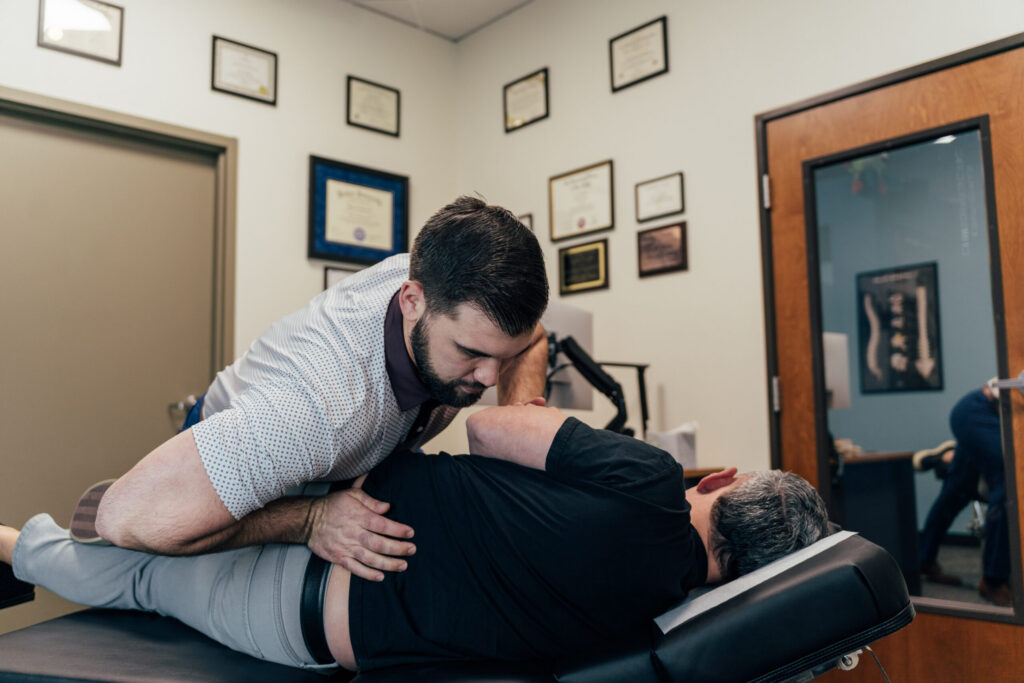

As a local chiropractor, I understand that lower back pain is a common challenge that many individuals experience. It can be both uncomfortable and frustrating to deal with. However, I want to assure you that there are simple adjustments and natural healing techniques that can lead to significant relief. By exploring these methods, you can not only alleviate your discomfort but also enhance your overall well-being.
Let’s take a closer look at some practical strategies that I often recommend to my patients. These techniques can help you find relief from lower back pain and improve your quality of life. Whether it’s through chiropractic adjustments, proper posture, or targeted exercises, there are many effective ways to support your body in healing. Remember, your journey to wellness can start with small, manageable changes in your daily routine.
Understanding Lower Back Pain
As a local chiropractor, I want to help you understand lower back pain and its impact on your daily life. Many of my patients describe this pain as a heavy weight that feels like it’s pulling them down. It can manifest as sharp, aching, or throbbing sensations, making even the simplest tasks feel overwhelming.
Recognizing the root causes of your discomfort is crucial. Often, issues like poor posture, muscle strain, and even stress can play a significant role in your pain. You may be surprised to learn that a sedentary lifestyle, along with improper lifting techniques, are common contributors as well.
It’s important to note that lower back pain can also arise from underlying conditions such as herniated discs or arthritis. Understanding these factors empowers you to take control of your health.
I encourage you to pay close attention to your body—notice when the pain worsens or alleviates. By identifying what triggers your discomfort, you can communicate more effectively with me and other healthcare providers, leading to a more tailored treatment approach.
Stretching Exercises for Relief
As a local chiropractor, I want to emphasize the importance of stretching exercises in alleviating lower back pain. Many of you may not be familiar with how these techniques can enhance your overall well-being.
Stretching exercises, such as the Cat-Cow stretch, hamstring stretches, and various adaptations of Child’s Pose, can significantly improve your flexibility and comfort.
Let me explain how each of these stretches can contribute to your recovery. The Cat-Cow stretch helps to mobilize your spine, promoting better alignment and reducing tension in your back muscles.
Hamstring stretches can relieve tightness that often contributes to lower back discomfort, while variations of Child’s Pose provide a gentle way to elongate your spine and relax your body.
Incorporating these stretches into your routine can be a natural and effective way to support your healing journey.
Cat-Cow Stretch Benefits
As a local chiropractor, I want to introduce you to a gentle yet effective exercise that can help alleviate lower back pain: the Cat-Cow stretch. This simple movement is a fantastic tool for enhancing the flexibility and mobility of your spine.
By alternating between arching and rounding your back, you not only engage your core muscles but also promote better posture, which is crucial for overall spinal health.
One of the key benefits of the Cat-Cow stretch is that it encourages blood flow to the lower back. This increased circulation can help relieve tension and stiffness, common issues many of my patients experience.
If you incorporate this stretch into your daily routine, you’ll likely notice a reduction in discomfort and an improved range of motion over time.
Additionally, this stretch provides a wonderful opportunity to connect with your breath, promoting relaxation and mindfulness. Just a few minutes each day can lead to significant improvements in how your back feels.
I encourage you to give the Cat-Cow stretch a try and experience the benefits for yourself. If you have any questions or need guidance on proper technique, don’t hesitate to ask during your next visit!
Hamstring Stretch Techniques
As a chiropractor, I often see patients struggling with lower back pain, and one common culprit is tight hamstrings. When these muscles are tight, they can pull on your pelvis and contribute to discomfort in your lower back.
Incorporating hamstring stretches into your daily routine can be incredibly beneficial for alleviating this pain and improving your overall flexibility. Here are some effective techniques that I recommend:
- Standing Hamstring Stretch: Stand tall and gently reach for your toes, keeping your knees slightly bent. You should feel a gentle stretch in your hamstrings. This position can help relieve tension in your lower back.
- Seated Hamstring Stretch: Find a comfortable spot on the floor and extend one leg straight out in front of you. As you reach toward your toes, make sure to keep your back straight. This stretch can really help in lengthening those tight hamstrings and promoting flexibility.
- Supine Hamstring Stretch: Lie flat on your back and lift one leg towards the ceiling. You can use a strap or your hands to hold your leg in place. This stretch allows you to feel the release in your hamstrings while also supporting your lower back.
Making these stretches a regular part of your routine can lead to lasting relief from lower back pain and enhance your overall well-being.
Child’s Pose Variations
As a chiropractor dedicated to helping you achieve optimal wellness, I want to introduce you to Child’s Pose, a restorative stretch that can be incredibly beneficial for alleviating lower back pain. This gentle pose not only promotes relaxation but also encourages proper alignment of the spine, which is vital for your overall health.
Let’s start with the classic version of Child’s Pose. Begin by kneeling and sitting back on your heels. Stretch your arms forward and allow your forehead to gently rest on the ground. This position helps to elongate the spine and relieve tension in the lower back.
For those looking to deepen the stretch, consider widening your knees and sinking further into the pose. This adjustment allows for more space in the lower back area and encourages your chest to relax. If you find it challenging to fully relax, placing a pillow or bolster under your chest can provide additional support and comfort.
Another beneficial variation is to place your arms alongside your body with your palms facing up. This position promotes a different stretch across your back and can enhance your overall sense of relaxation.
I recommend holding each variation for 30 seconds to a minute, focusing on your breath throughout the process. By doing so, you’ll help release built-up tension and find relief, contributing to your journey of natural healing and well-being.
Strengthening Core Muscles
As a local chiropractor, I want to emphasize the importance of strengthening your core muscles for alleviating lower back pain. A strong core is crucial because it provides the stability and support your spine needs to function properly.
When your core is well-developed, you’re less likely to experience discomfort during everyday activities, leading to a more active and fulfilling life.
Incorporating core-strengthening exercises into your routine can be a game-changer. Not only do they empower you to move with greater ease and confidence, but they also play a significant role in your overall spine health.
Here are a few exercises I recommend:
- Planks: This exercise engages multiple muscle groups, which enhances your overall stability and supports your spine.
- Bridges: By activating your glutes and lower back, bridges provide essential support to your core and spine.
- Bird-Dogs: This exercise improves your balance and coordination while effectively targeting your core muscles.
As you integrate these exercises into your daily routine, you’ll likely notice not only increased strength but also a reduction in your lower back pain.
Consistency is key! Remember, a strong core is one of your best defenses against discomfort and plays a vital role in your overall health and well-being.
If you have any questions or need personalized guidance, feel free to reach out—I’m here to help you on your journey to better health through natural healing!
Improving Posture and Ergonomics
As a local chiropractor, I want to emphasize the importance of improving your posture and ergonomics for better spine health, especially if you’re experiencing lower back pain.
Building a strong core is crucial, but it’s equally important to be aware of how you hold your body throughout the day.
When you’re sitting, make sure your feet are flat on the floor, and your knees are bent at a right angle. It’s essential to use a chair that provides support for your lower back, allowing you to sit up straight.
If you find yourself working at a desk, take a moment to adjust your monitor to eye level. This simple change can prevent unnecessary neck strain, which often goes unnoticed.
When you’re standing, remember to distribute your weight evenly across both feet and avoid locking your knees. This can help maintain balance and reduce strain on your back.
Consider incorporating ergonomic tools into your routine, such as a supportive chair or a standing desk. These can make a significant difference in your comfort levels.
Additionally, when lifting objects, always bend at the hips and knees instead of at your waist. This technique is vital for protecting your back from injury.
By making these small adjustments to your daily habits, you can greatly reduce strain on your back, leading to better alignment and comfort.
Prioritizing your posture and ergonomics is a powerful step toward achieving lasting relief and enhancing your overall well-being.
If you have any questions or need further guidance, don’t hesitate to reach out. Your spine health is our priority!
Heat and Cold Therapy
As your local chiropractor, I want to share with you how heat and cold therapy can be a powerful ally in managing lower back pain. Many of my patients find that these natural methods provide significant relief and promote healing without the need for medication.
- Heat therapy is fantastic for enhancing blood circulation. It helps to relax tight muscles and reduce stiffness, which can be especially beneficial if you’ve been sitting or standing for long periods.
- Cold therapy, on the other hand, is excellent for numbing pain and decreasing inflammation. This method is particularly effective for acute issues where you may be experiencing sharp pain or swelling.
- Combining both heat and cold therapies can offer the best of both worlds, allowing you to address pain from various fronts.
For heat, consider using a heating pad or soaking in a warm bath—just make sure it’s at a comfortable temperature.
For cold therapy, an ice pack wrapped in a cloth can provide great relief. It’s important to alternate between these therapies based on your body’s response to find what works best for you.
Always listen to your body. If your pain persists or worsens, I encourage you to consult with me or another healthcare professional.
Together, we can create a comprehensive plan to help you regain control over your lower back pain and significantly enhance your quality of life.
Alternative Therapies: Acupuncture and Massage
As a local chiropractor, I often discuss various methods for managing lower back pain with my patients, and today I want to highlight two effective alternative therapies: acupuncture and massage.
Acupuncture is a traditional practice that involves the insertion of thin needles into specific points on the body. This technique aims to stimulate the body’s natural healing processes and alleviate pain. Many of my patients report significant relief from lower back tension and improved mobility after receiving acupuncture treatments.
If you’re curious about this ancient practice, I recommend seeking out a licensed acupuncturist to see how it might benefit you.
On the other hand, massage therapy focuses on manipulating muscles and soft tissues to relieve discomfort. Regular massage sessions can be instrumental in releasing muscle tightness, enhancing circulation, and promoting relaxation.
Whether you opt for deep tissue, Swedish, or trigger point massage, these techniques can greatly assist in alleviating lower back pain.
Incorporating acupuncture and massage into your pain management routine can complement chiropractic care and create a comprehensive, holistic approach to healing.
If you’re interested in exploring these therapies further, feel free to ask me during your next visit!
Lifestyle Changes for Long-Term Relief
As a local chiropractor, I want to emphasize the importance of making lifestyle changes to achieve long-term relief from lower back pain. One of the first steps you can take is to create an ergonomic workspace. This means adjusting your desk, chair, and computer setup to support your body’s natural alignment, which can significantly reduce strain on your back.
Additionally, incorporating a regular exercise routine is crucial. Gentle activities like stretching, walking, or yoga can help strengthen the muscles that support your spine and improve your overall comfort.
Ergonomic Workspace Setup
As a local chiropractor, I often see patients struggling with discomfort and lower back pain, and one of the key factors contributing to these issues is the way we set up our workspaces.
Transforming your daily comfort through an ergonomic workspace can significantly reduce pain and enhance your overall well-being. When you create a space that caters to your body’s needs, you can alleviate discomfort and support your spine in the way it was intended.
Here are some essential elements to consider for your ergonomic workspace:
- Chair Height: It’s crucial that your chair allows your feet to rest flat on the floor. This positioning promotes stability and comfort, reducing undue pressure on your lower back.
- Monitor Position: Ensure your computer screen is at eye level. This alignment helps prevent neck strain and discourages slouching, which can lead to chronic pain.
- Keyboard and Mouse: Keep these tools close to your body. This will help maintain a relaxed arm position, reducing tension in your shoulders and upper back.
By investing time in creating an ergonomic workspace, you can experience lasting relief from discomfort and enjoy a more pleasant work experience.
Remember, a well-designed workspace not only boosts productivity but also supports your spine health, which is paramount for your overall wellness.
If you’re interested in learning more about how chiropractic care can complement your ergonomic adjustments, feel free to reach out!
Regular Exercise Routine
As your local chiropractor, I want to emphasize the importance of a regular exercise routine for your overall well-being, especially when it comes to managing lower back pain.
While having an ergonomic workspace is vital for comfort, it’s only one piece of the puzzle. Incorporating activities such as walking, swimming, or yoga into your routine can significantly strengthen your core muscles and enhance your flexibility, both of which are essential for supporting your spine.
I recommend aiming for at least 30 minutes of moderate exercise most days of the week. This doesn’t have to be intense; even simple stretches can work wonders to relieve tension and improve your mobility.
It’s important to listen to your body—if you experience pain during any activity, consider modifying the movement or seeking guidance from a healthcare professional.
Remember, consistency is key. Making exercise a regular part of your life can lead to lasting benefits, helping to prevent future pain and ensuring you stay active in your daily activities.
Prioritize your health, and you’ll likely notice a positive change in how you feel. As your chiropractor, I’m here to support you on your journey to a healthier, more active lifestyle.
When to Seek Professional Help
When should you consider reaching out to a chiropractor for your lower back pain? If your discomfort lingers despite your best self-care efforts or seems to worsen over time, it’s a good idea to consult a professional like me.
It’s important not to overlook warning signs; they may indicate underlying issues that require attention.
Here are some key symptoms to watch for:
- Severe pain that doesn’t improve with rest.
- Numbness or tingling sensations in your legs.
- Weakness in your lower body.
These symptoms can point to conditions that may benefit from chiropractic care and shouldn’t be ignored.
Early intervention through natural healing methods can help prevent further complications and promote a faster recovery.
Conclusion
As a local chiropractor, I want to share with you some effective techniques that can help relieve lower back pain and enhance your overall well-being. By incorporating regular stretching and core strengthening exercises into your daily routine, you can take proactive steps towards achieving a healthier back. It’s also crucial to focus on maintaining good posture throughout your day.
In addition to these practices, don’t overlook the benefits of heat and cold therapy, which can provide immediate relief. Alternative treatments, such as acupuncture and massage therapy, can also play a significant role in your recovery journey.
If your pain continues despite these efforts, I encourage you to seek professional help. Chiropractic care offers personalized treatment plans tailored to your specific needs, and our goal is to support you in achieving long-term relief. By taking a balanced approach to your care, you can lead a more active and fulfilling lifestyle. Remember, your journey to wellness starts with informed choices and the right support.