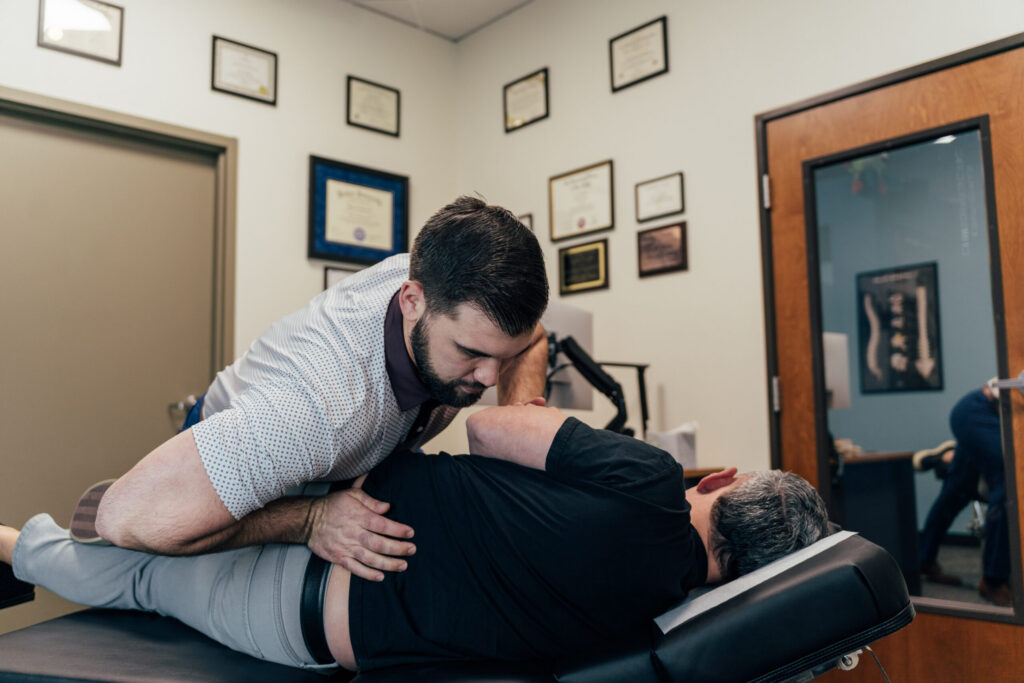

As a local chiropractor, I want to reassure you that if you're experiencing back pain, you're certainly not alone. Many individuals face similar challenges, and there are a variety of effective techniques we can explore together to help alleviate your discomfort.
In my practice, I often emphasize the importance of simple stretching exercises and targeted strengthening workouts. Each of these methods has its own set of benefits that can contribute significantly to your pain relief. Additionally, we should take a close look at your daily posture and how your surroundings may be affecting your back health.
By combining these strategies with chiropractic adjustments and other natural therapies, we can develop a tailored plan that meets your specific needs. If you're curious about which approaches might be the most beneficial for you, I invite you to join me in discussing these techniques in more detail. Together, we can work towards a healthier, pain-free back.
Stretching Exercises
As a local chiropractor, I want to emphasize the vital role that stretching exercises can play in alleviating back pain and enhancing your overall flexibility. Many of my patients find that by integrating these movements into their daily lives, they experience greater comfort and mobility.
When you engage in stretching, you promote blood circulation to your muscles, which can help alleviate tension and stiffness. This can lead to a marked reduction in pain levels and an improved range of motion.
To begin, I recommend focusing on gentle stretches that specifically target the muscles in your back, hips, and legs. A popular and effective stretch is the cat-cow stretch. Start by positioning yourself on your hands and knees, and then alternately arch your back toward the ceiling and dip it toward the floor. This dynamic movement is excellent for mobilizing your spine and relieving tightness.
Another beneficial stretch is the child's pose. Simply kneel on the ground, sit back on your heels, and extend your arms forward, resting them on the floor. Hold this stretch for several deep breaths, allowing your back to fully relax.
It's important to listen to your body during these exercises. If you experience any pain or discomfort, I encourage you to ease off or modify the stretch accordingly.
Consistency is crucial; aim to integrate stretching into your daily routine. You may find that dedicating just 10-15 minutes each day to these exercises can lead to a significant improvement in your back pain.
By incorporating stretching exercises into your lifestyle, you can work towards regaining flexibility and reducing discomfort. Remember, a little commitment can go a long way in managing back pain effectively through natural healing.
If you have any questions or need guidance on specific stretches, don't hesitate to reach out—I'm here to help you on your journey to better health!
Strengthening Workouts
As a local chiropractor, I want to share with you the importance of incorporating strengthening workouts into your routine to effectively alleviate back pain. These exercises play a crucial role in building muscle and providing support for your spine, which can significantly reduce discomfort.
When we strengthen the muscles in your back, core, and surrounding areas, we create a stable foundation that helps manage and prevent pain.
I recommend starting with low-impact exercises that are gentle on your back. Exercises like planks, bridges, and bird-dogs are excellent choices. These movements engage multiple muscle groups while promoting stability and balance.
Aim for two to three sets of 10 to 15 repetitions for each exercise, and as you become stronger, you can gradually increase the intensity.
It's also vital to focus on core workouts. A strong core is essential for supporting your spine and relieving strain on your back. Incorporating exercises such as dead bugs and abdominal bracing will effectively target and strengthen your core muscles.
As you progress in your routine, consider introducing resistance training with weights or resistance bands. Targeting upper back muscles through exercises like seated rows or lat pulldowns can further enhance your strength.
Always remember to maintain proper form to avoid any injuries.
Consistency is key in this journey. I recommend aiming to strengthen your muscles at least two to three times a week.
Pay attention to your body's signals; if you experience pain during a workout, it's important to stop and reassess.
With dedication to these strengthening workouts, you can greatly improve your back health and overall well-being. This not only helps you manage pain but also allows you to enjoy a more active lifestyle, free from discomfort.
Proper Posture
As a local chiropractor, I want to emphasize the importance of good posture for your overall health and well-being. Many people may not realize how crucial proper body positioning is in their daily activities, but it plays a significant role in maintaining a healthy back and preventing pain.
When you sit, stand, or move, your body alignment can either ease or exacerbate strain on your spine and surrounding muscles. To achieve and maintain good posture, I recommend starting with a few simple adjustments: keep your shoulders back and relaxed, lift your chest, and align your head directly over your spine. Picture a straight line extending from the top of your head down to your heels; this is the ideal posture we strive for.
When you're sitting—whether at work or home—ensure that your feet are flat on the floor, your knees form a right angle, and your back is adequately supported by your chair. If you spend long hours at a desk, it's important to adjust your chair height so that your elbows are at a comfortable angle. A lumbar roll can be a fantastic tool to help maintain the natural curve of your lower back, providing extra support.
If you find yourself standing for extended periods, remember to shift your weight from one foot to the other and engage your core muscles. This practice not only helps to distribute your weight evenly but also reduces pressure on your back, making a significant difference in your comfort levels.
And when it comes to lifting objects, always bend at your knees, keep the load close to your body, and avoid twisting your torso to prevent injury.
I encourage you to practice mindfulness regarding your posture throughout the day. Setting reminders on your phone or computer can prompt you to check in with your body and make necessary adjustments. By being proactive about your posture, you can significantly improve your spinal health, leading to a reduction in pain and discomfort.
Heat and Cold Therapy
As a chiropractor, I often see patients struggling with back pain, and I want to share how heat and cold therapy can be incredibly effective for relief. These natural methods can help address inflammation and muscle tension, making a real difference in your recovery process.
Heat therapy is particularly beneficial for relaxing tight muscles and improving blood flow to the affected areas. You can use a heating pad, a hot water bottle, or even enjoy a warm bath. I recommend applying heat for 15 to 20 minutes at a time. Just ensure that the heat is warm, not scalding, and give your skin a break between applications to avoid burns.
On the flip side, cold therapy is fantastic for reducing inflammation and numbing sharp pain. Ice packs or even a bag of frozen vegetables wrapped in a cloth can be effective. Similar to heat, apply cold for about 15 to 20 minutes, and let your skin return to its normal temperature before reapplying. Cold therapy is especially useful right after an injury or during a flare-up.
Many of my patients find that alternating between heat and cold therapy amplifies the benefits. Start with cold to help minimize swelling, then transition to heat to relieve muscle tension. It's important to listen to your body—if one method feels better for you, trust your instincts and use that approach.
Massage Techniques
As a local chiropractor dedicated to educating my patients about natural healing methods, I want to highlight a powerful approach to relieving back pain: massage techniques. Many people think of massage as a luxury, but it serves as a vital tool for alleviating discomfort in your back. By applying targeted pressure to specific areas, massage can help reduce tension, improve circulation, and promote a sense of relaxation.
One of the most popular techniques is Swedish massage. This method employs long, flowing strokes that enhance blood flow and ease muscle tension.
For those of you dealing with stubborn knots, deep tissue massage might be the answer. This technique penetrates deeper layers of muscle and connective tissue, making it particularly effective for chronic pain relief, albeit with a more intense approach.
Another valuable method to consider is trigger point therapy. This focuses on tight areas within the muscles—known as trigger points. By applying direct pressure to these spots, you can't only alleviate pain in the muscle itself but also relieve discomfort in surrounding areas. It's an excellent way to tackle localized pain.
If you're interested in self-care, I encourage you to explore self-massage techniques. Using tools like a foam roller or a massage ball can be incredibly beneficial. By rolling over sore spots for just a few minutes, you can effectively release built-up tension and promote healing.
If you're unsure about how to perform these techniques on your own, I highly recommend consulting with a professional massage therapist. They can create a personalized treatment plan tailored to your specific needs and provide you with effective strategies for ongoing care.
Whether you seek professional help or decide to try self-massage, incorporating these techniques into your routine can significantly reduce your back pain and enhance your overall well-being.
Mindfulness and Relaxation
As a local chiropractor dedicated to your well-being, I want to emphasize the importance of incorporating mindfulness and relaxation techniques into your daily routine as a powerful complement to your back pain relief efforts. Many patients may not realize that stress can significantly contribute to muscle tension and worsen discomfort. By focusing on the present moment and calming your mind, you can create a more supportive environment for your body to heal naturally.
Let's start with a simple technique: deep breathing. Find a comfortable spot, close your eyes, and take slow, deep breaths. Inhale deeply through your nose, letting your abdomen expand, and then exhale through your mouth. Concentrate solely on your breath, allowing any distracting thoughts to fade away. Just a few minutes of this practice each day can make a noticeable difference, and as you get more comfortable, you can gradually increase the duration.
Another technique I recommend is progressive muscle relaxation. This method involves tensing and then relaxing different muscle groups throughout your body. Start with your feet and methodically work your way up to your head, paying close attention to the sensations of tension and release. This practice not only enhances your awareness of where you carry stress but also aids in better pain management overall.
Additionally, I encourage you to consider incorporating mindfulness meditation into your routine. Setting aside time each day to sit in quiet reflection, focusing on your breath or repeating a calming mantra, can significantly reduce anxiety and promote a sense of overall well-being. This shift in mindset can have a positive impact on how you perceive and cope with your back pain.
Alternative Therapies
As a local chiropractor, I want to share how exploring alternative therapies can significantly enhance your strategy for managing back pain. These therapies take a holistic approach, considering not just the physical aspects of your pain but also your mental and emotional health.
One of the core services I provide is chiropractic care. This involves gentle manual adjustments to align your spine and enhance mobility. Many of my patients experience a reduction in pain and an improvement in overall function after just a few visits. By focusing on spinal health, we can help prevent future issues and promote your body's natural healing abilities.
In addition to chiropractic adjustments, I often recommend complementary therapies such as acupuncture. This ancient practice involves the insertion of thin needles into specific points on the body and has been reported by many to bring significant relief from chronic back pain.
Herbal remedies can also be beneficial. If you're interested, I can connect you with a qualified herbalist who can guide you on using anti-inflammatory herbs like turmeric and ginger to support your healing process.
Massage therapy is another excellent option that many of my patients find helpful. A skilled massage therapist can target specific muscle groups to alleviate tension, improve circulation, and promote relaxation, which is crucial for recovery.
Additionally, incorporating practices like yoga or tai chi can be transformative. These activities not only improve flexibility and strength but also foster mindfulness, helping you manage your pain perception more effectively.
Lastly, don't overlook the potential of essential oils. Oils such as peppermint and lavender can be used in aromatherapy or applied topically to help reduce discomfort. However, it's essential to consult with me or another healthcare professional before starting any new treatment to ensure it fits well with your overall care plan.
Lifestyle Modifications
As a local chiropractor, I want to share some essential lifestyle modifications that can significantly help you manage your back pain.
Firstly, it's important to create an ergonomic workspace that promotes healthy posture. This means adjusting your chair, desk, and computer screen to align with your body's natural position, which can alleviate strain on your back.
In addition to your workspace, incorporating a regular exercise routine tailored to strengthen your back muscles is crucial. Simple activities like stretching, walking, or specific strength-training exercises can make a substantial difference in your comfort levels and overall well-being.
These lifestyle changes, combined with the principles of chiropractic care, can enhance your healing process and help you achieve a pain-free life.
Ergonomic Workspace Setup
As a chiropractor dedicated to your overall health and well-being, I want to emphasize the importance of having an ergonomic workspace. A well-organized workspace can significantly alleviate back pain and enhance your comfort during those long hours of sitting.
Start by adjusting your chair to ensure your feet rest flat on the floor, and your knees are at or slightly below hip level. It's crucial to choose a chair that offers good lumbar support, as it should align with the natural curve of your lower back, promoting a healthy spine.
Next, let's talk about your desk setup. Your elbows should form a 90-degree angle when you type, allowing for proper arm positioning. It's vital to have your monitor at eye level, about an arm's length away, to prevent any unnecessary strain on your neck. If you're using a laptop, I highly recommend investing in a separate keyboard and mouse to achieve better alignment.
Pay attention to your posture while sitting. Keep your back straight and your shoulders relaxed—this helps avoid the common pitfalls of slouching or leaning forward, which can lead to discomfort.
I also encourage you to take regular breaks. Standing up, stretching, and walking around for a few minutes every hour can work wonders for your body.
Lastly, consider enhancing your setup with accessories such as a footrest or a document holder, if necessary. These small adjustments may seem minor, but they can create a significant impact in reducing back pain and boosting your productivity. Your spine will thank you!
Regular Exercise Routine
Incorporating a regular exercise routine into your daily life can be a transformative approach for managing back pain, and as your local chiropractor, I want to emphasize its importance. Engaging in physical activity not only strengthens your muscles but also enhances flexibility and promotes better posture—key components for maintaining a healthy spine.
I recommend focusing on low-impact exercises such as swimming, walking, or cycling. These activities allow you to stay active without putting excessive strain on your back, ensuring you get the movement your body needs for optimal health.
Strength training plays a crucial role as well. Concentrating on your core muscles is vital because a strong core provides support to your spine and helps alleviate pressure on your back. Simple exercises like planks, bridges, and pelvic tilts can yield significant benefits.
Additionally, don't overlook the importance of stretching; it improves flexibility and helps prevent injuries. Incorporating stretches like the cat-cow pose, hamstring stretches, and seated forward bends into your routine can greatly enhance your overall well-being.
Consistency is essential in any exercise regimen. I encourage you to dedicate at least 30 minutes most days to your physical activity. Always listen to your body and modify the intensity as necessary.
If you're uncertain about where to begin or how to tailor a program to your needs, I recommend consulting with a physical therapist or personal trainer who's knowledgeable in back care. Together, we can develop a personalized plan that aligns with your health goals, guiding you on the path to a healthier back.
Conclusion
As a local chiropractor, I want to share some valuable techniques to help you relieve back pain and enhance your overall wellness. Integrating these practices into your daily routine can make a significant difference. Start by focusing on stretching and strengthening your core muscles, as this can provide vital support for your spine. It's also critical to maintain good posture throughout your day, which can prevent unnecessary strain on your back.
Don't underestimate the power of heat or cold therapy; these methods can effectively alleviate discomfort and promote healing. Additionally, consider the benefits of massage therapy and mindfulness practices, as they can help reduce tension and improve your mental well-being.
With a few simple lifestyle adjustments, you can create a nurturing environment for your back. By taking these proactive steps, you'll be better equipped to stay active and pain-free. Remember, taking charge of your health is a journey, and I'm here to help you every step of the way!