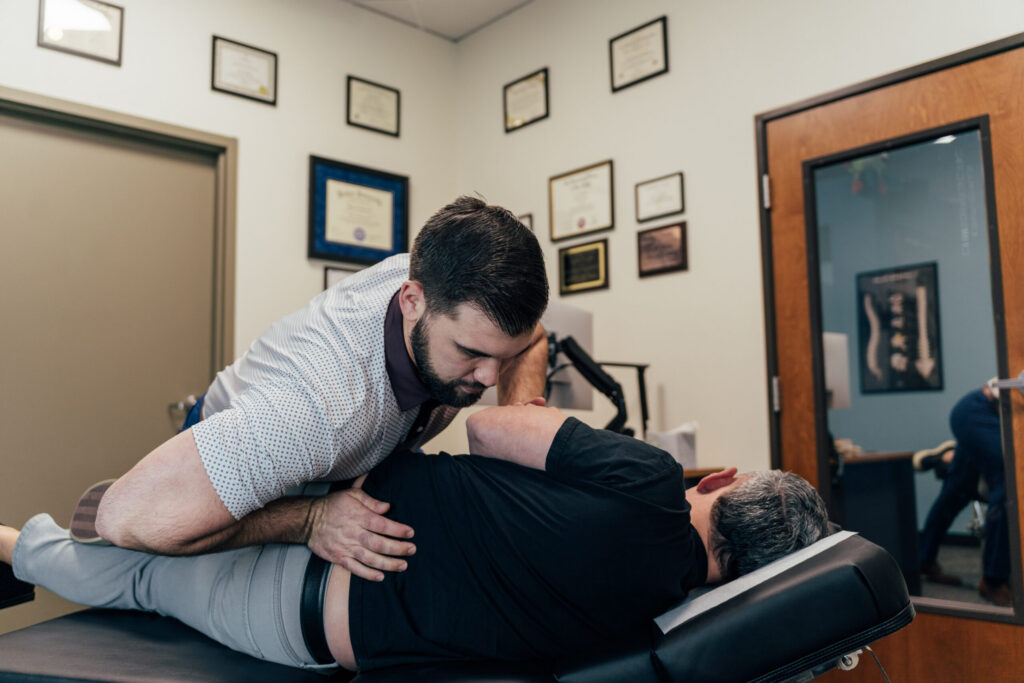

As a local chiropractor, I understand that lower back pain can be a frustrating and debilitating issue for many individuals. However, I want to reassure you that there are effective techniques you can implement within just 30 days to find relief. By focusing on stretching, strengthening your core, and incorporating mindfulness practices, you can make significant strides toward better back health.
It’s crucial to recognize the underlying causes of your discomfort, as understanding these factors can lead to more effective recovery. Chiropractic care emphasizes a holistic approach, addressing not just the symptoms but also the root causes of pain. Through gentle adjustments, targeted exercises, and lifestyle modifications, we can work together to restore balance and function to your spine.
Let’s explore some actionable steps you can take to regain control over your back health. With a commitment to these practices, you may find that relief is not only possible but achievable within a month. Remember, you don’t have to navigate this journey alone; I’m here to support you every step of the way.
Understanding Lower Back Pain: Causes and Symptoms
Lower back pain can often feel like an unwelcome companion, but as your local chiropractor, I want to help you understand its causes and symptoms so you can address it effectively. Many factors can contribute to your discomfort, such as poor posture, muscle strains, or injuries. Additionally, conditions like herniated discs or sciatica may also play a role in your pain.
The symptoms of lower back pain can vary from person to person. You might experience a dull ache, sharp pain, or stiffness in your lower back. In some cases, the pain can radiate down your legs, making it challenging to move comfortably.
If you find that your discomfort is persistent, it’s crucial to listen to your body and seek help. Recognizing these symptoms early can prevent further complications and allow you to take appropriate action.
As a chiropractor, I focus on natural healing methods that address the root causes of your pain. This might include lifestyle changes, targeted physical therapy, or chiropractic adjustments tailored to your needs.
The Importance of Stretching and Flexibility
As a chiropractor dedicated to your well-being, I want to emphasize the vital role that stretching and flexibility play in alleviating lower back pain.
Many patients may not realize that incorporating regular stretching into their daily routines can significantly enhance mobility and alleviate muscle tension.
Allow me to share some effective flexibility exercises that can help you maintain a pain-free lifestyle and support your overall health.
Benefits of Regular Stretching
As a local chiropractor, I want to emphasize the importance of incorporating regular stretching into your daily routine for improved flexibility and overall well-being. Many people don’t realize just how beneficial stretching can be, not only for enhancing your range of motion but also for making day-to-day activities feel easier and more comfortable.
When you stretch, you promote better blood circulation throughout your body. This increased circulation plays a vital role in muscle recovery and can help reduce soreness after physical activities. By committing to a consistent stretching regimen, you’ll find that it alleviates muscle tension, which can lead to decreased stress levels and a greater sense of relaxation.
Additionally, regular stretching helps you maintain proper posture. This is crucial for preventing issues such as lower back pain, which is something I often address in my practice.
Effective Flexibility Exercises
As a local chiropractor, I want to emphasize the importance of incorporating effective flexibility exercises into your daily routine for improved health and overall well-being.
Stretching is vital for keeping your muscles elongated and increasing your range of motion, which can significantly help in alleviating lower back pain. I often recommend specific exercises such as the cat-cow stretch, child’s pose, and hamstring stretches.
These movements not only relieve tension but also promote better posture, which is crucial for your spinal health.
You don’t need to dedicate hours to this practice; even just 10-15 minutes a day can lead to remarkable results.
As you engage in these stretches, remember to breathe deeply and pay attention to how your body feels. Regular flexibility work can’t only help alleviate pain but also enhance your physical performance in daily activities.
Strengthening Exercises for Core Support
As your local chiropractor, I want to emphasize the importance of strengthening your core to support your lower back and prevent discomfort.
Many people may not realize how interconnected our core muscles are with spinal health. In this section, I’ll guide you through some effective exercises specifically designed to engage and strengthen these muscles, along with essential tips to help you maintain proper form.
By incorporating these practices into your routine, you’ll be taking a proactive step towards building a solid foundation for your back health.
Let’s work together on this journey to enhance your overall well-being!
Importance of Core Strength
As a local chiropractor, I want to emphasize the importance of core strength for your overall health, particularly when it comes to maintaining a healthy back and preventing lower back pain. Your core muscles play a crucial role in supporting your spine and pelvis. When these muscles are strong, they help alleviate the risk of injury and strain on your back.
Many people may not realize that without adequate core strength, your lower back can bear excessive loads, which often leads to discomfort and pain. You might find that simple everyday activities, like lifting objects or bending down, become more difficult if your core isn’t engaged and strong.
Moreover, a stable core contributes significantly to better posture, which is essential for spinal health. Good posture helps keep your spine aligned and reduces stress on your back. By prioritizing core strength, you can’t only alleviate any existing pain but also build a solid foundation for your overall physical fitness.
Incorporating core strengthening exercises into your routine is a proactive step towards a healthier back and an improved quality of life. If you’re interested, I can guide you through some exercises and offer insights on how to integrate core strength training into your daily activities.
Recommended Core Exercises
As a local chiropractor dedicated to promoting natural healing and overall well-being, I want to emphasize the importance of building a strong core to support your lower back. Incorporating a few essential exercises into your routine can make a significant difference in your spinal health and overall stability.
Start with planks: hold your body in a straight line from head to heels for about 30 seconds. This exercise engages multiple muscle groups and helps reinforce your core stability. As you become more comfortable, gradually increase the duration.
Next, I recommend practicing bridges. Lie on your back with your knees bent, and lift your hips toward the ceiling. This movement effectively targets your glutes and lower back, providing essential support to your spine.
Another beneficial exercise is the side plank. This variation engages your obliques, which are crucial for maintaining balance and stability. It’s a fantastic way to strengthen the lateral muscles of your core.
Lastly, consider adding bird-dogs to your routine. While on all fours, extend one arm and the opposite leg, then switch sides. This exercise not only enhances core strength but also promotes balance, which is vital for preventing injuries.
Consistently practicing these exercises can help alleviate lower back pain and improve your overall core strength.
Tips for Proper Form
As a local chiropractor, I want to emphasize the importance of proper form while performing core exercises. It’s essential not only for maximizing the benefits of your workout but also for preventing injuries that could lead to chronic pain or discomfort.
Start by engaging your core muscles; think of pulling your belly button towards your spine. This simple action helps stabilize your back. Maintain a straight posture throughout your movements; avoid arching or rounding your back, as this can lead to misalignment and strain.
When performing exercises like planks or crunches, it’s crucial to ensure your shoulders are directly above your elbows and that your neck remains aligned with your spine. Avoid straining your neck by looking up or down—keeping it in a neutral position is key.
Remember to breathe steadily during your exercises. Exhale during the exertion phase to support your core and maintain control. Using slow and deliberate motions will help you stay stable, further reducing the risk of injury.
If you experience any discomfort, please stop immediately. It’s vital to reassess your form before continuing. Proper technique makes a significant difference in your overall workout and can help prevent future issues.
As a chiropractor, I encourage you to prioritize your body’s alignment and health in every exercise you perform.
The Role of Posture in Back Health
As a local chiropractor, I want to emphasize the vital role posture plays in maintaining a healthy back. Good posture is more than just standing tall; it involves proper alignment of your body while sitting, standing, or moving. When your body is aligned correctly, your weight is distributed evenly, which helps to reduce unnecessary strain on your muscles and ligaments.
Conversely, poor posture, such as slouching or hunching, can lead to muscle fatigue and chronic pain, making it difficult to engage fully in your daily activities.
To enhance your posture, it’s important to be conscious of how your body is positioned throughout the day. When you sit, ensure your feet are flat on the floor and your back is supported by the chair. If you’re standing, distribute your weight evenly across both feet and activate your core muscles.
I encourage you to regularly check your posture to make sure you’re not leaning to one side or slumping forward.
Incorporating posture awareness into your daily routine can significantly improve your back health. Not only will you feel more comfortable, but you’ll also boost your overall well-being.
By prioritizing your posture, you’re not just taking care of your back; you’re investing in your health. Remember, your body is your home, and taking care of your posture is a crucial step towards natural healing and wellness.
Let’s work together to achieve a healthier posture and a happier back!
Incorporating Mindfulness and Relaxation Techniques
As a chiropractor, I want to share how incorporating mindfulness and relaxation techniques can play a significant role in alleviating lower back pain while enhancing your overall well-being. Many of my patients have found that by focusing on the present moment, they can reduce the stress and tension that often exacerbate discomfort in their back.
One effective technique I recommend is deep breathing exercises. This involves inhaling slowly through your nose and exhaling gently through your mouth. This simple practice not only calms your mind but also helps relax your muscles, making it a great addition to your daily routine.
Additionally, meditation or guided imagery can be beneficial in shifting your focus away from pain. I suggest finding a quiet space, closing your eyes, and visualizing a peaceful setting—like a serene beach or a tranquil forest. Allow yourself to fully immerse in this calming environment, which can help reduce your perception of pain.
Yoga and gentle stretching are also excellent for promoting relaxation while improving your flexibility and strength. Incorporating poses such as child’s pose and cat-cow stretch into your routine can be particularly helpful.
It’s important to remember that consistency is key; I encourage my patients to set aside time each day for these practices.
The Benefits of Heat and Cold Therapy
As a local chiropractor, I want to share with you the benefits of heat and cold therapy for managing lower back pain. These natural methods can effectively address inflammation and promote healing in your body.
Heat therapy is fantastic for relaxing tight muscles and improving blood flow, which can ease stiffness and discomfort in your lower back. You can easily incorporate heat into your routine by using a warm towel, a heating pad, or even enjoying a warm bath. This gentle warmth can provide soothing relief and help you feel more comfortable.
On the flip side, cold therapy plays a crucial role in reducing swelling and numbing sharp pain. Applying ice packs or cold compresses to the affected area for about 15-20 minutes can make a significant difference. Just be sure to wrap the ice in a cloth to protect your skin from frostbite.
For optimal results, I encourage you to combine these therapies. Start with cold therapy to tackle inflammation and follow up with heat to stimulate circulation.
By integrating heat and cold therapy into your pain management routine, you can expect to experience a noticeable reduction in discomfort and an enhancement in your mobility. This will allow you to return to your daily activities with greater ease and comfort.
Exploring Manual Therapies: Chiropractic and Massage
As a local chiropractor, I want to take a moment to discuss how manual therapies like chiropractic care and massage can significantly aid in your recovery from lower back pain. Chiropractic adjustments are designed to realign your spine, which can help reduce nerve irritation and enhance your mobility.
When you come to my office, I’ll conduct a thorough assessment of your condition and create a personalized treatment plan focused on alleviating your pain and restoring your functional abilities.
In addition to chiropractic care, I also recommend considering massage therapy as part of your recovery process. Massage therapy is excellent for relaxing the muscles around your lower back, improving circulation, reducing tension, and promoting overall relaxation.
Whether you enjoy the intensity of deep tissue massage or the gentle approach of Swedish massage, a skilled therapist can focus on specific areas of discomfort, aiding in your healing process.
By integrating both chiropractic care and massage into your pain relief strategy, you can experience a synergistic effect that leads to better outcomes. Addressing both the structural and muscular components of your lower back pain increases your chances of achieving lasting relief.
I’m here to guide you on this journey to better health and well-being.
Lifestyle Modifications for Long-Term Relief
As a local chiropractor, I want to share some essential lifestyle modifications that can help you achieve long-term relief from lower back pain. One of the first steps is to create an ergonomic workspace. This means setting up your desk and chair in a way that supports your spine’s natural alignment, reducing strain on your back during daily activities.
Incorporating regular exercise into your routine is also crucial. Gentle activities like walking, swimming, or yoga can strengthen your back muscles and improve flexibility, which can significantly alleviate discomfort.
Additionally, being mindful of your posture throughout the day is vital. Whether you’re sitting at a desk, standing, or even lifting objects, maintaining proper posture can help prevent further strain on your back.
By making these adjustments, you can enhance your comfort and overall well-being, paving the way for a healthier, pain-free life.
Ergonomic Workspace Setup
As a chiropractor, I often see patients suffering from lower back pain due to poor workspace ergonomics. It’s essential to create a well-designed ergonomic workspace to enhance your comfort, especially during those long hours of work.
Start with your chair: adjust it so that your feet are flat on the floor and your knees are at hip level. A chair that provides lumbar support is crucial, as it helps maintain the natural curve of your spine. This simple adjustment can alleviate pressure on your lower back.
Next, consider your desk height. It should be at elbow level to keep your wrists straight while typing. This prevents unnecessary strain on your wrists and arms.
Your monitor should be positioned at eye level; looking down or up can lead to neck strain over time.
Don’t overlook the placement of your keyboard and mouse. They should be within easy reach to eliminate the need for stretching or reaching, which can lead to discomfort.
Lastly, remember to take short breaks throughout your day. Stretching and changing positions are vital to maintaining your body’s health and preventing stiffness.
Regular Exercise Routine
As your local chiropractor, I want to emphasize that creating an ergonomic workspace is just one piece of the puzzle when it comes to maintaining a healthy back.
Regular exercise plays a crucial role in achieving long-term relief from lower back pain. Activities such as walking, swimming, or cycling can help strengthen your core muscles, which are vital for supporting your spine.
I recommend aiming for at least 150 minutes of moderate aerobic activity each week. This can be complemented with strength training exercises twice a week to further enhance your back health.
Additionally, don’t overlook the importance of stretching—flexibility exercises are fundamental in improving your range of motion and reducing stiffness.
Make your exercise routine enjoyable by choosing activities you love. This increases the likelihood that you’ll stick with it.
Remember, consistency is key. Even short daily workouts can significantly impact your ability to manage pain and enhance your overall well-being.
Healthy Posture Awareness
As a local chiropractor, I want to emphasize the importance of maintaining healthy posture in your everyday activities for long-term relief from lower back pain. Many people aren’t aware that the way you sit, stand, or lift can significantly impact your spinal health.
When you’re sitting, make sure your spine is aligned and avoid any slouching. Investing in ergonomic chairs and adjusting your workspace can greatly support your back.
While standing, try to distribute your weight evenly across both feet and engage your core muscles to provide added stability.
If you ever need to lift something heavy, remember to bend at your knees instead of your waist. This technique is crucial for protecting your back and preventing injury.
Being mindful of your posture throughout the day can significantly reduce strain on your spine and help prevent future discomfort.
I encourage you to take regular breaks to stretch and reset your posture. By incorporating these simple strategies into your daily routine, you’ll not only promote spinal health but also enjoy lasting relief from pain.
Understanding and practicing good posture is a vital part of natural healing and can make a world of difference in how you feel.
Nutrition’s Impact on Back Health
As a local chiropractor, I want to emphasize how crucial nutrition is for maintaining a healthy back. The food choices you make can significantly influence your overall well-being, particularly when it comes to back health. Eating a diet that’s rich in anti-inflammatory foods—such as a variety of fruits, vegetables, and whole grains—can help reduce inflammation and alleviate pain in your back.
Incorporating omega-3 fatty acids, which are abundant in fish and flaxseeds, is also beneficial for supporting joint health and easing discomfort. On the flip side, consuming excessive sugar and processed foods can lead to increased inflammation, which may worsen any back pain you’re experiencing.
Staying well-hydrated is essential, too. Drinking enough water helps keep your spinal discs lubricated, which is crucial for preventing stiffness and maintaining mobility.
Additionally, ensuring that you get enough minerals like calcium and magnesium is important for strengthening your bones and muscles. You can find these nutrients in dairy products, leafy greens, and nuts, which should be regular components of your meals.
And let’s not overlook the importance of vitamin D—it plays a key role in calcium absorption, which is vital for keeping your spine strong and healthy.
Tracking Your Progress: Setting Goals and Staying Motivated
As a chiropractor dedicated to helping you relieve your lower back pain, I want to share some effective strategies for tracking your progress on your healing journey.
First and foremost, it’s essential to set specific and measurable goals. For example, instead of a vague objective like “I want to feel better,” aim for something concrete, such as “I want to walk for 20 minutes daily without experiencing pain.” Writing down these goals and breaking them into smaller, achievable steps will make them more manageable.
I also encourage you to keep a journal to document your daily activities, pain levels, and any changes you notice in your condition. This practice will help you identify patterns and understand what approaches work best for you.
Don’t forget to celebrate small victories along the way, like reducing the intensity of your pain or increasing your range of motion. These moments of progress can be incredibly motivating!
Additionally, consider utilizing apps or tools specifically designed for tracking health progress. These resources can provide reminders and help you visualize your improvements over time, making your journey feel more tangible.
Lastly, I recommend sharing your experiences with friends or joining a support group. Their encouragement and understanding can significantly boost your motivation and commitment to overcoming lower back pain through chiropractic care and natural healing methods.
Together, we can work towards a healthier, pain-free life!
Conclusion
As a local chiropractor, I’m here to guide you on a journey to relieve your lower back pain in just 30 days. By integrating simple stretching exercises, core strengthening routines, and mindfulness practices into your daily life, you can not only alleviate discomfort but also promote overall wellness. It’s essential to be mindful of your posture and to make any necessary adjustments in your daily habits. I encourage you to stay dedicated to this process, keep track of your improvements, and celebrate the small victories along the way. With the right tools and support, you can reclaim your comfort and enhance your back health naturally!