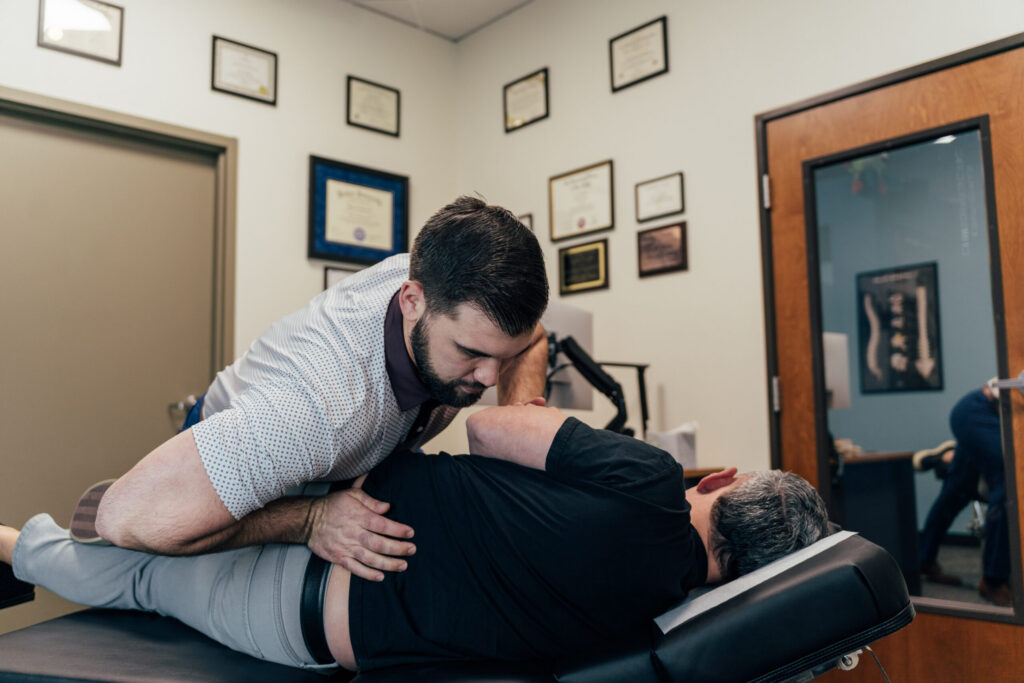

As a local chiropractor, I often see patients who are dealing with back pain, and I want to share some valuable insights on how specific stretches can help alleviate discomfort. Incorporating gentle stretches like the Cat-Cow and Child’s Pose into your daily routine can significantly improve your flexibility and support proper spinal alignment. These stretches target crucial muscle groups that, when tight, can contribute to tension and discomfort in your back.
By taking the time to incorporate these stretches, you can not only relieve pain but also enhance your overall mobility and well-being. If you’re curious about which stretches might provide the most relief for your specific condition, I invite you to explore these effective options with me. Together, we can work towards a healthier, pain-free lifestyle through natural healing methods.
The Cat-Cow Stretch
As a local chiropractor, I often recommend the Cat-Cow Stretch to my patients as a simple yet effective exercise for promoting flexibility and relieving back tension.
To perform this stretch, begin by positioning yourself on all fours, ensuring your hands are directly beneath your shoulders and your knees are aligned under your hips.
Start with the Cow pose: as you inhale, gently arch your back, allowing your belly to drop toward the floor while lifting your head and tailbone upwards. This position opens up your chest and provides a wonderful stretch to your spine.
Next, transition into the Cat pose: as you exhale, round your back by tucking your chin to your chest and drawing your belly button toward your spine. This movement helps to engage your core and release tension in your back.
Flowing between these two positions creates a gentle rhythm that warms up your spine and encourages mobility.
I recommend aiming for 5 to 10 cycles, synchronizing your breath with each movement. Many of my patients find that this practice not only alleviates tension but also enhances their overall well-being.
Incorporating the Cat-Cow Stretch into your daily routine can be a proactive step in preventing back pain and promoting a healthier back.
Child’s Pose
As a local chiropractor, I often recommend the Child’s Pose to my patients as a beneficial stretch for alleviating back tension and promoting overall relaxation.
This pose is quite simple to perform—you start by kneeling and gently folding forward—yet there are various modifications available to ensure your comfort and effectiveness.
Incorporating the Child’s Pose into your routine can provide significant relief, especially if you experience tightness in your back or neck.
It encourages proper alignment and can help to release built-up stress in the spine and surrounding muscles.
I encourage my patients to explore the different ways to practice this restorative pose, allowing them to discover what feels best for their bodies.
Making this stretch a part of your regular self-care can enhance your overall well-being and support your journey toward natural healing.
Benefits of Child’s Pose
As a local chiropractor, I want to share the remarkable benefits of incorporating Child’s Pose into your wellness routine. This gentle stretch isn’t just a yoga pose; it serves as an excellent tool for promoting relaxation and alleviating tension in your back.
When you practice Child’s Pose, you help lengthen your spine and relieve tightness in the lower back and hips, which can be particularly beneficial for those who spend long hours sitting.
As you settle into this pose, you’ll likely experience a soothing effect on your mind, helping to reduce stress and anxiety levels. This calming aspect encourages deep, mindful breathing, which is essential for enhancing your overall sense of well-being.
Moreover, Child’s Pose can significantly improve flexibility in your spine and hips, making everyday movements easier and more comfortable. Regularly practicing this pose can also aid in preventing back pain by promoting proper alignment and posture—two key components of chiropractic care.
Embracing Child’s Pose as part of your routine can lead to substantial improvements in both your physical and mental health. It’s a simple yet effective way to support your body naturally, and I encourage you to give it a try!
How to Perform
As a chiropractor, I often recommend gentle stretches and poses that can help alleviate tension and promote relaxation. One such pose is Child’s Pose, which is particularly beneficial for your back and overall well-being.
To get started, find a comfortable spot on the floor. Begin by kneeling with your big toes touching and your knees spread apart. This position allows for a gentle opening of your hips.
Next, sit back on your heels and slowly lower your torso forward. You can extend your arms out in front of you on the floor, or let them rest alongside your body with your palms facing up.
As you settle into this pose, focus on relaxing your shoulders and neck while taking deep, mindful breaths. This will help release any built-up tension in your body. Aim to hold this position for anywhere from 30 seconds to a few minutes, allowing your back to stretch gently.
Close your eyes and concentrate on your breathing, letting go of any distractions that may be on your mind.
When you feel ready to come out of the pose, do so slowly. Lift your torso back up and return to a seated position, trying to maintain that sense of calm and relaxation.
Incorporating poses like this into your routine can be a wonderful way to support your chiropractic care and enhance your natural healing process.
Modifications for Comfort
As a chiropractor, I want to help you understand how to practice Child’s Pose in a way that promotes relaxation and comfort, especially if you’re new to it or find the standard position challenging.
First, consider widening your knees. This simple adjustment can create more space for your torso, allowing for a deeper and more restorative relaxation.
If you’re feeling tension in your back or neck, try placing a folded blanket or bolster under your chest and forehead for added support. This can help alleviate strain and provide a more comfortable experience.
If you notice tightness in your hips, sitting on a block or cushion can elevate your pelvis. This elevation can ease the forward fold and make the pose feel more accessible.
Additionally, feel free to experiment with the position of your arms—stretching them forward or placing them alongside your body to see what feels most comfortable for you.
Seated Forward Bend
The Seated Forward Bend is an excellent stretch that can significantly enhance your spine health and alleviate tension in your back.
As a chiropractor, I believe that incorporating this pose into your routine can be a powerful natural healing tool.
It’s essential to use the correct technique to maximize the benefits of this stretch, and I’m here to guide you through it.
Additionally, I’ll provide you with some practical tips to make the Seated Forward Bend a regular part of your wellness regimen.
Benefits for Spine Health
As a local chiropractor, I want to share with you the incredible benefits of the Seated Forward Bend for your spine health. This gentle stretch is an excellent addition to your wellness routine and can significantly improve your overall well-being. Here’s how it can help you:
- Improved Posture: By practicing this stretch, you can enhance your spinal alignment and reduce the tendency to slouch, which is crucial for maintaining a healthy spine.
- Increased Flexibility: Regularly engaging in the Seated Forward Bend can stretch your hamstrings and lower back, helping to alleviate stiffness and improve your overall flexibility.
- Reduced Tension: This stretch can help release tightness in your spine and hips, promoting relaxation and ease of movement.
- Enhanced Circulation: As you stretch, blood flow to your spinal tissues increases, providing essential nutrients that support spinal health and recovery.
- Stress Relief: The calming nature of this pose can help you unwind, making it a great practice for reducing anxiety and promoting mental well-being.
Incorporating the Seated Forward Bend into your daily routine can play a significant role in maintaining a healthy spine and ensuring your long-term comfort.
As always, I encourage you to listen to your body and consult with a healthcare professional if you have any concerns about your spine health.
Proper Technique Demonstration
As a chiropractor, I want to share an effective stretch that can benefit your spine and overall well-being: the Seated Forward Bend.
Begin by sitting comfortably on the floor with your legs extended straight in front of you. It’s important to keep your feet flexed and your spine in an upright position. Take a deep breath in, reaching your arms overhead, and as you exhale, gently hinge at your hips to fold forward. The goal here is to bring your chest toward your thighs rather than simply reaching for your toes.
If you’re able, grasp your feet or shins, but remember to listen to your body and avoid any straining. Keep your neck relaxed and your gaze directed toward your legs. Hold this position for about 20 to 30 seconds while taking deep breaths to enhance the stretch.
Focus on the sensations along your back and hamstrings; this will allow your body to relax into the pose. Incorporating stretches like this into your routine can help maintain spinal health and promote natural healing.
It’s a simple yet effective way to support your body’s alignment and flexibility. Always consult with a healthcare professional if you have any concerns or pre-existing conditions before trying new stretches.
Tips for Consistency
As a chiropractor, I often emphasize the importance of consistency in maintaining a healthy body and mind. Incorporating the Seated Forward Bend into your daily routine can be an effective way to support your overall well-being.
Here are some practical tips to help you stay committed to this beneficial practice:
- Choose a specific time each day for your stretch; whether it’s in the morning to start your day right or in the evening to unwind, consistency is key.
- Establish a dedicated space in your home where you can practice without distractions, creating an environment that promotes relaxation and focus.
- Set reminders on your phone or use sticky notes in visible places to prompt you to take a moment for your stretch.
- Combine it with another daily habit, like brushing your teeth or watching your favorite show, to help reinforce this positive routine.
- Keep track of your progress in a journal or an app, allowing you to celebrate your commitment to your health and witness the benefits over time.
Standing Hamstring Stretch
As a local chiropractor dedicated to helping you achieve optimal health, I want to share a valuable stretch that can significantly alleviate tension in your lower back: the standing hamstring stretch. Many of my patients are unaware that tight hamstrings can contribute to lower back pain, so incorporating this stretch into your routine can be quite beneficial.
To perform the standing hamstring stretch, begin by standing with your feet hip-width apart. Focus on hinging at your hips while keeping your back straight. As you lean forward, reach toward the floor. If possible, grasp your ankles or shins.
Hold this position for 15 to 30 seconds, paying attention to the gentle stretch in your hamstrings and lower back. Remember to breathe deeply, allowing your body to relax into the stretch. After holding the position, gently rise back to a standing posture.
I recommend repeating this stretch two to three times. By regularly practicing the standing hamstring stretch, you can improve your flexibility, reduce muscle tension, and support your lower back health.
It’s a simple yet effective way to enhance your overall well-being and prevent discomfort. If you have any questions or would like more guidance on stretches and exercises tailored to your needs, feel free to reach out during your next visit!
Piriformis Stretch
As a local chiropractor, I want to share some insights on how muscle tightness can affect your body, particularly when it comes to lower back pain. One muscle that often goes unnoticed is the piriformis. This small yet powerful muscle is located deep within your glutes and can become tight, potentially irritating the sciatic nerve and causing discomfort in your lower back.
One effective way to alleviate this tension and improve your mobility is through a simple stretch specifically targeting the piriformis muscle. Here’s how you can perform the piriformis stretch:
- Begin by sitting on the floor with your legs extended straight in front of you.
- Bend one knee and cross that leg over your opposite thigh.
- Gently pull the bent knee toward your opposite shoulder, feeling a stretch in your glutes.
- Hold this position for 20-30 seconds to allow the muscle to release.
- Switch sides and repeat the stretch.
Integrating this stretch into your daily routine can be a game-changer. It not only helps alleviate back pain but also enhances your flexibility and contributes to better posture.
Cobra Stretch
As a local chiropractor, I often recommend the Cobra Stretch to my patients seeking to enhance their spinal flexibility and relieve lower back tension. This stretch is an excellent way to promote a healthier back and improve overall well-being.
To perform the Cobra Stretch, begin by lying face down on the floor, with your legs extended straight behind you and your palms positioned under your shoulders. As you take a deep breath in, gently press into your hands to lift your chest off the ground, allowing your back to arch in a natural way.
It’s important to keep your elbows slightly bent and your shoulders relaxed, away from your ears. Hold this position for 15 to 30 seconds while continuing to breathe deeply.
During this stretch, you should feel a gentle opening in your chest and abdomen, along with a soothing stretch in your lower back. Always be mindful to avoid any strain on your neck by keeping your gaze forward or slightly upward.
When you’re ready, slowly lower your chest back to the floor, releasing the stretch.
Incorporating the Cobra Stretch into your daily routine can significantly contribute to a more flexible spine and help prevent discomfort in your back.
Knee-to-Chest Stretch
As a local chiropractor, I want to share with you the benefits of incorporating the Knee-to-Chest Stretch into your wellness routine, especially after trying the Cobra Stretch.
This gentle yet effective stretch focuses on your lower back and hips, which can be key areas of tension for many people. Here’s how you can perform this stretch:
- Begin by lying on your back with your knees bent and your feet flat on the floor.
- Slowly pull one knee towards your chest using both hands, ensuring you maintain a comfortable posture.
- Hold this position for 15-30 seconds, allowing yourself to feel the gentle release of tension in your lower back.
- Switch to the other leg and repeat the process.
- For an even deeper stretch, consider bringing both knees towards your chest simultaneously.
The Knee-to-Chest Stretch offers numerous benefits, including:
- Alleviating lower back pain
- Increasing hip flexibility
- Enhancing blood circulation
- Relieving spinal tension
- Promoting a sense of relaxation
Incorporating this stretch into your routine can significantly improve your back health and overall well-being.
With regular practice, you’ll find that you feel more comfortable and flexible, which can support your journey towards better health.
If you have any questions about how stretches like this can complement your chiropractic care, feel free to ask!
Spinal Twist
As a chiropractor, I often emphasize the importance of incorporating effective stretches into your daily routine, and one stretch I highly recommend is the Spinal Twist. This stretch can significantly enhance spinal mobility and help alleviate tension in your back, making it a great addition to your overall wellness strategy.
To perform the Spinal Twist, start by sitting comfortably on the floor with your legs extended in front of you. Next, bend your right knee and place your foot flat on the ground outside your left thigh. Take a moment to take a deep breath in, and as you exhale, gently twist your torso to the right. You can use your left elbow to rest against your right knee for added support.
It’s important to keep your spine straight and your shoulders relaxed during this stretch. Aim to hold this position for about 30 seconds, focusing on your breath and allowing your body to ease into the stretch.
After you’ve held the position, gently release and switch to the other side, repeating the twist on the left. This simple yet effective stretch not only enhances your flexibility but also promotes a greater range of motion in your spine.
Chest Opener Stretch
As a local chiropractor, I often see patients who focus primarily on back stretches, overlooking the importance of chest stretches. This oversight can lead to poor posture and contribute to back pain.
One effective stretch I recommend is the Chest Opener Stretch, which helps alleviate tightness in your chest and shoulders, promoting better alignment and relieving tension.
Here’s how to perform the Chest Opener Stretch:
- Stand tall with your feet shoulder-width apart.
- Interlace your fingers behind your back.
- Straighten your arms and gently lift them, which will open up your chest.
- Hold this position for 15-30 seconds while breathing deeply.
- Repeat this stretch 2-3 times.
Incorporating this stretch into your routine not only enhances flexibility but also encourages deeper breathing, which can help reduce stress.
A consistent regimen that includes the Chest Opener Stretch can significantly improve your posture and lower the risk of back pain.
Conclusion
As a local chiropractor, I want to share some valuable insights on how incorporating specific stretches into your daily routine can significantly help prevent back pain and enhance your spinal health. Simple yet effective stretches like the Cat-Cow and Cobra can improve your flexibility, alleviate tension, and promote proper posture.
It’s essential to be mindful of your breathing while you stretch; this allows your body to relax and effectively release tightness. By making these stretches a consistent part of your day, not only will you start to feel better, but you’ll also be taking proactive steps to support your overall well-being and keep chronic back issues at bay. Remember, natural healing practices, including these stretches, can be an integral part of your journey to a healthier spine.