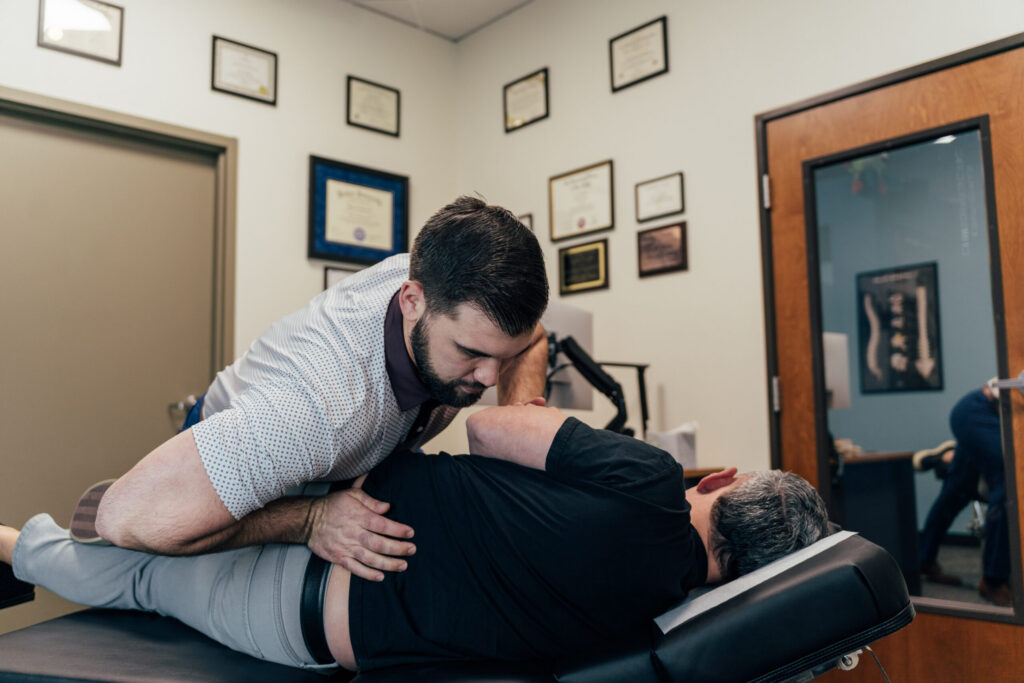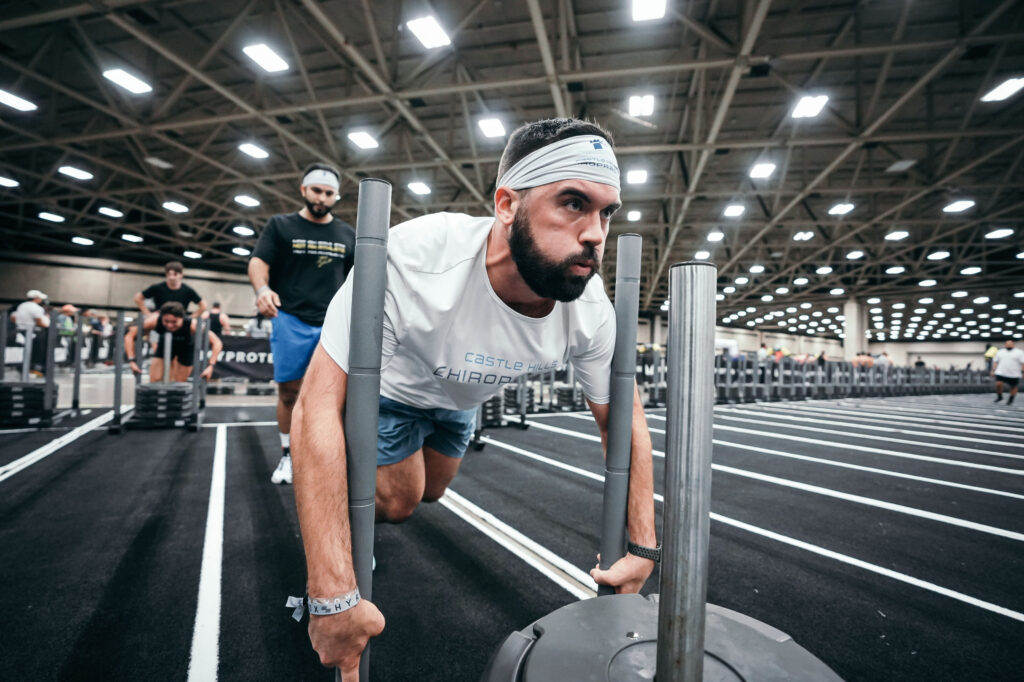

When you sustain a sports injury, it's easy to think you can push through it or manage it on your own. However, seeking professional help is essential for accurate diagnosis and effective treatment. Understanding the specific nature of your injury not only helps in crafting a customized recovery plan but also prevents further complications down the line. Furthermore, expert guidance can empower you to regain your strength and confidence. But there's more to reflect on than just physical recovery—what about the psychological aspects of healing?
Importance of Proper Diagnosis
When you're dealing with a sports injury, getting a proper diagnosis is vital. You might think you can push through the pain or self-diagnose based on past experiences, but that can lead to more significant problems down the line. A proper diagnosis allows you to understand the exact nature of your injury, whether it's a sprain, strain, fracture, or something else entirely. This clarity is essential for your recovery.
Visiting a medical professional who specializes in sports injuries can provide you with the insights you need. They'll perform a thorough evaluation, which may include physical examinations and imaging tests like X-rays or MRIs. This detailed approach guarantees that you don't overlook any underlying issues that could worsen if ignored.
Once you have a clear diagnosis, you can make informed decisions about your treatment options. Whether it involves rest, physical therapy, or even surgery, knowing precisely what you're dealing with sets the stage for effective recovery. You also avoid the risk of exacerbating your injury by attempting to return to your sport too soon or engaging in incorrect rehabilitation.
Furthermore, understanding your injury helps manage your expectations. You'll gain a realistic timeline for recovery and a better grasp of what to expect during the healing process.
Customized Rehabilitation Plans
When you're recovering from a sports injury, a customized rehabilitation plan can make all the difference.
These individualized recovery strategies focus on your specific needs and goals, ensuring you get back to your game safely.
Plus, progress tracking systems help you see how far you've come, keeping you motivated throughout your journey.
Individualized Recovery Strategies
For athletes recovering from sports injuries, individualized recovery strategies are essential. Customizing your rehabilitation plan to fit your specific needs can greatly enhance your recovery process.
By focusing on your unique situation, you can target the right areas for improvement and get back to your sport as quickly and safely as possible. Here are some key components to reflect on in your recovery strategy:
- Assessing injury specifics: Understanding the nature and extent of your injury helps tailor your plan.
- Setting realistic goals: Establish achievable milestones to keep you motivated and on track.
- Incorporating varied therapies: Utilize a mix of physical therapy, strength training, and flexibility exercises to promote holistic healing.
- Adjusting for progress: Modify your plan as you improve to guarantee you're always challenged and engaged.
- Prioritizing mental health: Addressing psychological aspects can aid in building resilience and coping strategies during recovery.
Progress Tracking Systems
Progress tracking systems are essential for effective customized rehabilitation plans, allowing you to monitor your recovery journey in real-time. These systems help you assess your progress by collecting data on your performance and symptoms, giving you a clear view of how well you're healing.
When you engage with a progress tracking system, you can set specific goals tailored to your needs. By regularly updating your status, you can identify areas that require more focus or adjustments in your rehabilitation plan. This proactive approach not only keeps you motivated but also enhances communication with your healthcare provider, guaranteeing your treatment is always aligned with your recovery.
Moreover, tracking your progress can highlight improvements you might overlook, boosting your confidence and commitment to the recovery process. You'll also be better prepared for discussions with your therapist about any adjustments needed in your plan, leading to a more efficient recovery.
Incorporating a progress tracking system into your rehabilitation routine can make all the difference. So, take advantage of technology and stay on top of your recovery to guarantee you return to your sport stronger and more resilient than ever.
Expert Guidance on Recovery
Seeking expert guidance on recovery can greatly enhance your healing process after a sports injury. When you work with professionals, you gain access to tailored strategies that can accelerate your recovery and help you return to your sport safely.
Here are some key benefits of seeking expert help:
- Personalized Treatment Plans: Experts assess your specific injury and create a recovery plan that caters to your needs.
- Pain Management: Learn effective techniques to manage pain and discomfort, allowing you to focus on healing.
- Rehabilitation Techniques: Professionals can guide you through exercises and therapies that promote strength and flexibility in the injured area.
- Progress Monitoring: Regular check-ins with an expert help track your recovery and make necessary adjustments to your program.
- Emotional Support: Recovering from an injury can be mentally challenging. Experts provide encouragement and advice to help you stay positive.
Prevention of Future Injuries
After recovering from a sports injury, it's important to focus on preventing future injuries to secure long-term athletic success. You can take proactive steps to protect your body and guarantee you remain in the game. Start by understanding the specific injury you faced and the factors that contributed to it. This knowledge will empower you to avoid similar pitfalls down the road.
Incorporating a structured warm-up and cool-down routine is vital. Spend time stretching and gradually increasing your heart rate before practices and games. This prepares your muscles and joints for the physical demands of your sport.
Likewise, cooling down helps to relax your body and promote recovery after intense activity.
Strengthening exercises tailored to your sport can also greatly reduce injury risks. Focus on building the muscles around vulnerable joints to improve stability and support.
Balance and flexibility training should play an essential role in your routine as well, since they enhance your overall athletic performance while minimizing the chances of injury.
Additionally, pay attention to proper technique and form during training and competition. If you're unsure, consider working with a coach or trainer who can provide guidance and feedback.
Finally, listen to your body. If you feel pain or discomfort, don't push through it. Rest and seek help if necessary.
Enhanced Performance Post-Injury
Achieving enhanced performance after a sports injury isn't just about recovery; it's an opportunity to come back stronger and more resilient.
You'll find that the journey of rehabilitation can lead to significant improvements in your overall game. By focusing on the right strategies, you can turn your setback into a comeback.
Here are some key factors that can contribute to your enhanced performance post-injury:
- Targeted Rehabilitation: Tailored exercises can strengthen weak areas and improve your overall physical condition.
- Mental Resilience: Overcoming an injury often builds mental toughness, helping you handle pressure and challenges better.
- Technique Improvement: You'll have the chance to refine your skills and techniques, leading to better performance on the field or court.
- Increased Awareness: Recovery can make you more mindful of your body's signals, allowing you to prevent future injuries.
- Rest and Recovery: Proper recovery time can lead to improved stamina and strength, enhancing your physical capabilities.
Embracing these elements guarantees you're not just getting back to where you were, but you're actually surpassing your previous performance levels.
It's a mindset shift, one that encourages you to see injury as a stepping stone rather than a stumbling block.
So, as you work through your rehabilitation, remember that this is your chance to evolve and become the athlete you aspire to be.
Seize the moment, and you'll be amazed at what you can achieve!
Access to Advanced Treatments
Access to advanced treatments can greatly enhance your recovery from sports injuries, giving you a competitive edge. When you seek help from medical professionals, you gain access to cutting-edge therapies and technologies that can speed up your healing process. Instead of relying on traditional methods alone, you can explore innovative options tailored to your specific injury.
For instance, advancements like regenerative medicine, which includes techniques such as platelet-rich plasma (PRP) therapy, can markedly improve tissue healing. These methods harness your body's natural healing abilities, allowing for faster recovery and a more effective return to your sport.
Additionally, specialized physical therapy programs can incorporate advanced modalities, such as electrical stimulation and ultrasound therapy, to alleviate pain and promote healing.
Moreover, you'll benefit from personalized rehabilitation plans that consider your athletic goals and injury specifics. This targeted approach not only helps you recover but also prepares you for future challenges, ensuring you're stronger than before.
Access to state-of-the-art imaging tools, like MRI and ultrasound, allows for precise diagnosis and monitoring of your progress, ensuring that your treatment plan is adjusted as needed. With expert guidance, you can avoid common pitfalls that might slow your recovery.
In short, by seeking help for your sports injuries, you tap into advanced treatments that can markedly enhance your recovery process, helping you get back to the game faster and stronger. Don't underestimate the value of professional support when it comes to your health and athletic performance.
Psychological Support for Athletes
When you're facing a sports injury, the mental aspect can be just as challenging as the physical one.
Building mental resilience, coping with setbacks, and enhancing your focus and motivation are essential for your recovery.
Seeking psychological support can help you navigate these hurdles and get back to your game stronger than ever.
Mental Resilience Building
Athletes' mental resilience is just as essential as their physical strength, especially when recovering from sports injuries.
Building this resilience can greatly enhance your recovery process, helping you stay focused and motivated.
Here are some key benefits of strengthening your mental toughness:
- Improved Coping Mechanisms: You'll learn to handle stress and anxiety more effectively.
- Enhanced Focus: Mental resilience helps maintain concentration, even during tough times.
- Increased Confidence: You'll develop a stronger belief in your ability to overcome challenges.
- Better Emotional Regulation: You'll gain skills to manage your emotions, reducing feelings of frustration or hopelessness.
- Stronger Motivation: With mental resilience, you'll be more driven to stick to your rehabilitation and training plans.
Coping With Injury Setbacks
Injuries can be a significant setback in an athlete's journey, often leading to feelings of frustration and uncertainty. It's essential to acknowledge these emotions rather than suppress them.
You're not alone in this; many athletes face similar struggles, and seeking psychological support can be incredibly beneficial.
Talking to a sports psychologist or counselor can provide you with coping strategies tailored to your situation. They can help you process your feelings and develop a positive mindset, allowing you to focus on recovery instead of dwelling on what you've lost.
Engaging with fellow athletes or support groups can also be a great way to share experiences and gain encouragement. You can learn from others who've overcome similar challenges, reinforcing the idea that setbacks are a part of the athletic journey.
Remember to set realistic goals during your rehabilitation process. Celebrate small victories along the way, as they can boost your morale and keep you motivated.
Enhancing Focus and Motivation
Enhancing focus and motivation is essential for athletes, especially during recovery from an injury. When you're sidelined, it's easy to feel discouraged, but maintaining mental strength can greatly speed up your healing process.
Here are some strategies to help you stay engaged:
- Set clear goals: Break your recovery into manageable milestones.
- Visualize success: Picture yourself back in action, performing at your best.
- Practice mindfulness: Stay present and reduce anxiety through meditation or deep breathing.
- Surround yourself with support: Engage with teammates, coaches, or sports psychologists who can encourage you.
- Celebrate small wins: Acknowledge each step you take toward recovery, no matter how small.
Staying focused on your goals not only helps ward off negative thoughts but also keeps you motivated.
Remember, mental resilience is just as vital as physical healing. By seeking psychological support, you can develop tools to enhance your focus, maintain motivation, and ultimately return stronger than ever.
Don't underestimate the power of your mindset; it can make all the difference in your journey back to the game.
Education on Injury Management
Understanding how to manage sports injuries effectively is essential for a swift recovery and long-term performance. When you get hurt, knowing the right steps to take can make all the difference. Educating yourself about injury management equips you with the tools to handle your recovery proactively.
First, familiarize yourself with common injuries in your sport. Whether it's a sprain, strain, or fracture, understanding your specific injury allows you to identify symptoms and seek timely help. This knowledge can also prevent further damage.
Learning about the R.I.C.E. method—Rest, Ice, Compression, Elevation—can provide immediate relief and aid in your recovery process.
Next, explore rehabilitation exercises tailored to your condition. Strengthening and stretching are vital components of recovery. By engaging in the right exercises, you not only promote healing but also minimize the risk of re-injury.
If you're uncertain about which exercises to include, consult a healthcare professional who specializes in sports injuries.
Stay informed about the latest recovery techniques and treatments. Innovations in sports medicine evolve constantly, so being up-to-date can give you an edge in your rehabilitation.
You might also consider attending workshops or seminars that focus on injury management, which can deepen your understanding and enhance your recovery journey.
Ultimately, taking the time to educate yourself about injury management empowers you. It equips you with the knowledge to make informed decisions, ensuring you bounce back stronger and ready to perform at your best.
Building a Support Network
Creating a strong support network can greatly impact your recovery from a sports injury. Surrounding yourself with the right people not only boosts your morale but also provides practical assistance as you navigate the healing process.
Here are some key individuals to take into account including in your network:
- Family: They can offer emotional support and help with daily tasks.
- Friends: Engaging with friends can keep your spirits high and provide a sense of normalcy.
- Coaches: They understand your athletic goals and can offer guidance tailored to your recovery.
- Healthcare Professionals: Doctors, physical therapists, and trainers can provide expert advice and treatment plans.
- Other Athletes: Fellow athletes who've faced similar challenges can share invaluable insights and encouragement.
As you build your support network, it's crucial to communicate openly about your needs and expectations.
Let them know how they can help you, whether it's by attending therapy sessions with you or simply checking in regularly.
This proactive communication fosters a stronger bond and keeps everyone on the same page.
Conclusion
Injuries can be tough, but seeking help is your best move. By getting a proper diagnosis and tailored rehab plans, you'll set yourself up for a smoother recovery. Expert guidance not only aids in healing but also prevents future setbacks. With the right support network and psychological backing, you'll bounce back stronger and even enhance your performance. Don't hesitate to reach out—your health and success depend on it!