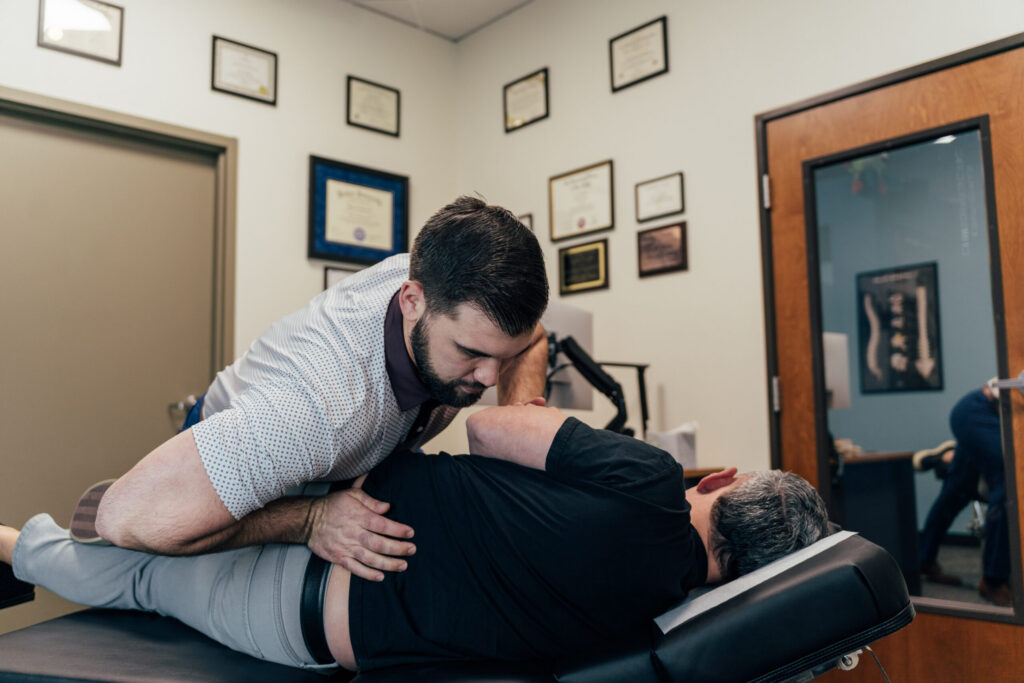

When you're feeling overwhelmed, exploring non-invasive stress relief options might be your best bet. These methods not only promote overall wellness but also enhance mental clarity and reduce physical tension, making them practical choices for busy lives. You might find that incorporating mindfulness practices and physical activities can lead to lasting changes in how you manage stress. As you consider these strategies, think about how they could fit into your routine and the benefits they could bring. Curious about the most effective options available?
Promotes Overall Wellness
Non-invasive stress relief options often promote overall wellness by addressing both mental and physical health. When you explore these methods, you're likely to discover a range of techniques designed to enhance your well-being without the need for invasive procedures or medications. Simple practices like yoga, mindfulness, and meditation can help you reconnect with your body and mind, reducing the impact of daily stressors.
Engaging in activities such as deep breathing exercises or tai chi can improve your physical health while simultaneously calming your mind. These practices encourage relaxation and can lower your heart rate, helping you feel more centered and balanced. As you incorporate these non-invasive approaches into your routine, you'll likely notice improvements in your energy levels and mood.
Moreover, participating in group activities like walking clubs or community fitness classes can foster social connections, which play an essential role in enhancing overall wellness. When you surround yourself with supportive individuals, you're more likely to stay motivated and engaged in your stress relief journey.
Incorporating nutritious foods into your diet is another non-invasive option that promotes overall wellness. Eating a balanced diet rich in fruits, vegetables, and whole grains fuels your body and supports mental clarity. You're also likely to experience improved digestion and energy levels as you prioritize wholesome foods.
Ultimately, embracing non-invasive stress relief options allows you to take charge of your wellness journey, supporting both your mental and physical health in a holistic manner.
Enhances Mental Clarity
Practices like meditation and mindfulness can greatly enhance your mental clarity, helping you focus better throughout your day. When you take the time to quiet your mind, you create space for more effective thinking. This clarity allows you to process information more efficiently, making it easier to tackle tasks and make decisions.
Engaging in mindfulness exercises trains your brain to stay present. You'll notice distractions fade away, enabling you to concentrate on what's important. This heightened focus not only boosts your productivity but also helps reduce feelings of overwhelm. With less clutter in your mind, you'll find it easier to prioritize your responsibilities and manage your time effectively.
Moreover, practices like deep breathing can clear mental fog. By consciously slowing your breath, you're signaling to your brain that it's time to relax and refocus. This simple act can lead to improved cognitive function, allowing you to think more clearly and creatively.
In a world filled with constant distractions, enhancing your mental clarity is essential. You'll become more adept at problem-solving and critical thinking, which can positively impact both your personal and professional life.
Reduces Physical Tension
When stress hits, your muscles often tense up, leading to discomfort.
You can ease this physical tension through various techniques, like muscle relaxation exercises, effective breathing practices, and simple stretches.
Muscle Relaxation Techniques
Feeling the weight of stress in your muscles? You're not alone. Muscle relaxation techniques can be a game-changer, helping you release built-up tension and promote a sense of calm.
One effective method is progressive muscle relaxation. Start by tensing a specific muscle group for a few seconds, then release and focus on the sensation of relaxation. This helps you become more aware of your body and the areas where you hold stress.
Another technique is guided imagery. Picture a peaceful scene, like a beach or a serene forest. Visualizing this environment can help ease muscle tension as your mind and body connect with the calming imagery.
Don't overlook gentle stretching, either. Simple stretches can enhance blood flow and alleviate tightness in your muscles. Incorporating a regular routine of yoga or tai chi can also be beneficial, as they combine movement and mindfulness to facilitate relaxation.
Lastly, consider massage therapy. Whether through a professional or self-massage, manipulating your muscles can greatly reduce tension.
Breathing Exercises Benefits
After addressing muscle tension, it's important to recognize how breathing exercises can further alleviate physical stress. By focusing on your breath, you can effectively reduce physical tension throughout your body.
When you practice deep, intentional breathing, you're sending a signal to your nervous system to calm down. This process helps lower your heart rate and decreases the production of stress hormones.
As you inhale deeply, your diaphragm engages, allowing your lungs to fill completely. This not only increases oxygen flow but also encourages relaxation in your muscles. You might notice how your shoulders drop and your jaw unclenches after just a few moments of mindful breathing.
Incorporating breathing exercises into your daily routine can also enhance your awareness of physical sensations, helping you identify areas of tension more easily. By doing so, you can address discomfort before it escalates.
Whether you're at work, home, or anywhere in between, taking a few minutes to breathe deeply can create a noticeable shift in how you feel physically. So, whenever stress creeps in, remember that your breath is a powerful tool for relaxation and tension relief.
Stretching for Relief
Stretching serves as an effective way to relieve physical tension and enhance your overall well-being. When you stretch, you're not just loosening tight muscles; you're also promoting blood flow, which helps reduce stress and improve your mood. It's a simple yet powerful technique you can incorporate into your daily routine.
You don't need a lot of time or special equipment to stretch. Just a few minutes each day can make a significant difference. Try starting with some gentle neck rolls or shoulder shrugs to release built-up tension.
As you stretch, pay attention to your breathing; inhale deeply and exhale slowly, allowing your body to relax further.
Incorporating stretching into your breaks during work or while watching TV can also help combat the physical strain from sitting for long periods. You'll find that when you take the time to stretch, you feel more energized and focused.
Plus, it's a great way to check in with your body and listen to what it needs. So, give yourself permission to stretch regularly; your body and mind will thank you.
Encourages Mindfulness Practices
Mindfulness practices can be a powerful tool for managing stress in your daily life. By focusing your attention on the present moment, you can reduce anxiety and cultivate a sense of calm. When you engage in mindfulness, you're not just avoiding distractions; you're actively training your mind to recognize and respond to stressors in a healthier way.
One effective way to incorporate mindfulness into your routine is through meditation. Just a few minutes of guided meditation can help ground you, allowing you to acknowledge your thoughts and feelings without judgment. This practice encourages a deeper awareness of your body and emotions, which can be immensely helpful when stress starts to creep in.
Another approach is mindful breathing. Taking slow, deep breaths helps center your thoughts and can be done almost anywhere. When you pay attention to your breath, you redirect your focus away from stressors, creating a brief mental escape.
You can also practice mindfulness during everyday activities, like walking or eating. By fully immersing yourself in these moments, you can find joy and lessen the grip of stress.
You don't have to spend hours on mindfulness to see benefits. Even short, intentional moments of awareness throughout your day can make a significant difference.
Builds Healthy Habits
Building healthy habits can greatly enhance your ability to manage stress effectively. When you establish routines that prioritize your well-being, you create a solid foundation for a more balanced life.
These habits not only help you cope with stress but also contribute to your overall mental and physical health.
Here are four healthy habits you can adopt to build resilience against stress:
- Regular Exercise: Engaging in physical activity releases endorphins, which are natural stress relievers. Aim for at least 30 minutes of moderate exercise most days of the week.
- Balanced Nutrition: Fuel your body with nutritious foods. A well-rounded diet rich in fruits, vegetables, whole grains, and lean proteins can stabilize your mood and energy levels.
- Adequate Sleep: Prioritize quality sleep by establishing a consistent sleep schedule. Aim for 7-9 hours of restful sleep each night to improve your cognitive function and emotional regulation.
- Mindfulness Techniques: Incorporating mindfulness practices, such as meditation or deep-breathing exercises, can help you stay grounded and reduce anxiety in challenging situations.
Supports Emotional Resilience
When you strengthen your emotional resilience, you're better equipped to handle life's challenges.
This not only enhances your coping mechanisms but also promotes a positive mindset.
Enhances Coping Mechanisms
Many effective non-invasive stress relief options can greatly enhance your coping mechanisms, ultimately supporting emotional resilience.
By integrating these practices into your daily routine, you can better navigate life's challenges and maintain a balanced emotional state. Here are four strategies that can help strengthen your ability to cope:
- Mindfulness Meditation: This practice helps you stay present, allowing you to observe your thoughts and feelings without judgment. It cultivates awareness and reduces emotional reactivity.
- Physical Activity: Engaging in regular exercise boosts endorphins and lowers stress hormones. Whether it's a brisk walk or a yoga session, movement can enhance your mood and resilience.
- Deep Breathing Exercises: Simple techniques like diaphragmatic breathing can instantly calm your nervous system. They help you manage stress and regain control during overwhelming moments.
- Social Connections: Building strong relationships provides emotional support. Spending time with friends or family can help you feel understood and less isolated during tough times.
Incorporating these non-invasive options into your life can greatly improve your coping mechanisms, making it easier to handle stress when it arises.
Promotes Positive Mindset
Over time, nurturing a positive mindset can greatly enhance your emotional resilience. When you focus on the good, you train your brain to look for solutions rather than problems. This shift in perspective can make a world of difference in how you handle stress.
By adopting non-invasive stress relief options like mindfulness or gratitude practices, you create a mental environment conducive to positivity. Engaging in activities that promote joy and fulfillment helps you bounce back from challenges more effectively.
Think about the last time you practiced self-care or enjoyed a hobby. You likely felt uplifted and more capable of tackling life's hurdles. Surrounding yourself with positive influences, whether it's uplifting friends or inspiring content, reinforces this mindset.
Moreover, recognizing and celebrating small victories can further strengthen your emotional resilience. It reminds you that progress is possible and reinforces your ability to cope with stress.
Accessible and Convenient Options
Stress relief doesn't have to be complicated or time-consuming; there are plenty of accessible and convenient options right at your fingertips. You don't need to carve out hours from your busy schedule to find peace of mind. Instead, you can integrate simple practices into your day-to-day routine.
Here are four effective and easy-to-implement options:
- Deep Breathing Exercises: Just take a few moments to focus on your breath. Inhale deeply through your nose, hold it for a few seconds, and exhale slowly through your mouth. This can quickly calm your mind.
- Short Walks: A quick stroll, even if it's just around your office or home, can work wonders. The change of scenery and physical activity helps clear your mind and reduce tension.
- Mindfulness Meditation: Spend just five minutes practicing mindfulness. Focus on your thoughts and feelings without judgment. Apps like Headspace or Calm can guide you through short sessions.
- Progressive Muscle Relaxation: This involves tensing and then relaxing different muscle groups in your body. Start from your toes and work your way up to your head, which can help release built-up tension.
Incorporating these methods into your routine can make a significant difference in how you handle stress. They're easy to do, require little time, and can be practiced anywhere, making stress relief more achievable than ever.
Conclusion
Incorporating non-invasive stress relief options into your routine can truly transform your well-being. By promoting overall wellness and enhancing mental clarity, these practices help you manage stress effectively. You'll find that reducing physical tension and building healthy habits not only boosts your mood but also supports emotional resilience. With so many accessible and convenient options available, there's no reason not to explore these natural methods. Start today and take charge of your stress management journey!