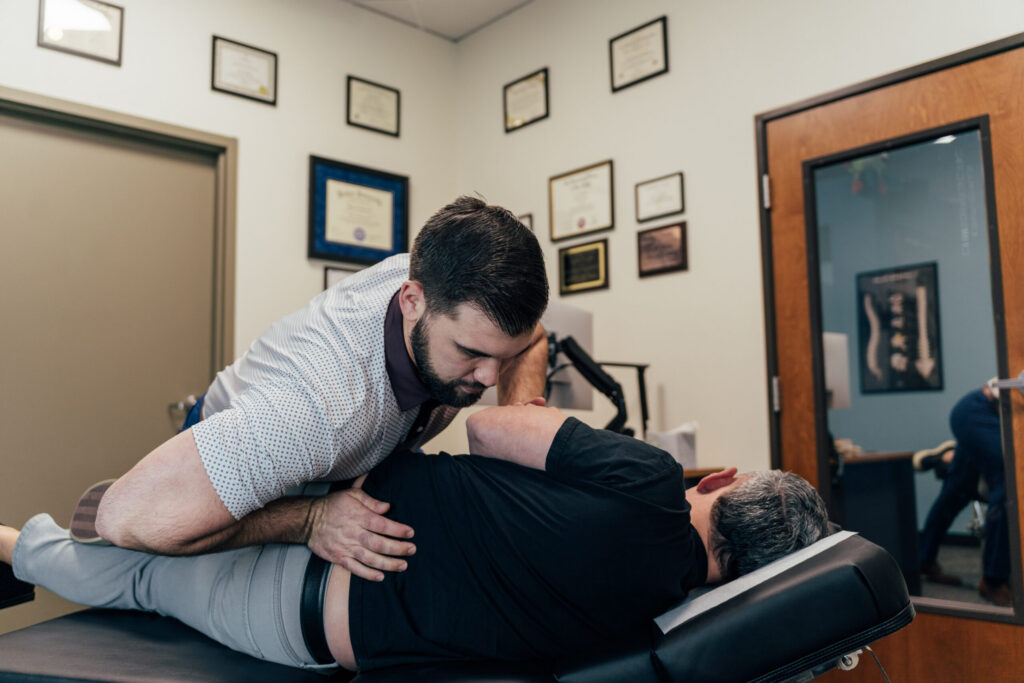

As a local chiropractor, I understand that dealing with neck pain can be quite frustrating. It’s important to know that you don’t have to depend solely on medication for relief. There are numerous effective home remedies that can help alleviate your discomfort and promote healing naturally.
Incorporating simple stretching exercises into your daily routine can significantly improve your neck mobility and reduce pain. Additionally, the soothing effects of essential oils can provide comfort and relaxation. If you’re curious about which techniques might work best for you, I’m here to guide you through some practical solutions that could truly make a difference in your healing journey. Remember, embracing natural methods can be a powerful way to enhance your overall well-being.
Stretching Exercises for Neck Relief
As a local chiropractor, I want to share how stretching exercises can be incredibly beneficial for relieving neck pain. Many of my patients have found that incorporating simple stretches into their daily routine has significantly reduced tension and improved flexibility in their necks.
Let’s start with some gentle neck rotations. Slowly turning your head from side to side and holding each position for a few seconds can help ease tightness.
Another effective stretch is shoulder shrugs; simply lift your shoulders toward your ears, then let them relax down. This simple movement can help release built-up tension in the upper back and neck area.
Chin tucks are another great exercise to consider. While sitting or standing up straight, gently tuck your chin towards your chest and hold for about five seconds. This not only helps strengthen your neck muscles but also improves your posture over time.
I encourage you to remember to breathe deeply while performing these stretches; deep breathing promotes relaxation and enhances the effectiveness of the exercises.
Aim to incorporate these stretches several times throughout the day, especially if you find yourself spending long hours at a desk. Consistency is crucial in experiencing improvement and finding relief from neck pain.
As your chiropractor, I’m here to support you in your journey to better health and well-being through natural methods like these stretching exercises.
Heat Therapy Techniques
As a local chiropractor, I want to introduce you to the benefits of heat therapy for neck pain relief.
When discomfort arises in your neck, applying heat can provide comforting relief. Simple techniques like warm compresses, heating pads, or hot water bottles can effectively ease tension and promote relaxation in the affected area.
By incorporating these natural healing methods into your routine, you can support your body’s recovery process and enhance your overall well-being.
Let’s delve into these practical techniques together to help you feel your best.
Warm Compress Application
As a local chiropractor, I often recommend the use of warm compresses to help alleviate neck pain, particularly for those who may be feeling tense or stiff. This simple technique can provide significant relief.
To apply a warm compress, soak a clean cloth in warm water, wring it out, and place it gently on your neck for about 15-20 minutes. The warmth helps to relax tight muscles and enhances blood circulation, which is essential for healing.
If you prefer, you can use a hot water bottle or a microwavable heat pack, just be cautious to ensure it’s not too hot to avoid any risk of burns.
I suggest incorporating this practice a few times throughout the day, especially after extended periods of sitting or engaging in physical activity. By making warm compresses a part of your routine, you can experience quick relief and help restore mobility in your neck, supporting your overall well-being and complementing the chiropractic care we provide.
Heating Pad Usage
As your local chiropractor, I want to share some effective methods for managing neck pain using natural healing techniques.
If you’ve found some relief with warm compresses, you might want to consider incorporating a heating pad into your routine for targeted heat therapy. Heating pads provide consistent warmth that can help relax tight muscles and enhance blood circulation in your neck.
To use a heating pad effectively, place it directly on the affected area for about 15-20 minutes at a time. It’s essential to set the pad to a comfortable temperature to prevent any risk of burns. You can use it multiple times throughout the day as needed.
For added comfort, I recommend wrapping the heating pad in a towel, which can help make it gentler on your skin.
Always listen to your body; if you experience any discomfort, remove the pad right away. Regular use of a heating pad can significantly help alleviate neck pain and improve your mobility, complementing the chiropractic care you receive.
Hot Water Bottles
As a chiropractor, I often recommend simple yet effective tools for managing discomfort, and one of the best options for relieving neck pain is a hot water bottle.
Heat therapy can significantly enhance your recovery by increasing blood flow, relaxing tight muscles, and alleviating tension in the neck area. Here’s how you can make the most of a hot water bottle:
- Fill it safely: It’s important to use hot water, but ensure it’s not boiling to prevent any burns.
- Wrap it: Always wrap the bottle in a towel or cloth. This extra layer protects your skin from direct heat and makes the experience more comfortable.
- Apply it correctly: Position the wrapped bottle on your neck and keep it there for about 15-20 minutes while you rest in a comfortable position.
Incorporating a hot water bottle into your routine can be a great complement to chiropractic care, helping to alleviate neck pain and enhance your overall sense of well-being.
Embrace these moments of soothing warmth, and let the heat work wonders on your strained muscles!
If you have any questions about how heat therapy can fit into your treatment plan, feel free to ask during your next visit.
Cold Compress Applications
As a local chiropractor, I want to share with you an effective and simple method for alleviating neck pain: using a cold compress. This natural approach can significantly help in reducing inflammation and numbing the affected area, providing you with immediate relief.
To properly apply a cold compress, you can either wrap ice cubes in a cloth or use a frozen gel pack. It’s important to avoid placing ice directly on your skin to prevent frostbite.
When applying the compress, aim for around 15-20 minutes at a time. Afterward, let your skin warm up before reapplying the cold compress. This technique can be repeated several times throughout the day, particularly after any activities that may strain your neck.
Always pay attention to how your body feels; if you start to notice increased pain, it’s best to discontinue the application.
Cold compresses are particularly effective following physical activities or if you observe any swelling in the area. This quick and easy remedy can help you experience significant relief, allowing you to return to your daily routines with greater comfort.
Essential Oils for Pain Reduction
As a chiropractor, I often emphasize the importance of holistic approaches to pain management, particularly for conditions like neck pain. One effective method I’ve seen in my practice is the use of essential oils. These concentrated plant extracts can play a significant role in reducing inflammation and alleviating muscle tension.
Here are three essential oils I recommend to my patients:
- Lavender Oil: This oil is well-known for its calming effects. Lavender not only helps to relax tight muscles but also promotes better sleep quality, which is crucial for healing.
- Peppermint Oil: The menthol in peppermint oil offers a refreshing cooling sensation that can effectively ease pain and alleviate muscle tension. Additionally, it helps stimulate circulation, which can accelerate the recovery process.
- Eucalyptus Oil: Thanks to its anti-inflammatory properties, eucalyptus oil can assist in relieving pain and reducing swelling. It’s also beneficial for clearing sinuses, which can sometimes contribute to neck discomfort.
To incorporate these oils into your routine, I suggest mixing a few drops with a carrier oil—such as coconut or jojoba oil—and gently massaging the blend into your neck area.
Many of my patients report feeling relief shortly after application! Remember, while essential oils can be a great complement to chiropractic care, they work best when combined with other treatments and a healthy lifestyle.
Proper Posture Practices
As a local chiropractor, I want to share some important insights on how proper posture can significantly impact your neck health and overall well-being. While essential oils may offer temporary relief from discomfort, the key to long-term neck pain management lies in maintaining good posture.
First and foremost, it’s essential to keep your head aligned with your spine. Avoid slouching or leaning forward, as these habits can place undue strain on your neck. When you’re sitting, ensure that your back is well-supported, and your feet are flat on the floor.
If you’re standing, distribute your weight evenly across both feet, and allow your shoulders to relax.
In today’s digital world, many of us spend hours on our phones or computers. To avoid neck strain, make a habit of raising your device to eye level. This simple adjustment can prevent excessive bending of the neck.
Additionally, remember to take regular breaks to stretch and reset your posture, especially during long work sessions.
If you find yourself driving for extended periods, it’s crucial to adjust your seat so you can sit upright comfortably without straining your neck. Being mindful of your posture throughout the day is vital; it can significantly reduce strain on your neck and promote better spinal health.
I encourage you to incorporate these posture adjustments into your daily routine. By doing so, you’re not only taking proactive steps towards alleviating neck pain but also supporting your overall health.
Ergonomic Workstation Setup
As a local chiropractor, I want to emphasize the importance of setting up an ergonomic workstation to help prevent neck pain and other musculoskeletal issues.
It’s essential to adjust your desk height to ensure your arms are at a comfortable level while typing. Choosing a chair that provides proper lumbar support can significantly improve your spinal alignment and reduce strain on your back.
Additionally, positioning your monitor at eye level is crucial; this helps maintain a neutral neck position and reduces the likelihood of discomfort.
These simple adjustments not only enhance your overall comfort but also promote better posture throughout your workday.
By taking these steps, you’re investing in your health and well-being, allowing your body to function optimally and reducing the risk of pain and injury.
Desk Height Adjustment
As a local chiropractor, I want to share how adjusting your desk height can significantly help prevent neck pain and enhance your overall well-being.
Proper workstation ergonomics can lead to improved comfort and productivity, which is vital for your spinal health. Here are three essential adjustments to consider:
- Monitor Position: It’s crucial to have your monitor at eye level. This positioning helps prevent unnecessary strain on your neck, allowing for a more natural alignment of your spine.
- Keyboard Height: Your keyboard should be set at elbow height. This will keep your arms parallel to the ground, minimizing tension in your shoulders and arms. Maintaining this alignment is key to preventing discomfort.
- Feet Placement: Ensure your feet rest flat on the floor or on a footrest. This promotes better posture and helps reduce strain on both your back and neck, fostering a healthier spine.
By making these simple adjustments, you can create a more supportive work environment that encourages better posture and long-term spinal health.
Chair Support Features
As a chiropractor, I want to emphasize the importance of having the right chair support features in your workspace to promote a healthy spine and overall well-being.
When selecting a chair, look for one that offers adjustable lumbar support. This feature is crucial as it helps maintain the natural curve of your spine, which can significantly reduce strain on your neck and back.
It’s also important to choose a chair with a seat height that allows your feet to rest flat on the floor. This simple adjustment can positively impact your posture and alleviate unnecessary pressure on your lower back.
Additionally, consider armrests that are adjustable. They should support your arms comfortably without causing your shoulders to rise, which can lead to tension and discomfort.
A chair with a swivel base can also be beneficial, as it enhances your mobility and allows you to reach different areas of your workstation without overextending or straining your body.
By investing in a chair that meets these ergonomic criteria, you can help alleviate neck pain and improve your comfort during those long hours of work.
Monitor Positioning Guidelines
As a local chiropractor, I want to emphasize the importance of proper monitor positioning to help alleviate neck pain while you work.
An ergonomic setup is crucial for maintaining your comfort and well-being throughout the day. Here are three essential guidelines to follow:
- Eye Level: It’s vital to position the top of your monitor screen at or just below your eye level. This helps keep your head in a neutral position, reducing strain on your neck.
- Distance: Ensure that your monitor is about an arm’s length away from you. This distance allows your eyes to focus comfortably without overexerting themselves, which can lead to discomfort.
- Tilt: I recommend tilting your screen slightly back, between 10-20 degrees. This adjustment can help reduce glare and maintain a natural posture for your head, further supporting your spinal health.
By following these guidelines, you can create a workspace that promotes better posture and minimizes the risk of neck pain.
Your body will thank you!
Massage Techniques You Can Do at Home
As a local chiropractor, I understand that neck pain can be quite bothersome. Fortunately, there are simple massage techniques you can perform at home to help alleviate discomfort.
Begin by gently applying pressure to the sore areas of your neck with your fingertips. Use small circular motions, gradually increasing the pressure as it becomes more comfortable for you. You can also utilize your palms to apply firm pressure while gliding along the sides of your neck.
Another beneficial technique is to interlace your fingers behind your head and gently pull forward, which helps to stretch and relieve tension in the neck muscles. Additionally, consider kneading the muscles by pinching them between your thumb and fingers, paying close attention to any tight spots you may feel.
Don’t overlook your shoulders, as they play a crucial role in neck tension. Massaging these areas can significantly contribute to reducing discomfort in your neck.
Lastly, a tennis ball can be a great tool for targeted pressure on those hard-to-reach spots; simply place it against a wall and lean into it for effective relief.
Hydration and Its Role in Neck Health
As your local chiropractor, I want to emphasize the critical role hydration plays in maintaining not just your neck health, but your overall well-being too.
When you stay well-hydrated, your muscles—including those in your neck—are able to function more effectively. On the flip side, dehydration can lead to muscle stiffness and tension, which can increase the likelihood of neck pain.
Here are some hydration tips that I recommend to help keep your neck healthy:
- Drink Water Regularly: A good rule of thumb is to aim for at least eight 8-ounce glasses of water each day. You may need to adjust this based on your activity level and the climate you live in.
- Incorporate Hydrating Foods: Including fruits and vegetables in your diet, like cucumbers, oranges, and watermelon, can greatly enhance your fluid intake, providing both hydration and essential nutrients.
- Limit Dehydrating Beverages: Be mindful of your caffeine and alcohol consumption, as these can contribute to dehydration. Reducing these beverages can help keep your body, and particularly your neck, better hydrated.
By following these tips, you can promote better neck health and overall wellness.
Sleep Positions to Alleviate Neck Pain
As a local chiropractor, I want to share some valuable insights on how your sleep position can significantly impact neck pain and overall comfort.
It’s essential to choose the right position to support your neck and spine while you rest.
If you tend to sleep on your back, I recommend using a supportive pillow that helps maintain the natural curve of your neck. This alignment is crucial for reducing strain on your spine and preventing discomfort.
For those who prefer sleeping on their side, opt for a thicker pillow that fills the space between your head and the mattress. This ensures your neck remains in line with your spine, which is key to alleviating pain.
I advise against sleeping on your stomach, as this position can twist your neck and exacerbate any existing pain.
Furthermore, consider investing in a cervical pillow, specifically designed to support the natural curve of your neck. This type of pillow can help evenly distribute weight, providing additional comfort and support throughout the night.
It’s also vital to ensure your mattress is appropriate for your needs; one that’s too soft or too firm can lead to discomfort.
By making adjustments to your sleep position and pillow selection, you can greatly improve your neck pain and wake up feeling rejuvenated.
Lifestyle Changes for Long-Term Relief
As your local chiropractor, I want to share some important lifestyle changes that can lead to long-term relief from neck pain. One of the first steps is to create an ergonomic workspace. This means adjusting your chair, desk, and computer screen to support your neck and back properly.
In addition, incorporating regular stretching into your daily routine is crucial. Gentle stretches can alleviate tension and improve flexibility, which is essential for neck health.
Lastly, being mindful of your posture throughout the day can make a significant difference. Keeping your head aligned with your spine and avoiding slouching can prevent further discomfort.
These simple adjustments not only help reduce pain but also promote overall neck health, enhancing your quality of life. Embracing these changes is a natural and effective way to support your body’s healing process.
Ergonomic Workspace Setup
As a local chiropractor dedicated to your health and well-being, I want to emphasize how vital an ergonomic workspace is to preventing and alleviating neck pain.
Many people may not realize that simple changes in your work environment can lead to significant long-term relief and enhanced comfort.
Here are three essential elements to consider when setting up your workspace:
- Monitor Height: Ensure that your monitor is positioned at eye level. This adjustment will help you avoid straining your neck by looking up or down, which can contribute to discomfort and pain over time.
- Chair Support: Invest in an adjustable chair that provides adequate support for your lower back. This will help you maintain a proper posture, allowing you to sit comfortably with your feet flat on the floor—a position that greatly reduces stress on your spine.
- Keyboard Placement: Your keyboard should be at elbow height to promote a relaxed shoulder position. This setup will help you avoid unnecessary tension in your upper body, which can lead to further issues if not addressed.
By making these adjustments, you can create a workspace that supports your body’s natural alignment and promotes overall wellness.
Regular Stretching Routines
As a local chiropractor, I want to emphasize the importance of incorporating regular stretching routines into your daily life. Many of my patients have found that simple stretches can significantly reduce neck pain and enhance overall flexibility. Basic exercises like neck tilts and shoulder rolls are effective ways to relieve tension and promote better blood circulation in the area.
I recommend setting aside just a few minutes each day for these stretches. You could do them in the morning to help wake up your muscles or during breaks at work to keep your body relaxed and tension-free.
It’s essential to listen to your body while stretching; never push yourself to the point of pain. Consistency is vital, so I encourage you to make stretching a part of your daily habit.
In addition to stretching, consider integrating gentle activities like yoga or Pilates into your routine. These practices not only improve flexibility but also promote relaxation, which can greatly support your journey toward long-term neck pain relief.
Posture Awareness Techniques
As a local chiropractor, I want to emphasize the importance of maintaining good posture for your neck health. Many people overlook how their daily habits can contribute to discomfort and long-term issues.
By being mindful of your posture and incorporating regular stretching, you can significantly improve your well-being. Here are three key techniques to consider:
- Ergonomic Workspace: It’s essential to set up your workspace properly. Ensure your computer screen is at eye level to minimize strain on your neck. This simple adjustment can make a world of difference in how you feel throughout the day.
- Mindful Movement: Pay close attention to your body mechanics while sitting, standing, and walking. Keep your shoulders back and align your head with your spine. This awareness can help prevent unnecessary tension and promote better overall posture.
- Regular Breaks: If you find yourself sitting for long periods, remember to take short breaks every hour. Stand up, stretch, and reset your posture. These quick intervals can help alleviate stiffness and refresh your body, making it easier to maintain good posture throughout the day.
By incorporating these techniques into your daily routine, you can enhance your neck health and overall well-being.
If you have any questions or need further guidance, feel free to reach out!
Conclusion
As a local chiropractor, I want to share some effective home remedies that can significantly help relieve neck pain and improve your overall health. By incorporating simple stretching exercises into your daily routine, you can enhance flexibility and reduce tension in your neck. Additionally, using heat and cold therapies can provide soothing relief; heat helps to relax tight muscles, while cold can reduce inflammation.
I also encourage you to explore the benefits of essential oils, which can be a natural way to ease discomfort and promote relaxation. It’s important to remember that maintaining proper posture is crucial for neck health, so be mindful of your alignment throughout the day. Making small lifestyle changes can lead to long-term improvements and prevent future issues.
With a bit of commitment to these remedies, you’ll be on your way to experiencing a pain-free neck and a more comfortable life. Let’s take proactive steps together for a healthier tomorrow!