
Low back pain is a common issue that affects many people, often caused by weak core muscles and limited flexibility. As a chiropractor, I believe it’s crucial to address these underlying factors to not only alleviate pain but also promote overall wellness. One of the best ways to do this is by incorporating specific exercises that strengthen your core and enhance your mobility.
By focusing on these targeted movements, you can significantly lower your risk of injury and improve your overall spinal health. Here are some effective exercises that can help you maintain a healthier back:
- Pelvic Tilts: This simple exercise strengthens your lower back and helps improve flexibility. Lie on your back with your knees bent and feet flat on the floor. Gently tilt your pelvis upward while flattening your lower back against the floor. Hold for a few seconds and release. Repeat several times.
- Cat-Cow Stretch: This popular yoga pose is excellent for increasing flexibility in the spine. Start on your hands and knees, with your wrists aligned under your shoulders and your knees under your hips. Inhale as you arch your back (the cow position), and exhale as you round your back (the cat position). Repeat this flow for several breaths.
- Bird Dog: This exercise helps improve balance and stability. Start on your hands and knees. Extend one arm forward and the opposite leg back, keeping your body straight. Hold for a few seconds, then return to the starting position and switch sides.
- Bridges: Bridges are fantastic for strengthening your glutes and lower back. Lie on your back with your knees bent and feet flat on the floor. Lift your hips toward the ceiling, squeezing your glutes at the top. Hold for a few seconds before lowering back down.
- Knee-to-Chest Stretch: This stretch helps relieve tension in your lower back. Lie on your back and bring one knee toward your chest, holding it with both hands. Hold for 20-30 seconds, then switch legs.
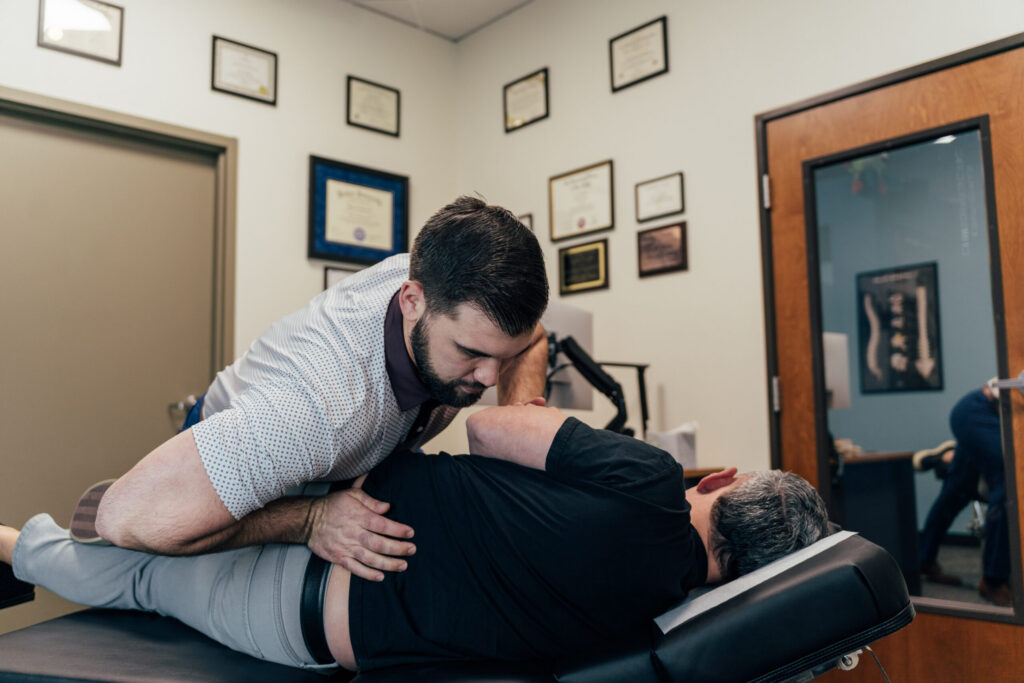
In addition to these exercises, consider regular chiropractic adjustments to ensure your spine is properly aligned, which can enhance your overall well-being and aid in pain relief. Chiropractic care addresses the root causes of low back pain, rather than just masking the symptoms, leading to long-term health benefits.
Remember, consistency is key! Incorporating these exercises into your daily routine can lead to significant improvements in your back health. Always listen to your body and consult with your chiropractor if you have any concerns or questions about your exercise regimen. Together, we can work towards a pain-free, healthier you!
Key Takeaways
As a local chiropractor dedicated to promoting health and wellness, I want to share some valuable exercises that can help prevent low back pain and support your overall spinal health. Incorporating these simple practices into your routine can make a big difference in how you feel.
- Core Strengthening: Aim to include core exercises like planks and bridges in your routine 2–3 times a week. These exercises strengthen the muscles that support your spine, helping to prevent low back pain and enhance your overall stability.
- Lower Back Support: Consider adding lower back strengthening exercises such as deadlifts (performed with proper form) and supermans. These movements can help build the muscle support needed for your lower back, which in turn reduces strain and discomfort.
- Daily Flexibility: Make it a habit to engage in daily flexibility routines. Simple stretches like the cat-cow and hamstring stretches can greatly improve your mobility and decrease stiffness in your lower back, making everyday activities easier and more comfortable.
- Dynamic Warm-Ups: Before any physical activity, incorporate dynamic stretching techniques like leg swings and torso twists. These warm-up exercises help prepare your muscles, reducing the risk of injury and keeping you active.
- Chiropractic Care: Don’t underestimate the power of regular chiropractic visits. A chiropractor can help with spinal alignment, tailor exercise recommendations to your specific needs, and provide valuable advice on maintaining a healthy lifestyle. This holistic approach to wellness not only addresses pain but also promotes long-term health.
By integrating these tips into your daily life, you can take proactive steps towards preventing low back pain and enhancing your overall well-being. Remember, chiropractic care is here to support you on your journey to optimal health!
Understanding Low Back Pain
Low back pain can be a frustrating and debilitating issue that impacts your daily life. Understanding what causes this pain is essential for taking care of your back effectively. Most often, it results from muscle strain, poor posture, or injuries, but underlying conditions like herniated discs or arthritis can also be culprits. Patients often describe their discomfort as sharp pain, stiffness, or a dull ache that limits movement.
Identifying what triggers your pain is crucial. Are you sitting for long periods, lifting heavy objects incorrectly, or neglecting regular physical activity? These habits can significantly contribute to low back discomfort. Additionally, stress and emotional factors can play a role since tension often manifests physically in our bodies. By recognizing these signs and understanding the root causes, you can make informed decisions to alleviate your pain and enhance your overall well-being.
Chiropractic care stands out as a natural and effective way to address low back pain. Regular chiropractic adjustments can help realign your spine, relieve pressure on your nerves, and promote healing without the need for invasive procedures or medications.
Here are some general tips to help manage low back pain and maintain a healthy spine:
- Practice Good Posture: Be mindful of your posture when sitting, standing, and lifting. Consider using ergonomic chairs and supports to help maintain proper alignment.
- Stay Active: Engage in regular physical activity, including gentle stretching and strengthening exercises, to keep your back muscles strong and flexible. Activities like walking, swimming, or yoga can be beneficial.
- Listen to Your Body: Pay attention to the signals your body sends. If certain movements or activities cause discomfort, modify them or take breaks as needed.
- Manage Stress: Incorporate stress-reducing practices such as deep breathing, meditation, or gentle exercise into your routine. Reducing stress can help alleviate physical tension in your back.
- Schedule Regular Chiropractic Visits: Establishing a routine with your chiropractor can help prevent future issues and keep your spine healthy.
Taking proactive steps today can make a meaningful difference in your daily life. Embrace the natural healing power of chiropractic care to achieve optimal health and well-being!
Importance of Core Strength
A strong core is vital for not only maintaining a healthy back but also for achieving overall body stability. Your core muscles—comprising the abdominals, obliques, and lower back—play a crucial role in supporting your spine and pelvis. This support allows you to perform daily activities with greater ease and comfort. When these muscles are weak, your body tends to compensate in ways that can lead to strain and discomfort, particularly in the lower back.
As a chiropractor, I want to emphasize that strengthening your core is one of the best ways to reduce the risk of low back pain. Engaging in core-strengthening exercises can greatly improve your posture and alignment, which are essential for preventing injuries. Simple activities like planks, bridges, and abdominal crunches not only help build strength but also enhance your balance and stability.
Here are some general tips to help you strengthen your core and promote a healthier lifestyle:
- Incorporate Core Exercises: Try to include core-strengthening exercises in your routine at least 2-3 times a week. Start with basic exercises and gradually increase the difficulty as your strength improves.
- Focus on Your Posture: Pay attention to your posture throughout the day, whether sitting, standing, or lifting. Good posture reduces strain on your back and core muscles.
- Stay Active: Regular physical activity supports overall body strength and flexibility. Consider low-impact activities such as walking, swimming, or yoga, which can also engage your core.
- Listen to Your Body: If you experience discomfort while exercising or during daily activities, it’s important to consult with a chiropractor. They can help assess your posture and core strength and provide personalized recommendations for improvement.
- Stay Hydrated and Maintain a Healthy Diet: Proper hydration and a balanced diet contribute to muscle health and recovery, which is essential for core strength.
Stretching for Flexibility
While building strength in your core is essential, don’t overlook the importance of stretching for flexibility, especially when it comes to preventing low back pain. Tight muscles can lead to discomfort and strain, making it crucial to incorporate regular stretching into your daily routine. By enhancing your flexibility, you can improve your mobility and significantly reduce your risk of injury.
Remember, chiropractic care is a fantastic way to support your overall health and well-being. Not only does it help align your spine, but it also promotes better muscle function and flexibility. Here are some effective stretches that can complement your chiropractic care and help keep your back feeling great:
- Cat-Cow Stretch: This gentle flow between arching and rounding your spine helps release tension and improves flexibility. It’s a fantastic way to start or end your day!
- Child’s Pose: This calming position allows you to sink back, gently stretching your lower back and hips. It’s a great way to relax and relieve stress as well.
- Hamstring Stretch: Sitting down and reaching for your toes targets the back of your thighs, helping to alleviate pressure on your lower back. This stretch can easily be done at home or even at your desk!
Incorporating these stretches into your daily routine can lead to noticeable improvements in how your back feels. So, take a few minutes each day to stretch, and don’t forget to visit your chiropractor regularly. Together, these practices can help keep your back healthy and support your journey towards optimal health and natural wellness!
The Role of Proper Posture
Proper posture is essential for maintaining spinal alignment and preventing issues like low back pain. When you sit or stand correctly, you relieve unnecessary strain on your muscles and ligaments, which can make a big difference in your overall comfort. As a chiropractor, I want to emphasize how crucial it’s to be mindful of your body mechanics throughout the day, especially at work.
Here are some simple tips to help you maintain good posture:
- Sit Smart: If you spend long hours at a desk, ensure that your chair supports your lower back. Your feet should be flat on the floor, and your knees should be at a right angle.
- Stand Tall: When standing, distribute your weight evenly on both feet. Keep your shoulders back and relaxed, and avoid locking your knees.
- Take Breaks: Regularly take short breaks to stretch and move around. This can help prevent stiffness and promote better circulation.
- Use Ergonomic Tools: Invest in ergonomic office equipment, like a chair that offers lumbar support or a desk that allows you to alternate between sitting and standing.
- Stay Active: Engage in regular physical activity to strengthen your core muscles, which play a critical role in supporting your spine.
Remember, chiropractic care is an excellent choice for achieving optimal health and wellness. Regular adjustments can help ensure that your spine is properly aligned, reducing pain and enhancing your overall well-being naturally.
If you’re experiencing discomfort or just want to maintain your health, consider scheduling a visit. Together, we can work towards a healthier, pain-free life!
Importance of Alignment
Maintaining good alignment is crucial for preventing low back pain, as your posture significantly impacts the strain on your spine and the surrounding muscles. When you pay attention to your alignment, you can distribute your weight evenly, which reduces stress on specific areas of your back.
This practice not only helps alleviate pain but also contributes to your overall wellness.
Here are some simple tips for maintaining proper alignment:
- Keep your shoulders back and relaxed. This allows your spine to maintain its natural curve, which is essential for a healthy back.
- Ensure your feet are flat on the ground. This provides a stable foundation and helps with balance, reducing the risk of strain.
- Align your hips with your knees. Proper alignment here ensures that your body is well-supported and minimizes tension in your lower back.
As a chiropractor, I want to emphasize that chiropractic care is an excellent way to achieve and maintain optimal alignment. Regular adjustments can help keep your spine in the best possible shape, preventing discomfort and promoting a healthier lifestyle.
Ergonomics at Work
In today’s work environment, many of us find ourselves sitting for long hours at desks, which can lead to discomfort and pain, particularly in the lower back. As a chiropractor, I want to share some essential ergonomic tips that can help you prevent low back pain and promote overall wellness.
First and foremost, it’s important to create a workspace that supports your body. Adjust your chair so that your feet rest flat on the floor, and your knees are at the same height as your hips. This positioning helps to maintain a natural curve in your spine, reducing strain on your back. Ensure your chair has proper lumbar support to encourage a straight spine.
Next, pay attention to your computer screen. Position it at eye level to avoid straining your neck. This small adjustment can make a significant difference in how you feel throughout the day. When typing, keep your elbows close to your body, forming an angle between 90 and 120 degrees. This posture helps to reduce tension in your shoulders and neck.
In addition to setting up an ergonomic workspace, it’s crucial to take regular breaks. Stand up, stretch, and walk around every hour. This not only helps alleviate tension but also promotes better circulation and can prevent stiffness. Incorporating movement into your day is a key component of maintaining a healthy spine.
Remember, chiropractic care is an excellent way to support your body’s natural healing processes and achieve optimal health. Regular adjustments can help improve your posture, reduce pain, and enhance your overall wellness. If you’re experiencing discomfort, don’t hesitate to reach out to a chiropractor for personalized care and guidance.
Exercises for Core Stability
Building core stability is crucial for maintaining a healthy spine and preventing low back pain, which many people experience in their daily lives. A strong core not only supports your spine but also improves your posture, making everyday activities easier and more enjoyable.
Here are a few effective exercises that can help boost your core stability, enhancing your overall well-being:
- Plank: Start in a push-up position, ensuring your body is in a straight line from head to heels. Engage your abdominal muscles to maintain this position. Begin by holding the plank for 20-30 seconds, and as you build strength, gradually increase the duration. This exercise helps to strengthen your core and supports spinal health.
- Bird-Dog: Position yourself on all fours, with your hands under your shoulders and knees under your hips. Extend one arm forward while simultaneously extending the opposite leg back, keeping your back straight throughout the movement. This exercise promotes balance and coordination, which are essential for a healthy body and spine.
- Dead Bug: Lie on your back with your arms extended towards the ceiling and knees bent at a 90-degree angle. Slowly lower one arm and the opposite leg towards the floor, then return to the starting position. This exercise engages your core while minimizing strain on your back, making it a safe option for improving stability.
Incorporating these exercises into your daily routine can significantly reduce your risk of low back pain and enhance your overall stability. Remember, taking care of your spine is vital for your health, and chiropractic care can play a key role in maintaining optimal spinal health and wellness.
Always listen to your body, and consider consulting with your chiropractor for personalized advice and support on your journey to better health.
Strengthening the Lower Back
Strengthening your lower back is crucial for preventing pain and enhancing overall stability, and chiropractic care is an excellent way to support this process. A strong lower back not only helps maintain a healthy spine but also improves your posture and boosts your ability to perform daily activities comfortably.
To begin your journey towards a stronger lower back, consider incorporating exercises into your routine that align with chiropractic principles. One great exercise is the deadlift, which targets multiple muscles in your lower back. Remember, maintaining proper form is essential to avoid injury, and if you’re unsure, a chiropractor can provide guidance on the correct technique.
Another effective exercise is the bird-dog. This move engages your lower back, core, and glutes, promoting balance and stability. Hold each position for a few seconds to build endurance. If you have any concerns about your technique, a chiropractor can help you with personalized adjustments to ensure you’re doing it safely.
Supermans are also a fantastic option. By lying face down and lifting your arms and legs simultaneously, you engage your lower back while also strengthening your overall body. Aim for sets of 10-15 repetitions, and remember to breathe deeply as you perform the exercise.
Lastly, bridges are an excellent way to strengthen both your lower back and glutes. This exercise not only helps with muscle tone but also encourages proper spinal alignment, which is a key focus of chiropractic care.
Incorporating these exercises into your routine can lead to increased strength and a reduced risk of pain. But remember, consistency is key! Alongside these exercises, regular chiropractic adjustments can help ensure your spine stays aligned and functioning optimally. By prioritizing both exercise and chiropractic care, you’re taking a proactive approach to your health and wellness. Your lower back will thank you for it!
Incorporating Mobility Work
Incorporating mobility work into your daily routine is crucial for maintaining flexibility and preventing low back pain, which is a common issue many people face. As a local chiropractor, I want to emphasize how important it’s to keep your body moving and to take care of your spine for optimal health.
Dynamic stretching techniques are a fantastic way to improve your range of motion. These movements help warm up your muscles and prepare your body for the day ahead. Think of it as giving your spine and joints a gentle wake-up call! Simple exercises like leg swings, arm circles, and torso twists can make a big difference.
Foam rolling is another excellent tool that can aid in muscle recovery. It helps release tension in your muscles and improves blood circulation, which is vital for healing. By incorporating foam rolling into your routine, you’re not only taking care of your muscles but also supporting your spine.
Remember, focusing on these aspects of mobility not only enhances your overall movement but also significantly reduces the risk of injury. Regular chiropractic care can further support your journey towards a pain-free life. A chiropractor can provide personalized advice and adjustments tailored to your needs, ensuring your spine stays healthy and aligned.
Here are a few tips to take away:
- Start your day with dynamic stretches to get your blood flowing and your joints moving.
- Use a foam roller after workouts or long periods of sitting to relieve muscle tension.
- Schedule regular chiropractic visits to maintain your spinal health and prevent pain before it starts.
Importance of Flexibility
To maintain a healthy back, flexibility is crucial for your overall mobility and well-being. When your muscles and joints are able to move freely, you’re less likely to experience stiffness or pain. Integrating flexibility exercises into your daily routine can significantly enhance your back health and overall quality of life.
Here are some benefits of improved flexibility that you may find helpful:
- Easier bending and lifting: With improved flexibility, reaching for items becomes a breeze, allowing you to do so without straining your back. This can make daily tasks much more manageable.
- Reduced tension: Flexibility exercises can help alleviate tightness in your muscles, promoting relaxation and reducing stress. This is important for your overall wellness and can contribute to better mental health too.
- Enhanced posture: Improved flexibility supports proper alignment and posture, which is vital for your spine. Good posture helps prevent unnecessary strain on your back during everyday activities.
As a chiropractor, I encourage you to consider incorporating gentle stretching and flexibility routines into your lifestyle. Simple practices like yoga, tai chi, or even just dedicated stretching sessions can be great ways to enhance your flexibility.
Remember, chiropractic care also plays a pivotal role in promoting flexibility and overall spinal health. Regular adjustments can help keep your spine aligned, which supports your body’s natural ability to move freely.
Dynamic Stretching Techniques
Dynamic stretching techniques are a fantastic way to prepare your body for physical activity while also enhancing your flexibility and mobility. As a chiropractor, I emphasize the importance of these stretches because they involve movement that increases blood flow to your muscles and improves your overall range of motion.
Incorporating dynamic stretches like leg swings, arm circles, and walking lunges into your warm-up can be highly beneficial. These movements not only prime your muscles but also activate your core and lower back, which can help prevent strain during workouts. This is especially important for maintaining a healthy spine and avoiding discomfort or pain.
Aim for 10-15 repetitions of each stretch, gradually increasing your range of motion as you become more comfortable. Remember, controlled movements are key—this not only helps with flexibility but also reinforces your body’s natural alignment, reducing the risk of injury.
By integrating dynamic stretching into your warm-up routine, you can enhance your performance and protect your spine, making your workouts more effective and enjoyable. Always listen to your body, and if you experience any pain, consider consulting with a chiropractor to ensure you’re on the right track to optimal health.
Your spine will thank you for it!
Foam Rolling Benefits
Foam rolling can be a fantastic addition to your wellness routine, particularly when it comes to enhancing mobility and keeping your spine healthy. As a chiropractor, I often encourage my patients to incorporate foam rolling into their daily lives. This simple practice can help release tight muscles, improve blood flow, and make movement more comfortable—essential for overall health.
- Imagine the relief as the foam roller glides over your back, helping to ease tension and promote relaxation.
- You’ll likely notice increased flexibility in your hips and spine, which is crucial for maintaining a full range of motion and preventing injuries.
- Many of my patients report improvements in their posture after foam rolling, which can significantly reduce strain on the lower back during everyday activities.
Using a foam roller as part of your warm-up or cooldown can be a game-changer for your overall wellness. It helps prepare your muscles for exercise and aids in recovery, reducing the likelihood of low back pain. Remember, while foam rolling is beneficial, it should complement regular chiropractic adjustments for optimal spinal health.
Here are some tips to make the most of your foam rolling routine:
- Consistency is Key: Try to foam roll regularly, aiming for a few minutes each day or at least a few times a week.
- Listen to Your Body: Pay attention to areas that feel particularly tight or sore; these are often the spots that need the most attention.
- Stay Hydrated: Drinking water before and after foam rolling can help flush out toxins released from your muscles.
- Combine with Chiropractic Care: For the best results in pain relief and mobility, consider regular chiropractic visits alongside your foam rolling routine.
Tips for Safe Lifting Techniques
When it comes to lifting heavy objects, using the right techniques is essential not just for avoiding back pain, but also for maintaining overall spinal health. As a chiropractor, I want to share some helpful lifting tips that can make a significant difference in how you feel and function.
First, ensure that your feet are positioned shoulder-width apart to give yourself a strong base. This stability is crucial for a healthy lift. When it’s time to lower yourself to pick up the item, remember to bend at your hips and knees instead of your back. This technique helps protect your spine and keeps your back in a safe, neutral position.
As you lift, pull the object close to your body. This reduces the strain on your back and engages your core muscles, which are essential for supporting your spine. If you need to change direction while carrying a heavy load, pivot your feet rather than twisting at your torso to avoid unnecessary stress on your spine.
If you find the item too heavy, don’t hesitate to ask for help or consider using tools designed for lifting. It’s important to remember that your spine is delicate, and there’s no shame in seeking assistance when needed.
Always keep a neutral spine while lifting—this means avoiding hunching over or leaning backward. Taking your time during the lift is also beneficial; lifting slowly allows you to maintain control and reduces the risk of injury.
Lastly, make sure your path is clear of any tripping hazards. A safe environment is just as important as good lifting techniques for preventing accidents.
Creating a Balanced Workout Routine
To create a balanced workout routine that supports your spine and overall health, it’s essential to focus on strengthening your core muscles, stretching for flexibility, and incorporating aerobic activities. These elements are vital not only for enhancing your fitness but also for preventing low back pain, a common issue that many experience.
As a chiropractor, I emphasize the importance of a strong core, as it plays a crucial role in stabilizing your spine and maintaining good posture. Consider incorporating exercises like planks or gentle abdominal workouts to build this strength.
Stretching is equally important—regular flexibility exercises can help alleviate tension in your muscles and improve your range of motion. Simple stretches, like reaching for your toes or gentle side bends, can do wonders for your spine’s mobility and overall comfort.
Don’t forget about aerobic activities! Engaging in activities like walking, swimming, or cycling not only boosts your heart health but also helps maintain a healthy weight, reducing unnecessary strain on your spine.
Remember, chiropractic care is a natural approach that can help you achieve optimal health. Regular adjustments can enhance your body’s function, support your workout routine, and promote healing without the need for medications or invasive procedures.
Here are some general tips to keep in mind:
- Always listen to your body—if something doesn’t feel right, stop and consult your chiropractor.
- Aim for a balanced routine that includes strength, flexibility, and aerobic components, ideally spread throughout the week.
- Stay hydrated and maintain a healthy diet to support your fitness efforts and spinal health.
Strengthen Core Muscles
Building a strong core is vital for preventing low back pain and enhancing overall stability, and as your local chiropractor, I want to emphasize how essential this is for your health.
A strong core not only supports your spine but also improves your posture, making daily activities easier and less painful. Here are some effective exercises to incorporate into your routine:
- Planks: When you hold a plank position, you engage your entire body. This exercise builds endurance and strength, helping to stabilize your spine. Think of it as a way to strengthen your body’s natural support system.
- Russian Twists: As you perform Russian twists, feel your oblique muscles working hard. This exercise helps create stability for your spine and reinforces your core. A strong core can significantly reduce the risk of injuries.
- Bridges: By lifting your hips while holding a bridge position, you’re reinforcing the connection between your glutes and lower back. This exercise is fantastic for strengthening your core muscles, which play a crucial role in maintaining proper spinal alignment.
In addition to these exercises, remember that regular chiropractic care can greatly enhance your core strength and overall wellness.
Stretch Flexibility Regularly
Incorporating regular stretching into your routine is a vital step toward enhancing flexibility and preventing low back pain, which is something we often see in our chiropractic practice. Stretching plays a key role in lengthening tight muscles and improving your overall range of motion, making it easier for your spine to function optimally.
Focus on stretching areas such as your hamstrings, hip flexors, and lower back. These areas tend to hold tension and can contribute significantly to discomfort. We recommend dedicating at least 10–15 minutes to stretching, three to four times a week. Simple stretches, like the seated toe touch or cat-cow stretch, aren’t only effective but also easy to incorporate into your daily life.
As you stretch, remember to breathe deeply and hold each stretch for about 20–30 seconds. This practice not only alleviates tension but also promotes better posture, which is essential for maintaining a healthy spine. By prioritizing stretching in your routine, you’re taking a proactive approach to your health.
Incorporating chiropractic care into your wellness routine can further amplify these benefits. Regular adjustments can help align your spine, reduce muscle tension, and enhance your body’s natural ability to heal. Together, stretching and chiropractic care create a balanced approach to supporting your back health and overall well-being.
Incorporate Aerobic Activities
While stretching is essential for enhancing flexibility and preventing pain, incorporating aerobic activities into your routine can greatly improve your overall back health. These exercises boost blood flow, strengthen the muscles that support your spine, and enhance your endurance—all crucial elements for maintaining a healthy back. Aim for at least 150 minutes of moderate aerobic activity each week to experience these benefits.
Here are some easy-to-integrate aerobic activities that can complement your chiropractic care:
- Walking: This is a simple and low-impact way to elevate your heart rate while promoting spinal mobility. It’s easy to fit into your daily routine and helps keep your body active.
- Swimming: The buoyancy of water provides support and reduces strain on your joints, making swimming an excellent full-body workout. It allows you to strengthen your back muscles without the harsh impact on your spine.
- Cycling: Whether you’re pedaling on a stationary bike or enjoying a ride outdoors, cycling is great for building strength in your legs and core. A strong core is essential for supporting your back, helping to prevent pain.
By integrating these activities into your lifestyle, you can’t only help prevent low back pain but also enhance your overall fitness. Remember, chiropractic care plays a vital role in ensuring your spine is aligned and functioning optimally, which can further enhance the benefits you gain from these aerobic activities.
Prioritize your spinal health, and you’ll be on your way to a more active, pain-free life!
Lifestyle Changes to Support Back Health
To support your back health effectively, making certain lifestyle changes can make a significant difference, and chiropractic care is a fantastic way to enhance your wellness journey. Start by maintaining a healthy weight; excess pounds can put extra strain on your back, leading to discomfort. Eating a balanced diet rich in calcium and vitamin D is essential for strengthening your bones. Remember to stay hydrated; proper hydration keeps your spinal discs healthy and functioning well.
Another key aspect of maintaining back health is improving your posture. Whether you’re sitting at a desk or standing, aim to keep your back straight and shoulders relaxed. Consider investing in ergonomic furniture, which can promote better alignment and reduce strain on your spine. If you find yourself sitting for long periods, take regular breaks to stretch and move around, as this can help prevent stiffness and discomfort.
Don’t underestimate the importance of a good night’s sleep. Invest in a quality mattress that supports your spinal alignment and consider sleeping on your side or back with a supportive pillow. This can make a world of difference for your back health.
Incorporating regular chiropractic care into your routine can further enhance these lifestyle changes. A chiropractor can help you maintain proper alignment, relieve tension, and improve your overall well-being. By embracing these lifestyle tips and considering chiropractic care, you’ll be on your way to preventing low back pain and enjoying a healthier, more active life.
Conclusion
Incorporating these exercises and lifestyle changes can significantly help in preventing low back pain, and as your local chiropractor, I want to stress the importance of a holistic approach to wellness. By focusing on core strength, flexibility, and proper posture, you’ll create a strong foundation for a healthier back. Remember, chiropractic care plays a vital role in maintaining spinal health and can enhance your overall well-being.
In addition to these exercises, it’s essential to include mobility work and practice safe lifting techniques to protect yourself during daily activities. This can be as simple as bending at the knees instead of the waist when lifting heavy objects. Always listen to your body’s signals; if something feels off, don’t hesitate to consult with a chiropractor who can offer personalized insights.
It’s also beneficial to keep your workout routine balanced, incorporating both strength and flexibility training. Regular visits to your chiropractor can help ensure your spine is properly aligned, which is crucial for preventing discomfort and enhancing your body’s natural healing capabilities.
With consistent effort and the right support, such as chiropractic care, you can enjoy a pain-free, active life. Remember, your spine is the backbone of your health, and taking care of it is the best way to achieve optimal wellness.