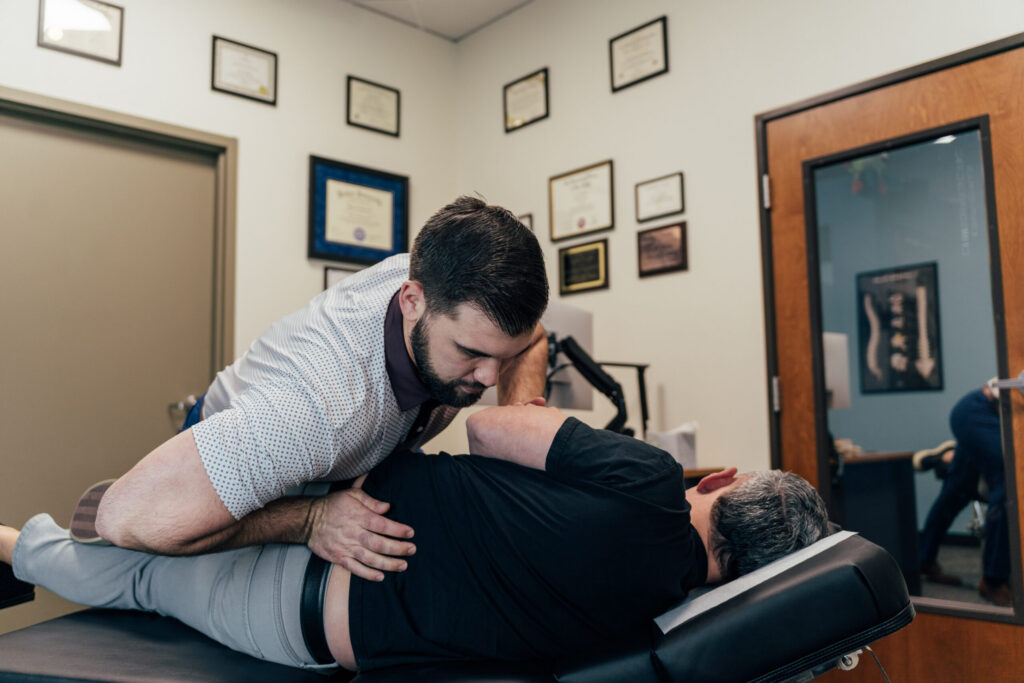

As a local chiropractor, I understand that whiplash can be a frustrating and debilitating condition. It’s important to recognize the causes and symptoms to facilitate effective recovery. Many people are unaware of how chiropractic care can play a crucial role in healing. Through targeted adjustments and therapy, we can help restore your body’s natural alignment, alleviate pain, and regain your strength.
In addition to chiropractic treatment, medications and lifestyle changes can also support your healing journey. While medication may offer temporary relief, it’s vital to consider long-term solutions that focus on natural healing. Simple adjustments to your daily routine, combined with appropriate chiropractic care, can make a significant difference in your recovery process.
Let’s work together to explore these options and find the best path forward for your healing. Your journey to recovery is important, and we’re here to support you every step of the way.
Understanding Whiplash: Causes and Symptoms
As a local chiropractor, I want to help you understand whiplash, its causes, and the symptoms you may experience. Whiplash is often the result of sudden movements of the head, which commonly occur during car accidents or falls. These abrupt motions can lead to strain on the muscles and ligaments in your neck, resulting in pain and discomfort.
Patients often report symptoms such as neck stiffness, headaches, and fatigue. You might also feel pain radiating into your shoulders or arms. It’s not uncommon for these symptoms to manifest immediately after the incident, or they may develop over the course of several days.
It’s important to recognize that whiplash isn’t just a physical ailment; it can also have an emotional impact. Many individuals experience anxiety or stress due to the pain and the limitations it places on their daily activities.
By understanding the causes and symptoms of whiplash, you can identify it more quickly, which is essential for effective recovery. At my practice, we focus on natural healing methods to help alleviate your discomfort and support your overall well-being.
Recognizing what you’re facing is the first step toward your healing journey. If you have any questions or need assistance, I’m here to guide you on your path to recovery.
The Role of Physical Therapy in Recovery
As a local chiropractor, I want to emphasize the vital role chiropractic care plays in your recovery from whiplash. Our goal is to help restore mobility and alleviate pain naturally. Following an injury, you may experience difficulty moving your neck due to discomfort.
During your visit, I’ll conduct a thorough assessment to understand your condition and develop a personalized treatment plan that aligns with your specific needs. Chiropractic care focuses on gentle adjustments to realign the spine and neck, which can significantly reduce pain and improve function.
Alongside these adjustments, I’ll guide you through targeted exercises designed to strengthen the muscles surrounding your neck and enhance flexibility. Techniques such as soft tissue therapy and massage can also be integrated into your treatment to relieve tension and promote better blood flow to the affected areas.
Moreover, I’ll educate you on maintaining proper posture and body mechanics to help prevent future injuries. My aim is to empower you with the knowledge and tools to support your recovery journey and promote long-term health.
If you’re new to chiropractic care, I’m here to answer any questions and help you discover the benefits of natural healing.
Benefits of Chiropractic Care for Whiplash
As a local chiropractor, I want to share with you the many benefits of chiropractic care, particularly for those recovering from whiplash injuries. Whiplash can be a painful and limiting condition, but with the right approach, you can find relief and regain your mobility.
Chiropractic care focuses on spinal alignment, which is crucial in reducing tension in your body and improving your overall range of motion. Through a variety of techniques, including spinal adjustments and soft tissue therapy, we can directly target the areas affected by whiplash, promoting a faster and more effective healing process.
One of the key aspects of our care is the development of personalized treatment plans tailored to your unique needs. This individualized approach allows us to track your progress closely and make any necessary adjustments to your care as you move forward.
Regular visits not only aid in your recovery but also help prevent future complications, ensuring that you stay on the right path to wellness.
In addition to hands-on treatment, I also provide guidance on exercises and lifestyle modifications that can further support your healing journey. Embracing chiropractic care can significantly enhance your recovery experience, empowering you to regain strength and mobility more effectively after a whiplash injury.
If you have any questions or would like to learn more about how chiropractic care can help you, please don’t hesitate to reach out.
Medications for Pain Relief and Inflammation
As a local chiropractor, I want to emphasize the importance of managing pain and inflammation when recovering from whiplash.
It’s crucial to understand that there are various options available to help you on your healing journey. While many people are familiar with over-the-counter medications like ibuprofen, I encourage you to consider holistic approaches as well.
Chiropractic care focuses on addressing the root causes of pain through natural healing methods. By utilizing spinal adjustments, soft tissue therapies, and personalized rehabilitation exercises, we can effectively alleviate discomfort and promote healing without solely relying on medications.
I’m here to help you navigate these choices and find the most effective path to relief and recovery. Your health and well-being are our top priority!
Over-the-Counter Options
As a local chiropractor, I want to share some insights on managing whiplash pain and inflammation through natural healing methods, including over-the-counter (OTC) options.
If you’re experiencing discomfort from whiplash, OTC medications can be a helpful part of your recovery plan. Nonsteroidal anti-inflammatory drugs (NSAIDs) such as ibuprofen and naproxen are effective at reducing both pain and swelling. Another option is acetaminophen, which can help alleviate pain, although it doesn’t specifically target inflammation.
It’s crucial to adhere to the recommended dosages and, if you have any existing health conditions or are on other medications, please consult with a healthcare professional before taking anything.
In addition to oral medications, consider topical treatments like ointments or gels containing menthol or capsaicin, which can offer localized relief directly to the affected area.
While these OTC solutions may not completely eliminate your discomfort, they can significantly enhance your quality of life as you recover.
Remember, listening to your body is key—if something doesn’t feel right or your symptoms persist, it’s important to reach out for further care.
Chiropractic adjustments and natural healing techniques can also play a vital role in your recovery process, helping to restore balance and function to your body.
Together, we can work towards alleviating your pain and promoting a healthier you!
Prescription Medications Overview
If you’re experiencing persistent whiplash pain and haven’t found relief with over-the-counter treatments, it might be time to explore some natural healing options through chiropractic care.
As a local chiropractor, I often see patients who benefit from a holistic approach to managing pain. While your primary care provider may suggest medications like nonsteroidal anti-inflammatory drugs (NSAIDs) such as ibuprofen or naproxen to reduce pain and inflammation, it’s essential to understand that these are temporary solutions.
In my practice, I emphasize the importance of addressing the underlying issues causing your discomfort. Muscle relaxants may be prescribed by doctors for muscle spasms associated with whiplash, but chiropractic adjustments can also help restore proper alignment and relieve tension naturally.
In cases of severe inflammation, corticosteroids might be suggested, yet many patients find significant improvement through chiropractic techniques without the need for such drugs.
For chronic pain, while opioids might be discussed by your physician, they carry risks and should be approached with caution. Instead, I encourage patients to consider the benefits of regular chiropractic adjustments, which can enhance your body’s healing process and improve mobility.
Always consult with your healthcare provider to devise a treatment plan that suits your needs.
As you explore your options, remember that combining chiropractic care with physical therapy can lead to improved recovery outcomes. I’m here to help guide you on your journey to better health through natural healing methods.
Importance of Rest and Recovery Time
As a local chiropractor, I want to emphasize the critical importance of rest and recovery time, especially if you’ve recently experienced whiplash. I understand that you may be eager to get back to your daily activities, but it’s crucial to prioritize your healing process. Your body needs time to repair itself, and pushing too hard can lead to prolonged pain and even complications.
Listening to your body is key during this recovery phase. It’s important to recognize when you need to take a step back and allow yourself to rest adequately. This doesn’t mean you have to be completely inactive; gentle movements and stretches can be beneficial, but high-impact activities should be avoided for now.
Quality sleep is also vital, as it plays a significant role in your body’s natural healing mechanisms. Make sure you’re giving yourself the time to rest deeply, as this will aid in your recovery.
Additionally, consider setting aside specific periods for relaxation. This practice can help reduce stress and tension, which may otherwise exacerbate your symptoms.
Remember, taking time off to focus on your recovery now can actually expedite your return to full strength later on. By valuing rest and recovery, you’re not just helping yourself feel better; you’re laying the groundwork for a smoother and more effective healing journey.
If you have any questions about how chiropractic care can support your recovery, feel free to reach out!
Home Remedies for Whiplash Relief
As a local chiropractor, I often see patients dealing with the discomfort of whiplash, and I want to share some effective home remedies that can help alleviate your pain and support your recovery.
One of the first steps you can take is to apply a cold pack to the affected area for about 15-20 minutes several times a day. This can significantly reduce swelling and help numb the pain.
After a couple of days, you may want to transition to heat therapy, using a warm towel or heating pad to soothe and relax tight muscles.
Incorporating gentle stretching exercises can also make a big difference. Slowly and carefully move your neck from side to side and up and down, but it’s important to listen to your body—stop if you experience any sharp pain.
Additionally, staying hydrated and maintaining good posture while resting are crucial elements of your healing process.
Over-the-counter pain relief options, such as ibuprofen or acetaminophen, can help manage your discomfort, but it’s essential to use them as directed.
Lastly, remember to take regular breaks during your daily activities to give your neck a chance to recover.
These home remedies can be a valuable part of your healing journey, but don’t hesitate to reach out for professional chiropractic care if your symptoms persist.
Together, we can work towards restoring your neck’s function and improving your overall well-being.
Lifestyle Changes to Support Healing
As your local chiropractor, I want to share some essential lifestyle changes that can significantly support your recovery from whiplash. First and foremost, it’s crucial to prioritize rest; your body needs adequate time to heal from the trauma. During this healing period, I recommend steering clear of high-impact activities that might exacerbate your injury.
Once you feel ready, we can work together to incorporate gentle exercises and stretches that will help improve your mobility and strengthen your neck muscles.
It’s also important to pay close attention to your posture, especially if you spend long hours sitting at a desk or using electronic devices. Maintaining proper alignment can help reduce unnecessary strain on your neck.
Don’t forget the importance of hydration and nutrition in your recovery. A balanced diet rich in anti-inflammatory foods—such as colorful fruits, vegetables, and omega-3 fatty acids—can make a significant difference in how your body heals.
I also encourage you to explore stress management techniques like yoga, meditation, or deep breathing exercises. These practices can help reduce tension and promote relaxation, which is vital for your recovery.
Finally, ensure you’re getting enough quality sleep each night, as restorative rest is essential for healing.
When to Seek Additional Medical Help
As a local chiropractor, I want to emphasize the importance of listening to your body.
If you’re dealing with persistent pain that just won’t fade, it’s crucial to seek additional medical assistance. Pay close attention to any neurological changes you might experience, such as tingling sensations or weakness in your limbs. These could indicate a need for further evaluation.
Additionally, if you find that your range of motion is still restricted despite your efforts—like stretching or exercising—it’s a clear signal to consult a healthcare professional.
Persistent Pain Symptoms
As a local chiropractor, I want to help you understand how your body responds to injuries like whiplash and the importance of listening to its signals. It’s common for many people to experience pain after a whiplash injury, but if your discomfort persists for more than a few weeks or even worsens over time, it’s crucial to seek additional medical attention.
In my practice, I often see patients who come in with lingering pain. If you notice that your pain is radiating into your arms, or if you’re experiencing numbness or tingling sensations, these could be signs of underlying issues that we need to address.
It’s also important to pay attention to any severe headaches, dizziness, or visual disturbances—these symptoms may indicate complications that require further evaluation.
By addressing these concerns early on, we can work together to avoid long-term complications and improve your chances of a full recovery.
Neurological Changes Observed
As a local chiropractor, I want to emphasize the importance of understanding neurological changes that can occur after a whiplash injury. These changes can be concerning, and recognizing them early is crucial for your recovery. If you’re experiencing persistent headaches, dizziness, or confusion, it’s vital to seek medical attention promptly.
You may also feel tingling or numbness in your arms or legs; this could indicate that your nerves are affected. Additionally, if you notice any changes in your balance or coordination, these are also signs that shouldn’t be ignored. They could point to more serious underlying issues that need to be addressed.
It’s common for individuals to struggle with concentration or memory after such an injury. If you find yourself facing these challenges, I encourage you to reach out for professional help.
Early intervention is key in managing neurological symptoms effectively, and it can significantly improve your overall well-being. Trust your instincts—prioritize your health and consider chiropractic care as a natural approach to support your recovery journey.
Limited Range of Motion
Experiencing a limited range of motion in your neck after a whiplash injury can be both frustrating and concerning. As a local chiropractor, I want to help you understand when it’s crucial to seek further medical assistance.
If you find yourself facing any of the following signs, please don’t hesitate to reach out for professional help:
- An increase in pain or discomfort in your neck
- Ongoing stiffness that doesn’t show signs of improvement
- Challenges with daily activities, such as driving or working
- Numbness or tingling sensations in your arms or hands
- Symptoms persisting for more than a few weeks
Addressing these concerns early on is vital in preventing further complications and facilitating a smoother recovery process.
It’s important to listen to your body and not overlook any significant changes in your condition. Seeking timely intervention, such as chiropractic care, can greatly assist in your healing journey and enhance your overall well-being.
Conclusion
As your local chiropractor, I want to help you understand that recovering from whiplash requires a holistic approach. This means combining various methods such as physical therapy, chiropractic adjustments, and effective pain management techniques. It’s important to prioritize rest and maintain good posture during your recovery. Additionally, incorporating simple home remedies can significantly aid in your healing process.
Making necessary lifestyle adjustments is also crucial to prevent future injuries. If you find that your symptoms persist or even worsen, don’t hesitate to seek further medical assistance. By embracing these strategies and working together, we can help you find relief and regain your mobility in no time. Remember, natural healing through chiropractic care can play a vital role in your recovery journey.