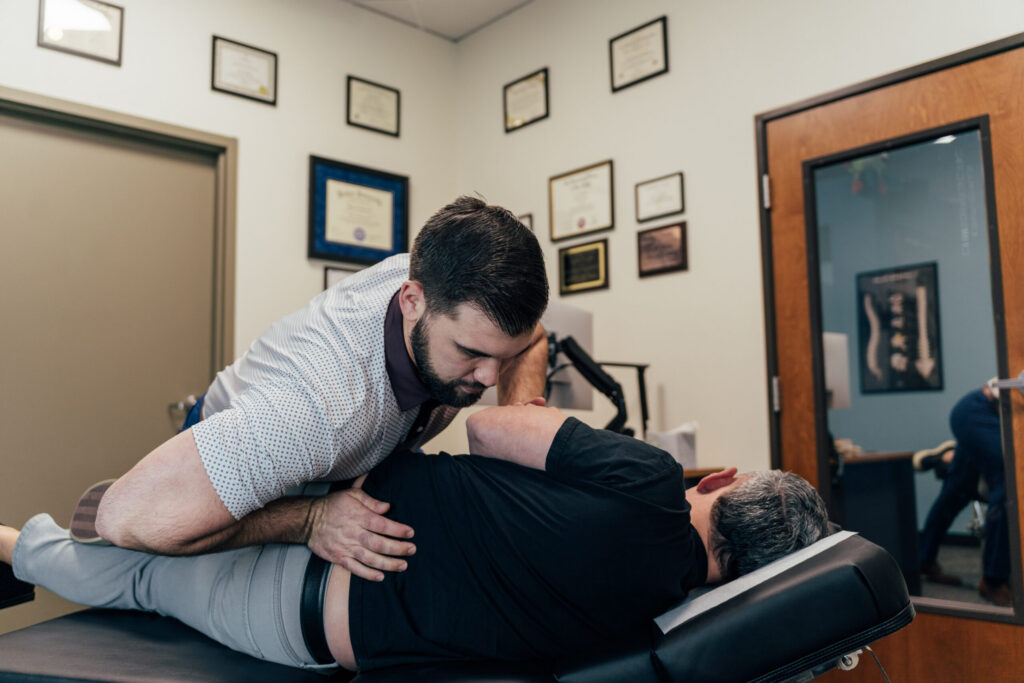

If you're feeling overwhelmed by stress, you might be surprised to learn how adjustments can provide effective relief. From improved physical health to enhanced mental clarity, these benefits can greatly transform your overall well-being. You'll likely find that better sleep quality and increased energy levels play an essential role in managing daily challenges. But that's just the beginning—there are deeper layers to how adjustments support your body and mind. Curious about the top reasons why making this choice could change your life?
Improved Physical Health
When you experience stress, your body often reacts in ways that can harm your physical health. Elevated cortisol levels can lead to weight gain, high blood pressure, and weakened immune response. You might notice that stress often manifests in headaches, muscle tension, or digestive issues. By addressing stress through adjustments, you can greatly improve your overall physical well-being.
Engaging in physical activities, like yoga or even simple stretching, can help release the tension built up in your muscles. This release not only alleviates discomfort but also boosts your energy levels. You'll find that regular exercise helps regulate hormones, making it easier for your body to cope with stress.
Plus, it encourages the production of endorphins, which act as natural mood lifters.
Nutrition plays a critical role too. When you're stressed, it's easy to gravitate toward unhealthy comfort foods. However, focusing on a balanced diet rich in fruits, vegetables, and whole grains can enhance your body's resilience to stress.
Staying hydrated is equally important; dehydration can exacerbate stress levels and lead to fatigue.
Prioritizing adequate sleep is another key adjustment. Chronic stress can disrupt your sleep cycle, leaving you feeling drained. Establish a relaxing bedtime routine to improve your sleep quality and restore your body's natural balance.
Enhanced Mental Clarity
Adjusting your lifestyle not only boosts your physical health but also enhances your mental clarity. When you make mindful changes, such as incorporating regular exercise, a balanced diet, and stress-relief practices, you'll notice a significant improvement in your cognitive function. These adjustments help reduce the mental fog that often accompanies stress, allowing your thoughts to flow more freely.
Regular physical activity increases blood flow to your brain, which can sharpen your focus and enhance your problem-solving abilities. When you work out, your body releases endorphins, which not only improve your mood but also help you think more clearly. Pairing this with a nutritious diet rich in essential nutrients can further support cognitive health. Foods like leafy greens, fatty fish, and berries are known to promote brain function and memory.
Another effective way to enhance mental clarity is by practicing mindfulness techniques, such as meditation or deep-breathing exercises. These practices help you become more present and aware, allowing your mind to declutter and concentrate better on the tasks at hand.
When you take time to unwind and center yourself, you're better equipped to tackle challenges with a clear and focused mind. Incorporating these lifestyle adjustments can lead to lasting improvements in your mental clarity.
The more you prioritize your mental well-being, the more effectively you'll navigate daily stressors and make informed decisions. Ultimately, a clearer mind contributes to a more fulfilling and productive life.
Better Sleep Quality
Improving your sleep quality can greatly enhance your overall well-being. When you experience better sleep, you're likely to feel more refreshed and ready to tackle the day ahead. One effective way to achieve this is through chiropractic adjustments, which can help alleviate stress and tension in your body.
Here are three key ways better sleep quality can benefit you:
- Reduced Stress Levels: When your spine is aligned properly, your nervous system functions more effectively. This can reduce stress hormones in your body, allowing you to relax more easily and fall asleep faster.
- Improved Sleep Patterns: Regular chiropractic care can help regulate your sleep cycles. By addressing any physical discomfort or misalignments, you're more likely to enjoy uninterrupted sleep, leading to deeper and more restorative rest.
- Enhanced Comfort: If you struggle with back pain or discomfort, it can be difficult to find a comfortable sleeping position. Chiropractic adjustments can help relieve these issues, making it easier for you to settle in for a good night's sleep.
Incorporating chiropractic adjustments into your wellness routine can lead to significant improvements in your sleep quality.
As you experience better sleep, you'll notice a positive shift in your mood, focus, and overall energy levels throughout the day. Prioritizing your sleep is essential, and chiropractic care can be a valuable tool in achieving that goal.
Increased Energy Levels
Experiencing better sleep can lead to a noticeable boost in your energy levels throughout the day. When you're well-rested, your body functions more efficiently, allowing you to tackle daily tasks with greater ease and enthusiasm. You might find yourself feeling more alert, focused, and ready to take on challenges instead of dragging through the day.
With regular adjustments, your sleep quality improves considerably. These adjustments help align your spine and relieve pressure on your nervous system, promoting better circulation and overall physical health. As a result, your body can repair and rejuvenate itself more effectively during the night. You wake up feeling refreshed, which translates directly to how you feel throughout your day.
When your energy levels rise, you might notice that you can engage more in activities you enjoy, whether it's exercising, spending time with loved ones, or simply being productive at work. Increased energy also means you're less likely to experience that mid-afternoon slump that often leads to poor decision-making, like reaching for sugary snacks or caffeine to get through the day.
Moreover, when you're energized, your mood improves. You feel more motivated and optimistic, which can create a positive feedback loop. The more energized you feel, the more active you become, and the better you sleep at night. It's a cycle worth embracing.
Reduced Muscle Tension
When you experience reduced muscle tension, you can alleviate physical discomfort and enhance your overall flexibility and mobility.
This relief not only helps your body feel better but also promotes a relaxation response that can ease stress.
Alleviating Physical Discomfort
Many people find that reducing muscle tension can considerably alleviate physical discomfort. When you carry stress in your muscles, it can lead to pain and stiffness, making daily activities challenging.
By addressing this tension, you can experience significant relief and improve your overall well-being.
Here are three effective ways to alleviate physical discomfort through reduced muscle tension:
- Regular Adjustments: Chiropractic adjustments can realign your spine and release pressure on nerves, helping to lower muscle tension throughout your body. You'll often feel immediate relief after a session.
- Mindful Breathing: Practicing deep, mindful breathing techniques can help relax your muscles and reduce stress. When you take a moment to focus on your breath, you signal your body to unwind, leading to decreased tension.
- Therapeutic Massage: Engaging in regular massage therapy targets tight muscles and promotes relaxation. It not only reduces discomfort but also improves circulation, enhancing your body's ability to heal.
Incorporating these strategies into your routine can make a noticeable difference in how you feel day-to-day, allowing you to enjoy life with less pain and discomfort.
Enhancing Flexibility and Mobility
Improving flexibility and mobility can greatly enhance your overall quality of life. When you experience reduced muscle tension through adjustments, you'll find that your body moves more freely and efficiently. This newfound ease of movement can transform your daily activities, whether it's bending down to pick something up or participating in your favorite sports.
Tight muscles often restrict your range of motion, leading to discomfort and even injury. By focusing on enhancing flexibility, you're not just relieving tension; you're also preventing future issues. Regular adjustments help lengthen those tight muscles and improve joint function, allowing you to enjoy greater mobility without the nagging aches.
You might notice that simple stretches become easier, and you can engage in activities you once avoided. With improved flexibility, your body can respond better to physical demands, reducing the strain on your muscles and joints.
You'll also likely experience a boost in your overall energy levels, making it easier to tackle both work and play. Incorporating adjustments into your routine can be a game-changer, leading you to a more active, vibrant life.
Don't underestimate the power of flexibility and mobility; they're key to feeling your best every day.
Promoting Relaxation Response
Promoting a relaxation response is essential for reducing muscle tension and enhancing your overall well-being. When your body experiences stress, it tightens muscles, leading to discomfort and pain.
By fostering relaxation, you can effectively combat this tension and improve your quality of life.
Here are three effective ways to promote a relaxation response:
- Deep Breathing Techniques: Taking slow, deep breaths can activate your body's relaxation response. Inhale deeply through your nose, hold for a moment, and exhale slowly through your mouth. This practice calms your nervous system and reduces muscle tightness.
- Mindfulness Meditation: Engaging in mindfulness helps you focus on the present moment, alleviating anxiety and reducing muscle tension. Just a few minutes a day can make a significant difference.
- Gentle Stretching: Incorporating gentle stretches into your routine releases built-up tension in your muscles. Focus on areas that feel particularly tight, allowing yourself to relax and unwind.
Emotional Balance
While steering through life's challenges, maintaining emotional balance becomes essential for your overall well-being. When you experience stress, your emotions can swing wildly, leading to irritability, anxiety, or even sadness. Adjustments can help stabilize these feelings, allowing you to regain control and find a sense of calm.
Chiropractic adjustments work not just on your physical body but also on your emotional state. By realigning your spine and relieving tension, these adjustments can trigger the release of endorphins, the body's natural mood elevators. As your body feels better, your mind can follow suit, making it easier to cope with daily stressors.
When you achieve emotional balance, you become more resilient. You'll notice that you handle conflicts more effectively and respond to challenges with a clearer perspective. It's easier to nurture relationships and engage in activities that bring you joy.
Plus, a balanced emotional state enhances your decision-making capabilities, allowing you to approach life with confidence.
Incorporating regular adjustments into your routine can serve as a proactive strategy for maintaining emotional equilibrium. This commitment not only promotes mental clarity but also fosters a sense of inner peace.
You'll find that with every adjustment, you're not just relieving physical discomfort but also nurturing your emotional health. Embrace the journey toward emotional balance, and watch how it transforms your daily experiences, helping you to navigate life's ups and downs with grace and ease.
Support for Immune Function
Achieving emotional balance plays a significant role in supporting your immune function. When you're stressed, your body produces cortisol, which can suppress your immune response.
By finding ways to relieve stress, you can enhance your body's natural defenses. Chiropractic adjustments can help in this area by promoting a state of relaxation and balance, ultimately boosting your immune health.
Here are three key benefits of chiropractic care for your immune system:
- Improved Nervous System Function: Chiropractic adjustments can help align your spine, ensuring that your nervous system operates efficiently. A well-functioning nervous system is vital for peak immune response.
- Reduced Inflammation: Stress can trigger inflammation, which can dampen your immune function. Regular chiropractic care helps to reduce inflammation in your body, creating a healthier environment for your immune cells to thrive.
- Enhanced Circulation: Adjustments improve blood flow, allowing for better distribution of immune cells throughout your body. Increased circulation also helps remove toxins, further supporting your immune system's ability to fight off illness.
Greater Flexibility
When you improve your flexibility, you access a greater range of motion that enhances your overall muscle functionality.
This increased flexibility helps reduce muscle tension, allowing your body to move more freely and comfortably.
Improved Range of Motion
Improved range of motion isn't just about flexibility; it's essential for overall well-being. When you maintain or enhance your range of motion, you're not only making daily activities easier but also reducing your risk of injury.
Adjustments can help realign your spine and joints, allowing for smoother movements. Here are three key benefits of improved range of motion:
- Better Posture: When your joints function correctly, your body can align naturally. This alignment supports better posture, which alleviates stress on your muscles and spine.
- Enhanced Performance: Whether you're exercising or engaging in daily tasks, a greater range of motion allows you to perform movements more efficiently. This efficiency can lead to improved results, whether you're lifting, running, or simply bending down to pick something up.
- Reduced Pain: Limited range of motion often leads to discomfort and pain. By improving this range, you can alleviate tension in your body, leading to a more comfortable daily experience.
Enhanced Muscle Functionality
Releasing enhanced muscle functionality goes hand in hand with greater flexibility. When you incorporate regular adjustments into your wellness routine, you're not just alleviating stress; you're also improving how your muscles work. Enhanced flexibility allows your muscles to perform at their best, enabling you to execute movements with greater ease and efficiency.
As you experience increased flexibility, you'll notice that your body can adapt more readily to various physical activities. This adaptability helps you engage in exercises and daily tasks without straining or risking injury. Whether you're reaching for an item on a high shelf or stretching during a workout, flexible muscles respond better, allowing for smoother changes and movements.
Moreover, with enhanced muscle functionality, you'll find that your overall performance improves, whether in sports or everyday activities. You'll feel more agile and capable, which contributes to your overall well-being.
The connection between flexibility and muscle functionality is essential; it empowers you to enjoy a more active lifestyle without limitations.
Ultimately, prioritizing flexibility through adjustments fosters a more resilient body, helping you move with confidence and supporting a healthier, stress-free life. Embrace the benefits of enhanced muscle functionality today!
Reduced Muscle Tension
One of the key benefits of achieving greater flexibility is the significant reduction in muscle tension you'll experience. When your muscles are more flexible, they can move through a wider range of motion without unnecessary strain. This not only helps alleviate discomfort but also enhances your overall physical performance.
Here are three ways greater flexibility can reduce muscle tension:
- Improved Circulation: Enhanced flexibility promotes better blood flow, which helps deliver essential nutrients to your muscles. This can lead to quicker recovery times and less stiffness.
- Decreased Injury Risk: With increased flexibility, your muscles and joints can adapt to various movements more easily. This adaptability reduces the likelihood of strains or sprains, ultimately leading to less tension and discomfort.
- Relaxation Response: Stretching and flexibility exercises activate your body's relaxation response. When you incorporate these practices, you'll find it easier to unwind both physically and mentally, further alleviating stress and muscle tension.
Incorporating flexibility training into your routine is a powerful way to relieve stress and promote overall well-being.
You'll not only feel better but also move through life with greater ease.
Mindfulness and Relaxation
Practicing mindfulness can greatly enhance your ability to relax and manage stress. By focusing on the present moment, you're training your mind to let go of worries about the past or future. This shift in focus can lead to a clearer mind and a more relaxed body.
When you fully engage in the here and now, you'll notice how even simple activities, like eating or walking, can become moments of peace rather than sources of tension.
Try incorporating mindfulness into your daily routine. Start with just a few minutes of deep breathing. Find a quiet space, close your eyes, and concentrate on your breath. Notice how it feels as you inhale and exhale. If your thoughts wander, gently redirect your focus back to your breath. This practice helps you cultivate a sense of calm that can carry throughout your day.
You can also practice mindfulness during everyday tasks. For instance, when you wash dishes, pay attention to the sensation of the water and the sound of the dishes clinking. This simple act can become a meditative experience, allowing you to escape the chaos of your mind.
Incorporating mindfulness techniques can lead to significant stress relief. By becoming more aware of your thoughts and feelings, you can better manage stressors and reduce anxiety.
Over time, you'll notice that you're not just reacting to stress—you're actively choosing how to respond, creating a more peaceful and balanced life.
Holistic Approach to Wellness
When you consider a holistic approach to wellness, you recognize the powerful connection between your mind and body.
By incorporating natural healing techniques, you can enhance your overall well-being and stress relief.
This balance not only promotes physical health but also cultivates mental clarity and emotional resilience.
Mind-Body Connection
The intricate bond between mind and body plays an essential role in your overall well-being. When you experience stress, your body reacts in ways that can disrupt your mental health. Understanding this connection can empower you to take control and enhance your wellness.
Here are three key aspects to evaluate:
- Emotional Responses: Your thoughts and emotions directly affect your physical state. Anxiety can lead to muscle tension, while a positive mindset can promote relaxation and healing.
- Stress Management: Engaging in practices that align your mental and physical health, like adjustments, can help reduce stress. When your spine is aligned, your nervous system functions better, which can improve your mood and decrease anxiety.
- Holistic Benefits: Acknowledging the mind-body connection encourages you to adopt a more holistic approach to wellness. When you focus on both mental and physical health, you're more likely to experience lasting stress relief.
Natural Healing Techniques
Exploring natural healing techniques can greatly enhance your holistic approach to wellness. These methods focus on treating the whole person—mind, body, and spirit—rather than just the symptoms. One effective technique is mindfulness meditation. By practicing mindfulness, you can reduce stress and cultivate a greater awareness of your thoughts and feelings, leading to improved emotional balance.
Another powerful practice is yoga, which combines physical postures, breathing exercises, and meditation. It helps relieve tension in the body, increases flexibility, and promotes relaxation. Incorporating herbal remedies, like chamomile or lavender, can also support your overall well-being. These herbs have calming properties that aid in stress relief and enhance your mood.
Additionally, regular physical activity, such as walking or dancing, boosts endorphins and helps you feel more energized.
Don't underestimate the power of proper nutrition—eating a balanced diet rich in fruits, vegetables, and whole grains can greatly impact your mental and physical health.
Lastly, consider energy healing techniques like Reiki, which can help clear blockages and restore balance. By integrating these natural healing practices into your life, you can foster a deeper sense of peace and well-being.
Conclusion
Incorporating adjustments into your routine can be a game-changer for stress relief. You'll experience improved physical health, enhanced mental clarity, and better sleep quality, all contributing to a more balanced life. By reducing muscle tension and increasing energy levels, you'll feel more equipped to tackle daily challenges. Embracing a holistic approach not only supports your well-being but also fosters mindfulness. So, take the leap and discover how adjustments can empower you to manage stress more effectively!