
Tension headaches can really disrupt your day, but as a chiropractor, I want you to know there are effective ways to find relief quickly and naturally. You might be surprised at how simple lifestyle adjustments can significantly alleviate your discomfort. From breathing exercises to improving your posture, there are practical strategies you can implement right away.
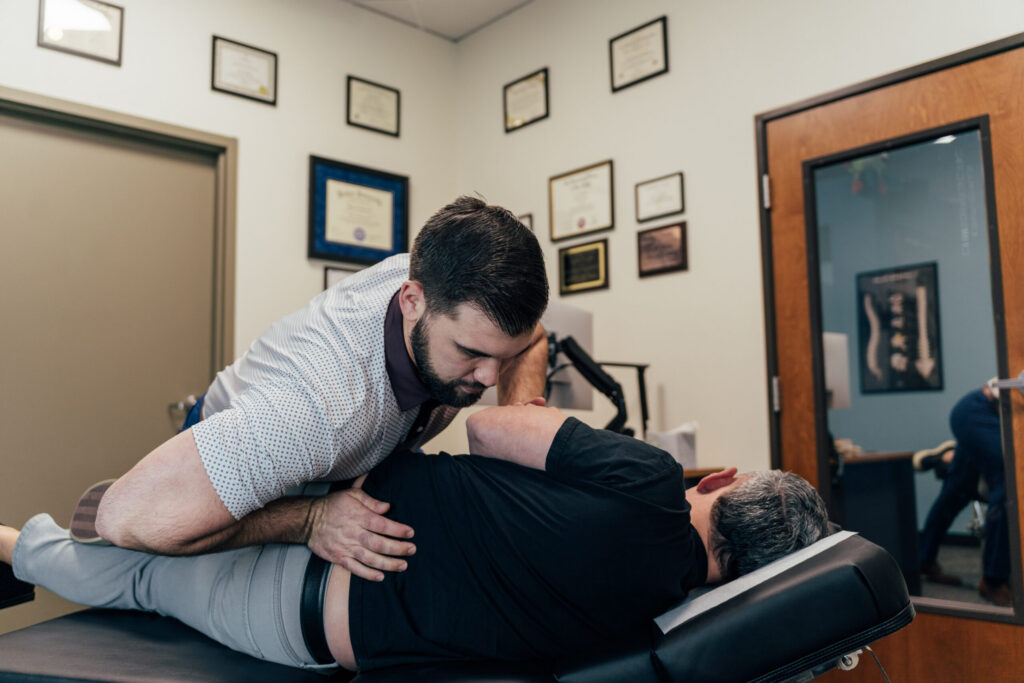
Chiropractic care is one of the best ways to address tension headaches at the root cause. By focusing on spinal alignment and overall wellness, we can help reduce the frequency and intensity of your headaches. Regular chiropractic adjustments can relieve tension and stress in your body, promoting better posture and ultimately leading to fewer headaches.
In addition to chiropractic care, here are some helpful tips to ease tension headaches:
- Practice Deep Breathing: Taking a few minutes to focus on your breath can help relax your mind and body. Try inhaling deeply through your nose, holding for a few seconds, and exhaling slowly through your mouth.
- Improve Your Posture: Pay attention to your posture throughout the day. Keep your head aligned over your spine and avoid slouching, especially when sitting at a desk.
- Stay Hydrated: Dehydration can contribute to headaches. Make sure to drink plenty of water throughout the day.
- Take Breaks: If you’re working on a computer or focusing on a task for an extended period, take short breaks to stretch and move. This can relieve muscle tension.
- Apply Heat or Cold: A warm compress can help relax tight muscles, while a cold pack can reduce inflammation. Find what feels best for you.
- Get Regular Exercise: Physical activity can help reduce stress and tension in your body. Even a short walk can make a difference.
- Maintain a Consistent Sleep Schedule: Aim for regular sleep patterns to help your body recover and reduce the likelihood of headaches.
- Consider Relaxation Techniques: Practices like yoga or meditation can be effective in reducing stress and tension.
- Limit Caffeine and Alcohol: Both can contribute to dehydration and may trigger headaches for some individuals.
- Seek Chiropractic Care: Regular visits to your chiropractor can provide lasting relief by addressing the underlying causes of your tension headaches.
By incorporating these strategies into your daily routine, you can take charge of your health and reduce tension headaches naturally. Remember, chiropractic care is a valuable tool in achieving optimal health and wellness, so don’t hesitate to reach out for support. Start feeling better today!
Key Takeaways
- Engage in deep breathing exercises for 5–10 minutes each day to help calm your mind and reduce the intensity of headaches. This practice can enhance your overall well-being and support your spine’s alignment.
- Add gentle neck and shoulder stretches to your daily routine. These movements can help release built-up tension in these areas, which may contribute to headaches, while also promoting better spinal health.
- Focus on maintaining proper posture and creating an ergonomic workspace to prevent neck and shoulder strain, especially during long hours of screen use. This can greatly reduce the risk of tension headaches and support your spinal alignment.
- Apply cold or warm compresses to your forehead or neck for 15–20 minutes. This simple method can numb pain and relax tense muscles, providing immediate relief while promoting overall muscle health.
- Explore the soothing properties of essential oils like peppermint or lavender. These natural remedies can help alleviate headache symptoms and contribute to a calming environment, complementing the benefits of chiropractic care for a holistic approach to wellness.
By incorporating these tips into your routine, you can take proactive steps towards relieving tension headaches and supporting your overall health naturally. Remember, regular chiropractic adjustments can also play a significant role in maintaining a healthy spine and alleviating headache pain.
Practice Deep Breathing Exercises
You can often relieve tension headaches by practicing deep breathing exercises, a natural method that complements the benefits of chiropractic care. Find a quiet spot where you can sit comfortably and take a moment for yourself. Close your eyes and take a deep breath in through your nose, allowing your abdomen to expand fully. Hold that breath for a moment, then exhale slowly through your mouth. Repeat this process for several minutes. Pay attention to the rhythm of your breathing, letting each inhale fill you with calm and each exhale release built-up tension.
As you breathe, visualize the stress leaving your body and the relief flowing in. If your mind starts to wander, gently redirect your focus back to your breath. Regular practice of deep breathing can help reduce the intensity of headaches, and it works well alongside chiropractic adjustments, which align your spine and improve overall wellness. Aim for at least five to ten minutes of deep breathing each day.
Incorporating these deep breathing exercises into your routine not only helps manage tension but also promotes relaxation and enhances the effects of chiropractic care. Remember, the goal is to support your body’s natural ability to heal and maintain optimal health. Embrace these simple yet effective techniques as part of your journey towards a healthier, headache-free life.
Apply a Cold or Warm Compress
Applying a cold or warm compress can be a simple yet effective way to alleviate the discomfort of a tension headache, and it can be a great complement to chiropractic care.
For a cold compress, take a bag of ice or a frozen gel pack, wrap it in a cloth, and place it on your forehead or the back of your neck. The cold sensation helps to numb the pain and reduce inflammation, providing quick relief. Aim to keep the compress on for about 15 to 20 minutes to feel its soothing effects.
Conversely, if you prefer warmth, using a warm washcloth or a heating pad can provide comfort by relaxing tense muscles. Apply the warm compress to the same areas, as the heat increases blood flow and can ease throbbing sensations.
As a local chiropractor, I encourage you to explore both options to discover which one works best for you. In some cases, alternating between cold and warm compresses can enhance your relief. Always listen to your body and adjust the temperature to what feels comfortable for you.
Remember, while these compresses can provide temporary relief, addressing the underlying causes of tension headaches is crucial. Regular chiropractic care can help identify and treat the root issues, leading to long-term wellness and pain relief.
Stay Hydrated
Staying hydrated is crucial for maintaining overall wellness and can play a significant role in preventing tension headaches. As a chiropractor, I often see patients who suffer from headaches due to dehydration. When your body lacks sufficient water, you may experience fatigue, dizziness, and even heightened headache pain, which can lead to discomfort in your neck and spine.
To support your body and mind, it’s important to develop the habit of sipping water throughout the day. This simple practice not only helps keep your hydration levels in check but also promotes a healthy spine and nervous system. Remember, when you’re well-hydrated, your muscles and joints function better, reducing the chances of tension and discomfort.
Here are some easy tips to help you stay hydrated:
- Carry a Water Bottle: Keep a reusable water bottle with you at all times to encourage regular sipping throughout the day.
- Set Reminders: Use your phone or an app to remind you to drink water every hour.
- Infuse Your Water: If plain water feels boring, try adding slices of fruits like lemon, cucumber, or berries to make it more enjoyable.
- Eat Hydrating Foods: Incorporate fruits and vegetables with high water content, like watermelon, cucumbers, and oranges, into your meals.
- Connect Hydration with Routine: Link your water intake to daily activities, like drinking a glass after each meal or during breaks at work.
Importance of Water Intake
Often overlooked, water intake is essential for maintaining overall health and wellness, particularly when it comes to preventing tension headaches. Staying properly hydrated supports your body’s functions and can significantly lower the chances of experiencing headaches. When you’re dehydrated, your brain can temporarily shrink, resulting in discomfort and pain.
To promote optimal health and alleviate tension, make it a habit to drink water regularly throughout the day, even if you don’t feel thirsty. Keeping a water bottle with you can serve as a great reminder to sip often. Aim for at least eight 8-ounce glasses of water daily, adjusting based on your activity level and the climate you’re in.
Incorporating herbal teas and water-rich foods into your diet can also enhance your hydration. By prioritizing water intake, you contribute not just to headache prevention but also to your overall well-being.
As a chiropractor, I believe that chiropractic care, combined with good hydration practices, plays a crucial role in achieving optimal health. So, take a moment to grab that glass of water, drink up, and remember that nurturing your body with hydration is a form of natural wellness that complements your chiropractic journey.
Signs of Dehydration
Dehydration can sneak up on you, and recognizing its signs is crucial for maintaining your overall health and wellness. As a chiropractor, I want to emphasize that staying hydrated is essential not only for your body but also for your spine and nervous system function.
One of the first signs of dehydration you might notice is increased thirst. If your mouth feels dry, it’s a signal that your body needs water. You may also experience fatigue or weakness, which can affect your posture and spinal alignment. Pay close attention to your urine; if it’s dark yellow or you find yourself urinating less frequently, that’s a clear indicator that you need to drink more fluids.
Dehydration can also lead to headaches, dizziness, or lightheadedness—symptoms that may further disrupt your daily activities and overall well-being. Additionally, your skin may lose elasticity, making it feel less supple when you pinch it. These signs aren’t just discomforting; they can also impact your spinal health by affecting your body’s ability to function properly.
If you notice any of these symptoms, prioritize hydration by drinking water or electrolyte-rich beverages immediately. Staying hydrated not only helps prevent headaches but also supports your body in functioning at its best, which is vital for maintaining good spinal health. Remember, when your body is well-hydrated, your nervous system can operate more efficiently, ensuring that your spine and overall body are aligned and functioning optimally.
Here are some general tips to help you stay hydrated and support your wellness journey:
- Drink Water Regularly: Aim to sip water throughout the day rather than waiting until you feel thirsty.
- Add Flavor: If plain water isn’t appealing, try adding slices of fruits like lemon, cucumber, or berries for a refreshing twist.
- Set Reminders: Use your phone or a timer to remind you to drink water at regular intervals.
- Eat Water-Rich Foods: Incorporate fruits and vegetables with high water content into your diet, such as cucumbers, oranges, and watermelon.
- Stay Mindful of Caffeine and Alcohol: These can dehydrate you, so be sure to balance them with extra water intake.
Stretch Your Neck and Shoulders
Stretch Your Neck and Shoulders for Natural Relief
As a chiropractor, I often see patients who suffer from tension headaches, which can be a result of stress and tightness in the neck and shoulders. Fortunately, incorporating simple stretches into your daily routine can help relieve this discomfort and promote a sense of relaxation.
Here are some effective stretches to consider:
- Neck Tilt: Gently tilt your head to one side, allowing your ear to move toward your shoulder. This stretch targets the muscles in the neck, helping to release built-up tension. Hold for 15-30 seconds on each side and feel the relief.
- Shoulder Shrugs: Raise your shoulders toward your ears, hold for a few seconds, and then let them drop back down. This exercise can help loosen the muscles in your upper back and shoulders. Repeat several times for the best results.
- Chin Tuck: This is a great exercise for improving posture and relieving neck tension. Pull your chin back toward your neck, creating a gentle double chin. Hold for a few seconds before releasing. This simple movement can help counteract the strain from looking down at screens.
- Upper Back Stretch: Interlace your fingers and extend your arms forward, rounding your upper back. This stretch not only helps with shoulder tension but also promotes better spinal alignment. Hold for 15-30 seconds.
Incorporating these stretches into your daily routine can significantly alleviate tension and soothe headaches, making you feel more comfortable and at ease.
Remember, chiropractic care is an excellent option for achieving optimal health and wellness. Regular visits can help address underlying issues, enhance your body’s natural healing abilities, and keep you feeling your best.
Take care of your spine and overall well-being—your body will thank you!
Take Breaks From Screens
Taking breaks from screens can significantly help alleviate tension headaches, a common issue many of us face in our tech-driven lives. Prolonged periods of staring at your computer or phone can lead to eye strain and neck tension, which often contribute to headaches. By incorporating regular breaks into your routine, you allow your body to relax and recharge, promoting overall wellness.
Here’s a simple guide to help you remember to take those essential breaks:
| Break Type | Duration |
|---|---|
| Quick Eye Rest | 20 seconds |
| Stretching | 1 minute |
| Full Break | 5 minutes |
| Long Break | 15 minutes |
Incorporate these breaks into your daily schedule. You might set a timer or use a wellness app as a reminder. During these breaks, step away from your screen, stretch your body, or simply close your eyes and breathe deeply. These small adjustments can markedly reduce the frequency and intensity of tension headaches.
Moreover, regular chiropractic care can also play a vital role in maintaining your spinal health and alleviating headaches. A chiropractor can provide personalized adjustments to improve your posture, relieve tension in your neck and shoulders, and support your overall well-being. By choosing chiropractic care, you’re opting for a natural approach to healing that focuses on restoring balance and function to your body.
Try Essential Oils
As a chiropractor, I often emphasize the importance of natural remedies for achieving optimal health and wellness. One often overlooked option for relieving tension headaches is the use of essential oils. These concentrated plant extracts can provide therapeutic benefits that complement the care you receive through chiropractic adjustments.
Here are some effective essential oils to consider incorporating into your wellness routine:
- Peppermint Oil: The cooling sensation of peppermint oil can help relax tight muscles and improve circulation, which is beneficial when you’re experiencing headache pain.
- Lavender Oil: Known for its calming properties, lavender oil can help reduce stress and promote relaxation, making it easier for your body to heal.
- Eucalyptus Oil: This oil has anti-inflammatory effects that may alleviate sinus pressure, which can be a contributing factor to headaches.
- Rosemary Oil: Rosemary oil can enhance blood flow and relieve muscle tension, providing a natural way to support your head and neck health.
To make the most of these oils, dilute them with a carrier oil and apply them to your temples, or inhale directly from the bottle. You’ll be amazed at how quickly they can enhance your headache relief routine.
Remember, while essential oils can be a great addition to your wellness toolkit, nothing replaces the comprehensive care provided by chiropractic adjustments. A chiropractor can help address the underlying causes of your headaches, ensuring that your spine and nervous system are functioning optimally.
Incorporating chiropractic care into your routine can lead to long-term relief and a healthier lifestyle overall.
Maintain Good Posture
While essential oils can be a fantastic addition to your headache relief toolkit, it’s important to recognize that maintaining good posture is crucial in preventing tension headaches from developing in the first place. Poor posture, such as slouching or hunching over your computer or phone, can put unnecessary strain on your neck and shoulders, leading to discomfort and pain.
To promote better posture and support your spinal health, make it a habit to sit up straight with your shoulders pulled back and your feet flat on the floor. Position your screen at eye level to avoid tilting your head forward, which can contribute to strain. If you spend long hours at a desk, consider using an ergonomic chair that provides proper support for your lower back—this can make a significant difference in how you feel throughout the day.
When standing, try to distribute your weight evenly on both feet and avoid locking your knees. Remember to take short breaks to stretch and realign your body, especially during long periods of sitting. Simple stretches and movements can help alleviate tension and promote blood flow, further reducing the risk of headaches.
By being mindful of your posture, you not only decrease the likelihood of tension headaches but also enhance your overall well-being. Chiropractic care can play a pivotal role in helping you maintain proper alignment and posture, ensuring that your spine is healthy and functioning optimally. Regular chiropractic adjustments can help relieve tension, improve your posture, and support your body’s natural ability to heal.
Prioritizing your spinal health is a key step towards achieving a pain-free life and enjoying greater wellness naturally.
Engage in Gentle Physical Activity
Incorporating gentle physical activity into your daily routine can be a transformative approach to relieving tension headaches, and it complements the benefits of chiropractic care beautifully. When you engage in movement, you enhance blood circulation and stimulate the release of endorphins, which can significantly ease headache symptoms.
You don’t need to embark on a rigorous exercise program; just a few minutes of light activity can yield positive results. Here are some simple activities to consider integrating into your day:
- Walking: A brisk walk not only helps clear your mind but also helps to release built-up tension in your body. It’s a great way to boost your mood and promote overall well-being.
- Stretching: Gentle stretches can work wonders for relieving tight muscles, especially in the neck and shoulders, which are often culprits in tension headaches. Incorporating daily stretches can keep your spine healthy and flexible.
- Yoga: Practicing yoga can significantly promote relaxation and flexibility, reducing stress levels. Many yoga poses focus on alignment, which complements the spinal adjustments you receive from chiropractic care.
- Tai Chi: This graceful, slow-motion martial art combines gentle movements with deep breathing. It’s an excellent way to enhance relaxation and can be a wonderful addition to your wellness routine.
Remember, maintaining a healthy spine is key to achieving optimal health and preventing headaches. Regular chiropractic adjustments can help ensure that your spine is aligned, which aids in overall body function and can reduce headache frequency and intensity.
Use Over-the-Counter Pain Relief
When tension headaches strike, many people instinctively reach for over-the-counter pain relief. While options like ibuprofen, acetaminophen, and aspirin can offer temporary relief, it’s important to remember that they merely mask the symptoms rather than address the underlying cause of the headache.
As a chiropractor, I encourage you to consider a more holistic approach to managing headaches. Tension headaches often stem from issues related to spinal alignment, muscle tension, and stress. Chiropractic care focuses on identifying and correcting these underlying issues, which can lead to long-term relief and improved overall well-being.
Instead of relying solely on medications, try incorporating some natural strategies into your routine. Regular chiropractic adjustments can help restore proper alignment in your spine, reducing tension and improving your body’s ability to heal itself. Additionally, practicing good posture, engaging in stress-reducing activities like yoga or meditation, and staying hydrated can significantly reduce the frequency and intensity of headaches.
If you do choose to use over-the-counter options occasionally, be sure to read the labels carefully and follow the recommended dosages. However, if you find yourself frequently needing pain relief, this might be a signal to explore chiropractic care as a more sustainable solution.
Consider Relaxation Techniques
When tension headaches strike, incorporating relaxation techniques can be incredibly beneficial, especially when paired with chiropractic care. One effective method is deep breathing exercises, which can help calm your mind and body, promoting a sense of peace.
Additionally, progressive muscle relaxation can be a great way to release any built-up tension and improve your overall comfort.
Chiropractic care focuses on the alignment of your spine, which plays a crucial role in your body’s ability to function optimally. By ensuring your spine is properly aligned, you can reduce the frequency and intensity of tension headaches.
Regular chiropractic adjustments can help alleviate pain and restore balance to your body, allowing you to enjoy life fully.
Incorporating these relaxation techniques into your routine, alongside chiropractic care, can lead to significant improvements in your well-being. Remember to take time for yourself, practice deep breathing, and engage in muscle relaxation to enhance your healing journey.
Prioritizing your spinal health not only supports pain relief but also contributes to a healthier, more vibrant life.
Deep Breathing Exercises
Practicing deep breathing exercises can be an effective way to alleviate tension headaches and promote overall wellness. By focusing on your breath, you can reduce stress and enhance relaxation, which is essential for supporting your spinal health and overall well-being. Here’s how to incorporate deep breathing into your daily routine:
- Begin by finding a quiet, comfortable space where you can sit or lie down without distractions.
- Inhale deeply through your nose for a count of four, allowing your abdomen to expand as you fill your lungs with air.
- Hold your breath gently for a count of four, giving your body a moment to absorb the oxygen.
- Exhale slowly through your mouth for a count of six, consciously letting go of any tension or discomfort.
Repeat this cycle for several minutes. As you practice, you’ll notice your body begins to relax, and your mind becomes clearer.
This simple technique not only helps ease headaches but also supports your spinal health by promoting better oxygen flow and reducing stress on the body.
Incorporating deep breathing into your daily routine can provide long-lasting relief from stress and tension. Remember that chiropractic care is also a fantastic option for maintaining optimal health and addressing pain naturally.
Progressive Muscle Relaxation
If you’re looking for effective ways to relieve tension headaches, Progressive Muscle Relaxation (PMR) can be a helpful tool. This technique involves tensing and then relaxing different muscle groups in your body, promoting overall relaxation and helping to alleviate headaches.
To start, find a quiet space where you can unwind without interruptions. Begin with your feet—tense the muscles for a few seconds, then release. Gradually move up through your legs, abdomen, arms, and neck, paying close attention to how your body feels as you release the tension. This mindful practice allows stress to dissipate, which can be particularly beneficial for those experiencing headaches.
Incorporating PMR into your daily routine, even for just 10-15 minutes, can significantly reduce the frequency and intensity of headaches. Not only will you feel more relaxed and in control, but you’ll also be taking positive steps toward natural wellness.
As a chiropractor, I recommend combining techniques like PMR with regular chiropractic care. Chiropractic adjustments can help ensure that your spine is aligned, which supports overall health and can reduce headache triggers. Remember, taking care of your body is a holistic journey, and utilizing natural methods like PMR along with chiropractic care can lead to optimal health and wellness.
Conclusion
By incorporating these tips into your daily routine, you can effectively relieve tension headaches and enhance your overall comfort. Start by practicing deep breathing exercises to help relax your mind and body. Staying well-hydrated is crucial, as dehydration can contribute to headaches. Make sure to take regular breaks, especially if you spend long hours at a desk, to reduce muscle tension.
Don’t forget to gently stretch your neck and shoulders throughout the day, which can alleviate tightness and improve circulation. Maintaining good posture while sitting or standing can also play a significant role in preventing headaches. Engaging in gentle physical activity, such as walking or yoga, can promote relaxation and reduce stress.
If you experience persistent headaches, consider exploring chiropractic care as a natural and effective solution. Chiropractors specialize in spinal health and can help address any underlying issues that may be contributing to your discomfort. Through adjustments and holistic techniques, chiropractic care can provide lasting relief without the need for medications.
Remember, taking proactive steps today can lead to a more headache-free tomorrow! Embrace these simple strategies and consider how chiropractic care can support your journey toward optimal health and wellness.