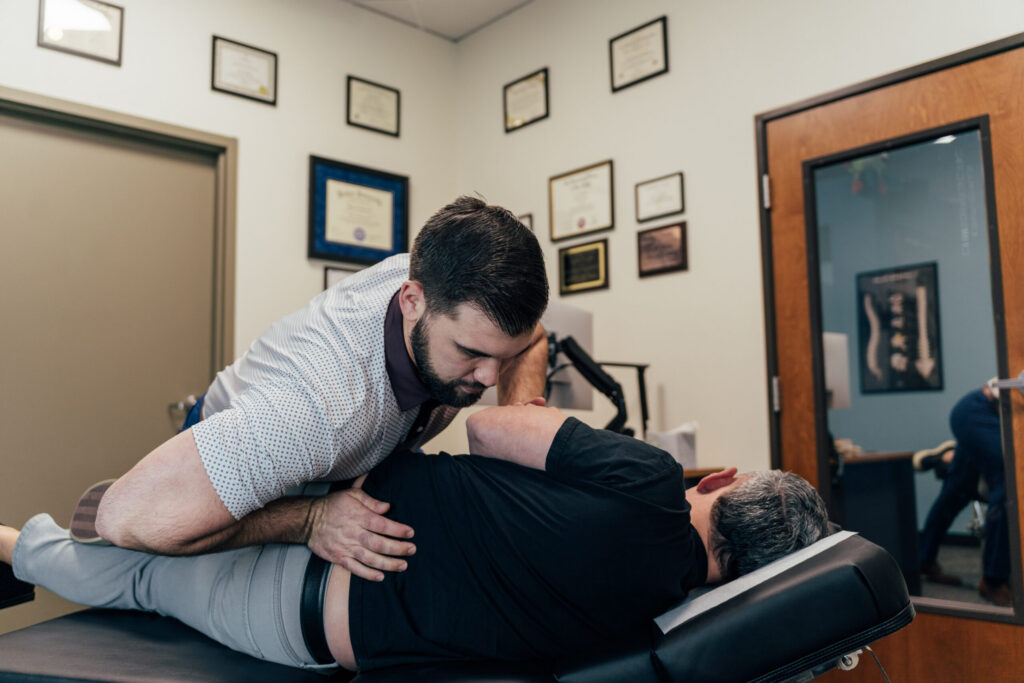

As a local chiropractor, I understand that many of you may not be familiar with chiropractic care and the natural healing methods we offer. If you’ve ever experienced lower back discomfort, you know how it can disrupt your daily activities and overall well-being. It’s crucial to find effective ways to manage this pain, and I’m here to share some strategies that can help you alleviate discomfort and enhance your quality of life.
Chiropractic care focuses on the relationship between the spine and the nervous system. By addressing misalignments in the spine, we can help relieve pressure on nerves, reduce pain, and promote healing. Here are some practical tips that I recommend to my patients for managing lower back discomfort and supporting your spinal health:
- Regular Chiropractic Adjustments: Routine adjustments can help restore proper alignment and function to your spine, reducing pain and preventing future issues.
- Strengthening Exercises: Engage in exercises that strengthen your core muscles, which provide support to your lower back. I can guide you on safe and effective routines.
- Proper Posture: Pay attention to your posture, especially if you sit for long periods. Maintaining good alignment helps to reduce strain on your lower back.
- Ergonomic Workspaces: If you work at a desk, ensure that your workspace is ergonomically designed to support your body and minimize stress on your spine.
- Stay Active: Regular physical activity can improve flexibility and strength, which are essential for a healthy back. I can recommend specific activities that suit your lifestyle.
- Heat and Ice Therapy: Using heat or ice packs can help manage pain and inflammation. I can help you determine the best approach for your specific situation.
- Mindful Stress Management: Stress can contribute to muscle tension, leading to discomfort. Techniques such as deep breathing, meditation, or yoga can be beneficial.
By focusing on these strategies, you can take proactive steps toward managing your lower back discomfort. Remember, chiropractic care is a natural and effective way to support your spinal health and improve your overall well-being. If you have any questions or would like to learn more about how chiropractic can help you, feel free to reach out. Your health is our priority!
Maintain Good Posture
As a local chiropractor, I want to emphasize the importance of maintaining good posture, whether you’re sitting or standing. Proper spinal alignment is crucial in preventing lower back discomfort, as it allows your body weight to be distributed evenly, minimizing strain on your muscles and ligaments.
When you sit, ensure your feet are flat on the ground and your knees form a right angle. If you’re standing, make it a habit to distribute your weight evenly on both feet, and avoid locking your knees. These adjustments may seem small, but they can have a significant impact on your overall comfort and health.
Engaging your core muscles is another key aspect of supporting your spine. This simple practice can greatly reduce pressure on your lower back, helping you feel more at ease throughout your day.
If you’re using a chair, look for one that offers good lumbar support, or consider adding a cushion to help maintain the natural curve of your spine.
Also, pay attention to the position of your head; it should be aligned over your shoulders. Implementing these small changes in your daily routine can lead to better posture, alleviate discomfort, and ultimately enhance your quality of life.
Incorporate Regular Stretching
As a local chiropractor, I want to emphasize the importance of incorporating regular stretching into your daily routine. Many patients come to me with lower back discomfort, and I often find that consistent stretching can significantly alleviate this issue while also improving your overall flexibility.
By engaging in simple stretching exercises, you can’t only strengthen your back but also enhance your mobility, leading to a better quality of life.
Let’s take a moment to explore some effective stretching techniques that are easy to integrate into your day-to-day activities. These practices can be a vital part of your journey towards natural healing and wellness.
Benefits of Stretching
As a local chiropractor, I often emphasize the importance of regular stretching for my patients, especially those dealing with lower back discomfort.
Incorporating stretching into your daily routine can significantly enhance your flexibility and mobility. This practice not only helps alleviate tightness but can also serve as a preventive measure against future injuries.
Here are three key benefits of regular stretching that I share with my patients:
- Pain Relief: Stretching is an effective way to release tension in your muscles, providing you with immediate relief from discomfort.
- Improved Posture: By strengthening and lengthening your muscles, stretching promotes better alignment. This can help reduce strain on your back and support overall spinal health.
- Enhanced Blood Flow: Increased circulation from stretching nourishes your muscles and supports recovery. This can leave you feeling more energized throughout the day.
I encourage you to prioritize stretching in your daily routine. By doing so, you may notice a significant reduction in lower back discomfort over time.
Recommended Stretching Exercises
As a local chiropractor committed to your well-being, I want to share some effective stretching exercises that can greatly help in managing lower back discomfort. Many people may not realize how beneficial these stretches can be for improving flexibility and alleviating tension in the lower back.
First, let’s talk about the knee-to-chest stretch. This is a simple yet effective exercise. Lie on your back and gently pull one knee toward your chest. Hold this position for 20-30 seconds, then switch to the other leg. This stretch helps to release tension in your lower back.
Next, I recommend the cat-cow stretch. Begin by getting on all fours—this position allows for a safe and effective stretch. Arch your back upwards, then lower it down, creating a gentle wave motion. Repeat this for about 10 cycles. This movement not only stretches the spine but also encourages mobility.
Another excellent stretch is the seated forward bend. Sit with your legs extended in front of you and reach toward your toes. This stretch not only targets your lower back but also stretches your hamstrings, which can contribute to overall back health.
Lastly, consider incorporating the pelvic tilt into your routine. Lie on your back with your knees bent and feet flat on the ground. Gently tilt your pelvis upward. This exercise not only helps to strengthen your core but also supports your lower back.
By regularly practicing these stretches, you can improve your flexibility, reduce tension, and alleviate discomfort in your lower back.
Strengthen Core Muscles
As a local chiropractor, I often emphasize the importance of strengthening your core muscles, especially if you’re experiencing lower back discomfort. A strong core plays a crucial role in supporting your spine, which can help alleviate strain and prevent injuries.
I’d like to share three effective exercises that can enhance your core strength and contribute to a healthier back:
- Planks: Begin by holding a plank position for 30 seconds to a minute. Make sure to engage your abdominal muscles while keeping your back straight and hips level. This exercise is fantastic for building endurance in your core.
- Bird-Dog: Start on your hands and knees. Extend one arm forward and the opposite leg backward simultaneously, then switch sides. This exercise not only strengthens your core but also improves your balance and coordination, which is key for spinal health.
- Bridges: Lie on your back with your knees bent and feet flat on the floor. Lift your hips towards the ceiling, squeezing your glutes at the top of the movement. Hold for a few seconds before lowering back down. This exercise effectively targets your lower back and glute muscles.
Incorporating these exercises into your daily routine can significantly strengthen your core, providing essential support for your spine and promoting overall stability.
Always remember to listen to your body and progress at a pace that’s comfortable for you. If you have any concerns about your form or how to integrate these exercises into your lifestyle, feel free to reach out for personalized guidance during your chiropractic visits!
Use Ergonomic Furniture
As a local chiropractor, I want to emphasize the importance of investing in ergonomic furniture, especially if you spend long hours sitting at a desk. Proper support for your lower back can significantly impact your overall comfort and well-being.
Ergonomic chairs are specifically designed to align with your spine’s natural curve, which helps promote better posture and can alleviate strain on your back and shoulders. When selecting a chair, look for features like adjustable height, lumbar support, and armrests. These elements are crucial in reducing discomfort and preventing long-term issues.
Additionally, consider the benefits of an adjustable desk that allows you to alternate between sitting and standing. This versatility can help combat fatigue and discomfort throughout your workday.
It’s also important to ensure that your computer screen is at eye level, as this will help minimize strain on your neck and back.
Don’t overlook the value of accessories such as footrests or cushions, which can further enhance your seating comfort. By choosing ergonomic furniture, you’re taking an essential step towards reducing lower back discomfort and boosting your productivity.
Apply Heat or Cold Therapy
As a local chiropractor dedicated to helping you understand effective ways to manage lower back discomfort, I want to highlight the benefits of heat and cold therapy. Both methods can significantly alleviate pain and support the healing process, but it’s crucial to know when to use each.
- Heat Therapy for Muscle Relaxation: If you’re experiencing tightness in your muscles, applying a heating pad or a warm towel can be incredibly beneficial. Heat helps to increase blood flow, which can relax those stiff areas and ease discomfort. Just remember to avoid overheating your skin!
- Cold Therapy for Inflammation: In the case of a recent injury or if you notice any swelling in your lower back, ice packs are your best friend. Cold therapy can help reduce inflammation and numb the pain. Be sure to wrap the ice in a cloth to protect your skin from frostbite.
- Alternating Between Heat and Cold: For some patients, alternating between heat and cold can provide optimal relief. You might try applying heat for 20 minutes, followed by cold for another 20 minutes, and assess how your back responds. This combination can often yield great results.
I encourage you to experiment with these therapies to find what works best for your individual needs.
Stay Active With Low-Impact Exercises
As a local chiropractor, I want to emphasize the importance of staying active, especially when it comes to managing lower back discomfort. Low-impact exercises can be an excellent way to keep your body engaged without placing excessive strain on your spine. Activities such as walking, swimming, and cycling aren’t only enjoyable but also effective in improving flexibility and strengthening the core muscles that support your back.
I recommend starting with short exercise sessions and gradually increasing the duration as your comfort level rises. Additionally, incorporating gentle stretching routines into your daily routine can significantly enhance your mobility and relieve tension in your body.
Consistency is key; even a simple 20-minute walk each day can make a remarkable difference in your overall well-being.
If you’re unsure where to begin, consider participating in a low-impact exercise class or following online videos specifically designed for beginners. Always listen to your body and avoid pushing through any pain, as this can lead to further issues.
Staying active not only aids in alleviating discomfort but also has a positive impact on your mood and overall health. So, let’s take the first step together—lace up your shoes and get moving towards a healthier you!
Consider Professional Help
If you’re experiencing persistent lower back discomfort despite your efforts with regular exercise and stretching, it might be time to consider seeking professional help.
As a local chiropractor, I want to share how chiropractic care can play a vital role in your recovery journey. Here are a few insights into how we can assist you:
- Spinal Alignment: One of the key focuses of chiropractic care is ensuring that your spine is properly aligned. Misalignments can lead to pressure on nerves and contribute to discomfort. Through gentle adjustments, we can help restore alignment and alleviate your pain.
- Holistic Approach: Chiropractic care looks at the whole person, not just the symptoms. We assess your lifestyle, posture, and movement patterns to identify underlying issues that may be contributing to your discomfort. By addressing these factors, we can create a comprehensive treatment plan tailored specifically for you.
- Natural Healing: Unlike some traditional medical approaches that may rely on medication or invasive procedures, chiropractic care emphasizes natural healing. Our goal is to empower your body to heal itself through adjustments, therapeutic exercises, and lifestyle advice.
Don’t hesitate to reach out and explore how chiropractic care can support you in managing your lower back discomfort.
With the right guidance and treatment, you can regain your mobility and enhance your overall well-being.
Let’s work together toward a healthier, pain-free life!
Conclusion
As a local chiropractor, I want to share with you seven essential tips for effectively managing lower back discomfort and enhancing your overall well-being through natural healing methods. First and foremost, maintaining good posture is crucial; it can significantly reduce strain on your back. Additionally, incorporating regular stretching into your routine can help alleviate tension and improve flexibility.
Strengthening your core is another key aspect of back care. A strong core supports your spine and helps prevent discomfort. I also encourage the use of ergonomic furniture, which is designed to promote proper alignment and reduce stress on your back during daily activities.
Applying heat or cold therapy can provide immediate relief for acute pain and inflammation, so don’t hesitate to use these methods as needed. Staying active with low-impact exercises, such as walking or swimming, is vital for maintaining mobility and promoting healing.
If your pain persists despite these efforts, I recommend seeking professional help. As a chiropractor, I can provide tailored treatments and adjustments to address the root causes of your discomfort. With consistent attention to your body mechanics and a commitment to these practices, you’ll be well on your way to achieving lasting relief and improved health.