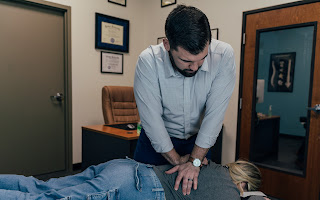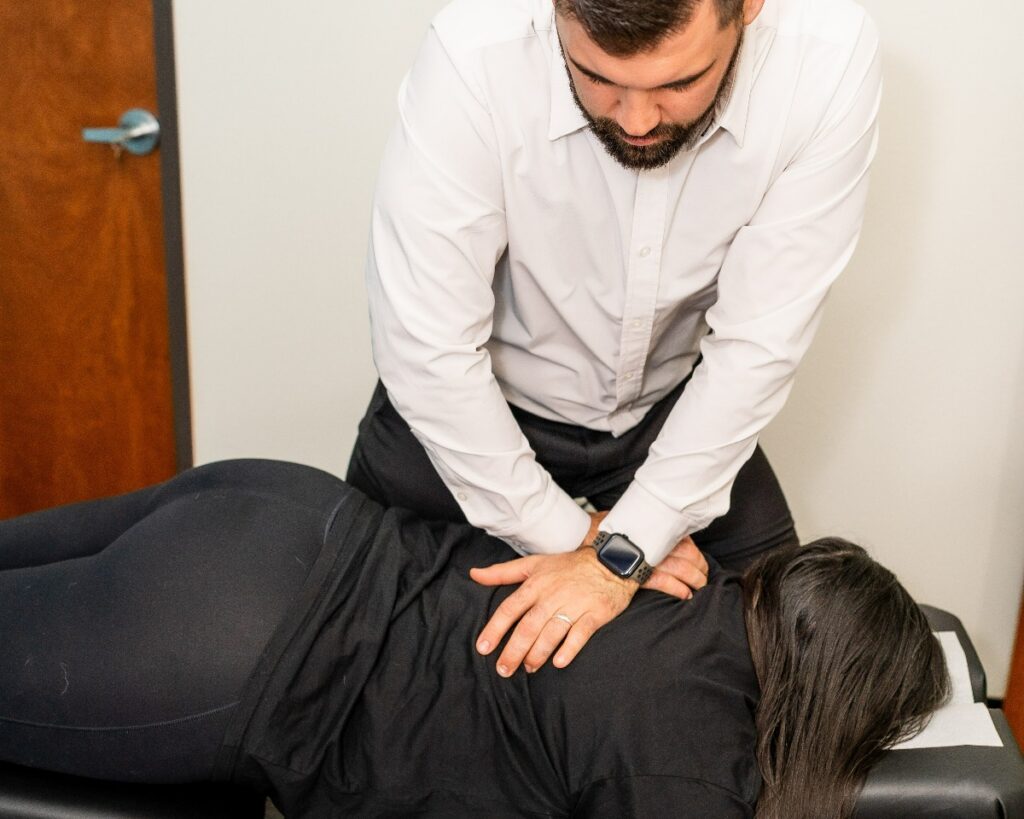

As a local chiropractor, I understand that lower back pain can be a persistent challenge that impacts your daily life in numerous ways. It’s crucial to take proactive steps toward recovery, and I want to help you navigate this journey with natural healing methods. By focusing on proper posture, incorporating targeted exercises, and utilizing various therapies, you can make significant strides toward alleviating your discomfort.
However, recovery involves more than just physical adjustments. It’s important to explore a comprehensive range of strategies that can assist you in finding relief and regaining control over your body. Chiropractic care emphasizes the importance of spinal alignment, which can play a vital role in your recovery process.
Let’s delve into some essential tips that can guide you on your path to healing and overall wellness. By understanding how chiropractic care and natural healing practices work, you can empower yourself to manage and overcome your lower back pain effectively.
Maintain Good Posture
As your local chiropractor, I want to emphasize the importance of maintaining good posture for preventing and alleviating lower back pain. Many people may not realize how crucial body alignment is when sitting, standing, or moving. It’s essential to keep your shoulders back and relaxed, ensuring your head is properly aligned over your spine. This will help you avoid slouching or leaning forward, particularly during long periods of sitting or standing.
If you spend a lot of time at a desk, it’s important to adjust both your chair and desk height. Your feet should rest flat on the ground, and your knees should form a right angle. Consider investing in ergonomic chairs or lumbar support to help maintain the natural curve of your spine.
When lifting objects, remember to bend your knees while keeping your back straight; use the strength of your legs rather than your back to lift.
Incorporate Stretching and Strengthening Exercises
As your local chiropractor, I want to emphasize the importance of incorporating stretching and strengthening exercises into your lower back recovery plan.
These exercises play a crucial role in enhancing your flexibility and building core strength, which are vital for supporting your spine and alleviating pain.
Gentle stretching techniques can significantly ease muscle tension, allowing for better movement and overall comfort.
By integrating these practices into your daily routine, you not only promote healing but also empower your body to maintain a healthier posture and reduce the risk of future injuries.
Remember, a strong and flexible back is key to your overall well-being.
Let’s work together to create a personalized plan that suits your needs!
Importance of Flexibility
As a local chiropractor, I want to emphasize the vital role flexibility plays in your recovery from lower back pain. Enhancing your range of motion and reducing the risk of injury are key components of healing. By incorporating stretching exercises into your daily routine, you can effectively alleviate muscle tightness and improve circulation, which is crucial for your overall health.
It’s particularly important to focus on stretches that target areas such as your hamstrings, hip flexors, and lower back. Gentle practices like yoga or Pilates can be incredibly beneficial, helping to promote both flexibility and relaxation.
I encourage you to listen to your body as you begin this journey; it’s essential not to push yourself beyond your limits.
In addition to flexibility, pairing your stretching routine with strengthening exercises can provide the support your spine needs, enhancing your overall stability.
By committing to a consistent flexibility routine, you won’t just ease your lower back pain; you’ll also lay the groundwork for long-term mobility and wellness.
Core Strengthening Exercises
As a chiropractor, I want to emphasize the importance of core strengthening exercises in maintaining a healthy spine and overall stability. A strong core plays a crucial role in supporting your lower back and can significantly reduce the risk of injury.
By focusing on your core, you’re not just working on your abdominal muscles; you’re also engaging your glutes and lower back, which are vital for a balanced body.
I recommend starting with foundational exercises such as planks, bridges, and bird-dogs. These exercises are simple yet effective and can be performed at home with minimal equipment. Aim for two to three sets of 10-15 repetitions, and as you become more comfortable, gradually increase the intensity and duration.
It’s essential to maintain proper form while performing these exercises to prevent any strain on your back. I encourage you to incorporate these movements into your routine at least three times a week.
Consistency is key to developing a strong core, which will ultimately provide better support for your lower back and improve your posture as you go about your daily activities.
Gentle Stretching Techniques
As a local chiropractor, I want to share some gentle stretching techniques that can significantly support your lower back recovery, especially when paired with strengthening exercises.
Starting with simple stretches like the cat-cow pose can make a big difference. This stretch not only enhances your flexibility but also alleviates tension in your back. Aim to hold each stretch for 15-30 seconds, and remember to focus on your breathing—this will help enhance your relaxation.
Another effective stretch is the child’s pose, which gently elongates your spine and helps relieve discomfort.
It’s also important to consider hamstring stretches, as tight hamstrings can often contribute to lower back pain.
As you become more comfortable, I encourage you to incorporate strengthening exercises like bridges or pelvic tilts. These will help build core stability, which is crucial for a healthy back.
Always listen to your body; if you experience sharp pain, it’s essential to stop immediately.
By consistently practicing these techniques, you can greatly aid your recovery and improve your overall mobility.
Apply Heat or Cold Therapy
As a local chiropractor, I want to share with you how heat and cold therapy can significantly aid in your recovery from lower back pain. Many patients are unaware of the benefits these simple techniques can offer.
Heat therapy is particularly effective for relaxing tight muscles and enhancing circulation in the affected area. By increasing blood flow, it helps deliver essential nutrients to your muscles, promoting healing and alleviating discomfort.
On the other hand, cold therapy is invaluable for reducing inflammation and numbing pain. It works by constricting blood vessels, which can help minimize swelling and provide immediate pain relief.
Understanding when to use heat or cold therapy is essential for effective pain management. Typically, I recommend using cold therapy right after an injury or flare-up to combat inflammation, while heat therapy can be more beneficial in the days following to relax muscles and improve blood flow.
By incorporating these therapies into your routine, you can support your recovery and enhance your overall healing process naturally.
If you have any questions about how to use these methods effectively, feel free to ask during your next visit!
Benefits of Heat Therapy
As a local chiropractor, I understand that managing lower back pain can feel daunting. However, I want to share with you a natural and effective approach to finding relief: heat therapy. This simple technique can significantly alleviate discomfort and support your healing journey.
Here are three key benefits of incorporating heat therapy into your routine:
- Muscle Relaxation: Applying heat to your back can help soothe tense muscles, reducing stiffness and providing immediate relief. This relaxation can be crucial for improving your overall mobility.
- Increased Blood Flow: The warmth from heat therapy enhances blood circulation to the affected areas. This boost in circulation brings essential nutrients to your muscles and tissues, promoting faster recovery and healing.
- Pain Relief: Heat therapy can help dull the pain signals that your body sends to the brain. This effect can make daily activities more manageable and improve your overall quality of life.
Integrating heat therapy with your chiropractic care can be a game-changer in your journey toward recovery from lower back pain.
If you have any questions about how to apply this technique effectively, feel free to reach out during your next visit!
Advantages of Cold Therapy
As a local chiropractor, I want to share with you the significant benefits of cold therapy for managing lower back pain. While many are familiar with heat therapy, cold therapy is equally important and can provide remarkable relief.
When you apply ice packs or cold compresses, you help reduce inflammation and numb any soreness, offering immediate relief from acute pain. Cold therapy works by constricting blood vessels, which minimizes swelling and discomfort, making it especially effective after an injury or during flare-ups.
By incorporating this method into your recovery routine, you can regain mobility without the persistent pain that often accompanies lower back issues.
It’s simple to use cold therapy—just remember to wrap the ice in a cloth to protect your skin. I encourage you to integrate cold therapy along with other recovery techniques we discuss in our sessions.
When to Use Which
As a local chiropractor, I want to help you understand the importance of using heat and cold therapy effectively, especially when it comes to managing lower back pain. Each method has its unique benefits, and knowing when to apply them can significantly enhance your recovery process.
1. Cold Therapy: Immediately after an injury or during flare-ups is the best time to use cold therapy. It helps to reduce swelling and numb the pain, providing much-needed relief.
I recommend applying an ice pack for 15-20 minutes at a time to avoid any skin damage.
2. Heat Therapy: If you’re experiencing tightness or tension in your muscles, heat therapy is your go-to solution. Applying heat increases blood flow and helps to relax the muscles, making it particularly effective for chronic pain or stiffness.
Consider using a heating pad or warm bath for this purpose.
3. Alternating Between Both: If you’re unsure which method to use, alternating between heat and cold can be very beneficial. Start with cold therapy to help with inflammation, and then switch to heat after a few days to encourage healing.
This combination can offer a well-rounded approach to pain relief.
Always listen to your body’s signals and adjust your treatment as necessary. If you have any questions about how to best implement these therapies for your specific condition, feel free to reach out during your next visit.
Your recovery is our priority!
Stay Active and Engage in Regular Physical Activity
As your local chiropractor, I want to emphasize the importance of staying active for your recovery from lower back pain. Engaging in regular physical activity is crucial as it helps to strengthen your muscles and enhance flexibility, which are vital components of healing.
By incorporating movement into your daily routine, you can alleviate pain and reduce the likelihood of future episodes. I recommend starting with low-impact exercises that are gentle on your back, such as walking, swimming, or cycling. These activities not only promote movement but also provide significant benefits to your overall health.
As you begin to feel more comfortable, you can gradually increase your activity level. Additionally, incorporating core-strengthening exercises, such as bridges and planks, can significantly support your spine and improve stability. Stretching is another essential aspect of your routine; it helps maintain muscle flexibility and reduces tension, which is particularly important for preventing discomfort.
Aim for at least 150 minutes of moderate activity each week. Don’t hesitate to break it into smaller, manageable sessions if that feels more achievable for you. It’s important to listen to your body during this process—if you experience any pain, consider modifying your routine or seeking guidance from a healthcare professional.
Practice Mindfulness and Relaxation Techniques
As your local chiropractor, I want to share how practicing mindfulness and relaxation techniques can significantly alleviate your lower back pain.
By incorporating deep breathing exercises and guided meditation into your daily routine, you can help focus your mind and reduce tension in your body.
These practices not only enhance your physical health but also promote mental well-being.
Making mindfulness a regular part of your day can complement our chiropractic treatments, leading to a more holistic approach to your healing journey.
Deep Breathing Exercises
As a chiropractor dedicated to your well-being, I want to share how deep breathing exercises can play a significant role in alleviating lower back pain. Many individuals may not realize that these simple practices can promote relaxation and reduce muscle tension, which is essential for effective pain management.
By incorporating deep breathing into your daily routine, you can enhance your overall healing journey. Here are three straightforward techniques that I recommend:
- Diaphragmatic Breathing: Find a comfortable position, whether sitting or lying down. Inhale deeply through your nose, allowing your belly to rise as you fill your lungs. Then, exhale slowly through your mouth. This technique encourages proper oxygen flow and relaxation throughout your body.
- 4-7-8 Technique: This method can help calm your nervous system. Inhale deeply for 4 seconds, hold your breath for 7 seconds, and then exhale slowly for 8 seconds. Repeat this cycle several times. It can be particularly effective in reducing stress, which often contributes to back pain.
- Box Breathing: This technique is excellent for grounding your mind and body. Inhale for 4 counts, hold for 4 counts, exhale for 4 counts, and pause for 4 counts. Engaging in this rhythmic breathing helps to lower anxiety levels and promotes a sense of calm, further supporting your chiropractic care.
By integrating these deep breathing exercises into your routine, you can better manage your pain and enhance your overall health.
Guided Meditation Practices
As a chiropractor, I want to share with you a valuable approach to easing lower back pain that you may not be familiar with: guided meditation practices. Incorporating these sessions into your daily routine can be a powerful complement to chiropractic care. They help cultivate mindfulness and relaxation, which can significantly reduce stress and tension that often intensify your pain.
To begin, find a quiet, comfortable space where you can focus solely on yourself. You might consider using a meditation app or an audio guide to help you navigate the process. Pay close attention to your breath—allow each inhale and exhale to root you in the present moment.
As you engage in this practice, visualize warmth and healing energy flowing to your lower back, promoting relaxation and relief. I encourage you to make meditation a part of your routine, even if it’s just for a few minutes each day.
As you become more comfortable, gradually increase the duration of your sessions. Over time, you’ll likely notice a significant improvement in your pain management, as well as an enhancement in your overall emotional well-being.
Use Proper Lifting Techniques
As a local chiropractor, I often see patients who suffer from lower back pain due to improper lifting techniques. It’s crucial to understand that the way you lift objects can significantly impact your spinal health.
Here are some essential lifting techniques that can help prevent pain and injury:
- Bend at the Knees: When you need to lift something, start by squatting down. Keep your back straight and bend at the knees. This technique allows your strong leg muscles to do the heavy lifting, which greatly reduces the strain on your back.
- Keep the Load Close: Always hold the object as close to your body as you can. By doing this, you minimize the lever effect, making it easier to lift and less stressful on your spine. The closer the load is to your center of gravity, the safer the lift will be.
- Use Your Legs: As you begin to lift, push through your heels and straighten your legs. It’s vital to avoid twisting your back during the lift; instead, pivot your feet to turn your body. This approach helps maintain spinal alignment and prevents unnecessary pressure on your back.
By incorporating these techniques into your daily routine, you can protect your lower back and promote overall spinal health.
Invest in a Supportive Mattress and Pillow
As a local chiropractor, I want to emphasize how crucial your daily habits are for your back health, but we can’t overlook the significant role a good night’s sleep plays in your overall well-being.
One of the best investments you can make for your recovery from lower back pain is a supportive mattress and pillow.
A mattress that strikes the right balance between firmness and comfort is essential. It helps maintain proper spinal alignment while you sleep, which is vital for your body to heal. If your mattress is too soft or has worn out over time, it can lead to poor posture and aggravate your pain, making recovery more challenging.
Equally important is your pillow choice. A pillow that’s either too high or too flat can put unnecessary strain on your spine and lead to discomfort.
When selecting a pillow, consider your sleeping position—whether you sleep on your back, side, or stomach—as this greatly impacts the support your neck and head need.
By investing in the right mattress and pillow, you can create a supportive sleep environment that promotes healing and helps alleviate back pain.
Consider Professional Massage or Physical Therapy
While managing lower back pain at home is important, exploring chiropractic care can significantly enhance your recovery process. Chiropractors are trained to provide specialized treatments that address your unique condition, helping you regain mobility and alleviate discomfort naturally.
Here are three key benefits of considering chiropractic care:
- Personalized Treatment Plans: Chiropractors assess your specific condition and develop a tailored treatment plan that targets the root cause of your pain, ensuring more effective and lasting results.
- Holistic Techniques: We utilize a variety of techniques, such as spinal adjustments and soft tissue therapy, to relieve tension, improve alignment, and promote overall healing without the use of medications.
- Education on Body Mechanics: During your visits, you’ll learn about proper body mechanics and exercises designed to strengthen your back and prevent future injuries, empowering you to take charge of your health and well-being.
Investing in chiropractic care can be an essential step toward feeling better and maintaining an active lifestyle.
Don’t hesitate to reach out to us for the support you need on your journey to recovery.
Stay Hydrated and Maintain a Healthy Diet
As a local chiropractor, I want to emphasize the importance of nutrition and hydration in your recovery journey after exploring chiropractic care. Staying properly hydrated is vital because it helps maintain the elasticity of your spinal discs. This, in turn, can alleviate pressure on your lower back.
I encourage you to drink plenty of water throughout the day, and if you lead an active lifestyle, make sure to increase your water intake to account for any fluid loss.
In addition to hydration, adopting a healthy diet plays a crucial role in your healing process. I recommend focusing on anti-inflammatory foods, such as leafy greens, fatty fish, nuts, and berries. These foods not only help reduce inflammation but also promote overall healing.
It’s also important to ensure you’re getting enough calcium and vitamin D to support your bone health.
Please be mindful of processed foods and excessive sugar, as these can contribute to inflammation and weight gain, putting additional strain on your back.
Consult a Healthcare Professional for Persistent Pain
If you’re dealing with persistent lower back pain despite your best efforts to manage it at home, it’s crucial to consult a chiropractor. Ignoring ongoing discomfort can lead to more serious complications or chronic pain issues down the line.
A chiropractor specializes in assessing and addressing musculoskeletal problems, and they can offer you a tailored approach to healing. Here are three key reasons why seeking chiropractic care is essential:
- Comprehensive Assessment: As a chiropractor, I can help identify the root cause of your pain, whether it’s due to muscle strain, spinal misalignment, or other related issues. This thorough assessment is the first step toward effective treatment.
- Holistic Treatment Options: With my expertise in natural healing, I’ll recommend specific adjustments, therapies, and exercises that target your unique condition. Unlike standard painkillers, chiropractic care focuses on addressing the underlying issues for long-term relief.
- Promote Long-Term Wellness: Early chiropractic intervention not only alleviates your current pain but also equips you with strategies to maintain a healthy spine and prevent future injuries. I can guide you on posture, ergonomics, and exercises that support your back health.
Don’t wait to seek the help you deserve; your health and well-being are worth it! Together, we can work towards a pain-free, active lifestyle.
Conclusion
As a local chiropractor, I want to emphasize that recovering from lower back pain requires dedication, but with the right approach, you can achieve notable improvement. Start by focusing on maintaining good posture throughout your daily activities; this simple change can have a significant impact on your spine health. Staying active is also crucial; gentle exercises and stretches can help strengthen your back and improve flexibility.
Incorporating mindfulness techniques, such as deep breathing and meditation, can further enhance your healing process by reducing stress and promoting relaxation. It’s essential to ensure you have a supportive mattress that aligns with your spine’s natural curvature, as this plays a vital role in your recovery.
If you’re experiencing discomfort, it’s important to seek professional guidance early on. As a chiropractor, I can provide personalized care plans tailored to your specific needs, helping to prevent chronic issues from developing. Remember, prioritizing your well-being is key to finding relief and regaining your strength. With commitment and the right strategies, you can achieve a pain-free life!