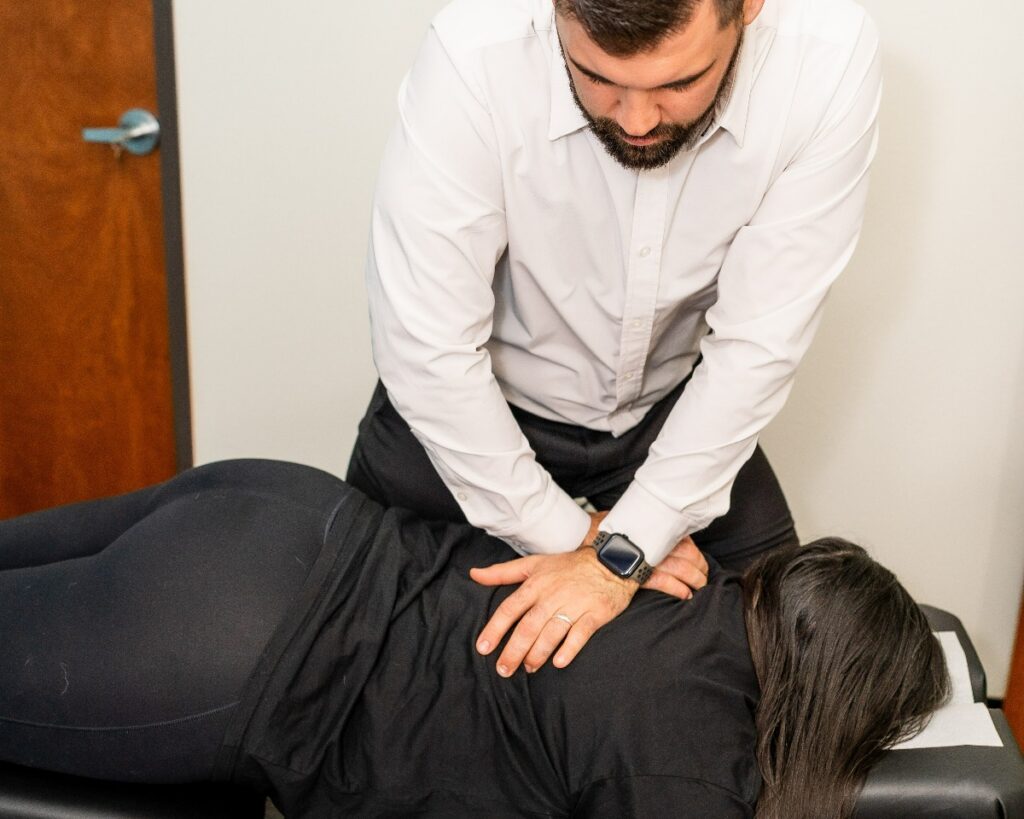

As a local chiropractor, I understand that many of you may be experiencing chronic neck discomfort, and you’re certainly not alone in this struggle. This common issue often arises from factors such as poor posture, stress, and improper ergonomics in our daily lives. The good news is that there are several effective techniques we can employ to help manage and alleviate your pain naturally.
In my practice, I focus on a holistic approach that includes posture correction, targeted stretching exercises, and adjustments to improve spinal alignment. These strategies are designed not only to relieve your discomfort but also to promote long-term health and well-being.
If you’re new to chiropractic care, you might be wondering where to start. I encourage you to prioritize evaluating your posture and engaging in specific stretching exercises tailored to your needs. Together, we can explore these options and develop a personalized plan to help you find relief and regain your quality of life. Remember, you don’t have to navigate this journey alone—I’m here to support you every step of the way.
Understanding Chronic Neck Pain
Chronic neck pain is a common issue that many people face, and it can significantly impact your daily activities and overall quality of life. As a chiropractor, I want to help you understand that this discomfort may arise from various sources, such as muscle strain, poor posture, or even the natural aging process.
It’s also important to consider how stress and tension can contribute to neck pain, creating a link between your mental well-being and physical discomfort.
Identifying the specific symptoms you experience is crucial in addressing your neck pain effectively. Take note of when the pain intensifies—perhaps during certain activities or at particular times of the day. This awareness can be instrumental in guiding us toward the most suitable treatment options for you.
Chiropractic care focuses on natural healing and aims to restore balance to your body. By working together, we can develop a personalized plan that may include adjustments, exercises, and lifestyle modifications to alleviate your pain and improve your overall function.
Posture Correction Techniques
As a local chiropractor, I want to emphasize the importance of maintaining proper posture for managing neck discomfort and preventing future issues. One of the first steps is to be conscious of how you position your head and neck throughout the day.
When you’re sitting, ensure your back is straight and your shoulders are relaxed; your ears should align with your shoulders. If you’re working at a desk, it’s crucial to adjust your chair and computer screen to eye level to reduce strain on your neck.
When standing, remember to evenly distribute your weight on both feet. Avoid leaning forward or slouching, as these habits can worsen discomfort over time. I encourage you to consider incorporating ergonomic tools into your workspace, such as supportive chairs or cushions, which can greatly improve your posture throughout the day.
Additionally, it’s vital to take regular breaks to stand up, stretch, and move around. These simple adjustments can significantly enhance your neck health.
Stretching and Strengthening Exercises
As a chiropractor dedicated to your well-being, I want to share how stretching and strengthening exercises can effectively manage chronic neck discomfort.
Many of my patients find that incorporating simple neck stretches into their routine enhances flexibility and provides relief. Following these stretches with targeted muscle-strengthening exercises can further support your neck and improve overall stability.
By actively engaging in these natural practices, you can promote better neck health and significantly reduce discomfort.
Neck Stretch Techniques
As a local chiropractor, I want to share some valuable neck stretch techniques that can significantly enhance your comfort and mobility. Many of my patients have found that incorporating these stretches into their daily routine makes a noticeable difference.
Begin by gently tilting your head to one side, holding that position for 15-30 seconds. This simple movement can help relieve tension in the neck. After that, switch to the other side and repeat.
Another beneficial stretch involves looking over your shoulder; hold this position for the same duration to promote flexibility.
Chin tucks are another fantastic exercise. By pulling your chin back gently towards your chest, you can help realign your spine and alleviate pressure in the neck area.
Additionally, clasp your hands behind your head and apply gentle pressure downward. This creates a nice stretch in both your neck and upper back.
I encourage you to maintain consistency with these stretches—aim to perform them a few times throughout the day.
Always listen to your body, and if you feel any discomfort or pain, please refrain from pushing through those movements.
Strengthening Muscle Exercises
As your local chiropractor, I want to emphasize the importance of incorporating strengthening exercises into your routine to enhance the benefits of the neck stretches we’ve discussed.
These exercises can significantly improve your neck’s stability and resilience. One effective way to start is with isometric exercises. This involves gently pushing your head against your hands in various directions—forward, backward, and sideways. This technique builds muscle strength without requiring excessive movement, making it a safe choice for many.
Additionally, shoulder shrugs and scapular retractions are excellent movements to engage your upper back and neck muscles, helping to alleviate tension. You might also want to consider adding resistance bands to your routine. Using them for lateral neck flexion can specifically target the muscles on the sides of your neck, promoting balanced strength.
I recommend performing 2-3 sets of 10-15 repetitions for each exercise, always paying attention to how your body feels during the process. By integrating these strengthening exercises into your care plan, you can’t only reduce discomfort but also improve your posture and overall neck function over time.
Heat and Cold Therapy
As your local chiropractor, I want to introduce you to the benefits of heat and cold therapy for managing chronic neck discomfort. These simple yet effective techniques can play a crucial role in your recovery and overall wellness.
When you apply heat—whether it’s a warm compress, heating pad, or a hot water bottle—you are increasing blood flow to the affected area. This process helps to relax tight muscles and ease stiffness, making it particularly advantageous before engaging in neck stretches or exercises.
Incorporating heat therapy can prepare your neck for movement and enhance your flexibility.
Conversely, cold therapy is equally important. Using ice packs or cold compresses can help reduce inflammation and numb sharp pain, particularly after physical activity or during flare-ups.
Cold therapy is excellent for managing acute discomfort and swelling, allowing for a quicker recovery.
Many patients find that alternating between heat and cold therapies yields the best results. It’s essential, however, to always wrap your heat or ice packs in a cloth to protect your skin from direct contact.
Additionally, limit each application to about 15-20 minutes to prevent any burns or frostbite.
By incorporating these therapies into your daily routine, you may experience significant relief and improved mobility in your neck.
Ergonomic Workspace Setup
As a local chiropractor dedicated to your well-being, I want to share some important tips for creating an ergonomic workspace that can help alleviate neck discomfort.
It’s essential to set your desk at the right height so that your elbows rest at a comfortable 90-degree angle and your wrists remain straight while typing. This positioning can significantly reduce strain on your neck and spine.
Additionally, it’s vital to position your monitor at eye level. When your screen is at the right height, it helps prevent any unnecessary strain on your neck as you look at it.
By making these adjustments to your workspace, you can promote better posture and overall spinal health, which are key components of a healthy lifestyle.
Desk Height Adjustment
As a local chiropractor, I want to emphasize the importance of adjusting your desk height for an ergonomic workspace. This adjustment plays a crucial role in minimizing chronic neck discomfort, which many of my patients experience.
To start, when you sit at your desk, ensure that your elbows are at a 90-degree angle while typing. Your forearms should be parallel to the ground; this positioning helps prevent unnecessary strain on your neck and shoulders.
Additionally, your feet should rest flat on the floor, with your knees slightly lower than your hips. If your desk is too high, it can cause you to hunch over, leading to strain on your neck.
On the other hand, a desk that’s too low may force you to bend forward, putting extra pressure on your spine. I encourage you to use an adjustable chair or desk if necessary, and take the time to experiment with different heights.
Finding the right desk height is essential for supporting good posture and overall spinal health. Remember, a little adjustment can make a significant difference in your comfort and well-being!
Monitor Positioning Tips
As a local chiropractor, I want to emphasize the importance of proper monitor positioning for your neck health and overall comfort while working.
It’s crucial to start by setting your monitor at eye level. This means that the top of the screen should be at or just below your eye height, preventing you from tilting your head up or down, which can lead to unnecessary strain.
Position your monitor about an arm’s length away from you. This distance allows you to read text clearly without straining your eyes or neck. If you wear glasses, be mindful of how your prescription may affect your screen positioning.
Additionally, tilting the screen slightly back can help reduce glare, promoting a neutral neck position that supports your spine.
Lastly, ensure that your monitor is directly in front of you. This alignment will prevent you from having to turn your head frequently, which can contribute to chronic neck discomfort.
By making these simple adjustments, you’ll experience a significant improvement in your comfort and a reduction in neck strain, ultimately benefiting your overall well-being.
Mindfulness and Stress Reduction
As a local chiropractor, I understand that chronic neck discomfort can often feel overwhelming for many. However, I want to share with you how incorporating mindfulness and stress reduction techniques into your daily routine can significantly alleviate your symptoms.
By focusing your mind and reducing stress, you create a more relaxed environment that supports your body’s natural healing process.
Here are three effective strategies to help you get started on your journey to better neck health:
- Deep Breathing: I encourage you to set aside a few minutes each day for deep breathing exercises. Inhale slowly through your nose, hold for a moment, and then exhale through your mouth. This practice calms your nervous system and helps to reduce tension in your neck, making it a simple yet powerful tool for relief.
- Body Scan Meditation: Find a comfortable position, ideally lying down, and mentally scan your body from head to toe. Acknowledge any areas of tension and consciously work to relax those spots. This technique not only increases your awareness of where stress resides but also helps you understand how your body reacts to discomfort.
- Mindful Stretching: Integrate gentle neck stretches into your daily routine while focusing on your breath. As you stretch, pay attention to how your body feels and be mindful of any sensations. This practice enhances your connection with your body and promotes better alignment, which is crucial for overall neck health.
By incorporating these mindfulness techniques, you can complement the chiropractic care you receive and facilitate a more holistic approach to your healing.
Alternative Treatments and Therapies
As a chiropractor dedicated to helping you find relief from chronic neck discomfort, I want to introduce you to the benefits of alternative treatments and therapies that can complement your care.
Many patients have experienced significant relief through acupuncture, which focuses on specific points in the body to ease tension and pain. This ancient practice can be an excellent addition to your treatment plan.
Chiropractic adjustments are another key component of managing neck pain. These gentle manipulations help realign your spine, which can alleviate discomfort and enhance mobility. My goal is to help you regain your range of motion and reduce pain through personalized adjustments.
Incorporating practices like yoga and tai chi into your routine can also be incredibly beneficial. These gentle forms of exercise improve flexibility, build strength, and promote relaxation, all of which are essential for maintaining neck health.
You may also want to explore herbal remedies, such as turmeric and ginger, known for their anti-inflammatory properties. However, I always recommend consulting with a healthcare professional before adding new supplements to your regimen.
Another effective option is massage therapy, which can help relieve muscle tightness and improve circulation. Techniques like myofascial release focus specifically on relieving tension in the connective tissues, providing additional relief for your neck discomfort.
By considering these alternative therapies alongside chiropractic care, you can create a comprehensive approach to managing your chronic neck pain and enhancing your overall well-being.
I’m here to guide you on this journey toward better health!
When to Seek Professional Help
When should you consider reaching out for professional help with chronic neck discomfort? If your pain continues despite trying self-care strategies or seems to get worse over time, it’s important to consult a healthcare provider, such as a chiropractor.
Early intervention is key; addressing issues sooner rather than later can lead to more effective outcomes. Here are three important signs that suggest it’s time to seek chiropractic care:
- Severe Pain: If you’re experiencing intense neck pain that doesn’t improve with rest or over-the-counter pain relief, it’s a good idea to consult with a chiropractor who can provide specialized care and treatment options.
- Radiating Symptoms: Should you notice numbness, tingling, or weakness in your arms or hands, these could be signs of nerve involvement that require a professional evaluation. A chiropractor can assess your condition and help address any underlying issues.
- Limited Mobility: If you find it difficult to turn your head or carry out daily activities because of pain, a chiropractor can help identify the root cause of your discomfort and work with you to restore mobility and function.
Recognizing these signs early on can help prevent further complications and improve your overall quality of life through natural healing methods.
Don’t hesitate to reach out for support; your body deserves it!
Conclusion
As your local chiropractor, I want to share some effective techniques for managing chronic neck discomfort. It’s important to understand that achieving optimal relief often requires a combination of approaches. One of the first steps you can take is to correct your posture; maintaining good alignment can significantly alleviate pain.
Incorporating gentle stretching exercises into your daily routine can also be beneficial. These exercises help improve flexibility and reduce tension in your neck muscles. Additionally, creating an ergonomic workspace is crucial; ensure that your desk, chair, and computer setup support a healthy posture.
Don’t underestimate the healing power of heat and cold therapy. Applying heat can relax tight muscles, while cold therapy can help reduce inflammation. Mindfulness practices, such as meditation or deep breathing, can further enhance your overall well-being by reducing stress, which often contributes to neck pain.
I also encourage exploring alternative treatments like acupuncture or massage therapy, which can complement chiropractic care and offer additional relief. If you find that your discomfort persists or worsens, please don’t hesitate to seek professional help. Your health is a priority, and taking proactive steps is essential for regaining control over your neck health. Together, we can work towards a pain-free future.