
You might not realize it, but your spine is essential for your overall health and well-being. Poor posture, long hours sitting, and everyday stress can take a toll, leading to discomfort and even chronic issues. It's not just about looking good; a healthy spine enhances your functionality and energy levels. So, what are the signs that your spine needs a little extra care? Understanding these indicators is the first step towards improvement, and you'll want to know how simple changes can make a significant impact on your life.
The Importance of a Healthy Spine
Why is a healthy spine so important to your overall well-being? Your spine isn't just a stack of bones; it's a significant component of your body that affects everything from your posture to your nervous system. A healthy spine supports your body's structure, allowing you to move freely and maintain balance. When your spine's aligned properly, it reduces strain on muscles and ligaments, helping you avoid discomfort and injury.
Moreover, a well-functioning spine plays a key role in protecting your spinal cord, which transmits signals between your brain and the rest of your body. If your spine is misaligned, it can lead to nerve compression, resulting in pain or dysfunction in various body parts. You mightn't realize how much your spine impacts daily activities until you experience discomfort.
Additionally, a healthy spine contributes to better digestion and respiratory function. When your spine is in alignment, it allows organs to function efficiently, providing you with more energy and enhancing your overall quality of life. Good spinal health also promotes better sleep, which is essential for mental and physical recovery.
Taking care of your spine should be a priority. Regular exercise, maintaining good posture, and being mindful of body mechanics during daily activities can go a long way in preserving your spinal health.
Common Causes of Spinal Issues
You mightn't realize how much your daily habits impact your spine.
Poor posture, a sedentary lifestyle, and injuries can all contribute to spinal issues.
Understanding these common causes is essential for maintaining a healthy back.
Poor Posture Habits
Poor posture habits can greatly contribute to spinal issues, often stemming from daily activities and routines. You mightn't even realize how often you slouch or hunch over your phone or computer. These positions can strain your spine and lead to discomfort or pain over time.
When you sit for long periods without proper support, your back can take a beating. Leaning forward while reading or working can shift your spine out of alignment, causing tension in your neck and lower back.
Even activities like driving can promote poor posture if you're not mindful of your seating position. Additionally, carrying heavy bags on one shoulder can unevenly distribute weight, leading to muscle imbalances and spinal issues.
You may also find yourself adopting awkward positions while watching TV or working on your laptop, which further exacerbates the problem.
Being aware of these habits is the first step toward improvement. Make a conscious effort to sit up straight, use ergonomic furniture, and take regular breaks to stretch.
Small changes can make a significant difference in how your spine feels and functions. Your spine deserves the best care, so start prioritizing good posture today!
Sedentary Lifestyle Effects
In today's fast-paced world, a sedentary lifestyle can severely impact spinal health. When you spend long hours sitting—whether at a desk, in front of a screen, or on the couch—your spine bears the brunt of the pressure. This constant sitting can lead to muscle weakness, especially in your core and back, which are essential for proper spinal support.
Over time, weak muscles can result in misalignment and discomfort. You might also find that prolonged sitting encourages poor posture habits, which further exacerbates spinal issues. Slouching or leaning forward can compress spinal discs, leading to pain and even herniation.
Without regular movement, the discs in your spine don't receive the necessary nutrients, increasing the risk of degeneration. Moreover, a lack of physical activity can contribute to weight gain, placing additional strain on your spine. As your body becomes heavier, your spine struggles to support that extra weight, which can lead to chronic pain.
To counteract these effects, prioritize short breaks to stand, stretch, or walk throughout your day. Incorporating regular exercise into your routine can help strengthen your muscles and promote better spinal health.
Injury and Trauma
Injuries and trauma can greatly worsen existing spinal issues or create new ones. Whether you're an athlete pushing your limits or someone who simply trips and falls, the spine is vulnerable to various forms of stress. A sudden impact, like a car accident or a sports injury, can lead to fractures, herniated discs, or muscle strains. These injuries can cause severe pain and limit your mobility, affecting your daily life.
Even seemingly minor incidents, like lifting a heavy object improperly, can trigger significant spinal problems. Over time, repetitive motions or poor body mechanics can also lead to chronic issues, such as sciatica or degenerative disc disease.
If you've suffered any trauma, it's essential to take your symptoms seriously. Neglecting them can lead to long-term complications that could have been avoided. You should prioritize your spine's health by seeking appropriate treatment if you experience persistent pain or discomfort.
Physical therapy, chiropractic care, or medical intervention may be necessary to aid recovery. Remember, being proactive about spinal injuries can help you maintain a healthy, pain-free life. Don't wait until it's too late—your spine deserves the best care possible.
Signs Your Spine Needs Attention
Your spine plays a crucial role in your overall health, and recognizing when it needs attention is important. If you experience persistent pain in your back or neck, it's a clear signal that something might be wrong. Listen to your body—sharp, shooting pain or dull, aching discomfort shouldn't be ignored.
Another sign that your spine might need help is stiffness or decreased flexibility. If you find it difficult to bend, twist, or move without discomfort, it's worth investigating. These limitations can indicate underlying issues, such as muscle tension or spinal misalignment.
Numbness or tingling in your extremities is another red flag. If you notice these sensations in your arms, hands, legs, or feet, it could signal nerve compression or damage related to spinal problems. Don't brush off these symptoms; they often require professional evaluation.
Frequent headaches can also be linked to spinal issues, especially if the pain originates at the base of your skull or radiates down your neck. Tension headaches can stem from poor posture or spinal alignment.
If you've experienced recent injuries, even minor ones, pay close attention. Pain or discomfort that lingers after an injury can indicate a more significant problem that needs medical attention.
Lastly, fatigue or general malaise can also be related to spinal health. If you're feeling unusually tired or run-down, it's important to explore whether an underlying spinal issue could be contributing to your overall discomfort.
Prioritize your spine; it's the foundation of your well-being.
Benefits of Good Posture
Maintaining good posture can greatly enhance your physical health, making everyday activities easier and reducing discomfort.
You'll also notice improved mental clarity, allowing you to focus better throughout the day.
Plus, standing tall can boost your confidence levels, helping you feel more self-assured in social and professional situations.
Enhanced Physical Health
Good posture greatly enhances physical health, making it an important aspect of daily life. When you maintain proper alignment, you reduce the risk of strain injuries, particularly in your back and neck. This alignment allows your muscles to work efficiently, minimizing fatigue and discomfort over time.
Having good posture also improves your breathing. When your spine is aligned, your lungs can expand fully, allowing for better oxygen intake. Increased oxygen levels can boost your energy and improve your overall well-being.
Additionally, maintaining good posture supports your digestive health. It helps your organs function properly, reducing issues like acid reflux and constipation.
Engaging in regular physical activities becomes easier when you stand tall. Good posture enhances your balance and coordination, making it less likely for you to suffer falls or injuries. Moreover, it promotes proper joint function, which can alleviate pain in your knees, hips, and shoulders.
In essence, when you prioritize good posture, you're not just improving your appearance; you're actively investing in your physical well-being.
Improved Mental Clarity
Boosting mental clarity often comes down to something as simple as posture. When you sit or stand up straight, you allow your body to function more efficiently. Good posture opens up your airways, leading to better oxygen flow. Your brain needs oxygen to perform at its best, so when you breathe more easily, you may find your thoughts sharper and your focus improved.
Moreover, maintaining proper alignment can enhance your overall energy levels. When your spine is properly aligned, your muscles and joints work more effectively, reducing fatigue. This means you can stay engaged and attentive, whether you're working on a challenging project or having a deep conversation.
Additionally, good posture reduces discomfort and distractions caused by tension or strain. When you're not battling aches and pains, you can spend more time concentrating on what really matters.
Boosted Confidence Levels
Posture doesn't just influence mental clarity; it also plays a significant role in how confident you feel. When you stand tall with your shoulders back and head held high, you send powerful signals to yourself and those around you. Good posture can transform your body language, making you appear more assertive and self-assured.
People often perceive upright individuals as more competent and capable, which can lead to increased opportunities in both personal and professional environments.
You mightn't realize it, but when you slouch, you can inadvertently project insecurity or disinterest. On the other hand, maintaining good posture can boost your self-esteem and help you tackle challenges with a more positive outlook. By adopting an open stance, you invite engagement and connection, fostering better interactions.
Moreover, when you feel confident, you're more likely to take risks and embrace new experiences. This cycle of confidence can empower you in various aspects of your life.
Exercises for Spinal Health
Maintaining a healthy spine is essential for overall well-being, and incorporating specific exercises into your routine can make a significant difference. These exercises not only strengthen your back muscles but also improve flexibility and posture, helping to alleviate discomfort and prevent future injuries.
Start with basic stretches like the cat-cow pose, which gently warms up the spine while promoting mobility. Get on all fours, arch your back up like a cat, then dip it down like a cow. Repeat this for 5-10 cycles to feel the tension release.
Next, incorporate back-strengthening exercises. The bridge is an excellent choice. Lie on your back with your knees bent, feet flat on the floor. Raise your hips toward the ceiling, engaging your glutes and lower back. Hold for a few seconds before lowering back down. Aim for 10-15 repetitions.
Don't forget about core exercises, as a strong core supports your spine. Planks are particularly effective. Lie face down, then lift your body on your forearms and toes, keeping a straight line from head to heels. Hold this position for 20-30 seconds, gradually increasing the duration as you build strength.
Finally, consider adding yoga or Pilates to your routine. Both focus on spinal health, flexibility, and overall strength.
Remember to listen to your body—if an exercise causes pain, it's best to stop and consult a professional. By dedicating time to these exercises, you'll be investing in your spinal health and enhancing your quality of life.
Ergonomics in Daily Life
Creating an ergonomic environment in your daily life can greatly reduce strain on your spine and improve your overall comfort.
Whether you're at home, in the office, or even on the go, making small adjustments can lead to significant benefits.
Here are three practical tips to enhance your daily ergonomics:
1. Optimize Your Workspace: Position your computer monitor at eye level to prevent neck strain. Use a chair that supports your lower back, and keep your feet flat on the floor or on a footrest. This setup encourages good posture and minimizes fatigue.
2. Mind Your Posture: Be mindful of how you sit, stand, and move throughout the day. When sitting, keep your back straight, shoulders relaxed, and avoid slumping.
If you stand for long periods, shift your weight from one foot to the other and take breaks to walk around. This helps maintain spinal alignment and relieves tension.
3. Use Proper Lifting Techniques: When lifting heavy objects, bend at your knees, not your waist. Keep the load close to your body and use your legs to lift.
This technique minimizes the risk of back injury and protects your spine.
Integrating these ergonomic practices into your daily routine can make a world of difference.
By being proactive about your spinal health, you're embracing a lifestyle that prioritizes comfort and well-being.
Seeking Professional Help
Even with the best ergonomic practices, there are times when you might still experience discomfort or pain in your spine. When that happens, seeking professional help is essential. An expert can provide a thorough assessment and develop a tailored plan to address your specific issues.
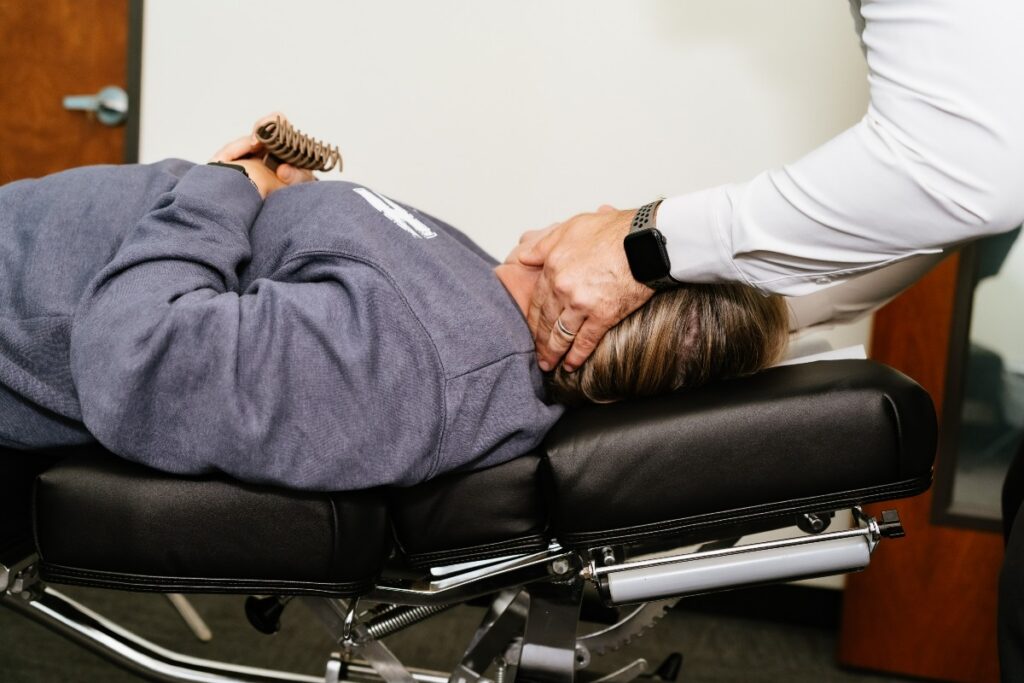
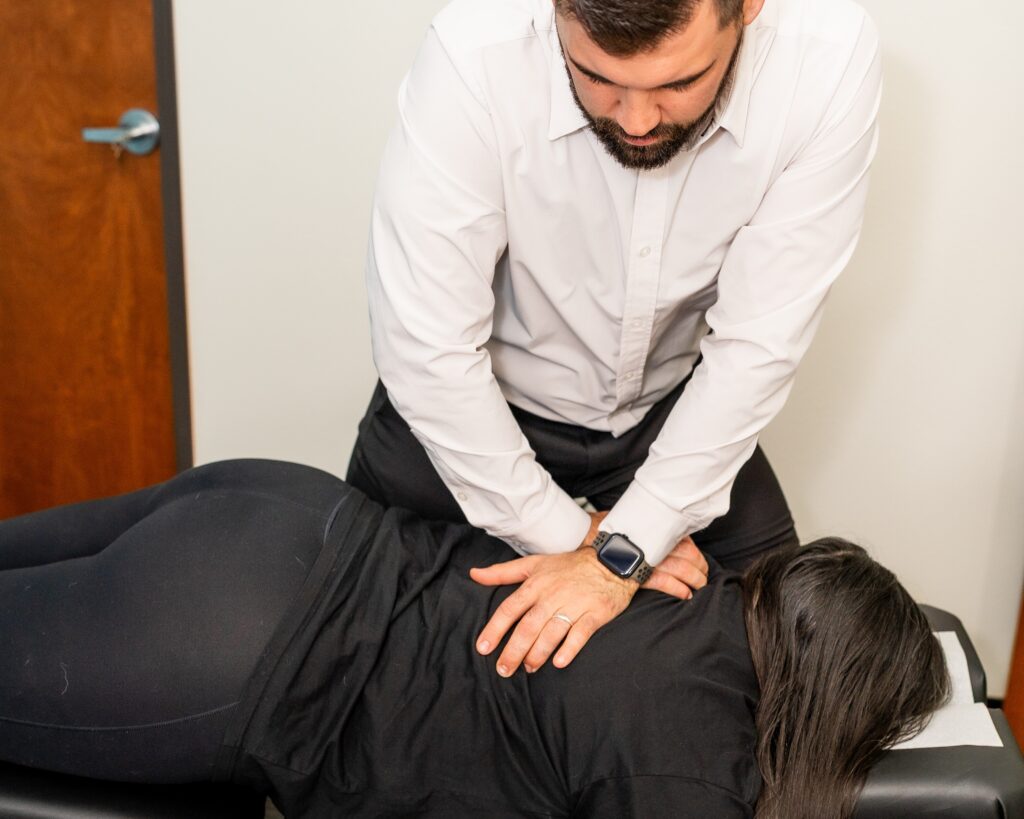
Don't hesitate to consult a chiropractor, physical therapist, or orthopedic specialist who specializes in spinal health. A chiropractor can manipulate your spine to restore proper alignment, which may alleviate pain and improve mobility. Physical therapists offer exercises and techniques that strengthen your back muscles and enhance flexibility.
If your pain is severe or persistent, an orthopedic doctor can diagnose underlying conditions and recommend appropriate treatments or interventions. Before your appointment, consider keeping a pain diary. Note when the discomfort occurs, its intensity, and any activities that trigger it. This information will help your healthcare provider understand your situation better and create an effective treatment plan.
Remember, waiting too long to seek help can lead to more significant problems down the line. Early intervention often leads to faster recovery and better long-term outcomes. You don't have to live with pain; there are solutions available.
Finally, once you've received treatment, follow your professional's advice. This might include lifestyle changes, exercise routines, or regular follow-ups. Your spine deserves the best care possible, and taking proactive steps will guarantee you maintain a healthy, pain-free back.
Conclusion
Taking care of your spine is essential for your overall well-being. By being mindful of your posture, incorporating spinal health exercises into your routine, and ensuring your workspace is ergonomic, you can greatly enhance your quality of life. Don't ignore the signs that your spine needs attention; instead, prioritize its care. Remember, a healthy spine supports not just your body but also your confidence and energy. Give your spine the TLC it deserves, and you'll reap the benefits!