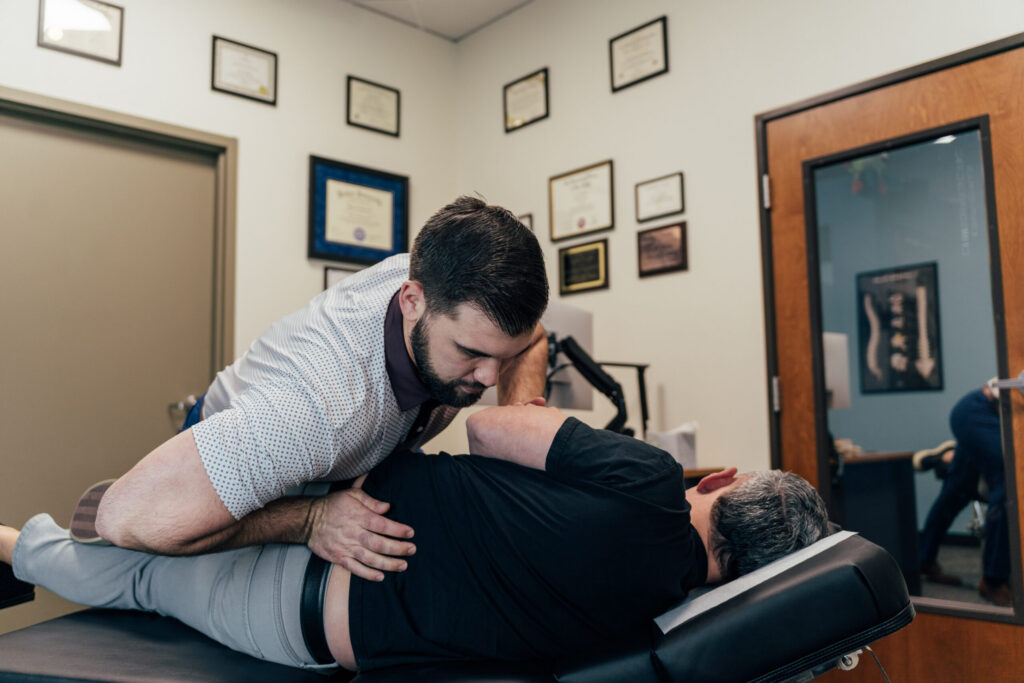

If you’re experiencing lower back pain, I want you to know that you’re not alone. Many individuals face this discomfort at some point in their lives, and as a local chiropractor, I’m here to help you understand how to recover effectively. It’s crucial to approach your healing journey with a structured plan that considers both your body and mind.
First and foremost, identifying the root cause of your pain is essential. This could stem from various factors, such as poor posture, muscle strain, or even stress. By understanding the underlying issue, we can tailor a recovery strategy specifically for you.
Incorporating specific exercises and stretches into your routine can significantly aid in your healing process. These movements can strengthen the muscles that support your spine, improve flexibility, and alleviate tension. As your chiropractor, I can guide you through exercises that are safe and effective for your condition.
Additionally, I encourage you to consider natural healing methods, such as chiropractic adjustments. These adjustments can help realign your spine, reduce pain, and promote overall wellness.
So, where do we begin? Let’s work together to develop a comprehensive plan that addresses your unique situation and helps you regain control over your health. I’m here to support you every step of the way as we explore these key strategies to get you back on track.
Understand the Cause of Your Pain
Understanding the Cause of Your Pain
As a local chiropractor, I want to help you get to the root of your lower back pain so we can effectively address it together. Lower back pain can arise from a variety of factors, such as muscle strain, poor posture, or even underlying health conditions.
Take a moment to consider your daily habits—are you lifting heavy objects without proper technique or sitting for extended periods? These everyday activities can significantly contribute to your discomfort.
It’s essential to pay attention to the characteristics of your pain. Is it sharp, dull, or achy? Does it radiate down your legs? Recognizing these details can provide valuable insights into your pain patterns and triggers.
Additionally, reflect on any recent injuries or changes in your routine that may be influencing your symptoms.
I encourage you to keep a pain journal. Record when your pain occurs, its intensity, and any activities that might’ve led to it. This information is crucial for us to determine effective treatment options and for discussing your symptoms during our consultations.
Incorporate Gentle Stretching and Strengthening Exercises
As a local chiropractor dedicated to your health and well-being, I want to share some insightful practices that can significantly alleviate lower back pain and improve your overall mobility. One effective method involves incorporating gentle stretching and strengthening exercises into your daily routine.
To begin, consider starting with simple stretches like the cat-cow stretch and child’s pose. These gentle movements are designed to loosen tight muscles and promote flexibility. I recommend dedicating about 5-10 minutes each day to these stretches. You’ll likely notice a positive change in your range of motion and comfort.
Once you feel at ease with your stretching routine, it’s time to introduce some strengthening exercises. Building a strong core is crucial, as it provides support for your back. Exercises such as pelvic tilts, bridges, and modified planks are fantastic choices to strengthen those core muscles. Aim for two to three sets of 10-15 repetitions for each exercise, and remember to gradually increase the intensity as your strength improves.
It’s essential to listen to your body throughout this process. If you experience pain, it’s important to stop and reassess. Consistency is key; aim to incorporate these exercises into your daily habits. By doing so, you’ll not only alleviate your lower back pain but also enhance your overall strength and resilience.
At our practice, we believe in the power of natural healing and movement. If you have any questions or need guidance on these exercises, please don’t hesitate to reach out. Your journey to better health is important to us!
Maintain Proper Posture
As a local chiropractor dedicated to helping you achieve optimal health, I want to emphasize the importance of maintaining proper posture alongside strengthening your core and improving flexibility. These actions can significantly aid in preventing and alleviating lower back pain. It’s crucial to be aware of how you sit, stand, and move throughout your daily activities.
When you’re seated, aim to keep your back straight, shoulders relaxed, and feet flat on the floor. Choosing a chair that provides adequate support for your lower back can make a noticeable difference.
While standing, ensure that your weight is evenly distributed between both feet and avoid locking your knees, as this can contribute to discomfort.
If your daily routine involves long hours at a desk, remember to take regular breaks to stretch and adjust your sitting position. Additionally, when lifting objects, always bend at your knees instead of your waist, and keep the item close to your body. This technique is essential for reducing strain on your back and protecting your spine.
Lastly, practice maintaining good posture during everyday activities, whether you’re walking or driving. By making these conscious adjustments, you’ll not only support your spine but also minimize the risk of developing lower back pain.
If you have any questions or need personalized guidance, feel free to reach out to me for assistance on your journey to better health through natural healing.
Apply Heat or Cold Therapy
As a local chiropractor, I want to share some valuable insights on managing lower back pain through the application of heat and cold therapy. Many of my patients are surprised to learn how effective these natural techniques can be in promoting healing and comfort.
Heat therapy is particularly beneficial for relaxing tight muscles and alleviating stiffness. When you apply warmth to your lower back, it increases blood flow, which can help soothe discomfort and enhance flexibility. This can be especially helpful if you’re experiencing muscle tension or chronic pain.
On the other hand, cold therapy is excellent for reducing inflammation and numbing sharp pain. Utilizing ice packs or cold compresses can help manage swelling and provide relief after activity or injury. It’s particularly effective in the initial stages following an injury to prevent further swelling.
Understanding when to use heat versus cold—and how to alternate between the two—can significantly improve your recovery process.
I encourage you to consider these methods as part of your overall approach to healing, alongside the chiropractic care we provide.
Benefits of Heat Therapy
As a local chiropractor, I want to share the benefits of heat therapy for those of you experiencing lower back pain. Many people find heat therapy to be an effective method for relief, and it’s a natural approach that can complement your overall wellness journey.
When you apply heat to your lower back, it enhances blood flow to the area, which is essential for healing. This increased circulation helps to reduce stiffness and promotes relaxation in tight muscles, ultimately alleviating discomfort and improving your range of motion.
Additionally, heat therapy can trigger the release of endorphins, which are your body’s natural painkillers, providing further relief from pain.
Whether you choose to use a heating pad, a hot water bottle, or a warm towel, the soothing warmth can significantly enhance your overall well-being and make you feel more comfortable.
However, it’s important to use heat therapy safely—limit your application to about 15 to 20 minutes at a time to avoid any risk of burns.
Incorporating heat therapy into your routine can be a valuable part of your journey towards better health. If you have any questions or would like to learn more about how chiropractic care can support your healing process, feel free to reach out!
Cold Therapy Techniques
As a local chiropractor, I want to share an effective and natural approach to managing lower back pain: cold therapy. This technique can be a game-changer in your recovery process. By applying cold packs or ice to the painful area, you can significantly reduce inflammation and numb discomfort.
To get started, take a few ice cubes or a cold pack and wrap it in a cloth. This is essential to protect your skin from extreme cold. Apply it to your lower back for about 15-20 minutes at a time.
Remember, it’s important to take breaks between applications to avoid frostbite. You can repeat this process several times throughout the day, particularly after engaging in physical activity or sitting for long periods.
If you don’t have ice packs handy, a bag of frozen vegetables works just as effectively! The key goal here is to soothe your back, so always listen to your body and adjust the duration and frequency of the application as needed.
Embracing cold therapy can be a powerful step in your journey toward natural healing and overall wellness.
When to Alternate
As your local chiropractor, I want to share some valuable insights on how to effectively use cold and heat therapy for your recovery.
Cold therapy is fantastic for reducing inflammation and numbing pain, especially in the initial stages after an injury. I usually recommend applying cold therapy for the first 48 hours following an injury to keep swelling at bay.
Once that period has passed, transitioning to heat therapy can be incredibly beneficial. Heat can help relax tight muscles and stimulate better blood circulation, which is essential for healing. If you find yourself dealing with stiffness or muscle tension, it’s a good indicator that heat therapy may be the right choice for you.
For optimal results, consider alternating between cold and heat therapies—applying each for about 20 minutes. However, it’s important to listen to your body. If you feel that one method is providing more relief, feel free to stick with it.
Always remember to protect your skin by using a barrier, such as a cloth, between the heat or cold source and your skin to avoid burns or frostbite.
If you have any questions or need personalized guidance, don’t hesitate to reach out. Your health and comfort are my top priorities!
Consider Over-the-Counter Pain Relief
If you’re experiencing lower back pain, exploring over-the-counter pain relief can be a helpful starting point. These medications may assist in reducing discomfort and make it easier for you to carry out your daily tasks. Here are some common options to consider:
- Acetaminophen: This is often recommended for mild to moderate pain and is generally easier on your stomach, making it a good first choice for many individuals.
- Nonsteroidal anti-inflammatory drugs (NSAIDs): Medications such as ibuprofen and naproxen can effectively reduce inflammation and alleviate pain, which may be beneficial if your discomfort is linked to swelling.
- Topical analgesics: Creams or patches that you apply directly to the skin can offer localized relief, targeting specific areas of pain.
However, it’s important to remember that while these over-the-counter options can provide temporary relief, they aren’t a long-term solution for lower back pain.
As a chiropractor, I encourage you to consider natural healing methods that focus on addressing the root cause of your discomfort.
Before starting any medication, make sure to read the label for dosages and potential side effects.
I also recommend consulting with your healthcare provider, especially if you have underlying health conditions or are taking other medications.
Stay Active and Avoid Prolonged Bed Rest
As a local chiropractor, I want to emphasize that finding relief from lower back pain often requires more than just relying on medication. Staying active is a crucial component of your recovery journey.
While it may seem easier to stay in bed when you’re in pain, prolonged rest can actually exacerbate your discomfort and stiffness. Instead, I encourage you to engage in gentle movements and light activities that can help keep your muscles active.
Consider incorporating walking, stretching, or even light yoga into your routine to maintain your flexibility and strength. It’s important to listen to your body; if an activity causes too much pain, adjust your approach accordingly.
Remember, short, frequent movements can often be more effective than long stretches of inactivity. You don’t need to overexert yourself; even simple tasks like standing up and walking around your home can have a positive impact.
By staying active, you enhance blood circulation, reduce stiffness, and improve your overall mood. Balancing rest with activity is essential for a successful recovery from lower back pain.
As your chiropractor, I’m here to support you in finding the right balance and promoting natural healing through movement.
Seek Professional Help if Necessary
As your local chiropractor, I understand that lower back pain can sometimes feel overwhelming, and I want to emphasize the importance of knowing when to seek professional help.
If your discomfort persists or worsens despite trying various remedies, reaching out to a healthcare provider, especially a chiropractor, can be a crucial step towards recovery.
Here are some signs that indicate it might be time to consult with a professional like me:
- Persistent Pain: If your lower back pain has lasted more than a few weeks and is affecting your daily life, it’s essential to get a professional assessment. We can help identify the root cause and develop a tailored treatment plan.
- Numbness or Tingling: If you experience numbness, tingling, or weakness in your legs, this could signal a more serious underlying issue. These symptoms warrant immediate attention, and chiropractic care can often provide relief and address the underlying problems.
- Loss of Bladder or Bowel Control: This is a critical sign that requires urgent medical evaluation. If you experience any loss of control, please seek help right away. It’s important to address these concerns as soon as possible.
As your chiropractor, my goal is to help you regain your quality of life through natural healing methods.
The right care can significantly improve your recovery process, allowing you to return to the activities you love.
Don’t hesitate to reach out if you have any concerns about your lower back pain; I’m here to help!
Conclusion
As a local chiropractor, I want to share with you seven essential steps to help you recover from lower back pain and restore your mobility. First and foremost, it’s important to understand the nature of your pain. This awareness can guide you in making informed decisions about your care.
Incorporating gentle exercises into your daily routine is crucial. These exercises can help strengthen your back and promote flexibility, all while being mindful of your body’s limits. Maintaining proper posture is another key factor in alleviating pain and preventing future issues.
I also recommend utilizing heat or cold therapy, as these can provide immediate relief. Over-the-counter pain relief options can be beneficial in the short term, but I encourage you to explore natural healing methods as well.
Staying active is vital for your recovery, so it’s best to avoid prolonged bed rest, which can actually exacerbate your condition. If your pain continues despite your efforts, please don’t hesitate to seek professional help. As a chiropractor, I’m here to assist you on your journey to healing. With commitment and the right approach, you can find relief and significantly enhance your quality of life. Let’s work together towards a healthier back!