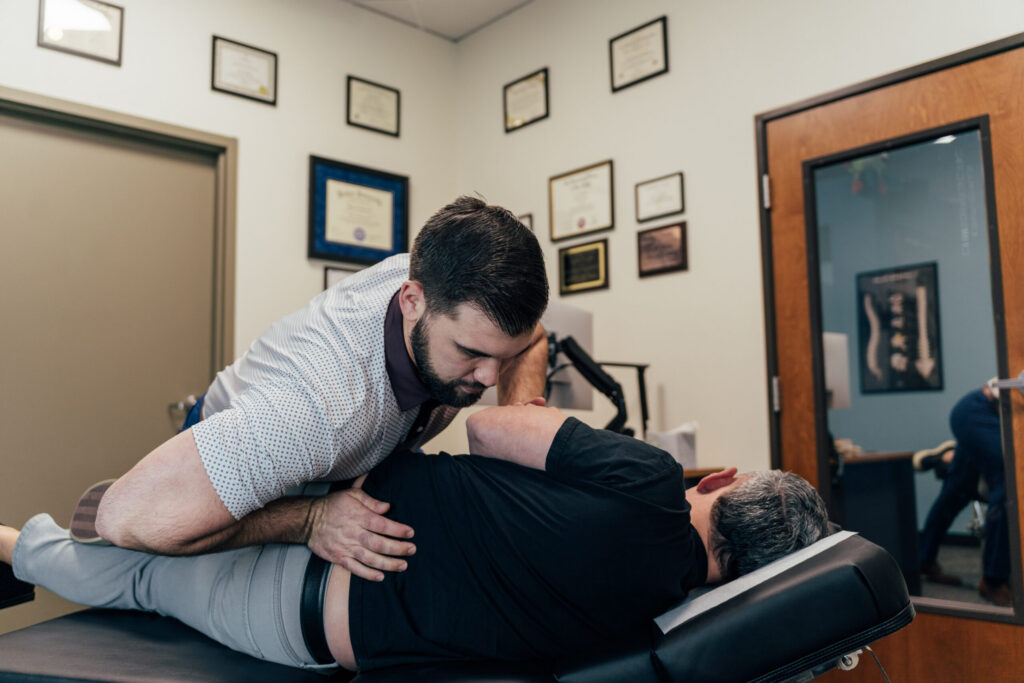

As a local chiropractor, I’ve seen firsthand how many individuals grapple with back pain on a daily basis. It’s a common issue, and I understand that navigating through the options for relief can be daunting. However, I want to share some effective, natural strategies that can help alleviate your discomfort without the need for medications.
By integrating certain practices into your daily routine and making a few simple adjustments, you can significantly improve your comfort and mobility. Chiropractic care focuses on the body’s natural ability to heal itself, and I’m here to guide you through various holistic approaches that can support your journey towards relief.
Let’s explore some valuable strategies that can help you regain your well-being and enhance your quality of life. Together, we can work towards a healthier, pain-free future.
Maintain Good Posture
As a local chiropractor, I want to emphasize the importance of maintaining good posture for your overall health and well-being. When you practice good posture, you not only support your spine but also significantly lower the risk of experiencing back pain.
Whether you’re sitting or standing, aligning your spine correctly allows for even weight distribution across your body, which is crucial for preventing discomfort.
To improve your posture, remember to keep your shoulders back, your head held high, and your feet flat on the floor. If you’re sitting, it’s essential to adjust your chair so that your knees are at a right angle and your lower back receives adequate support.
Being conscious of your posture throughout the day can help you become more attuned to how your body feels. If you catch yourself slouching, take a moment to gently correct your position.
I also recommend setting reminders to check in with your posture regularly, as this small habit can lead to significant improvements over time.
By prioritizing good posture in your daily routine, you not only enhance your comfort but also help prevent muscle strain and discomfort.
Incorporate Regular Stretching
As a chiropractor, I want to emphasize the importance of incorporating regular stretching into your daily routine. This practice can significantly enhance your flexibility and alleviate muscle tension, which is crucial for relieving back pain.
Many of us hold stress in specific areas, such as the lower back, hamstrings, and hip flexors, so it’s essential to target these regions during your stretching sessions.
Simple stretches, like the cat-cow, child’s pose, and seated forward bend, can be incredibly beneficial. I recommend dedicating at least 10-15 minutes each day to stretching. You can easily integrate this into your morning or evening routine, making it a consistent part of your day.
Remember to focus on your breathing; deep breaths can help your muscles relax and loosen, enhancing the benefits of each stretch.
It’s important to listen to your body during this process. Never push through pain—if a stretch feels too intense, back off a bit.
Strengthen Core Muscles
As a local chiropractor, I want to share the importance of strengthening your core muscles, especially if you’re experiencing back pain. A strong core plays a vital role in supporting your spine and promoting good posture, which is essential for overall spinal health.
When your core is well-developed, it can alleviate pressure on your back, allowing for smoother and more comfortable movements. Incorporating core-strengthening exercises into your daily routine can significantly enhance your back health and well-being.
Here are some effective exercises that I recommend:
- Planks: This exercise engages your entire core while you hold a stable position, promoting overall core stability.
- Bridges: By lifting your hips off the ground, you can strengthen your lower back and glutes, which are crucial for supporting your spine.
- Dead Bugs: This exercise improves your coordination and stability by alternating movements of your arms and legs, helping to strengthen your core.
- Bird-Dogs: While on all fours, extend opposite limbs to enhance your balance and core strength, which is beneficial for spinal alignment.
- Russian Twists: This exercise focuses on rotational strength by twisting your torso while seated, helping to improve core stability.
I encourage you to make these exercises a regular part of your routine. With consistency, you may notice a reduction in back pain and an overall improvement in your stability and health.
Use Heat and Cold Therapy
As a local chiropractor, I want to share with you the benefits of heat and cold therapy in managing back pain. These methods can be powerful allies in your journey toward relief and recovery. It’s important to know when to use each technique to effectively alleviate discomfort.
Heat therapy is fantastic for relaxing tense muscles and enhancing blood circulation. A heating pad or a warm towel applied to your back for about 15 to 20 minutes can help soothe tight areas and promote healing. This is particularly beneficial for muscle stiffness or chronic pain.
Conversely, cold therapy is effective in reducing inflammation and numbing sharp pain. You can use ice packs or even a bag of frozen vegetables wrapped in a cloth to apply cold therapy. Aim for about 15 minutes of cold application, and remember to give your skin breaks to prevent frostbite.
For optimal results, consider alternating between heat and cold therapy. This combination can provide enhanced relief, but always pay attention to your body’s responses. If one method feels particularly soothing, feel free to continue using that.
Stay Active With Low-Impact Exercises
As a local chiropractor, I want to emphasize the importance of staying active, especially when it comes to managing back pain. Incorporating low-impact exercises into your daily routine is a fantastic way to keep your body moving while minimizing strain on your muscles and joints.
These exercises not only strengthen your core but also enhance flexibility and improve overall mobility, which are crucial for maintaining a healthy spine. Here are some effective low-impact exercises that I recommend:
- Walking: This is one of the simplest yet most effective ways to stay active. It’s easy to incorporate into your day and can significantly benefit your back health.
- Swimming: This activity offers excellent resistance and support, which helps to reduce pressure on your back while giving you a full-body workout.
- Cycling: Whether on a stationary bike or outdoors, cycling is a great way to strengthen your legs and core without putting too much stress on your joints.
- Yoga: This practice not only enhances flexibility but also promotes relaxation, both of which can be incredibly beneficial for your back.
- Pilates: By focusing on core strength, stability, and proper posture, Pilates can provide significant support for your spine and overall body alignment.
As your chiropractor, I encourage you to consider these low-impact exercises as part of your strategy for managing back pain and enhancing your overall well-being.
Practice Mindfulness and Relaxation Techniques
As your local chiropractor, I want to emphasize the importance of incorporating mindfulness and relaxation techniques into your routine to help alleviate back pain. Many patients may not realize how effective these practices can be.
For instance, breathing exercises can significantly help in releasing the tension that often contributes to discomfort in your back. Additionally, guided meditation offers a wonderful mental escape, allowing you to distance yourself from the pain and focus on healing.
By integrating these techniques with chiropractic care, you can enhance your overall well-being and foster a greater sense of calm.
This holistic approach not only addresses the physical aspects of pain but also promotes mental and emotional relief, paving the way for a more balanced and healthier life.
I encourage you to explore these mindfulness practices as part of your journey toward natural healing.
Breathing Exercises Benefits
As a chiropractor, I often emphasize the importance of breathing exercises in managing back pain and enhancing overall well-being.
These exercises not only promote mindfulness but also foster relaxation, which is crucial for alleviating tension in your back muscles. By consciously focusing on your breath, you can cultivate a sense of calm that aids in reducing discomfort.
Here are some specific benefits you can expect from incorporating breathing exercises into your routine:
- Reduces stress: Deep, controlled breathing can lower cortisol levels in your body, helping to ease muscle tension that often contributes to back pain.
- Improves posture: By practicing mindful breathing, you become more aware of your body alignment, which can lead to better posture and reduced strain on your back.
- Increases oxygen flow: Adequate oxygen supply is essential for muscle health; breathing exercises enhance this flow, providing your muscles with the nutrients they need to function optimally.
- Enhances relaxation: Engaging in breathing exercises activates your body’s relaxation response, promoting a sense of tranquility that can further alleviate pain.
- Boosts mental clarity: A clear mind can help you better manage pain perception. Breathing exercises sharpen your focus, allowing you to address discomfort with a more positive mindset.
Incorporating these practices into your daily routine can significantly improve your overall health and help you better manage back pain.
As your chiropractor, I’m here to guide you through these techniques and support your journey toward natural healing.
Guided Meditation Practices
As a local chiropractor, I often see patients who are unfamiliar with the benefits of chiropractic care and natural healing methods. One powerful tool that can complement your treatment is guided meditation.
While many people view meditation as a solitary practice, guided meditation can be an incredibly effective way to cultivate mindfulness and relaxation, particularly for those dealing with back pain.
By following a recording or an instructor, you can immerse yourself in calming imagery and soothing words that help to ease tension in your body. This structured approach allows you to let go of distractions and focus on your body’s sensations, which is essential for healing.
As you visualize peaceful scenes, both your mind and body can release stress and muscle tightness, which can significantly alleviate discomfort.
Incorporating guided meditation into your routine just a few times a week can greatly enhance not only your chiropractic care but also your overall well-being.
I encourage you to find a quiet space, put on some headphones, and experience the soothing effects of guided meditation. It’s a wonderful complement to the adjustments and therapies you receive in our office, helping you achieve a more balanced and pain-free life.
Adjust Your Sleep Environment
Creating a comfortable sleep environment is essential for managing back pain and promoting overall spinal health. As a chiropractor, I want to share some valuable tips to help you enhance your sleep space, which can significantly impact your well-being:
- Choose a supportive mattress: A medium-firm mattress is often ideal for maintaining proper spinal alignment. It provides the right balance of support and comfort to help you avoid unnecessary strain on your back.
- Use the right pillows: Selecting pillows that support the natural curve of your neck is crucial, whether you prefer sleeping on your back or side. This can help prevent stiffness and discomfort when you wake up.
- Maintain a cool room temperature: Keeping your bedroom cool can enhance sleep quality. A restful night’s sleep is vital for your body to heal and manage pain effectively.
- Limit noise and light: Creating a peaceful atmosphere is key to promoting deep sleep. Consider using blackout curtains to block out light and white noise machines to minimize disturbances.
- Invest in quality bedding: Soft, breathable sheets can enhance your comfort level, allowing you to relax more easily and enjoy a restorative night’s sleep.
By making these adjustments to your sleep environment, you can support your spine and overall health, making it easier to manage any discomfort you may be experiencing.
If you have further questions about how your sleep habits might be affecting your back pain, feel free to reach out for personalized advice.
Stay Hydrated and Maintain a Healthy Diet
As a local chiropractor, I want to emphasize the importance of staying hydrated and maintaining a healthy diet, especially if you’re dealing with back pain.
When you nourish your body with nutrient-dense foods and ensure you’re drinking enough water, you’re not just supporting your overall health—you’re also promoting proper muscle function and helping to reduce inflammation, which can directly impact your discomfort.
Additionally, keeping a healthy weight is crucial. Excess weight can put unnecessary strain on your back, making everyday tasks feel more challenging.
By focusing on hydration and diet, you’re taking proactive steps towards alleviating pain and enhancing your quality of life.
Importance of Hydration
As a local chiropractor, I want to emphasize the vital role hydration plays in your overall health, particularly when it comes to managing back pain.
When your body is well-hydrated, your spinal discs are better able to absorb shock and maintain flexibility, which helps to reduce strain on your back. Conversely, not drinking enough water can lead to stiffness and discomfort, potentially exacerbating your pain.
Here are some practical tips to help you stay hydrated:
- Make it a habit to drink water throughout the day, not just during meals. This consistent intake helps maintain hydration levels.
- Keep a water bottle with you as a reminder to take sips regularly. It’s an easy way to integrate hydration into your routine.
- Aim for at least eight 8-ounce glasses of water each day—this is a good benchmark for most people.
- Incorporate hydrating foods into your diet, such as fruits and vegetables, which can contribute significantly to your overall fluid intake.
- Be mindful of your caffeine and alcohol consumption, as both can have dehydrating effects on your body.
By prioritizing hydration, you can support your spinal health and overall well-being.
If you have any questions or would like to learn more about how chiropractic care can help you, feel free to reach out!
Nutrient-Rich Foods
As a chiropractor, I want to emphasize the importance of not just chiropractic adjustments, but also the role of nutrition in your overall health and well-being. While staying hydrated with water is vital, the foods you choose can significantly impact how nourished and hydrated your body feels.
If you’re dealing with back pain, incorporating nutrient-rich foods into your diet can be a game-changer. I encourage you to focus on leafy greens, fresh fruits, and whole grains. These foods are packed with antioxidants and possess anti-inflammatory properties that can help alleviate discomfort.
Additionally, consider adding foods rich in omega-3 fatty acids, such as salmon and walnuts, into your meals, as they’re known to reduce inflammation.
Don’t overlook the importance of calcium and magnesium, two minerals that are crucial for maintaining strong bones and healthy muscle function. Excellent sources include dairy products, nuts, and seeds.
It’s equally important to avoid processed foods and excessive sugar, as these can increase inflammation and hinder your healing process.
By making conscious choices about your diet, you can’t only support your body’s healing mechanisms but also enhance your overall comfort. Remember, a healthy diet works hand-in-hand with chiropractic care for optimal results.
Let’s work together towards your wellness goals!
Weight Management Tips
As a local chiropractor, I want to emphasize that maintaining a healthy diet is crucial not only for weight management but also for your overall spinal health and well-being. The right nutrition can play a significant role in alleviating back pain and supporting your body’s natural healing processes.
Here are some essential tips to consider:
- Stay Hydrated: Drinking plenty of water throughout the day is vital. Proper hydration supports your spinal discs and helps reduce inflammation, which can alleviate discomfort in your back.
- Load Up on Fruits and Vegetables: These foods are packed with essential vitamins and minerals that promote healing and overall health. They also provide antioxidants that can help reduce inflammation in the body.
- Choose Whole Grains: Opting for whole grains over processed options can provide you with sustained energy, helping to keep you active and engaged in your daily activities, which is important for maintaining a healthy spine.
- Limit Sugary Snacks and Beverages: High sugar intake can lead to weight gain and inflammation, which can exacerbate back pain. Choosing healthier snacks will support your weight management goals and overall health.
- Incorporate Lean Proteins: Lean proteins are essential for muscle repair and growth, which is vital for maintaining a strong back. They help support your body’s needs without adding unnecessary calories.
By adopting these dietary tips, you can support not only your weight management efforts but also enhance the effectiveness of chiropractic care and your overall health.
Explore Alternative Therapies
As a local chiropractor, I want to share with you some valuable insights about alternative therapies that can effectively alleviate back pain while complementing traditional treatments.
One approach that many of my patients have found beneficial is acupuncture. This ancient practice involves the insertion of thin needles at specific points on the body, which can help relieve pain, reduce tension, and improve mobility.
Chiropractic care, of course, is my specialty, and it focuses on spinal alignment and joint function. Regular chiropractic adjustments can enhance your posture and significantly reduce discomfort.
It’s amazing how realigning the spine can lead to overall improvements in your daily life.
Massage therapy is another fantastic option for those struggling with back pain. It targets tight muscles, improves circulation, and promotes relaxation, making it a popular choice for many seeking relief.
Don’t overlook the potential benefits of herbal remedies and supplements, such as turmeric and omega-3 fatty acids. These natural options can help reduce inflammation and support your recovery.
Lastly, I encourage you to explore mindfulness practices like yoga and meditation. These methods not only improve flexibility but also teach you effective stress management techniques, which are vital for maintaining overall back health.
Before embarking on any new therapy, it’s essential to consult with a healthcare provider—I’m here to help guide you through that process and discuss the best options tailored to your needs.
Together, we can work towards achieving a healthier, pain-free back!
Consider Ergonomic Adjustments in Daily Activities
As a local chiropractor, I want to share with you how making small ergonomic adjustments in your daily activities can significantly enhance your back health. Many people are unaware of how their daily habits can contribute to discomfort, but by incorporating a few simple changes, you can reduce strain on your back and promote better posture.
Here are some practical tips to consider:
- Adjust your chair height: Ensure your feet are flat on the floor to maintain proper alignment. This helps distribute weight evenly and reduces pressure on your spine.
- Use a lumbar roll: This small device can provide essential support for your lower back while sitting, helping to maintain the natural curve of your spine.
- Position your computer monitor: Keep the top of your monitor at eye level to avoid straining your neck. This simple adjustment can prevent discomfort from prolonged screen time.
- Take regular breaks: Make it a habit to stand, stretch, and move around every hour. This helps keep your muscles engaged and reduces stiffness.
- Wear supportive footwear: Good shoes provide the necessary support for your feet, which in turn promotes proper alignment throughout your body.
Implementing these simple tweaks can make a world of difference in your day-to-day life. By being mindful of your posture and the setup of your workspace, you can create a more comfortable environment that supports your overall back health.
Remember, consistency is key! Gradually incorporate these changes into your routine, and you may notice a reduction in discomfort along with an improvement in your overall well-being.
If you have any questions or need further guidance, feel free to reach out!
Conclusion
As your local chiropractor, I’m here to help you understand how to alleviate back pain naturally and enhance your overall well-being. By following these 10 essential steps, you can take charge of your health. First, focus on maintaining good posture throughout your daily activities; this is crucial for spine health. Incorporating regular stretching can help improve flexibility and reduce tension in your muscles. Strengthening your core is equally important, as a strong core provides vital support for your spine.
Staying active is key—consider engaging in low-impact exercises that are gentle on your back while still promoting movement. It’s also important to evaluate your sleep environment; ensure your mattress and pillows support proper spinal alignment. Don’t overlook the importance of hydration; drinking enough water is essential for maintaining healthy discs in your spine. Additionally, I encourage you to explore alternative therapies such as acupuncture or massage, which can complement your healing journey.
Remember, consistency is vital. By committing to these lifestyle changes, you can experience lasting relief from back pain. As your chiropractor, I’m here to guide you through these steps and support you on your path to better health.